कहानियाँ विंग · कहानी · संस्कृति
काहे को ब्याही बिदेस: वह विदाई गीत जो भारत को रुलाते हैं
Kahe Ko Byahi Bides: The Bidaai Songs That Make India Cry
भारतीय संगीत में विदाई (दुल्हन की विदाई) विषय — ठुमरी से बॉलीवुड तक। कैसे 1903 की ठुमरियों ने बॉलीवुड के सबसे दर्दनाक दृश्यों की नींव रखी।
प्रकाशित31 March 2026 पाठ७ मिनट का पाठ
आमुख
अलगता का क्षण
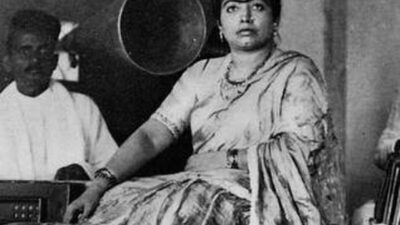
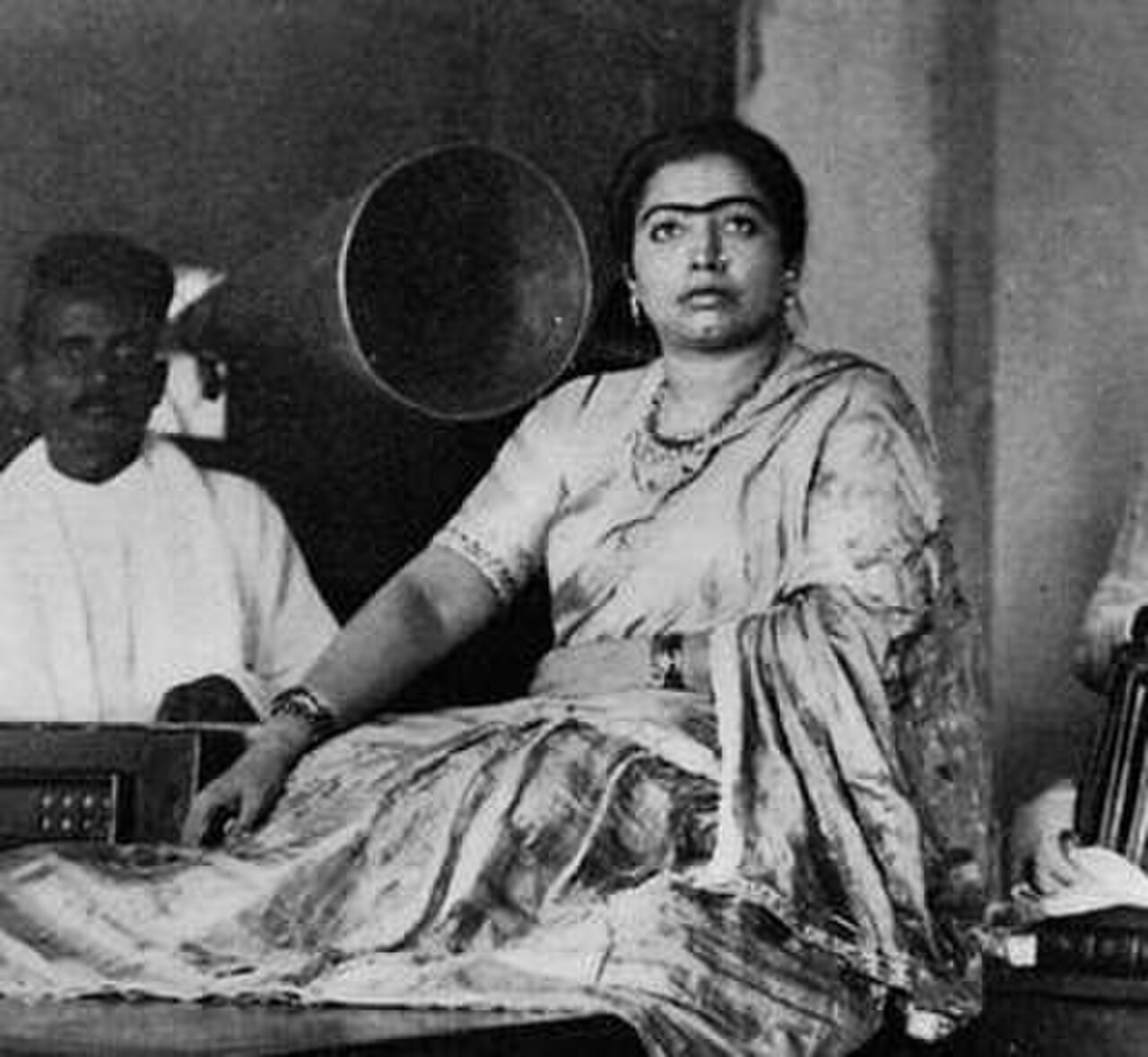
The Moment of Separationभारतीय विवाह में, विदाई — दुल्हन का अपने पिता के घर से अपने पति के घर में प्रस्थान — गहरी भावनात्मक जटिलता का एक क्षण है। यह एक समारोह है, फिर भी यह एक अलविदा है। दुल्हन एक नए जीवन, एक नए परिवार, नई खुशी की ओर बढ़ रही है — फिर भी वह अपने बचपन के घर, अपने माता-पिता, अपने भाई-बहनों, उस दुनिया को पीछे छोड़ रही है जिसने उसे जो कुछ बनाया है। सदियों से, यह विरोधाभास भारतीय कविता और संगीत का जुनून रहा है। कवियों ने इसे त्रासदी के रूप में लिखा है, अन्यों ने आनंदपूर्ण संक्रमण के रूप में। संगीतकारों ने इसे अपनी कला का केंद्रीय विषय बनाया है। 1903 में शुरुआती ग्रामोफ़ोन रिकॉर्डिंग के समय तक, विदाई विषय ठुमरी का एक महत्वपूर्ण अंग बन गया था। गौहर जान ने दुल्हन की विदाई के बारे में कई गीतों की रिकॉर्डिंग की। जानकी बाई ने इस विषय को अपनी विशेषज्ञता बनाया, और उनके प्रस्तुतियाँ भावनात्मक विनाश के लिए किंवदंती बन गईं। विदाई गीत प्रेम गीत नहीं थे — वे पारिवारिक बंधनों के टूटने के बारे में गीत थे, घर छोड़ने के लिए आवश्यक साहस के बारे में, आनंद और दुःख के मिश्रण के विरोधाभास के बारे में।
अंग्रेज़ी में पढ़ें · Read in English
In Indian weddings, the bidaai — the bride's departure from her father's house to her husband's household — is a moment of profound emotional complexity. It is a celebration, yet it is a farewell. The bride is moving toward a new life, a new family, new happiness — yet she is also leaving behind her childhood home, her parents, her siblings, the world that made her who she is. For centuries, this contradiction has been the obsession of Indian poetry and music. Poets have written about it as tragedy, others as joyful transition. Musicians have made it the central subject of their art.
By the time of early gramophone recordings in 1903, the bidaai theme had become a staple of thumri. Gauhar Jaan recorded multiple versions of songs about the bride's farewell. Janki Bai made the theme her specialization, and her renditions became legendary for the emotional devastation they caused. The bidaai songs were not love songs — they were songs about the rupture of familial bonds, about the courage required to leave home, about the paradox of joy mixed with sorrow.
आद्यांश गीत: काहे को ब्याही बिदेस
The Archetypal Song: Kahe Ko Byahi Bidesसबसे प्रसिद्ध विदाई ठुमरी — और जो 20वीं सदी के भारतीय सिनेमा के माध्यम से गूँजेगी — 'काहे को ब्याही बिदेस?' (मुझे विदेश भेज कर क्यों विवाह किया गया?) है। गीत दर्जनों संस्करणों में मौजूद है, विभिन्न कवियों को जिम्मेदार ठहराया गया है और विभिन्न कलाकारों द्वारा गाया गया है, लेकिन बुनियादी गीत सुसंगत रहे: एक दुल्हन अलगता की अन्याय पर सवाल उठाती है, अपने पिता के घर के नुकसान का विलाप करती है, उस अज्ञात घर के बारे में चिंता व्यक्त करती है जहाँ उसे जाना है। गीत की शक्ति इसकी सरलता में निहित है। यह एक ही, विनाशकारी सवाल पूछता है: 'क्यों?' मेरे लिए क्यों? अभी क्यों? मुझे क्यों जाना होगा? सवाल का कभी जवाब नहीं दिया जाता — यह हवा में एक अनुत्तरित दार्शनिक समस्या की तरह लटकता है। ठुमरी गायक का काम उस एक सवाल के हर संभावित भावनात्मक सूक्ष्मता को खोजना है। जानकी बाई के संस्करण में, 'क्यों' एक विलाप बन जाता है। गौहर जान के संस्करण में, यह सहज स्वीकृति का कथन बन जाता है। बाद के बॉलीवुड संस्करणों में — लता मंगेशकर, आशा पारेख और अन्यों द्वारा प्रदर्शित — गीत सिनेमाई भावना का आद्यांश क्षण बन जाता है, वह दृश्य जहाँ दर्शकों से रोने की अपेक्षा की जाती है।
अंग्रेज़ी में पढ़ें · Read in English
The most famous bidaai thumri — and the one that would echo through 20th-century Indian cinema — is 'Kahe Ko Byahi Bides?' (Why was I married away to a foreign land?). The song exists in dozens of versions, attributed to different poets and sung by different artists, but the basic lyrics remained consistent: a bride questioning the injustice of separation, mourning the loss of her father's house, expressing anxiety about the unknown household into which she must go.
The power of the song lies in its simplicity. It asks a single, devastating question: 'Why?' Why me? Why now? Why must I leave? The question is never answered — it hangs in the air like an unanswerable philosophical problem. The thumri singer's job is to explore every possible emotional nuance of that single question. In Janki Bai's version, the 'why' becomes a wail. In Gauhar Jaan's version, it becomes a statement of resigned acceptance. In later Bollywood versions — performed by Lata Mangeshkar, Asha Parekh, and others — the song would become the archetypal moment of cinematic emotion, the scene where the audience is expected to cry.
ठुमरी से बॉलीवुड तक
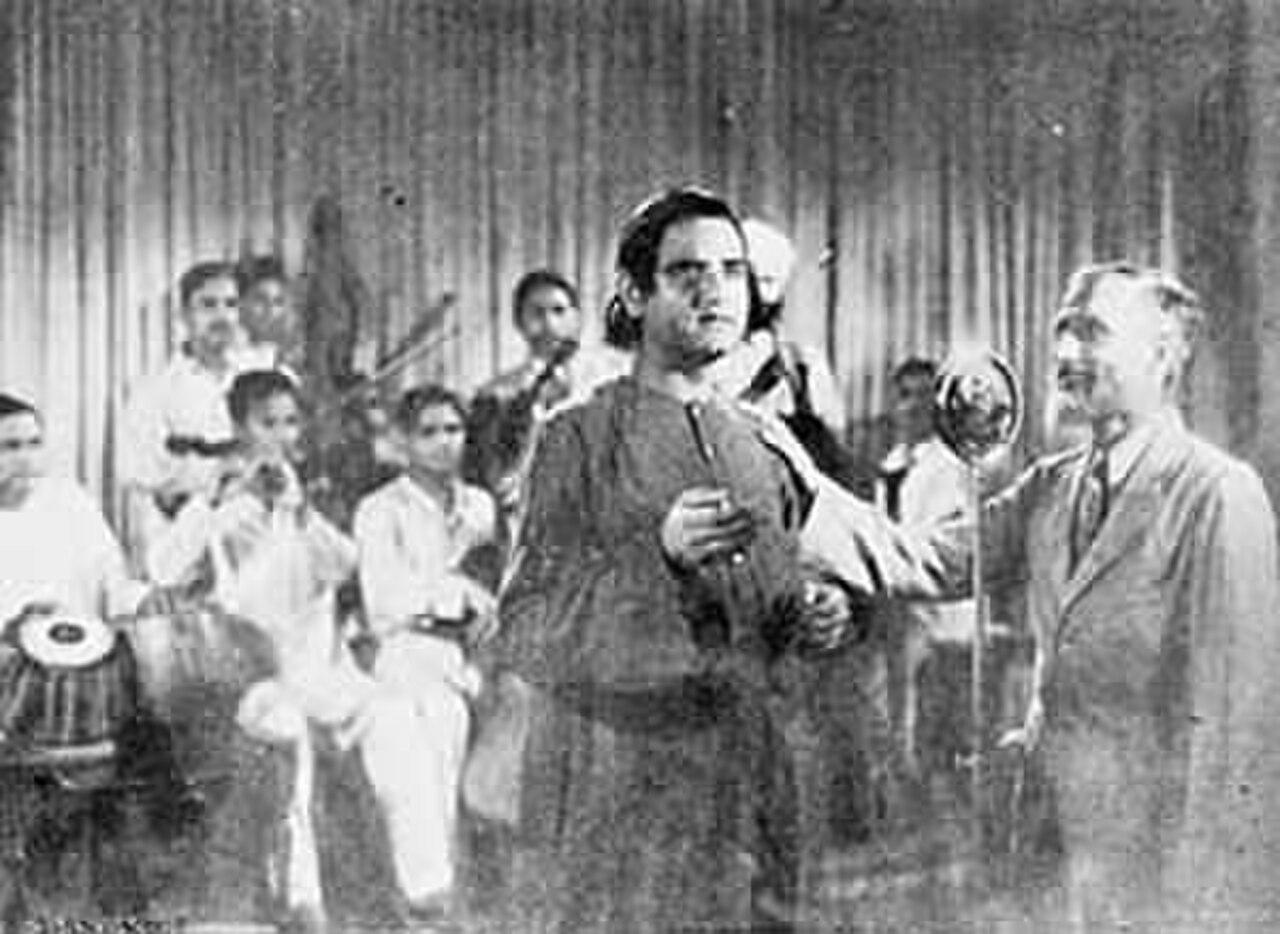
From Thumri to Bollywoodजब 1910 के दशक में भारतीय सिनेमा पैदा हुआ, तो उसने ठुमरी की पूरी भावनात्मक शब्दावली को विरासत में पाया। पहली भारतीय फ़िल्में — मूक फ़िल्में, क्योंकि ध्वनि 1931 तक नहीं आती — ठुमरी-प्रशिक्षित गायकों का उपयोग करती थीं जो सेट पर गीत गाती थीं। जब आवाज़ आई, तो बॉलीवुड के संगीत निर्देशकों ने तुरंत ठुमरी विषयों को सिनेमा के लिए अनुकूलित करना शुरू किया। नायिका-भेद प्रणाली सिनेमाई भावना के लिए एक टेम्पलेट बन गई। अलगता, लालसा, भक्ति, और विश्वासघात के बारे में गीत — ठुमरी के मुख्य विषय — हिंदी फ़िल्म संगीत के मुख्य भाग बन गए। विशेष रूप से विदाई विषय एक बॉलीवुड प्रमाण बन जाएगा। 1930 के दशक से शुरू करके, लगभग हर बड़ी फ़िल्म जो विवाह से संबंधित थी, एक विदाई गीत शामिल होगी। इन गीतों ने ठुमरी परंपरा की अस्पष्ट भावना की समझ को विरासत में पाया — एक साथ समारोह और विलाप, जीवन संक्रमण की जटिलता। जब लता मंगेशकर ने 1950 और 1960 के दशक में अपने किंवदंती विदाई गीतों को रिकॉर्ड किया, तो रूप लखनऊ के कोठे से, ग्रामोफ़ोन रिकॉर्डिंग स्टूडियो से, सिनेमा उद्योग के माइक्रोफ़ोन तक यात्रा कर चुका था। फिर भी जानकी बाई और गौहर जान की भावनात्मक सच्चाई जो शुरू की गई थी, वह बरकरार रही।
अंग्रेज़ी में पढ़ें · Read in English
When Indian cinema was born in the 1910s, it inherited the entire emotional vocabulary of thumri. The first Indian films — silent films, since sound would not come until 1931 — used thumri-trained singers to perform songs on sets. When sound arrived, Bollywood's music directors immediately began adapting thumri themes for cinema. The nayika-bheda system became a template for cinematic emotion. Songs about separation, longing, devotion, and betrayal — the core subjects of thumri — became the core of Hindi film music.
The bidaai theme, in particular, would become a Bollywood staple. From the 1930s onward, almost every major film that dealt with marriage would include a bidaai song. These songs inherited the thumri tradition's understanding of ambivalent emotion — the simultaneous celebration and mourning, the complexity of life transitions. By the time Lata Mangeshkar recorded her legendary bidaai songs in the 1950s and 1960s, the form had traveled from the kotha of Lucknow, through the gramophone recording studio, to the microphone of the cinema industry. Yet the emotional truth that Janki Bai and Gauhar Jaan had pioneered remained intact.
दुःख और आनंद का विरोधाभास
The Paradox of Sorrow and Joyविदाई गीत को अद्वितीय रूप से शक्तिशाली बनाता है कि यह भावनात्मक सरलता से इनकार करता है। एक विवाह को अधिकांश संस्कृतियों में विशुद्ध रूप से आनंददायक के रूप में प्रस्तुत किया जाता है। लेकिन भारतीय संगीत परंपरा — कम से कम जैसा कि यह ठुमरी में संहिताबद्ध था — समझती है कि जीवन के महत्वपूर्ण संक्रमण जटिल, अक्सर विरोधाभासी भावनाओं को वहन करते हैं। दुल्हन खुश और दुःखी है। वह मनाती है और विलाप करती है। वह आगे बढ़ रही है और पीछे देख रही है। विदाई गीत इस विरोधाभास को आवाज़ देता है। यह भावनात्मक वास्तविकवाद, 1880 के दशक की लखनऊ के कोठे में पैदा हुई और 1903 में ग्रामोफ़ोन रिकॉर्डिंग के माध्यम से परिष्कृत, भारतीय सिनेमा की परिभाषित विशेषताओं में से एक बनेगी। हिंदी सिनेमा सरल खुशी या दुःख को दर्शाने के लिए नहीं, बल्कि अस्पष्ट भावनाओं की बनावट को कैप्चर करने के लिए जानी जाएगी — कड़वा-मीठा, दिल तोड़ने वाली खुशी, उदास समारोह। और इस संवेदनशीलता की जड़ में विदाई गीत है: एक महिला जो अपने स्वयं के जीवन के रूपांतरण के सामने 'क्यों?' पूछती है।
अंग्रेज़ी में पढ़ें · Read in English
What makes the bidaai song uniquely powerful is that it refuses emotional simplicity. A wedding is presented in most cultures as purely joyful. But the Indian musical tradition — at least as it was codified in thumri — understands that significant life transitions carry complex, often contradictory emotions. The bride is happy and sad. She is celebrating and mourning. She is moving forward and looking backward. The bidaai song gives voice to this paradox.
This emotional realism, born in the kotha of 1880s Lucknow and refined through gramophone recordings in 1903, would become one of the defining characteristics of Indian cinema. Hindi cinema would be known not for depicting simplistic happiness or sadness, but for capturing the texture of ambivalent emotions — the bittersweet, the heartbreaking joy, the melancholic celebration. And at the root of this sensibility lies the bidaai song: a woman asking 'why?' in the face of her own life's transformation.
परिचय
IdentityEpithet
भारतीय संगीत में विदाई (दुल्हन की विदाई) विषय — ठुमरी से बॉलीवुड तक। कैसे 1903 की ठुमरियों ने बॉलीवुड के सबसे दर्दनाक दृश्यों की नींव रखी।
The bidaai (bride's farewell) theme in Indian music — from thumri to Bollywood. How 1903 thumris laid the foundation for Bollywood's most tearful scenes.
कहानी-नमूना
The Story Specimen| शीर्षक | काहे को ब्याही बिदेस: वह विदाई गीत जो भारत को रुलाते हैं · Kahe Ko Byahi Bides: The Bidaai Songs That Make India Cry |
|---|---|
| श्रेणी | संस्कृति |
| प्रकार | विशेष लेख |
| पाठ-समय | ७ मिनट का पाठ |
| प्रकाशित | 31 March 2026 — admin |
| टैग | 1903 · bidaai · bride_farewell · thumri · wedding_music · cultural_emotion · bollywood |
इस कहानी में
In This Story · The Cast & Its Platesकहानी में आए नामों के अटलस में अपने पन्ने हैं — यहीं से यात्रा जारी रखिए।
विधाएँ-सूत्र · Vidhas
और कहानियाँ
More Stories from the Atlas

साझा कीजिए · Share this Plate