गीत विंग · गीत-पट्टिका · Song Plate
काहे को ब्याही बिदेस — पीलू ठुमरी
Kahe Ko Byahi Bides — Pilu Thumri
हर भारतीय दुल्हन की सार्वभौमिक पुकार — काहे को ब्याही बिदेस, जहाँ कोई मुझे नहीं जानता?
भावHeartbroken · उदास · पुरानी यादें
भाषाAwadhi · Bhojpuri
श्रेय
The Creditsशब्दकोश
Word Meaningsसूत्र-वाक्य · The Hook
सूत्र-वाक्य
हर भारतीय दुल्हन की सार्वभौमिक पुकार — काहे को ब्याही बिदेस, जहाँ कोई मुझे नहीं जानता?
In EnglishThe universal cry of every Indian bride — why did you marry me off to a land where no one knows me?
पट्टिका-लेख
The Monographपरिचय Overview
“काहे को ब्याही बिदेस — पीलू ठुमरी” फ़िल्म Gramophone Company — First Indian Recordings (1903) का हिंदी गीत है। इसमें जानकी बाई इलाहाबाद की आवाज़ है, संगीत जानकी बाई इलाहाबाद का है, और बोल पारंपरिक बिदाई रचना ने लिखे हैं। यह राग Pilu पर आधारित है, Deepchandi ताल में निबद्ध, Hindustani Classical शैली का गीत। इसका प्रमुख भाव Melancholic है, अवधि 03:10 है, और यह Gramophone Concert Record लेबल से जारी हुआ।
अंग्रेज़ी में पढ़ें · Read in English
“Kahe Ko Byahi Bides — Pilu Thumri” is a Hindi film song from Gramophone Company — First Indian Recordings (1903). The voice belongs to Janki Bai of Allahabad, composed by Janki Bai of Allahabad, with lyrics penned by Traditional Bidaai Composition. Musically it set in Raag Pilu, to the Deepchandi taal, in the Hindustani Classical idiom. Its prevailing mood is melancholic, the recording runs 03:10, released on the gramophone concert record label.
संगीत The Music
राग पीलू एक 'मिश्र' राग है जो कई स्वर-सरणियों से स्वतंत्र रूप से उधार लेता है, जो इसे असाधारण भावनात्मक लचीलापन देता है।
अंग्रेज़ी में पढ़ें · Read in English
Raag Pilu is a 'mishra' (mixed) raga that borrows notes freely from multiple scales, giving it extraordinary emotional flexibility. In the hands of a master thumri singer, Pilu can shift from tender sorrow to passionate protest within a single phrase.
काव्य The Poetry
बिदाई विषय भारतीय संस्कृति की सबसे गहरी नस को छूता है — वह क्षण जब बेटी अपने माता-पिता का घर हमेशा के लिए छोड़ती है।
अंग्रेज़ी में पढ़ें · Read in English
The bidaai theme touches the deepest nerve in Indian culture — the moment a daughter leaves her parents' home forever. This isn't merely romantic separation; it's the severing of the most fundamental familial bond. The address 'kahe ko' is directed at the parents, carrying both love and reproach.
कहानी The Story
जानकी बाई इलाहाबाद (1880-1934) शुरुआती 1900 के दशक की सबसे प्रसिद्ध कलाकारों में थीं। उन्होंने 1911 के दिल्ली दरबार में गौहर जान के साथ प्रदर्शन किया।
अंग्रेज़ी में पढ़ें · Read in English
Janki Bai of Allahabad (1880-1934) was one of the most celebrated courtesans and musicians of the early 1900s. She performed at the Delhi Durbar of 1911 for King George V alongside Gauhar Jaan. Her nickname 'Chappan Chhuri' testified to her ability to wound listeners' hearts with her emotional intensity.
विरासत The Legacy
यह बिदाई विषय हिंदी सिनेमा में अनगिनत बार अमर हुआ है — बाबुल, हम आपके हैं कौन, और दिलवाले दुल्हनिया ले जाएंगे में।
अंग्रेज़ी में पढ़ें · Read in English
This bidaai theme has been immortalized countless times in Hindi cinema — most famously in Babul (1950), Hum Aapke Hain Koun (1994), and Dilwale Dulhania Le Jayenge (1995). The original thumri format, as performed by Janki Bai, represents the raw source of a theme that Bollywood would mine for a century.
ऐतिहासिक महत्व Historical Significance
जानकी बाई इलाहाबाद की सबसे प्रारंभिक रिकॉर्डिंग में से एक, जो अपनी पीढ़ी की सर्वश्रेष्ठ आवाज़ों में मानी जाती थीं।
अंग्रेज़ी में पढ़ें · Read in English
One of the earliest recordings by Janki Bai of Allahabad, documenting a voice that was considered among the finest of her generation. Also preserves the bidaai thumri sub-genre.
वर्गीकरण
ClassificationGenre
अन्य विवरण
More Details- Archive of Indian Music
- Bajakhana - Early Sound Recordings
- Google Arts & Culture - Pioneering Musicians
- The Print - Janki Bai, singer disfigured by 56 stab wounds
- Scroll.in - Why Jankibai of Allahabad was always associated with 56
- Baithak Foundation - Jankibai of Allahabad
References
रोचक तथ्य
Margin Notesजानकी बाई को 'छप्पन छुरी' उपनाम मिला था — भावनाओं से श्रोताओं के हृदय को छेदने की उनकी क्षमता का प्रमाण।
अंग्रेज़ी में पढ़ें · Read in English
Janki Bai was nicknamed 'Chappan Chhuri' (56 knives) for her ability to pierce listeners' hearts with emotion — a testament to her extraordinary vocal expressiveness.
जानकी बाई और गौहर जान दोनों ने 1911 के दिल्ली दरबार में किंग जॉर्ज पंचम के लिए प्रदर्शन किया — शुरुआती 20वीं सदी की दो महानतम संगीतकार एक ही मंच पर।
अंग्रेज़ी में पढ़ें · Read in English
Janki Bai and Gauhar Jaan both performed at the Delhi Durbar of 1911 for King George V — the two greatest female musicians of early 20th century India on the same stage.
बिदाई की रस्म आज भी भारतीय विवाहों के सबसे भावनात्मक क्षणों में से एक है।
अंग्रेज़ी में पढ़ें · Read in English
The bidaai ceremony remains one of the most emotional moments in Indian weddings even today — and this thumri captures its essence perfectly.
राग पीलू उन कुछ रागों में से एक है जो एक ही रचना में एक ही स्वर के कोमल और तीव्र दोनों रूपों का प्रयोग करता है।
अंग्रेज़ी में पढ़ें · Read in English
Raag Pilu is one of the few ragas that use both komal and tivra versions of the same note within a single composition.
नमूना-पट्टी
The Specimen Table| शीर्षक | काहे को ब्याही बिदेस — पीलू ठुमरी · Kahe Ko Byahi Bides — Pilu Thumri |
|---|---|
| वर्ष · युग | 1903 — Gramophone Era |
| गायक | Janki Bai of Allahabad |
| गीतकार | पारंपरिक बिदाई रचना |
| संगीतकार | Janki Bai of Allahabad |
| राग | Pilu |
| ताल | {"name":"Deepchandi (14 beats) or Dadra (6 beats)","taal_id":"taal-deepchandi","beats":14,"notes":"Bidaai thumris often use slower, more expansive taals like Deepchandi."} |
| अवधि | 03:10 |
| भाषा | Awadhi · Bhojpuri |
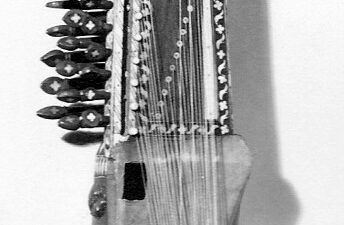
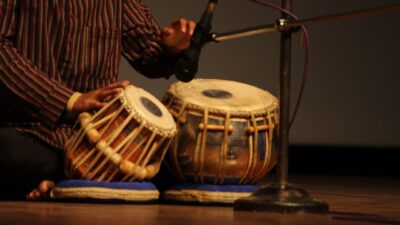
| वाद्य | Vocals · sarangi · tabla · tanpura |
| भाव | Heartbroken · उदास · पुरानी यादें |
| लेबल | Gramophone Concert Record |
| बोल-स्थिति | सार्वजनिक |
जुड़े हुए पन्ने
Connected Plates · The Graph Made Visibleअटलस में कोई पन्ना अकेला नहीं — इस गीत से जुड़े गीत, कलाकार, फ़िल्म, राग-ताल-विधा, सब यहाँ से खुलते हैं।
मिलते-जुलते गीत · Related Songs
कलाकार · The Artists
शास्त्र-सूत्र · Shastra Threads
युग · The Era
साझा कीजिए · Share this Plate