कलाकार विंग · कलाकार-पट्टिका · Artist Plate
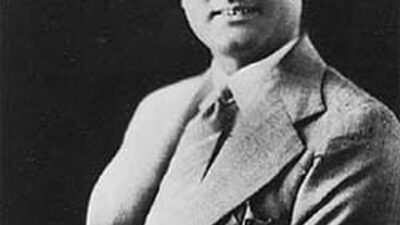
आग़ा हसन अमानत
Agha Hasan Amanat
निधन1859
जीवन-पट्टी
The Life Specimen| नाम | आग़ा हसन अमानत · Agha Hasan Amanat |
|---|---|
| निधन | 1859 |
| भूमिकाएँ | गीतकार · Playwright |
| विधाएँ | Urdu Opera · Theatre · Poetry |
| भाषाएँ | Urdu |
पट्टिका-लेख
The Monographजीवनी Biography
आग़ा हसन अमानत (अमानत लखनवी, 1816-1859) एक उर्दू कवि, नाटककार और 'इंदर सभा' (भगवान इंद्र का दरबार) के रचयिता थे — जो पहला उर्दू संगीतमय नाटक (ऑपेरा) और दक्षिण एशियाई प्रदर्शन कलाओं के इतिहास में सबसे प्रभावशाली कार्यों में से एक है। लखनऊ में अवध के नवाबों के शासनकाल में जन्मे, अमानत को नवाब वाजिद अली शाह का संरक्षण प्राप्त था। अमानत ने 1853 में इंदर सभा लिखी, कथित तौर पर वाजिद अली शाह के अनुरोध पर। यह नाटक उर्दू कविता, हिंदुस्तानी संगीत और कथक नृत्य को एक संपूर्ण नाट्य अनुभव में मिलाता है। इंदर सभा को आधुनिक हिंदी सिनेमा का प्रत्यक्ष पूर्ववर्ती माना जाता है — नाटकीय कथा में गीतों को एकीकृत करने की परंपरा जो बॉलीवुड को परिभाषित करती है, उसकी जड़ें इंदर सभा में खोजी जा सकती हैं।
अंग्रेज़ी में पढ़ें · Read in English
Agha Hasan Amanat (also known as Amanat Lucknavi, 1816–1859) was an Urdu poet, dramatist, and the creator of 'Inder Sabha' (The Court of Lord Indra), the first Urdu musical drama (opera) and one of the most influential works in the history of South Asian performing arts.
Born in Lucknow during the reign of the Awadh Nawabs, Amanat was immersed in the extraordinarily rich cultural milieu of the Lucknow court. He received patronage from Nawab Wajid Ali Shah, who was himself a great patron of arts, dance (Kathak), and music. Wajid Ali Shah's court at Lucknow was one of the most culturally vibrant in all of India.
Amanat wrote Inder Sabha in 1853, reportedly at the request of Wajid Ali Shah himself. The play tells the story of Lord Indra's heavenly court, featuring celestial nymphs (apsaras), fairies (paris), and divine beings in a plot involving love, jealousy, and heavenly intrigue. The work blended Urdu poetry (ghazals, nazms) with Hindustani music (thumri, dadra, khayal) and Kathak dance into a total theatrical experience.
Inder Sabha was a sensation. It was performed thousands of times across North India, translated into multiple languages including Hindi, Gujarati, and Bengali, and adapted by travelling Parsi theatre companies who spread it throughout the subcontinent and even to Southeast Asia. It is considered a direct precursor to modern Hindi cinema — the tradition of songs integrated into dramatic narrative that defines Bollywood can be traced back to Inder Sabha.
Amanat died young in 1859, possibly in the aftermath of the Indian Rebellion of 1857 and the British annexation of Awadh. But his masterwork lived on — when gramophone recordings began in 1902, selections from Inder Sabha were among the first pieces recorded, testament to the play's enduring popularity half a century after its creation.
The 1902 gramophone recording of Inder Sabha selections by the Gramophone Company represents one of the earliest attempts to capture Indian theatrical music on record.
विरासत Legacy
आग़ा हसन अमानत (1815–1858) ने 'इंदर सभा' रची — लखनऊ का वह पद्य-नाटक जिसके गीत भारतीय लोकप्रिय संगीत की बीज-पूँजी बने: मंच पर अनगिनत बार खेला गया, 1902 से रिकॉर्ड होता रहा, और स्वयं हिंदी फ़िल्म-संगीत-नाटक का पूर्वज है। परियों, राजाओं और गीतों वाली हर फ़िल्मी फंतासी उनकी क़लम की ऋणी है।
अंग्रेज़ी में पढ़ें · Read in English
Agha Hasan Amanat (1815–1858) wrote Inder Sabha, the Lucknow verse-play whose songs became the seed-stock of Indian popular music: staged endlessly, recorded from 1902 onward, and ancestral to the Hindi film musical itself. Every filmi fantasy with fairies, kings and songs owes a debt to his pen.
गायन-शैली Musical Style
लखनवी दरबारी रंग के नाटककार-कवि: अमानत की देन थी गाने लायक़ उर्दू — मंच के लिए लिखी ग़ज़लें, ठुमरियाँ और कोरस, जिनकी धुनें तवों से बहुत पहले रंगमंच के रास्ते घर-घर पहुँचीं।
अंग्रेज़ी में पढ़ें · Read in English
A playwright-poet of the Lucknow court idiom: Amanat's gift was singable Urdu — ghazals, thumris and chorus pieces written to be performed, their melodies travelling by stage long before disc.
सांस्कृतिक प्रभाव Cultural Impact
आग़ा हसन अमानत की इंदर सभा भारतीय सिनेमा की वंशावली में यकीनन सबसे प्रभावशाली कृति है। उन्होंने जो प्रारूप स्थापित किया — नाटकीय कथा में गीत, नृत्य और भव्यता — वह पारसी थियेटर और फिर हिंदी सिनेमा का आधार बना।
अंग्रेज़ी में पढ़ें · Read in English
Agha Hasan Amanat's Inder Sabha is arguably the single most influential work in the genealogy of Indian cinema. The format he established — songs integrated into dramatic narrative, performed with dance and spectacle — became the template for Parsi theatre, which in turn became the template for Hindi cinema. Every Bollywood film that features songs woven into its story owes a debt to Amanat's 1853 creation. Beyond cinema, Inder Sabha influenced the development of Urdu theatre, Nautanki folk drama, and the tradition of musical plays that continues in Indian culture today.
तालीम, विधाएँ और भाषाएँ
Training · Genres · Languagesतालीम · Training
लखनऊ दरबारी काव्य-परंपरा (वाजिद अली शाह युग)
विधाएँ · Genres
भाषाएँ · Languages Sung
जीवन-रेखा
Career Highlights- मील-पत्थर इंदर सभा (1853) के रचयिता — पहला पूर्ण उर्दू मंचीय नाटक Author of Inder Sabha (1853) — first complete Urdu stage play
- मील-पत्थर लखनऊ के नवाब वाजिद अली शाह के दरबारी Courtier in darbar of Nawab Wajid Ali Shah of Lucknow
- मील-पत्थर लखनऊ में बसे ईरानी प्रवासी परिवार में जन्मे Born into a family of Iranian immigrants settled in Lucknow
पुरस्कार एवं सम्मान
Awards & Recognition- 1853 भारतीय सिनेमा के अग्रदूत Precursor to Indian Cinema इंदर सभा को भारतीय सिनेमा में गीत-नृत्य परंपरा का मूल स्रोत माना जाता है
- सम्मान सिनेमा-पूर्व काल की सबसे अधिक प्रदर्शित कृति Most Performed Pre-Cinema Work 19वीं सदी में भारत, दक्षिण-पूर्व एशिया और पूर्वी अफ़्रीका में 5,000+ प्रलेखित प्रदर्शन
अन्य विवरण
More Details- Death Year
- 1859
Legacy
आग़ा हसन अमानत (1815–1858) ने 'इंदर सभा' रची — लखनऊ का वह पद्य-नाटक जिसके गीत भारतीय लोकप्रिय संगीत की बीज-पूँजी बने: मंच पर अनगिनत बार खेला गया, 1902 से रिकॉर्ड होता रहा, और स्वयं हिंदी फ़िल्म-संगीत-नाटक का पूर्वज है। परियों, राजाओं और गीतों वाली हर फ़िल्मी फंतासी उनकी क़लम की ऋणी है।
Agha Hasan Amanat (1815–1858) wrote Inder Sabha, the Lucknow verse-play whose songs became the seed-stock of Indian popular music: staged endlessly, recorded from 1902 onward, and ancestral to the Hindi film musical itself. Every filmi fantasy with fairies, kings and songs owes a debt to his pen.
Musical Style
लखनवी दरबारी रंग के नाटककार-कवि: अमानत की देन थी गाने लायक़ उर्दू — मंच के लिए लिखी ग़ज़लें, ठुमरियाँ और कोरस, जिनकी धुनें तवों से बहुत पहले रंगमंच के रास्ते घर-घर पहुँचीं।
A playwright-poet of the Lucknow court idiom: Amanat's gift was singable Urdu — ghazals, thumris and chorus pieces written to be performed, their melodies travelling by stage long before disc.
अभिलेख-सार
Discography Summary| संग्रह में गीत | 15 — नीचे जुड़े हुए पन्नों में सूचीबद्ध |
|---|---|
| कुल ज्ञात रिकॉर्डिंग | N/A (playwright, not recording artist) |
अभिलेख व संदर्भ
Archives & References| संदर्भ | Inder Sabha and the Origins of Indian Cinema · Wikipedia — Inder Sabha · Wikipedia — Agha Hasan Amanat · Lucknow: City of Illusion — Rosie Llewellyn-Jones (2006) |
|---|
जुड़े हुए पन्ने
Connected Plates · The Graph Made Visibleअटलस में कोई पन्ना अकेला नहीं — आग़ा हसन अमानत से उनके गीत, फ़िल्में, घराना, समकालीन और युग, सब यहाँ से खुलते हैं।
हस्ताक्षर-गीत · Signature Songs
फ़िल्में · The Films
साझा कीजिए · Share this Plate
यह पन्ना आगे बढ़ाइए
जुड़ी हुई दुनिया
Explore ConnectionsSongs Written · लिखे गीत (16)
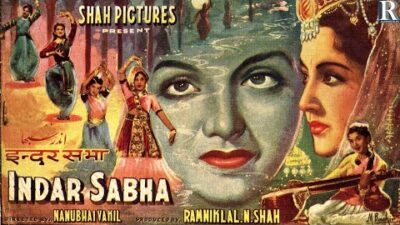
चमन को यूँ मेरे साक़ी ने मयख़ाना बना डाला
Chaman Ko Yun Mere Saki Ne Maikana Bana Diya
दिल दे दिया है उनको देखें वो क्या करेंगे
Dil De Diya Hai Unko Dekhen Wo Kya Karenge
समूह · Indra Sabha
कब से खड़ी हूँ तेरे द्वार, बुला ले मोहे बालम रे
Kab Se Khadi Hun Terey Dwar Bula Le Mohe Baalam Rey