गीत विंग · गीत-पट्टिका · Song Plate
तुम हम को भुला बैठे हो
Tum Humko Bhula Baithe Ho
'तुमने मुझे छोड़ दिया' नहीं, बल्कि 'तुम मुझे भुला बैठे हो' — नूर जहाँ का वह एकल गीत जो रखे जाने और छोड़ दिए जाने के बीच के फ़ासले पर टिका है।
भावमीठा-कड़वा · उदास · पुरानी यादें
भाषाurdu-hindi गतिधीमी स्वरूपएकल महिला
श्रेय
The Creditsसूत्र-वाक्य · The Hook
सूत्र-वाक्य
'तुमने मुझे छोड़ दिया' नहीं, बल्कि 'तुम मुझे भुला बैठे हो' — नूर जहाँ का वह एकल गीत जो रखे जाने और छोड़ दिए जाने के बीच के फ़ासले पर टिका है।
In EnglishNot 'you have left me' but 'you have come to sit inside forgetting me' — a Noor Jehan solo about being put down and stayed away from.
पट्टिका-लेख
The Monographपरिचय Overview
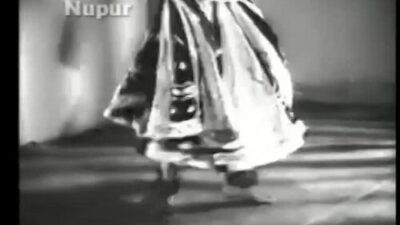
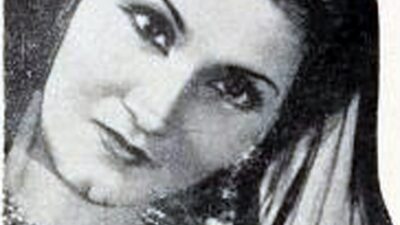
'बड़ी माँ' (1945) में नूर जहाँ के चार एकल गीतों में तीसरा, ज़िया सरहदी का लिखा और के. दत्त का रचा हुआ। हिंदीगीतमाला पर इसका देवनागरी शीर्षक दोहराव के साथ दर्ज है — 'तुम हम को भुला बैठे हो, हम को भुला बैठे हो' — और यही गीत की बनावट है: एक ही उलाहना, पलटकर फिर कहा गया, ठीक उसी तरह जैसे कोई उस व्यक्ति को उलाहना देता है जिससे प्रेम करना उसने बंद नहीं किया।
अंग्रेज़ी में पढ़ें · Read in English
The third of Noor Jehan's four solos in Badi Maa (1945), written by Zia Sarhadi and composed by K. Datta. Hindigeetmala records the Devanagari heading with the phrase repeated — 'तुम हम को भुला बैठे हो, हम को भुला बैठे हो' — which is the shape of the song: one accusation turned over and said again, in the way a person actually reproaches someone they have not stopped loving.
संगीत The Music
'बड़ी माँ' का संगीत आवाज़ों के हिसाब से साफ़ बँटा है — नूर जहाँ के चार गीत उसका धीमा, वयस्क केंद्र बनाते हैं, बेबी अलका के तीन हल्का हिस्सा उठाते हैं, और लता मंगेशकर के गीत भक्ति और देशभक्ति का स्वर संभालते हैं। यह उन धीमे गीतों में से है। 1945 में बंबइया फ़िल्मी गीत को शेलैक तवे के एक ही पार्श्व में समाना पड़ता था और गायिका तथा वाद्यवृंद एक ही बार में साथ रिकॉर्ड होते थे — इसलिए दोहराव पर टिका बोल, जिसमें वही वाक्यांश लौट-लौटकर आता है, तीन मिनट भरने का एक व्यावहारिक तरीक़ा भी था। भजन और मराठी फ़िल्म-संगीत में पगे के. दत्त ने इस मितव्ययिता का इस एलबम में बार-बार इस्तेमाल किया।
अंग्रेज़ी में पढ़ें · Read in English
Badi Maa's score divides cleanly by voice, and Noor Jehan's four numbers form its slow, adult centre while Baby Alka's three carry the light material and Lata Mangeshkar's carry the devotional and patriotic register. This is one of the slow ones. A 1945 Bombay film song had to fit a single side of a shellac disc with singer and orchestra recorded together in one pass, so a lyric built on repetition — the same phrase returned to — was also a practical way of filling three minutes without new melodic material. K. Datta, trained in bhajan and Marathi film music, used that economy repeatedly across this album.
काव्य The Poetry
उर्दू-हिंदी की बनावट 'भुला बैठे हो' वह काम चुपचाप करती है जो किसी अनुवाद में नहीं बचता। किसी क्रिया के साथ जुड़ा 'बैठना' उस क्रिया को एक जमी हुई स्थिति में बदल देता है — जिसमें कोई उतरकर बैठ गया हो और उठने का कोई इरादा न रखता हो। इसलिए इल्ज़ाम छोड़ जाने का नाटकीय इल्ज़ाम नहीं है, बल्कि उससे धीमा और ज़्यादा चुभने वाला है: तुम मुझे भूलकर आराम से बैठ गए हो। ज़िया सरहदी, जिनकी पटकथाएँ रोमानी अलंकार से ज़्यादा सामाजिक निगाह पर टिकी थीं, यहाँ ऊँची फ़ारसी-निष्ठ ज़बान की जगह रोज़मर्रा की बोली चुनते हैं — और उलाहना इसी वजह से ज़्यादा गहरा लगता है।
अंग्रेज़ी में पढ़ें · Read in English
The Urdu-Hindi construction 'bhula baithe ho' is doing quiet work that no English rendering keeps. 'Baithna' — to sit — attached to a verb turns the action into a settled state someone has lowered themselves into and shows no sign of getting up from. So the charge is not the dramatic one of abandonment but the slower, more insulting one: you have made yourself comfortable in having forgotten me. Zia Sarhadi, whose screenplays were built on social observation rather than romantic flourish, chooses the idiom of ordinary speech over the high Persianate register available to him, and the reproach lands harder for it.
कहानी The Story
'बड़ी माँ' में नूर जहाँ हेमा हैं — साहूकार घनश्याम की बेटी और राजिंदर की बहन, जो चुपके से जापानियों के लिए काम कर रहा है। वे दिनेश से प्रेम करती हैं, जो ब्लिट्ज़ के दौरान लंदन में फँसा है, जबकि उनके ही परिवार की कर्ज़-वसूली दिनेश के पिता को तबाह कर रही है। फ़िल्म के प्रेमगीत उसी वियोग के हैं — दूर बैठा प्रेमी, ग़लत तरफ़ खड़ा परिवार, हमले की कगार पर खड़ा गाँव — इससे पहले कि आख़िरी हिस्सा दोनों को लड़ाकों में बदल दे। मास्टर विनायक ने यह फ़िल्म अपने बैनर प्रफुल्ल पिक्चर्स के लिए औपनिवेशिक सूचना विभाग के दबाव में बनाई, जो 1945 में बंबई के स्टूडियो को युद्ध-विषयों की ओर धकेल रहा था।
अंग्रेज़ी में पढ़ें · Read in English
In Badi Maa, Noor Jehan plays Hema, daughter of the moneylender Ghanshyam and sister of Rajinder, who is secretly working for the Japanese. She is in love with Dinesh, who is stranded in London through the Blitz while her family's debt-collecting ruins his father. The romantic songs belong to that separation — a lover far away, a family on the wrong side, a village about to be attacked — before the film's last act turns them both into combatants. Master Vinayak made the film for his own Prafulla Pictures banner under pressure from the colonial Information Department, which was pushing Bombay studios towards war subjects in 1945.
विरासत The Legacy
नूर जहाँ के चार 'बड़ी माँ' एकल गीतों में यह सबसे कम प्रचलित है — और ठीक इसीलिए उनके भारतीय दौर की सूची फिर से जोड़ने वालों के लिए उपयोगी है: उनका बंबई करियर 1947 में लगभग ख़त्म हो जाता है, इसलिए आम संकलनों पर 'ख़ानदान' (1942), 'ज़ीनत' (1945) और 'अनमोल घड़ी' (1946) के मशहूर गीत छाए रहते हैं, और इस जैसी मँझोली सामाजिक फ़िल्मों के रोज़मर्रा के गीत रिकॉर्ड से बाहर गिर जाते हैं। 'बड़ी माँ' का बचा हुआ सार्वजनिक-डोमेन प्रिंट उन्हें उस तरह वापस पाने लायक़ बनाता है जो उस दौर के लिए असामान्य है।
अंग्रेज़ी में पढ़ें · Read in English
This is the least circulated of Noor Jehan's four Badi Maa solos, which is exactly what makes it useful to anyone reconstructing her Indian discography: her Bombay career effectively ends in 1947, so the standard collections are dominated by the famous numbers from Khandaan (1942), Zeenat (1945) and Anmol Ghadi (1946), and the ordinary working songs from mid-tier social dramas like this one are what fall out of the record. The surviving public-domain print of Badi Maa makes them recoverable in a way that is unusual for the period.
वर्गीकरण
Classification- Tempo
- Slow
Genre
अन्य विवरण
More Details- https://en.wikipedia.org/wiki/Badi_Maa
- https://www.hindigeetmala.net/song/tum_ham_ko_bhula_baithe.htm
- https://www.hindigeetmala.net/movie/badi_maa_1945.htm
- https://en.wikipedia.org/wiki/Zia_Sarhadi
References
रोचक तथ्य
Margin Notesइस गीत के लेखक ज़िया सरहदी का जन्म 1914 में पेशावर में फ़ज़्ल-ए-क़ादिर सेठी के रूप में हुआ था और वे 1933 में बंबई आए; विभाजन के बाद वे कराची में बसे और 1997 में उनका निधन हुआ।
अंग्रेज़ी में पढ़ें · Read in English
Zia Sarhadi, who wrote this lyric, was born Fazl-e-Qadir Sethi in Peshawar in 1914 and moved to Bombay in 1933; after Partition he settled in Karachi, and he died in 1997.
'बड़ी माँ' के दस गीतों में से चार नूर जहाँ गाती हैं; बाक़ी छह लता मंगेशकर, बाल-गायिका बेबी अलका और मीनाक्षी के बीच बँटे हैं।
अंग्रेज़ी में पढ़ें · Read in English
Noor Jehan sings four of Badi Maa's ten songs; the remaining six are divided between Lata Mangeshkar, the child singer Baby Alka and Meenaxi.
नमूना-पट्टी
The Specimen Table| शीर्षक | तुम हम को भुला बैठे हो · Tum Humko Bhula Baithe Ho |
|---|---|
| फ़िल्म | बड़ी माँ · 1945 |
| वर्ष · युग | 1945 — Pre-Independence (1931-1947) |
| गायक | Noor Jehan |
| गीतकार | Zia Sarhadi |
| संगीतकार | के. दत्त (दत्ता कोरगांवकर) |
| स्वरूप | एकल महिला |
| गति | धीमी |
| भाषा | urdu-hindi |
| भाव | मीठा-कड़वा · उदास · पुरानी यादें |
| लोकप्रियता | Obscure |
| बोल-स्थिति | केवल झलक |
जुड़े हुए पन्ने
Connected Plates · The Graph Made Visibleअटलस में कोई पन्ना अकेला नहीं — इस गीत से जुड़े गीत, कलाकार, फ़िल्म, राग-ताल-विधा, सब यहाँ से खुलते हैं।
मिलते-जुलते गीत · Related Songs
कलाकार · The Artists
फ़िल्म · The Film
साझा कीजिए · Share this Plate