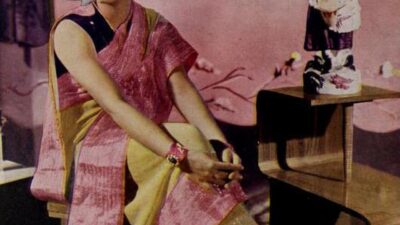
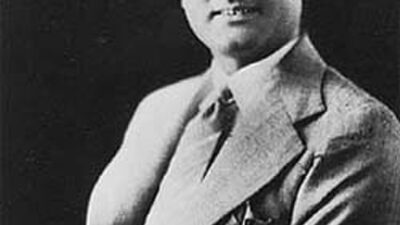
गीत विंग · गीत-पट्टिका · Song Plate
रुनक झुनक चपल चरण नाच
Runak Jhunak Chapal Charan Naach
एक नर्तकी पर बनी फ़िल्म का नृत्य-गीत — घुँघरू, तेज़ क़दम, और एक शीर्षक जो लगभग पूरा का पूरा ध्वनि है।
भावउत्सव · आनंदित · चुलबुला
भाषाhindi गतितेज़ स्वरूपएकल महिला
श्रेय
The Creditsसूत्र-वाक्य · The Hook
सूत्र-वाक्य
एक नर्तकी पर बनी फ़िल्म का नृत्य-गीत — घुँघरू, तेज़ क़दम, और एक शीर्षक जो लगभग पूरा का पूरा ध्वनि है।
In EnglishThe dance number of a film about a dancer — anklets, quick feet, and a title that is almost entirely sound.
पट्टिका-लेख
The Monographपरिचय Overview
परंपरागत वृत्तांतों में वैशाली की आम्रपाली नगरवधू जितनी ही राजनर्तकी भी थी, और यह इस संगीत-संकलन का नृत्य-गीत है। 'रुनक झुनक चपल चरण नाच' शुद्ध ध्वन्यात्मकता से खुलता है: 'रुनक-झुनक' घुँघरुओं की ध्वनि है, 'चपल चरण' तेज़, बेचैन पैर, और 'नाच' आदेश। गायिका के रूप में अमीरबाई कर्नाटकी का नाम दर्ज है।
अंग्रेज़ी में पढ़ें · Read in English
Amrapali of Vaishali was, in the traditional accounts, the rajnartaki — the court dancer — as much as she was the nagarvadhu, and this is the soundtrack's dance number. 'Runak Jhunak Chapal Charan Naach' opens with pure onomatopoeia: runak-jhunak is the sound of ghungroos, chapal charan the quick, restless feet, and naach the imperative to dance. Amirbai Karnataki is the credited singer.
संगीत The Music
तेज़, ताल-प्रधान रचना — इस पूरे संगीत में यही एक जगह है जहाँ सरस्वती देवी की ताल को साथ देने के बजाय आगे चलना पड़ता है। 1940 के दशक के मध्य की बंबई में इस क़िस्म के गीत तबले और ढोलक पर बनते थे, ऊपर एक दोहराती हुई सुरीली लय-आकृति के साथ, ताकि परदे की पदचाप और रिकॉर्ड की ताल को साथ जोड़ा जा सके। शीर्षक के आरंभिक अक्षर बोल जितने ही एक ताल-संकेत भी हैं।
अंग्रेज़ी में पढ़ें · Read in English
A fast, rhythm-led composition — the one place in this score where Saraswati Devi's percussion has to lead rather than support. Songs of this type in mid-1940s Bombay were built on tabla and dholak with a repeating tuned figure over the top, engineered so that the on-screen footwork and the recorded rhythm could be cut together. The title's opening syllables function as a rhythmic cue as much as a lyric.
काव्य The Poetry
कवि प्रदीप यहाँ कथन के बजाय लगभग शुद्ध ब्रज-रंगी ध्वनि में लिखते हैं: 'रुनक झुनक' अर्थ वाला शब्द कम, आकार वाली ध्वनि अधिक है, और 'चपल' संस्कृत तथा ब्रज की नृत्य-कविता में चरणों का शास्त्रीय विशेषण है। पंक्ति कुछ माँगती नहीं, कोई तर्क नहीं करती — वह बस उस ध्वनि का नाम लेती है जो दृश्य पैदा कर रहा है, और फ़िल्माए गए नृत्य को बोल से यही चाहिए।
अंग्रेज़ी में पढ़ें · Read in English
Kavi Pradeep writes here in almost pure Braj-flavoured sound rather than statement: runak jhunak is not a word with a meaning so much as a noise with a shape, and chapal ('nimble', 'restless') is a classical epithet for feet in Sanskrit and Braj dance poetry. The line asks nothing and argues nothing — it simply names the sound the scene is making, which is what a filmed dance needs from a lyric.
कहानी The Story
'आम्रपाली' (1945) का निर्देशन नंदलाल जसवंतलाल ने मुरली मूवीटोन के लिए किया और यह वैशाली की आम्रपाली की कथा पर आधारित है — लिच्छवि गणराज्य की प्रसिद्ध नगरवधू, जिसने परंपरागत वृत्तांत के अनुसार अपना पद त्यागकर आम्रवन और समस्त संपत्ति बुद्ध के संघ को दे दी। सबिता देवी, प्रेम अदीब, जीवन, अरुण, जगदीश सेठी, बद्री प्रसाद, गुलाब और संकठा प्रसाद इसके प्रलेखित कलाकार हैं। सरस्वती देवी ने इस फ़िल्म के लिए कवि प्रदीप के बोलों पर ग्यारह गीत रचे — बॉम्बे टॉकीज़ छोड़ने के बाद लिखे उनके गिने-चुने संगीत-संकलनों में से एक।
अंग्रेज़ी में पढ़ें · Read in English
Amrapali (1945) was directed by Nandlal Jaswantlal for Murli Movietone and drew on the legend of Amrapali of Vaishali, the celebrated nagarvadhu of the Licchavi republic who, in the traditional account, renounced her position and gave her mango grove and fortune to the Buddha's order. Sabita Devi, Prem Adib, Jeevan, Arun, Jagdish Sethi, Badri Prasad, Gulab and Sankatha Prasad are the documented cast. Saraswati Devi composed eleven songs for the picture to lyrics by Kavi Pradeep — one of the few soundtracks she wrote after leaving Bombay Talkies.
विरासत The Legacy
1940 के दशक के मध्य की कॉस्ट्यूम फ़िल्मों के नृत्य-गीत उस चक्र का वह हिस्सा हैं जिनके बचने की संभावना सबसे कम रहती है, क्योंकि वे उस दृश्य-क्रम पर निर्भर हैं जिसके लिए लिखे गए थे — और फ़िल्म प्रचलन में नहीं है। यह प्रविष्टि जो सुरक्षित रखती है वह संगीत का ढाँचा है: एक ऐसा स्कोर जिसे राजनर्तकी की दुनिया और संन्यासिनी की दुनिया — दोनों ढँकनी थीं, और यह पहली वाली है।
अंग्रेज़ी में पढ़ें · Read in English
The dance songs of the mid-1940s costume pictures are the part of that cycle least likely to survive, because they depend on the visual sequence they were written for — and the film is not in circulation. What the entry preserves is the shape of the soundtrack: a score that had to cover a court dancer's world and a renunciant's, and this is the former.
वर्गीकरण
Classification- Tempo
- Fast
Genre
अन्य विवरण
More Details- https://www.hindigeetmala.net/movie/amrapali.htm
- https://en.wikipedia.org/wiki/List_of_Hindi_films_of_1945
- https://en.wikipedia.org/wiki/Saraswati_Devi_(music_director)
- https://en.wikipedia.org/wiki/Kavi_Pradeep
- https://www.bollywoodmdb.com/movie/amrapali-13123/cast-crew
- https://en.wikipedia.org/wiki/Ambapali
References
रोचक तथ्य
Margin Notesफ़िल्म वैशाली की आम्रपाली की कथा को नाट्यरूप देती है — लिच्छवि गणराज्य की नगरवधू, जिसके बारे में कहा जाता है कि बुद्ध का उपदेश सुनने के बाद उसने अपना आम्रवन और समस्त संपत्ति संघ को दान कर दी।
अंग्रेज़ी में पढ़ें · Read in English
The film dramatises the legend of Amrapali of Vaishali — the nagarvadhu or 'bride of the city' of the Licchavi republic, said to have given away her mango grove and her entire fortune to the Buddha's order after hearing him preach.
सरस्वती देवी — जिनका जन्म-नाम ख़ुर्शीद मीनोचर-होमजी था, 1912 में एक पारसी परिवार में जन्मीं और विष्णु नारायण भातखंडे से हिंदुस्तानी शास्त्रीय संगीत की शिक्षा पाई — उन्हें प्रायः हिंदी सिनेमा की पहली महिला संगीत निर्देशक कहा जाता है, यद्यपि जद्दनबाई और बिब्बो भी उन्हीं वर्षों में संगीत रच रही थीं। 'आम्रपाली' उनके बॉम्बे टॉकीज़ के वर्षों के बाद के स्वतंत्र कामों में से एक है; बॉम्बे टॉकीज़ में उन्होंने 'अछूत कन्या' (1936) का ऐतिहासिक संगीत रचा था।
अंग्रेज़ी में पढ़ें · Read in English
Saraswati Devi — born Khorshed Minocher-Homji in 1912 to a Parsi family and trained in Hindustani classical music under Vishnu Narayan Bhatkhande — is usually named the first woman to work as a music director in Hindi cinema, though Jaddanbai and Bibbo were composing in the same years. Amrapali is one of her freelance assignments after her Bombay Talkies years, which had produced the landmark score for Achhut Kanya (1936).
नमूना-पट्टी
The Specimen Table| शीर्षक | रुनक झुनक चपल चरण नाच · Runak Jhunak Chapal Charan Naach |
|---|---|
| फ़िल्म | आम्रपाली · 1945 |
| वर्ष · युग | 1945 |
| गायक | Amirbai Karnataki |
| गीतकार | Kavi Pradeep |
| संगीतकार | Saraswati Devi |
| स्वरूप | एकल महिला |
| गति | तेज़ |
| भाषा | hindi |
| भाव | उत्सव · आनंदित · चुलबुला |
| लोकप्रियता | Obscure |
| बोल-स्थिति | केवल झलक |
जुड़े हुए पन्ने
Connected Plates · The Graph Made Visibleअटलस में कोई पन्ना अकेला नहीं — इस गीत से जुड़े गीत, कलाकार, फ़िल्म, राग-ताल-विधा, सब यहाँ से खुलते हैं।
मिलते-जुलते गीत · Related Songs
कलाकार · The Artists
फ़िल्म · The Film
साझा कीजिए · Share this Plate