गीत विंग · गीत-पट्टिका · Song Plate
रोए हम चरणों पे भगवान
Roye Hum Charnon Pe Bhagwan
न स्तुति, न याचना — भगवान के चरणों में रोने का गीत, जो भक्ति में स्वयं एक पूरा कर्म है।
भावभक्ति · उदास · आध्यात्मिक
भाषाhindi गतिधीमी स्वरूपएकल पुरुष
श्रेय
The Creditsसूत्र-वाक्य · The Hook
सूत्र-वाक्य
न स्तुति, न याचना — भगवान के चरणों में रोने का गीत, जो भक्ति में स्वयं एक पूरा कर्म है।
In EnglishNot praise and not petition — a song of weeping at the feet of god, which in bhakti is its own complete act.
पट्टिका-लेख
The Monographपरिचय Overview
'देवदासी' (1945) के अपने ही संगीत में के.सी. डे का एकल, सूचियों में भजन के रूप में दर्ज। शीर्षक गायक को देवता के चरणों में आँसुओं सहित रखता है — प्रपत्ति की मुद्रा, पूर्ण शरणागति, जिसमें भक्त असहायता के सिवा कुछ नहीं लाता। बोल नरोत्तम व्यास के; धुन और आवाज़ कृष्ण चंद्र डे की; एचएमवी कैटलॉग पर जारी।
अंग्रेज़ी में पढ़ें · Read in English
A K.C. Dey solo from his own score for Devdasi (1945), catalogued as a bhajan. The title places the singer at the deity's feet in tears — the posture of prapatti, total surrender, in which the devotee brings nothing but helplessness. Lyric by Narottam Vyas; composed and sung by Krishna Chandra Dey; issued on the HMV catalogue.
संगीत The Music
डे की धीमी भक्ति-शैली: पंक्ति नीचे से खुलती है और एक लंबे चाप में चढ़ती है, ताल इतनी हल्की रखी जाती है कि पंक्ति खिंच सके, और अलंकरण लगभग पूरी तरह रोक लिया जाता है। उनकी आवाज़ गोल नहीं, ऊँची और पतली थी — और ऐसे विलाप में यह पतलापन खुलेपन की तरह पढ़ा जाता है: गायक और भाव के बीच कोई गद्दी नहीं। संगत हारमोनियम-तबले के पैमाने पर ही रहती है, जो 1945 की बंबइया फ़िल्म के लिए तब भी रूढ़िवादी थी।
अंग्रेज़ी में पढ़ें · Read in English
Dey's slow devotional manner: the phrase opens low and rises across a long arc, the pulse kept barely present so that the line can stretch, and the ornament held back almost entirely. His voice was high and thin rather than round, and in a lament like this the thinness reads as exposure — there is no cushion between the singer and the sentiment. The accompaniment stays at harmonium-and-tabla scale, which was already conservative for a 1945 Bombay film.
काव्य The Poetry
चरणों में रोना भक्ति-काव्य की एक निश्चित छवि है जिसका धार्मिक भार सुनिश्चित है: यही वह क्षण है जब भक्त तर्क करना, सौदा करना और पुण्य का प्रदर्शन करना छोड़ देता है और केवल अपनी अपर्याप्तता का तथ्य रखता है। एकवचन 'मैं' के बजाय बहुवचन 'हम' स्वीकारोक्ति को एक व्यक्ति की विफलता से बढ़ाकर साझी मानवीय स्थिति तक ले जाता है — व्याकरण का यह छोटा चुनाव निजी शिकायत को सामूहिक बना देता है, और कीर्तन का बोल ठीक इसी तरह काम करने के लिए होता है। यहाँ नरोत्तम व्यास इस संकलन में अन्यत्र बरती संस्कृतनिष्ठ भाषा के बजाय सरल हिंदी रखते हैं।
अंग्रेज़ी में पढ़ें · Read in English
Weeping at the feet is a fixed image in bhakti poetry with a precise theological weight: it is the moment the devotee stops arguing, stops bargaining and stops performing merit, and offers only the fact of his own inadequacy. The plural 'hum' rather than the singular 'main' widens the confession from one man's failure to a shared human condition — a small grammatical choice that turns a private complaint into a congregational one, which is exactly how a kirtan lyric is meant to work. Narottam Vyas keeps the diction simple Hindi here rather than the Sanskritic register he uses elsewhere in this score.
कहानी The Story
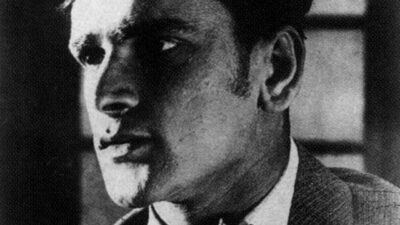
'देवदासी' में बंबई की न्यू महाराष्ट्र प्रोडक्शंस के तहत पृथ्वीराज कपूर और मोनिका देसाई साथ थे, और के.सी. डे ने संगीत भी दिया और अभिनय भी किया। ग्यारह गीतों में यह उन तीन भारी भजनों में से एक है जो डे की अपनी आवाज़ को मिले — और उनकी फ़िल्मों में यह आवाज़ लगभग हमेशा गाते हुए भक्त की होती थी, प्रेमी-नायकों की नहीं। इस फ़िल्म में पृथ्वीराज कपूर के अभिनय ने उन्हें 1945 का बीएफ़जेए सर्वश्रेष्ठ अभिनेता पुरस्कार दिलाया, यद्यपि कोई स्रोत उन्हें इस विशेष गीत से नहीं जोड़ता।
अंग्रेज़ी में पढ़ें · Read in English
Devdasi paired Prithviraj Kapoor with Monica Desai under New Maharashtra Productions in Bombay, with K.C. Dey both composing and acting. Of the eleven songs, this is one of the three heavy bhajans given to Dey's own voice, which in his films almost always belonged to the singing devotee rather than to the romantic leads. Prithviraj Kapoor's performance in the film won him the BFJA Best Actor award for 1945, though no source connects him to this particular song.
विरासत The Legacy
नेत्रहीन या तपस्वी पात्र द्वारा गाया शरणागति-भजन उन साँचों में है जो के.सी. डे हिंदी सिनेमा को दे गए, और यह साँचा उनसे तथा स्टूडियो-व्यवस्था दोनों से अधिक जिया — यह रूप 1950 और 1960 के दशकों में उन गायकों के हाथों बार-बार लौटता है जिन्होंने इसे उन्हीं के रिकॉर्डों से सीखा। 'देवदासी' स्वयं सार्वजनिक रूप से उपलब्ध नहीं, इसलिए यह गीत अब ग्रामोफ़ोन-सूची की एक पंक्ति के रूप में है — पर जिस मुहावरे का यह अंग है, वह भारतीय फ़िल्म संगीत के सबसे टिकाऊ मुहावरों में से एक है।
अंग्रेज़ी में पढ़ें · Read in English
The surrender-bhajan sung by a blind or ascetic figure is one of the templates K.C. Dey left to Hindi cinema, and it outlived both him and the studio system — the form reappears through the 1950s and 1960s in the hands of singers who had learned it from his records. Devdasi itself is not in public circulation, so this song exists now as a gramophone-catalogue line, but the idiom it belongs to is one of the most persistent in Indian film music.
वर्गीकरण
Classification- Tempo
- Slow
Genre
अन्य विवरण
More Details- https://www.hindigeetmala.net/movie/devdasi.htm
- https://myswar.co/album/devdasi-1945
- https://en.wikipedia.org/wiki/List_of_Hindi_films_of_1945
- https://www.cinemaazi.com/film/devdasi
- https://en.wikipedia.org/wiki/BFJA_Award_for_Best_Actor_(Hindi)
References
रोचक तथ्य
Margin Notes'देवदासी' के लिए पृथ्वीराज कपूर को 1946 के समारोह में बंगाल फ़िल्म जर्नलिस्ट्स एसोसिएशन का सर्वश्रेष्ठ अभिनेता (हिंदी) पुरस्कार मिला — भारतीय सिनेमा के आरंभिक औपचारिक अभिनय-पुरस्कारों में से एक, फ़िल्मफ़ेयर की शुरुआत से आठ वर्ष पहले।
अंग्रेज़ी में पढ़ें · Read in English
Devdasi won Prithviraj Kapoor the Bengal Film Journalists' Association Award for Best Actor (Hindi) at the 1946 ceremony — one of the earliest formal acting prizes in Indian cinema, eight years before the Filmfare Awards began.
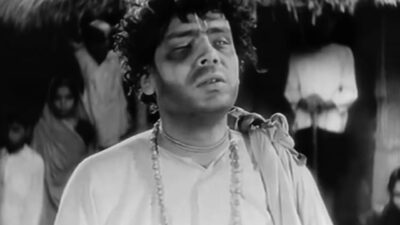
के.सी. डे ने इस फ़िल्म का संगीत भी दिया और परदे पर भी आए। किशोरावस्था में उनकी दृष्टि चली गई थी, और 'देवदासी' में उन्होंने जो गाता हुआ नेत्रहीन भक्त निभाया, वह वही परदे की छवि थी जो उन्होंने एक दशक पहले न्यू थिएटर्स की 'पूरन भगत' (1933) और 'देवदास' (1935) में स्थापित की थी।
अंग्रेज़ी में पढ़ें · Read in English
K.C. Dey composed this score and appeared on screen in the film. He had lost his sight in adolescence, and the singing blind devotee he played in Devdasi was the same screen figure he had established a decade earlier at New Theatres in Puran Bhagat (1933) and Devdas (1935).
'देवदासी' का कोई प्रिंट सार्वजनिक रूप से उपलब्ध नहीं माना जाता; फ़िल्म मुख्यतः एचएमवी/सारेगामा कैटलॉग के अपने ग्यारह 78-आरपीएम पार्श्वों और अपने मुख्य अभिनेता की बीएफ़जेए प्रशस्ति के रूप में बची है।
अंग्रेज़ी में पढ़ें · Read in English
No print of Devdasi is known to circulate publicly; the film survives mainly as its eleven 78-rpm sides in the HMV/Saregama catalogue and as the BFJA citation for its lead actor.
नमूना-पट्टी
The Specimen Table| शीर्षक | रोए हम चरणों पे भगवान · Roye Hum Charnon Pe Bhagwan |
|---|---|
| फ़िल्म | देवदासी · 1945 |
| वर्ष · युग | 1945 |
| गायक | K.C. Dey |
| गीतकार | Narottam Vyas |
| संगीतकार | K.C. Dey |
| स्वरूप | एकल पुरुष |
| गति | धीमी |
| भाषा | hindi |
| भाव | भक्ति · उदास · आध्यात्मिक |
| लोकप्रियता | Known |
| बोल-स्थिति | केवल झलक |
जुड़े हुए पन्ने
Connected Plates · The Graph Made Visibleअटलस में कोई पन्ना अकेला नहीं — इस गीत से जुड़े गीत, कलाकार, फ़िल्म, राग-ताल-विधा, सब यहाँ से खुलते हैं।
मिलते-जुलते गीत · Related Songs
कलाकार · The Artists
फ़िल्म · The Film
साझा कीजिए · Share this Plate