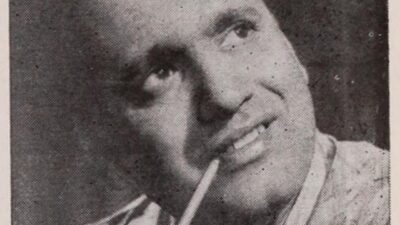
सिनेमा विंग · फ़िल्म-पट्टिका · Film Plate
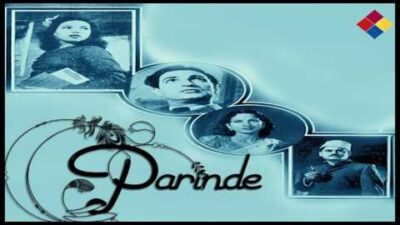
परिंदे
Parinde
शैलीDrama · Romance · War · Social
भाषाhindi प्रकारकथा-चित्र (फ़ीचर)
गीत8 — नीचे पूरी संगीत-सूची
कथा-सार
Synopsis'परिंदे' दूसरे विश्वयुद्ध के बर्मा मोर्चे की पृष्ठभूमि पर बनी एक युद्धकालीन सामाजिक फ़िल्म है। अशोक (सुरेंद्र) एक स्कूल-शिक्षक है और उस सैनिक का बेटा है जो युद्ध में मारा गया था। प्रधानाचार्य से मतभेद के बाद वह नौकरी छोड़ देता है, दूसरे स्कूल में पढ़ाने लगता है जहाँ उसकी मुलाक़ात श्यामा (वनमाला) से होती है, और अंततः — युद्ध की भर्ती-मुहिम के बीच — वह सेना में भर्ती होकर पायलट का प्रशिक्षण लेता है और श्यामा को पीछे छोड़कर बर्मा सीमा पर तैनात हो जाता है। एक गश्ती उड़ान के दौरान वह जापानी टुकड़ी को एक परिवार पकड़ते देखता है; माता-पिता को तो वह नहीं बचा पाता, पर उनकी बेटी नीला (सितारा देवी) को बचा लाता है, जो बेहोशी की हालत में वायुसेना अड्डे के अस्पताल पहुँचाई जाती है और स्वस्थ होते-होते उससे जुड़ाव महसूस करने लगती है। इधर श्यामा के पिता (दीक्षित) युद्ध की आड़ में जमाख़ोरी और कालाबाज़ारी से ख़ूब कमा रहे हैं, और उनका साझेदार है एक डॉक्टर (बाबूराव पेंढारकर) — जो ख़ुद श्यामा को चाहता है। डॉक्टर और नीला मिलकर श्यामा को यक़ीन दिला देते हैं कि अशोक नीला से विवाह करने वाला है। यह मानकर श्यामा विवाह का विचार छोड़कर नर्स बन जाती है — और संयोग से उसी अस्पताल में तैनात होती है जहाँ घायल अशोक लाया जाता है। उस तिकोनी मुलाक़ात में सारा छल खुल जाता है और दोनों फिर से मिल जाते हैं। फ़िल्म का जो प्रिंट बचा है वह बुरी तरह काटा हुआ है, इसलिए कथा में जगह-जगह झटके लगते हैं।
अंग्रेज़ी में पढ़ें · Read in English
Parinde is a wartime social drama built around the Burma campaign of the Second World War. Ashok (Surendra), a schoolteacher and the son of a soldier who died in service, resigns after a quarrel with his principal, takes a second teaching post where he meets Shyama (Vanmala), and — with recruitment drives running everywhere in the background of the war — finally enlists and is trained as a pilot, leaving Shyama behind for a posting on the Burma frontier. On a reconnaissance flight he sees a Japanese patrol seize a family; he reaches them too late to save the parents but rescues their daughter Neela (Sitara Devi), who is brought unconscious to the air base hospital and, as she recovers, attaches herself to him. At home, Shyama's father (Dixit) is making a fortune out of hoarding and the black market with a doctor (Baburao Pendharkar) as his silent partner; the doctor wants Shyama for himself, and he and Neela strike a bargain to convince Shyama that Ashok is about to marry the other woman. Believing it, Shyama gives up on marriage and joins the forces as a nurse — and is posted, along with the doctor, to the very air base hospital where Ashok is eventually brought in wounded. The deception collapses in that three-way meeting and the couple are reunited. Only a heavily cut print survives, and it now plays with abrupt breaks in the story line.
संगीत-सूची
The Soundtrackआठ गीत, सभी रममूर्ति चतुर्वेदी के लिखे और पंडित गोबिंद राम के संगीतबद्ध किए हुए — लाहौर में प्रशिक्षित वे संगीतकार, जो 1945 में अपने कैरियर के शिखर पर थे; उसी वर्ष उन्होंने 'लैला मजनूँ' और 'हमारा संसार' का संगीत भी दिया। एल्बम लगभग बराबर दो हिस्सों में बँटा है। चार गीत रूमानी हैं और सुरेंद्र की अभिनेता-गायक आवाज़ तथा उस स्त्री-पार्श्वगायन पर टिके हैं जिसे रिकॉर्ड-सूचियाँ 'श्रीमती घोष' के नाम से दर्ज करती हैं: विदाई का युगल 'सजनवा भूल हमें ना जाना', रात का युगल 'ऊपर हो चाँद तारा नीचे जहान सारा', प्रतीक्षा का गीत 'आजा सलोने सिपहिया' और सुरेंद्र का एकल 'हवा जो तेरा उधर हो जाना'। बाक़ी चार देशभक्ति, प्रार्थना या ललकार के स्वर में हैं — 'डूबते भारत को बचाओ', जो इस फ़िल्म में ज़ोहराबाई अम्बालेवाली का इकलौता गीत है, तथा 'भारत देश हमारा प्यारा', 'जाओ वीर रण में' और 'कभी तो जागो ऐ सोने वालो'। स्त्री-स्वर का श्रेय पूरी तरह तय नहीं है: हिंदीगीतमाला और माईस्वार कुछ गीतों पर 'श्रीमती घोष' लिखते हैं, माईस्वार दो गीतों पर सीधे वनमाला का नाम देता है, और फ़िल्म देखने के बाद 'अतुल्स सॉन्ग अ डे' पर लिखने वाले सदानंद कामथ इस आवाज़ को पारुल घोष की बताते हैं और यह आश्चर्य भी दर्ज करते हैं कि वनमाला — जो ख़ुद अच्छी गायिका थीं — के लिए पार्श्वगायन क्यों लिया गया। 'भारत देश हमारा प्यारा' और 'जाओ वीर रण में' के गायक किसी भी देखी गई सूची में दर्ज नहीं हैं, इसलिए उन्हें अनुमान से भरने के बजाय ख़ाली छोड़ा गया है।
अंग्रेज़ी में पढ़ें · Read in English
Eight songs, all written by Rammurti Chaturvedi and composed by Pandit Gobind Ram — the Lahore-trained composer who was at the height of his career in 1945, the year he also scored Laila Majnu and Hamara Sansar. The album divides almost evenly into two registers. Four songs are romantic and turn on Surendra's actor-singer voice paired with the female playback that the record listings credit as Srimati Ghosh: the departure duet 'Sajanva Bhool Hamein Na Jaana', the night duet 'Upar Ho Chand Tara Neeche Jahan Sara', the waiting song 'Aaja Salone Sipahiya' and Surendra's solo 'Hawa Jo Tera Udhar Ho Jaana'. The other four are patriotic, devotional or exhortatory — 'Doobte Bharat Ko Bachao', which is Zohrabai Ambalewali's single contribution to the film, plus 'Bharat Desh Hamara Pyara', 'Jaao Veer Rann Mein' and 'Kabhi To Jago Ae Sone Walo'. The female playback attribution is not fully settled: HindiGeetMala and MySwar both use the billing 'Srimati Ghosh' on some tracks, MySwar credits Vanmala directly on two others, and Sadanand Kamath, writing on Atul's Song A Day after watching the film, identifies the voice as Parul Ghosh and records his surprise that Vanmala — a capable singer herself — was given playback at all. Singers for 'Bharat Desh Hamara Pyara' and 'Jaao Veer Rann Mein' are not documented in any listing consulted, and are left blank here rather than guessed.
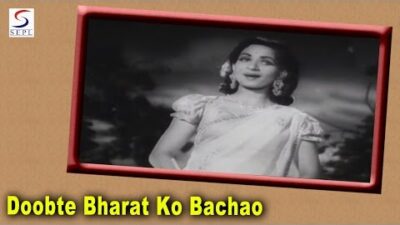
- डूबते भारत को बचाओ Doobte Bharat Ko Bachao स्वर: Zohrabai Ambalewali

- भारत देश हमारा प्यारा Bharat Desh Hamara Pyara
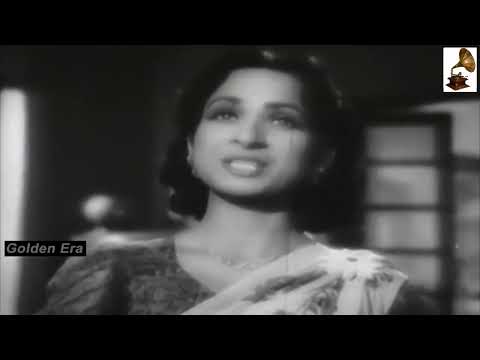
- ऊपर हो चाँद तारा नीचे जहान सारा Upar Ho Chand Tara Neeche Jahan Sara स्वर: Surendra, Srimati Ghosh
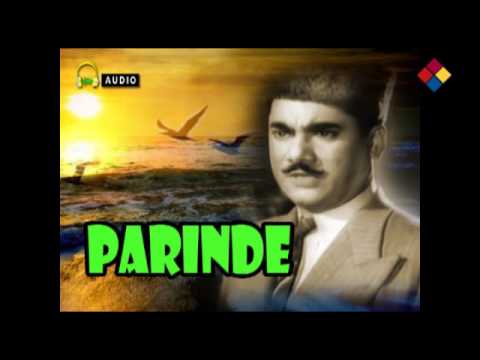
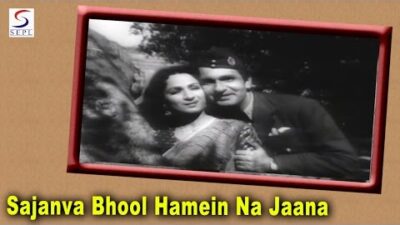
- सजनवा भूल हमें ना जाना Sajanva Bhool Hamein Na Jaana स्वर: Srimati Ghosh, Surendra

- जाओ वीर रण में Jaao Veer Rann Mein
- आजा सलोने सिपहिया Aaja Salone Sipahiya स्वर: Srimati Ghosh
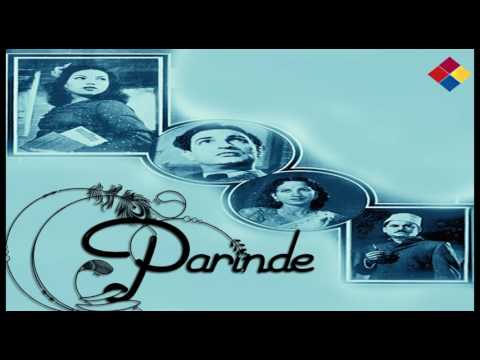
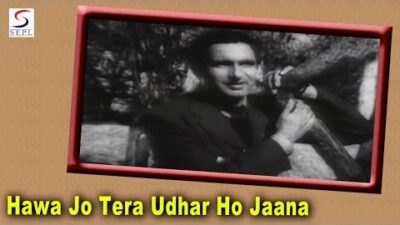
- हवा जो तेरा उधर हो जाना Hawa Jo Tera Udhar Ho Jaana स्वर: Surendra

- कभी तो जागो ऐ सोने वालो Kabhi To Jago Ae Sone Walo स्वर: Srimati Ghosh
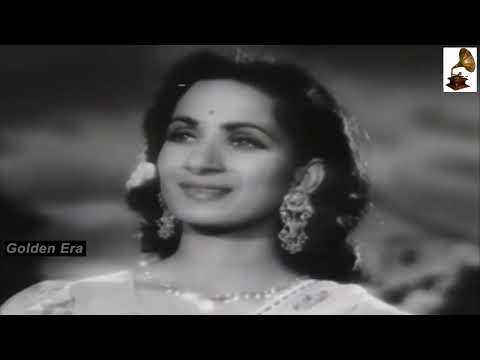
पट्टिका-लेख
The Monographपर्दे के पीछे Behind the Scenes
आचार्य अत्रे के बंबई बैनर 'अत्रे पिक्चर्स' ने 'चरणों की दासी' (1941), 'राजा रानी' (1942), 'वसंतसेना' (1942), 'तस्वीर' (1943), 'दिल की बात' (1944), 'परिंदे' (1945) और 'दूल्हा' (1946) बनाईं। इनमें 'परिंदे' वह दूसरी और आख़िरी फ़िल्म थी जिसका निर्देशन अत्रे ने ख़ुद संभाला; कहानी, पटकथा और संवाद भी उन्हीं के थे। फ़िल्म तब बन रही थी जब बर्मा का अभियान चल ही रहा था — इसलिए जिस भर्ती-मुहिम के कारण नायक वर्दी पहनता है, वह पहले दर्शकों के लिए इतिहास नहीं, ताज़ा ख़बर थी। जो प्रति बची है उसकी हालत ख़राब है: प्रचलित वीसीडी लगभग एक घंटा पैंतालीस मिनट की है, जबकि मूल फ़िल्म क़रीब ढाई घंटे की रही होगी; कुछ हिस्सों की ध्वनि पूरी तरह नष्ट है और अंत की ओर कहीं-कहीं आवाज़ तो है पर चित्र ग़ायब है। उसी प्रति से कथा-सार तैयार करने वाले सदानंद कामथ ने कहानी और पटकथा को कमज़ोर पाया और अनुमान लगाया कि फ़िल्म व्यावसायिक रूप से असफल रही होगी — यह राय उन्होंने इस स्पष्ट चेतावनी के साथ दी कि वे एक कटी-फटी प्रति देख रहे थे।
अंग्रेज़ी में पढ़ें · Read in English
Atre Pictures, the Bombay banner of Acharya Atre, made Charnon Ki Daasi (1941), Raja Rani (1942), Vasantsena (1942), Tasveer (1943), Dil Ki Baat (1944), Parinde (1945) and Dulha (1946). Parinde was the second and last of the two on which Atre himself took the director's chair, and he wrote its story, screenplay and dialogue as well. The film was in production while the Burma campaign was still being fought, so the recruitment drive that pushes its hero into uniform was current news rather than history for its first audiences. What survives is in poor condition: the circulating VCD runs about one hour and forty-five minutes against an original length of roughly two and a half hours, some passages have lost their soundtrack entirely, and towards the end there are stretches where the sound is intact but the picture is gone. Sadanand Kamath, who reconstructed the plot from that print, judged the story and screenplay too thin to hold and thought the film is likely to have failed commercially — a reading he offers with the explicit caveat that he was watching a mutilated copy.
महत्व Significance
'परिंदे' उन दो ही हिंदी फ़िल्मों में से एक है जिनका निर्देशन आचार्य प्र. के. अत्रे ने ख़ुद किया — दूसरी थी 'दिल की बात' (1944)। मराठी के नाटककार, कवि, शिक्षाविद्, पत्रकार और बाद में राजनेता रहे अत्रे ने अपने बैनर 'अत्रे पिक्चर्स' की बाक़ी फ़िल्मों का निर्माण और लेखन किया, निर्देशन नहीं — इसलिए यह फ़िल्म बीसवीं सदी के महाराष्ट्र की एक बड़ी साहित्यिक हस्ती के जीवन की एक बहुत छोटी सूची का हिस्सा है। साथ ही यह उन गिनी-चुनी युद्धकालीन हिंदी फ़िल्मों में है जिन्होंने बर्मा अभियान के चलते रहते ही भारतीयों को मित्र-राष्ट्रों की वर्दी में परदे पर दिखाया, और जिसने उसके साथ जमाख़ोरी तथा कालाबाज़ारी की घरेलू कहानी भी जोड़ी — उसी युद्ध ने देश के भीतर जो मुनाफ़ाख़ोरी पैदा की थी। संगीत में भी यही दो धाराएँ साथ चलती हैं: बिछड़े प्रेमियों के रूमानी युगल गीत, और खुली देशभक्ति-प्रार्थनाएँ — 'डूबते भारत को बचाओ, मेरे करतार', जो फ़िल्म में ज़ोहराबाई अम्बालेवाली का इकलौता गीत है, तथा 'भारत देश हमारा प्यारा', जिसे हिंदीगीतमाला अपनी 'देशभक्ति गीत' श्रेणी में रखती है।
अंग्रेज़ी में पढ़ें · Read in English
Parinde is one of only two Hindi films that Acharya P. K. Atre — the Marathi playwright, poet, educationist, journalist and later politician — directed himself; the other was Dil Ki Baat (1944). Everything else that came out of his Atre Pictures banner he produced and wrote rather than directed, which makes this film part of a very short list in the career of one of twentieth-century Maharashtra's largest literary figures. It also belongs to the small wartime cycle of Hindi films that put Indians in Allied uniform on screen while the Burma campaign was still being fought, and it is unusual in pairing that with an unflattering domestic subplot about hoarding and black-marketeering — the profiteering the same war produced at home. The score carries both impulses side by side: romantic duets for the separated couple, and open patriotic-devotional appeals — 'Doobte Bharat Ko Bachao, Mere Kartaar', which is Zohrabai Ambalewali's only song in the film, and 'Bharat Desh Hamara Pyara', which HindiGeetMala files under its Patriotic Songs category.
विरासत Legacy
फ़िल्म के रूप में 'परिंदे' लगभग पूरी तरह चलन से बाहर हो चुकी है; उसे रिकॉर्ड में बनाए रखने वाली चीज़ें हैं उसका संगीत और उसका विषय। पंडित गोबिंद राम पर लिखा गया लेखन 1945 को उनके कैरियर का सबसे सफल वर्ष बताता है, यद्यपि उस वर्ष की जिन फ़िल्मों का वह नाम लेता है वे 'चालीस करोड़', 'हमारा संसार', 'लैला मजनूँ' और 'नसीब' हैं, 'परिंदे' नहीं। संग्राहकों के अभिलेखों ने आठ में से सात गीत ऑडियो रूप में बचा रखे हैं, जबकि चित्र क्षतिग्रस्त है — 1945 की एक साधारण फ़िल्म के साथ प्रायः यही होता है: रिकॉर्ड प्रिंट से ज़्यादा जीता है। गीतों से परे यह फ़िल्म आचार्य अत्रे के संक्षिप्त हिंदी-सिनेमा सफ़र की एक जिज्ञासा के रूप में बची है — मराठी का एक बड़ा लेखक भारतीय वायुसेना की प्रेमकथा निर्देशित करते हुए — और उन गिनी-चुनी हिंदी फ़िल्मों में से एक के रूप में जिसने बर्मा मोर्चे और घर के भीतर पनपी कालाबाज़ारी, दोनों को सीधे देखा।
अंग्रेज़ी में पढ़ें · Read in English
Parinde has dropped almost entirely out of circulation as a film; what keeps it in the record is its music and its subject. Writing on Pandit Gobind Ram calls 1945 the most successful year of his career, though the films it names from that year are Chalees Karod, Hamara Sansar, Laila Majnu and Naseeb rather than Parinde. Collectors' archives have preserved seven of the eight songs as audio even though the picture itself is damaged, which is the usual fate of a 1945 programme picture: the record outlives the print. Beyond the songs, the film survives as a curiosity of Acharya Atre's short Hindi-cinema career — a major Marathi writer directing an Indian air-force romance — and as one of the few 1940s Hindi pictures to look directly at both the Burma front and the black market the war fed at home.
नमूना-पट्टी
The Specimen Table| शीर्षक | परिंदे · Parinde |
|---|---|
| वर्ष · युग | 1945 — Pre Independence |
| निर्देशक | आचार्य प्र. के. अत्रे (प्रल्हाद केशव अत्रे) · Acharya P. K. Atre (Prahlad Keshav Atre) |
| संगीत-निर्देशक | पंडित गोबिंद राम · Pandit Gobind Ram |
| गीतकार | रममूर्ति चतुर्वेदी · Rammurti Chaturvedi |
| कलाकार-मंडली | सुरेंद्र · Surendra · वनमाला · Vanmala · सितारा देवी · Sitara Devi · बाबूराव पेंढारकर · Baburao Pendharkar · दीक्षित · Dixit · सुनालिनी देवी · Sunalini Devi · चंदाबाई · Chandabai · बलवंत परचुरे · Balwant Parchure · डी. आर. गोखले · D. R. Gokhale · लल्लू देवासकर · Lallu Dewaskar |
| निर्माण-गृह | Atre Pictures, Bombay |
| शैली | Drama · Romance · War · Social |
| भाषा | hindi |
| प्रकार | कथा-चित्र (फ़ीचर) |
| गीत | 8 गीत — ऊपर पूरी संगीत-सूची |
जुड़े हुए पन्ने
Connected Plates · The Graph Made Visibleअटलस में कोई पन्ना अकेला नहीं — 'परिंदे' से उसके गीत, कलाकार, राग और युग, सब जुड़े हैं।
इस फ़िल्म के गीत · Songs of this Film
कलाकार · Cast & Crew
युग · The Era
साझा कीजिए · Share this Plate