सिनेमा विंग · फ़िल्म-पट्टिका · Film Plate
नग़मा-ए-सहरा
Nagma-e-Sahra
शैलीAction · Adventure · Drama
भाषाhindi प्रकारकथा-चित्र (फ़ीचर)
गीत7 — नीचे पूरी संगीत-सूची
कथा-सार
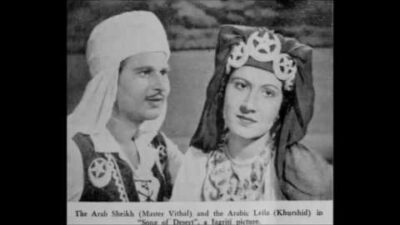
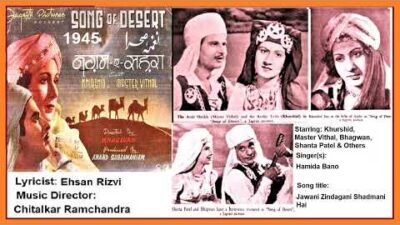
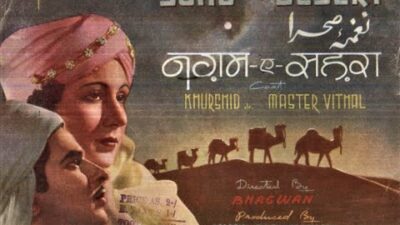
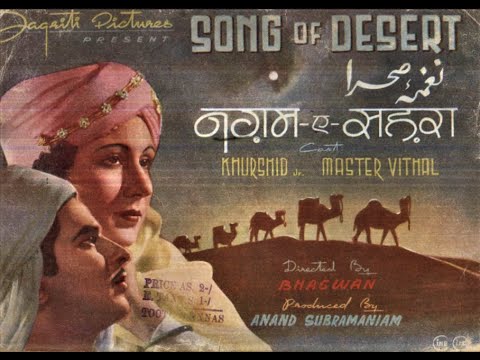
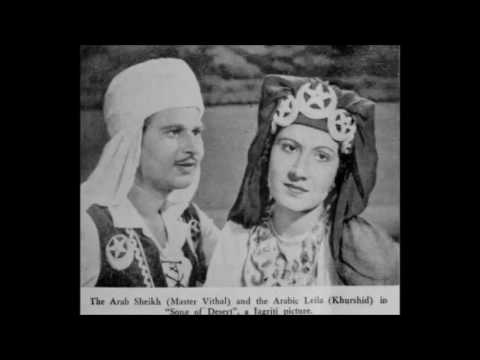
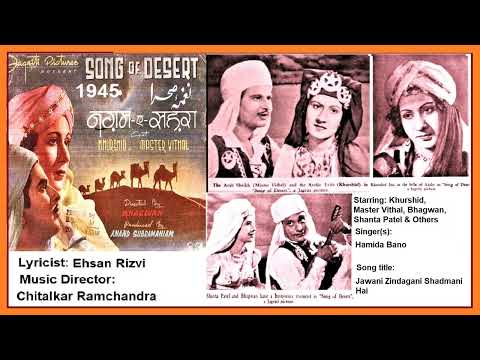
Synopsis'नग़मा-ए-सहरा' — अंग्रेज़ी में 'सॉन्ग ऑफ़ द डेज़र्ट' — 1945 की एक हिंदी रेगिस्तानी साहसिक फ़िल्म है, जिसे जागृति पिक्चर्स ने बनाया, वह बैनर जो भगवान आबाजी पालव ने 1942 में खड़ा किया था, और जिसका निर्देशन स्वयं भगवान ने किया, जो इसकी एक प्रमुख भूमिका में भी थे। इसका कोई प्रिंट बचा होने की जानकारी नहीं है और मानक संदर्भ-साहित्य में इसकी कोई कथा-रूपरेखा दर्ज नहीं; जो बचा है वह फ़ारसी-अरबी नामों की एक पात्र-सूची है — मास्टर विट्ठल फ़िरोज़ के रूप में, खुर्शीद जूनियर शहज़ादी नर्गिस, भगवान अल्तमश, अमरनाथ जलाल और कविता देवी इशरत — और एक अंग्रेज़ी शीर्षक जो कहानी को रेत में गाड़ देता है। यह उन कम-बजट स्टंट और एक्शन फ़िल्मों की क़तार का हिस्सा है जो भगवान ने 1938 से 1949 के बीच मज़दूर-वर्गीय सर्किट के लिए बनाईं — ऐसी फ़िल्में जिन्हें वे लगभग पैंसठ हज़ार रुपये में पूरा कर लेते थे, क्योंकि वेशभूषा की डिज़ाइन से लेकर यूनिट के भोजन के प्रबंध तक लगभग सब कुछ वे ख़ुद करते थे। फ़िल्म का प्रीमियर 22 दिसंबर 1945 को बंबई में हुआ, उसी रात 'अलबेली' के साथ। आज इसकी असली दिलचस्पी फ़िल्म से कम, इसे बनाने वालों में है: मास्टर विट्ठल, जो कभी भारतीय सिनेमा के सबसे महँगे पुरुष सितारे और 'आलम आरा' के नायक थे, उस शिखर से पंद्रह बरस दूर बी-सर्किट में काम कर रहे थे; और सी. रामचंद्र, 'शहनाई' से दो साल और 'अलबेला' से छह साल पहले, एक ऐसे दोस्त के लिए संगीत रच रहे थे जो उन्हें ज़्यादा दे नहीं सकता था।
अंग्रेज़ी में पढ़ें · Read in English
Nagma-e-Sahra — released in English as Song of the Desert — is a 1945 Hindi desert adventure made by Jagriti Pictures, the banner Bhagwan Abhaji Palav had set up in 1942, and directed by Bhagwan himself, who also played one of its principal parts. No print is known to survive and no plot summary appears in the standard reference literature; what the record preserves is a cast of Perso-Arabic names — Master Vithal as Feroz, Khurshid Jr. as the princess Nargis, Bhagwan as Altamash, Amarnath as Jalal and Kavita Devi as Ishrat — and an English title that plants the story in the sand. It belongs to the run of low-budget stunt and action pictures Bhagwan directed between 1938 and 1949 for the working-class circuit, films he brought in for something in the region of sixty-five thousand rupees by doing almost everything himself, down to designing the costumes and arranging the unit's meals. The picture premiered in Bombay on 22 December 1945, sharing its opening night with Albeli. Its real interest now lies less in the film than in who was making it: Master Vithal, once the highest-paid male star in Indian cinema and the hero of Alam Ara, was fifteen years past that peak and working the B-circuit, while C. Ramchandra, two years short of Shehnai and six short of Albela, was writing a score for a friend who could not afford much.
संगीत-सूची
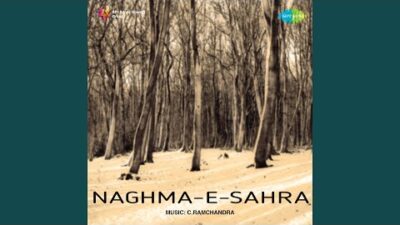
The Soundtrackएचएफ़जीके-आधारित सूचियाँ सात गीत दर्ज करती हैं, सभी एहसान रिज़वी के लिखे और सी. रामचंद्र के स्वरबद्ध किए, जो कोलंबिया रिकॉर्ड्स पर जारी हुए (यह लेबल इस एल्बम के लिए मायस्वर/बॉलीस्वर में दर्ज है; किसी अन्य देखे गए स्रोत में इसका उल्लेख नहीं)। इनमें केवल चार के गायक दर्ज हैं: 'ये जलसा ताजपोशी का (मुबारक हो मुबारक हो)' भाग-1 तीन आवाज़ों का गीत है — ख़ान मस्ताना, हमीदा बानू और चितलकर, यानी अपने पार्श्व-नाम से गाते हुए स्वयं सी. रामचंद्र; 'किसी की याद किसी को आई' हमीदा बानू और चितलकर का युगल है; और 'बिछड़ी हुई बहार' तथा 'अब याद तेरी लेके जिएँ' हमीदा बानू के एकल हैं। 'ग़ुलामी मजबूरी बर्बादी', 'जवानी ज़िंदगानी शादमानी है' और ताजपोशी गीत के दूसरे भाग के लिए किसी भी परामर्शित स्रोत में गायक दर्ज नहीं है, और यहाँ कोई अनुमान नहीं लगाया गया। फ़िल्म के लिए एक और आवाज़ दर्ज है जिसे किसी गीत से नहीं जोड़ा जा सका: अभिलेखीय ब्लॉग Atul's Song A Day नसीम अख़्तर को उन गायिकाओं में गिनाता है जिन्होंने 'नग़मा-ए-सहरा' में सी. रामचंद्र के लिए गाया — इसलिए तीन अ-श्रेयांकित शीर्षकों में से कम-से-कम एक संभवतः उन्हीं का है। दो भागों वाला 'ताजपोशी' गीत — भाग-1 और भाग-2 में बँटी एक राजतिलक-वंदना — वही आकार है जो कोई लंबा समारोही दृश्य-गीत तब लेता था जब उसे एक ही दस-इंची 78-आरपीएम तवे के दोनों पहलुओं पर दबाना होता था। हिंदी गीतमाला का पृष्ठ सात में से छह गीत देता है, 'अब याद तेरी लेके जिएँ' उसमें नहीं है।
अंग्रेज़ी में पढ़ें · Read in English
The HFGK-derived catalogues record seven songs, all written by Ehsan Rizvi and composed by C. Ramchandra, and issued on Columbia Records (the label is named for this album by MySwar/BollySwar; no other consulted source states it). Only four carry a documented voice: 'Yeh Jalsa Tajposhi Ka (Mubarak Ho Mubarak Ho)' Part I is a three-voice number by Khan Mastana, Hamida Banu and Chitalkar — that is, C. Ramchandra singing under his playback name; 'Kisi Ki Yaad Kisi Ko Aayi' is a Hamida Banu–Chitalkar duet; and 'Bichhdi Hui Bahaar' and 'Ab Yaad Teri Leke Jiyen' are Hamida Banu solos. For 'Ghulami Majboori Barbadi', 'Jawani Zindagani Shadmani Hai' and the second part of the Tajposhi number, no singer is recorded in any source consulted, and none is guessed at here. One further voice is documented for the film without being tied to a song: the archival blog Atul's Song A Day lists Naseem Akhtar among the singers who worked for C. Ramchandra on Nagma-e-Sahra, so at least one of the three unattributed titles is likely hers. The two-part 'Tajposhi' song — a coronation salutation split across Parts I and II — is the shape a long ceremonial set-piece took when it had to be pressed onto the two faces of a single ten-inch 78-rpm disc. Hindigeetmala's page for the film lists six of the seven, omitting 'Ab Yaad Teri Leke Jiyen'.
- मुबारक हो ये जलसा ताजपोशी का (भाग 1) Mubarak Ho Yeh Jalsa Tajposhi Ka (Part 1) स्वर: Khan Mastana, Hamida Banu, C. Ramchandra
- ग़ुलामी मजबूरी बर्बादी Ghulami Majboori Barbadi
- किसी की याद किसी को आई Kisi Ki Yaad Kisi Ko Aayi स्वर: Hamida Banu, C. Ramchandra
- जवानी ज़िंदगानी शादमानी है Jawani Zindagani Shadmani Hai
- बिछड़ी हुई बहार (बहार है बहार) Bichhdi Hui Bahaar (Bahaar Hai Bahaar) स्वर: Hamida Banu
- अब याद तेरी लेके जिएँ Ab Yaad Teri Leke Jiyen स्वर: Hamida Banu
- मुबारक हो ये जलसा ताजपोशी का (भाग 2) Mubarak Ho Yeh Jalsa Tajposhi Ka (Part 2)
पट्टिका-लेख
The Monographपर्दे के पीछे Behind the Scenes
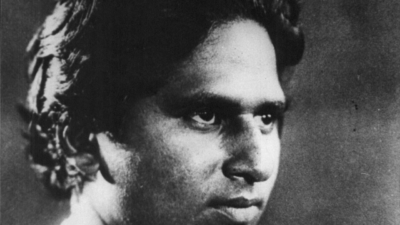
भगवान आबाजी पालव बंबई के एक कपड़ा मिल मज़दूर के बेटे थे, मूक-युग की छोटी भूमिकाओं से ऊपर आए थे, और उद्योग में जितना अभिनय के लिए उतना ही कुश्ती के लिए जाने जाते थे। 1942 में उन्होंने जागृति पिक्चर्स के साथ निर्माण शुरू किया और 1947 में ज़मीन ख़रीदकर चेंबूर में जागृति स्टूडियो खड़ा किया; इस बीच वे इस जैसी फ़िल्में लगभग पैंसठ हज़ार रुपये की थैली से बनाते थे, और निर्देशन तथा एक प्रमुख भूमिका के साथ-साथ वेशभूषा की डिज़ाइन और खान-पान का इंतज़ाम भी ख़ुद सँभालते थे। 1945 में मास्टर विट्ठल को लेना अपने आप में बंबई के इतिहास का एक टुकड़ा था। विट्ठल (1906–1969) 1930 के आसपास भारतीय सिनेमा के सबसे महँगे पुरुष सितारे थे, जिन्हें 'भारतीय डगलस फ़ेयरबैंक्स' कहा जाता था — कहते हैं यह तुलना उन्हें सख़्त नापसंद थी — और जब शारदा स्टूडियो ने 'आलम आरा' करने के लिए स्टूडियो छोड़ने पर उन पर मुक़दमा किया, तो अदालत में उनकी पैरवी मुहम्मद अली जिन्ना ने की और वे जीते। फिर ध्वनि ने उन्हें तोड़ दिया: उनका हिंदी उच्चारण इतना कमज़ोर था कि 'आलम आरा' अपने अधिकांश हिस्से में उनके पात्र को बेहोश या गूँगा बनाए रखती है, और 1940 के दशक के मध्य तक वे एक छोटे बजट और पुरानी श्रद्धा वाले स्टंट-निर्माता के लिए उपलब्ध थे।
अंग्रेज़ी में पढ़ें · Read in English
Bhagwan Abhaji Palav was the son of a Bombay textile mill worker, had come up through bit parts in the silent era, and was known in the trade as much for wrestling as for acting. He turned producer in 1942 with Jagriti Pictures and would buy land and build Jagriti Studios at Chembur in 1947; in the interim he financed pictures like this one out of a purse of roughly sixty-five thousand rupees, personally handling the costume design and the catering as well as the direction and a leading role. Casting Master Vithal in 1945 was a piece of Bombay history in itself. Vithal (1906–1969) had been the highest-paid male star in Indian cinema around 1930, nicknamed the Indian Douglas Fairbanks — a comparison he was said to detest — and when Sharda Studios sued him for leaving to make Alam Ara he was defended in court by Muhammad Ali Jinnah, and won. Sound then destroyed him: his Hindi pronunciation was poor enough that Alam Ara keeps his character unconscious or struck dumb for much of its length, and by the mid-1940s he was available to a stunt producer with a small budget and an old admiration.
महत्व Significance
इस फ़िल्म का महत्व लगभग पूरी तरह संबंधों में है: यह भगवान–चितलकर साझेदारी की एक कामकाजी फ़िल्म है — 1940 के दशक के बंबइया फ़िल्म-संगीत की सबसे कम चमकदार और सबसे परिणामकारी दोस्ती। रामचंद्र नरहर चितलकर पहली बार संगीतकार के रूप में भगवान की 'सुखी जीवन' (1942) से लोगों की नज़र में आए थे, और पूरे दशक वे उन स्टंट फ़िल्मों का संगीत रचते रहे जिनकी कोई समीक्षा नहीं छपती थी — और इसी बीच फ़िल्म-दर-फ़िल्म वह हल्का, लय-प्रधान, पश्चिमी रंग वाला मुहावरा गढ़ते रहे जो 1951 में 'अलबेला' के 'शोला जो भड़के' में फूट पड़ा। 'नग़मा-ए-सहरा' उसी शिक्षुता का एक नमूना है। यह हमीदा बानू के कैरियर की एक कड़ी पर भी बैठती है — लाहौर में जन्मी इस गायिका की सिफ़ारिश सी. रामचंद्र से भगवान ने ही की थी, और यहाँ दर्ज सात में से चार गीत उन्हीं के हिस्से हैं। और यह मास्टर विट्ठल की आख़िरी प्रमुख भूमिकाओं में से एक है — वही व्यक्ति जो 'आलम आरा' (1931) में भारत की पहली बोलती फ़िल्म के नायक थे और जिनकी हिंदी उच्चारण ने वह कैरियर शुरू होते ही लगभग ख़त्म कर दिया था।
अंग्रेज़ी में पढ़ें · Read in English
The film's significance is almost entirely relational: it is one of the working films of the Bhagwan–Chitalkar partnership, the least glamorous and most consequential friendship in 1940s Bombay film music. Ramchandra Narhar Chitalkar had first come to public notice as a composer on Bhagwan's Sukhi Jeevan (1942), and through the decade he kept scoring the stunt pictures nobody reviewed while building, film by film, the light, rhythm-forward, Western-inflected idiom that would detonate in Albela (1951) with 'Shola Jo Bhadke'. Nagma-e-Sahra is a specimen of that apprenticeship. It also sits at a hinge in Hamida Banu's career — it was Bhagwan who had recommended the Lahore-born singer to C. Ramchandra in the first place, and here she carries the bulk of the soundtrack, four of the seven documented songs. And it is one of the last leading roles of Master Vithal, the man who had been India's first talkie hero in Alam Ara (1931) and whose Hindi diction had ended that career almost as soon as it began.
विरासत Legacy
फ़िल्म ने ख़ुद कुछ नहीं छोड़ा: वह रंगूनवाला की 'इंडियन फ़िल्मोग्राफ़ी' में एक पंक्ति है और 'एनसाइक्लोपीडिया ऑफ़ इंडियन सिनेमा' में एक पृष्ठ-संदर्भ, न कोई प्रिंट बचा, न कथा दर्ज। जो बचा वह वह कामकाजी रिश्ता है जिसका यह एक नमूना है। छह साल बाद भगवान ने, राज कपूर की सलाह पर स्टंट के बजाय सामाजिक विषय आज़माते हुए, गीता बाली के साथ 'अलबेला' बनाई और संगीत उसी दोस्त को सौंपा; नतीजा दशक की सबसे बड़ी संगीत-सफलताओं में से एक था और दोनों की क़िस्मत बदल गई। बाद में जब भगवान सब कुछ गँवा बैठे — जुहू का बंगला, हफ़्ते के हर दिन के लिए एक, कुल सात गाड़ियाँ — तो सी. रामचंद्र उन गिने-चुने लोगों में थे जो चॉल में भी उनसे मिलने जाते रहे। गायकों में हमीदा बानू 1956 में पाकिस्तान चली गईं और शेष कार्य-जीवन रेडियो लाहौर तथा पीटीवी पर बिताया, 2006 में लाहौर में उनका निधन हुआ; और ख़ान मस्ताना, जिनसे यह संगीत शुरू होता है, 1972 में चल बसे। सातों गीतों में से किसी के भी पुनर्संस्कारित रूप में उपलब्ध होने की जानकारी नहीं — इसलिए बचा हुआ श्रेय-विवरण ही इस फ़िल्म का पूरा श्रव्य अवशेष है।
अंग्रेज़ी में पढ़ें · Read in English
The film itself left nothing: it is a line in Rangoonwalla's Indian Filmography and a page reference in the Encyclopaedia of Indian Cinema, with no surviving print and no plot on record. What outlived it was the working relationship it is a sample of. Six years later Bhagwan, advised by Raj Kapoor to try a social subject instead of a stunt one, made Albela with Geeta Bali and gave the music to the same friend; the result was one of the biggest song successes of the decade and the making of both men. When Bhagwan lost everything afterwards — the Juhu bungalow, the seven cars, one for each day of the week — C. Ramchandra was among the very few who kept visiting him in his chawl. Of the singers, Hamida Banu left for Pakistan in 1956 and spent the rest of her working life at Radio Lahore and on PTV, dying in Lahore in 2006; Khan Mastana, who opens this soundtrack, died in 1972. None of the seven songs is known to circulate today in a restored transfer, which makes the surviving credit list the whole of the film's audible remains.
अन्य विवरण
More Details- https://en.wikipedia.org/wiki/Nagma-e-Sahra
- https://www.hindigeetmala.net/movie/nagma_e_sahara.htm
- https://myswar.co/album/nagma-e-sahara-1945
- https://en.wikipedia.org/wiki/Bhagwan_Dada
- https://en.wikipedia.org/wiki/C._Ramchandra
- https://en.wikipedia.org/wiki/Master_Vithal
- https://en.wikipedia.org/wiki/Hamida_Banu_(singer)
- https://en.wikipedia.org/wiki/Khan_Mastana
- https://en.wikipedia.org/wiki/List_of_Hindi_films_of_1945
- https://atulsongaday.me/2025/03/22/karam-kar-raham-kar-parwardigaaraa/
- http://pakmag.net/film/predetails.php?pid=2647
- https://indiancine.ma/EFC/info
References
नमूना-पट्टी
The Specimen Table| शीर्षक | नग़मा-ए-सहरा · Nagma-e-Sahra |
|---|---|
| वर्ष · युग | 1945 — Pre Independence |
| निर्देशक | भगवान दादा · Bhagwan Dada |
| संगीत-निर्देशक | सी. रामचंद्र · C. Ramchandra |
| गीतकार | एहसान रिज़वी · Ehsan Rizvi |
| कलाकार-मंडली | मास्टर विट्ठल · Master Vithal · खुर्शीद जूनियर · Khurshid Jr. · भगवान दादा · Bhagwan Dada · अमरनाथ · Amarnath · कविता देवी · Kavita Devi · शांता पटेल · Shanta Patel · भगवानदास · Bhagwandas · बसंत · Basant · नवाज़ · Nawaz |
| निर्माण-गृह | Jagriti Pictures, Bombay |
| लेबल | Columbia Records |
| शैली | Action · Adventure · Drama |
| भाषा | hindi |
| प्रकार | कथा-चित्र (फ़ीचर) |
| गीत | 7 गीत — ऊपर पूरी संगीत-सूची |
जुड़े हुए पन्ने
Connected Plates · The Graph Made Visibleअटलस में कोई पन्ना अकेला नहीं — 'नग़मा-ए-सहरा' से उसके गीत, कलाकार, राग और युग, सब जुड़े हैं।
इस फ़िल्म के गीत · Songs of this Film
कलाकार · Cast & Crew
युग · The Era
साझा कीजिए · Share this Plate