सिनेमा विंग · फ़िल्म-पट्टिका · Film Plate
कुल कलंक
Kul Kalank
शैलीSocial · Drama
भाषाhindi प्रकारकथा-चित्र (फ़ीचर)
गीत11 — नीचे पूरी संगीत-सूची
कथा-सार
Synopsis'कुल कलंक' — शब्दशः 'परिवार के नाम पर लगा दाग़' — सनराइज़ पिक्चर्स की बनाई एक बंबइया 'सोशल' फ़िल्म है, जिसका निर्देशन नानूभाई बी. वकील ने किया — वह पेशेवर फ़िल्मकार जो 1929 के मूक-युग से लगातार काम कर रहे थे। उस दौर की सूचियाँ इसे घरेलू मेलोड्रामा के लिए प्रचलित वर्ग में रखती हैं: ऐसी फ़िल्म जो इस भय के इर्द-गिर्द बनी होती है कि घर की कोई बात बाहर न निकल जाए। मुख्य भूमिका में शांता हुबळीकर थीं — प्रभात की वह स्टार जिनका 'आदमी' (1939) का बहुभाषी गीत पिछले दशक के सबसे चर्चित दृश्यों में गिना जाता था — उनके सामने मसूद, तथा अमीरबाई कर्नाटकी, जो पर्दे पर भी थीं और फ़िल्म के तीन गीत भी गाती हैं। बाक़ी कलाकारों में शहज़ादी, दुलारी, मजीद, प्रतिमा देवी और वज़ीर मोहम्मद ख़ान थे — 'आलम आरा' (1931) के वही फ़क़ीर जिनकी आवाज़ भारतीय बोलती फ़िल्म में सबसे पहले गाते हुए सुनी गई थी। फ़िल्म का कोई प्रिंट बचा हुआ ज्ञात नहीं है और मानक संदर्भ-साहित्य में इसकी विस्तृत कथा भी सुरक्षित नहीं है। 'कुल कलंक' का जो बचा है वह उसकी रिकॉर्ड-सूची है — रूपबानी के बोलों पर अल्ला रक्खा के रचे ग्यारह गीत — और हिंदी फ़िल्म गीत कोश तथा उससे निकले डेटाबेस में दर्ज कलाकार व श्रेय-पंक्तियाँ।
अंग्रेज़ी में पढ़ें · Read in English
Kul Kalank — literally 'the stain on the family name' — is a Bombay 'social' made by Sunrise Pictures and directed by Nanubhai B. Vakil, a journeyman film-maker who had been working continuously since the silent era of 1929. Contemporary listings classify it under the period's standard label for a domestic melodrama: the kind of film built around a household's fear that something in it will become public. Shanta Hublikar, the Prabhat star whose multilingual song in Aadmi (1939) had been one of the most talked-about set-pieces of the previous decade, headed the cast opposite Masood, with Amirbai Karnataki appearing on screen as well as singing three of the film's songs, and a company that included Shahzadi, Dulari, Majid, Pratima Devi and Wazir Mohammed Khan — the fakir of Alam Ara (1931), whose voice was the first ever heard singing in an Indian talkie. No print of the film is known to survive and no detailed plot has been preserved in the standard reference literature. What remains of Kul Kalank is its record catalogue — eleven songs composed by Allah Rakha to lyrics by Roopbani — together with the cast and credit lines recorded in the Hindi Film Geet Kosh and the databases derived from it.
संगीत-सूची
The Soundtrack'कुल कलंक' के लिए ग्यारह गीत प्रलेखित हैं, सभी रूपबानी के बोलों पर अल्ला रक्खा के रचे। इनमें से छह के गायक दर्ज हैं: तीन अमीरबाई कर्नाटकी के, जिनमें एक मोहम्मद रफ़ी के साथ उनका युगल है, और एक-एक मुमताज़ बेगम, राजकुमारी तथा ललिता परुळकर का। बाक़ी पाँच के लिए — जिनमें खुलेआम आंदोलनकारी 'पैदा करेंगे इंक़लाब बाज़ुओं के ज़ोर पर' भी है — सूचियों में केवल संगीतकार और गीतकार का श्रेय है, और कुछ नहीं; किसी भी देखे गए स्रोत में गायक का नाम नहीं मिलता, इसलिए उन प्रविष्टियों में गायक-श्रेय अनुमान से भरने के बजाय ख़ाली छोड़ा गया है। अकेले गीत-शीर्षक यह दिखा देते हैं कि 1945 की एक फ़िल्म में एक ही गीतकार से कितना विस्तार अपेक्षित था: एक साक़ी-गीत, एक राष्ट्रवादी कूच-गीत, पति को संबोधित ब्रज-रंगा लोकगीत, 'ज़िंदगी दो दिन की है' जैसा चिंतनशील गीत, और एक हल्का छेड़छाड़ भरा युगल। ग्यारह में से केवल चार रिकॉर्ड व्यावसायिक रूप से बचे हैं — सारेगामा की डिजिटल सूची में।
अंग्रेज़ी में पढ़ें · Read in English
Eleven songs are documented for Kul Kalank, all composed by Allah Rakha to lyrics by Roopbani. Singers are named for six of them: Amirbai Karnataki takes three, one of which is her duet with Mohammed Rafi, and there is one each for Mumtaz Begum, Rajkumari and Lalita Parulkar. For the remaining five — including the openly agitational 'Paida Karenge Inqalab Baazuon Ke Zor Par' — the catalogues carry a composer and a lyricist credit and nothing else; no source consulted supplies a singer, and those entries are therefore left with an empty singer credit rather than a guess. The song titles alone show the range a single lyricist was expected to cover in one 1945 picture: a saqi song, a nationalist march, a braj-inflected folk address to a husband, a reflective 'life is two days' piece and a light flirtation duet. Only four of the eleven sides survive commercially, in the Saregama digital catalogue.
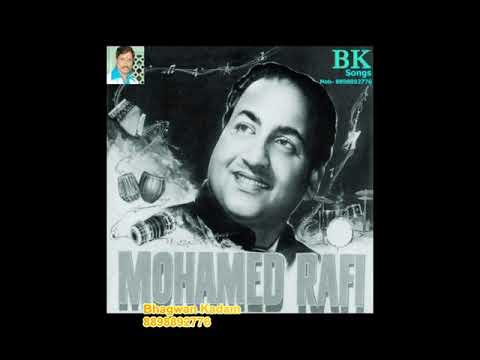
- टोपी वाले बाबू ने दिल छीना रे Topi Wale Babu Ne Dil Chheena Re स्वर: Amirbai Karnataki, Mohammed Rafi
- बाजे पवन का सितार Baaje Pawan Ka Sitar स्वर: मुमताज़ बेगम

- सैंयां तोरे राज में Saiyan Tore Raj Mein स्वर: Lalita Parulkar
- घर घर में मेरा जा के Ghar Ghar Mein Mera Ja Ke स्वर: Rajkumari

- पी और पिला पिला मेरे साक़ी Pee Aur Pila Pila Mere Saaki स्वर: Amirbai Karnataki

- हँसने हँसाने के दिन आ गए हैं Hansne Hansane Ke Din Aa Gaye Hain स्वर: Amirbai Karnataki

- पैदा करेंगे इंक़लाब बाज़ुओं के ज़ोर पर Paida Karenge Inqalab Baazuon Ke Zor Par
- मेरे मन में है मन का चोर Mere Man Mein Hai Man Ka Chor
- दूर दूर से बात बनाया Door Door Se Baat Banaya
- दो दिन की ज़िंदगी है Do Din Ki Zindagi Hai
- वो क्यूँ हमसे आँखें चुराने लगे हैं Woh Kyun Humse Aankhein Churane Lage Hain
पट्टिका-लेख
The Monographपर्दे के पीछे Behind the Scenes
अल्ला रक्खा 1936 में लाहौर में ऑल इंडिया रेडियो से जुड़े, फिर बंबई केंद्र आए, और 1943 में रंगमहल स्टूडियोज़ में संगीत-निर्देशन का काम लिया — शुरुआत पौराणिक फ़िल्म 'महासती अनसूया' से। 'कुल कलंक' उसी फ़िल्मी काम के शुरुआती वर्षों में आती है, जिसे वे अपनी शास्त्रीय पहचान से अलग रखे गए एक पेशेवर नाम से चलाते थे। सनराइज़ पिक्चर्स ने जो कलाकार-मंडली जुटाई वह भारतीय बोलती फ़िल्म की पहली पूरी पीढ़ी तक फैली थी: वज़ीर मोहम्मद ख़ान — जिन्होंने 'आलम आरा' (1931) में फ़क़ीर के रूप में भारतीय टॉकी का पहला गीत गाया था — उसी सूची में शांता हुबळीकर के साथ हैं, जिनका प्रभात में वी. शांताराम के लिए गाया 'आदमी' (1939) का गीत देशव्यापी चर्चा बना था, और अमीरबाई कर्नाटकी के साथ, जो 'किस्मत' (1943) के बाद अपनी ख्याति के शिखर पर थीं। एक डेटाबेस प्रविष्टि इस फ़िल्म का वैकल्पिक नाम 'जीवन छाया' बताती है; उसी स्रोत की अपनी फ़िल्मोग्राफ़ियाँ इस नाम की एक अलग 1946 की फ़िल्म भी दर्ज करती हैं, और यहाँ इस दावे की पुष्टि नहीं हो सकी है।
अंग्रेज़ी में पढ़ें · Read in English
Allah Rakha had joined All India Radio in Lahore in 1936 and moved to the Bombay station before taking a composing job at Rangmahal Studios in 1943, beginning with the mythological Mahasati Anusuya; Kul Kalank falls in the first years of that film sideline, which he ran under a professional name kept separate from his classical identity. The screen company Sunrise Pictures assembled reached across the whole first generation of Indian sound cinema: Wazir Mohammed Khan, who as the fakir in Alam Ara (1931) had sung the first song ever recorded for an Indian talkie, shares a cast list with Shanta Hublikar, whose Aadmi (1939) song for V. Shantaram at Prabhat had been a national talking point, and with Amirbai Karnataki, then at the height of her fame after Kismet (1943). One database entry records an alternative title, 'Jeevan Chhaya', for the film; the same source's own filmographies list a separate 1946 picture of that name, and the claim has not been confirmed here.
महत्व Significance
आज इस फ़िल्म का महत्व लगभग पूरी तरह संगीत का है, और वह रिकॉर्ड-लेबल पर छपे दो नामों पर टिका है। 'अल्ला रक्खा' नाम से दर्ज संगीतकार वही अल्ला रक्खा क़ुरैशी हैं — आगे चलकर उस्ताद अल्ला रक्खा, पंजाब घराने के वे तबला उस्ताद जिन्होंने मॉन्टेरे पॉप फ़ेस्टिवल में रवि शंकर के साथ संगत की और जो बीसवीं सदी के अंतरराष्ट्रीय स्तर पर सबसे पहचाने जाने वाले भारतीय ताल-वादक बने। 1945 में वे छब्बीस वर्ष के थे और ए. आर. क़ुरैशी नाम से चलाए जा रहे उस फ़िल्मी काम के दूसरे ही वर्ष में थे, जिसे वे 1960 के दशक में छोड़ देने वाले थे; 'कुल कलंक' उसी छूटे हुए जीवन के लगभग दो दर्जन संगीत-संकलनों में से एक है। दूसरा नाम मोहम्मद रफ़ी का है, जो फ़िल्म का वह इकलौता गीत गाते हैं जो आज भी सुना जाता है: 1945 रफ़ी के बंबई-जीवन का सिर्फ़ दूसरा वर्ष था, जिसमें उन्होंने छह अलग-अलग संगीतकारों के लिए सात फ़िल्मों में बारह गीत रिकॉर्ड किए — और 'कुल कलंक' उन्हीं सात में से एक है। इस तरह वह फ़िल्म, जिसने और कोई निशान नहीं छोड़ा, भारतीय संगीत के दो सबसे बड़े जीवन-वृत्तों में एक तिथि-बद्ध बिंदु बन जाती है।
अंग्रेज़ी में पढ़ें · Read in English
The film's importance today is almost entirely musical, and it rests on two names on the label. The composer credited as 'Allah Rakha' is Alla Rakha Qureshi — later Ustad Alla Rakha, the Punjab-gharana tabla master who accompanied Ravi Shankar at the Monterey Pop Festival and became the most internationally recognised Indian percussionist of the twentieth century. In 1945 he was twenty-six, two years into a film sideline he pursued under the name A. R. Qureshi and would abandon in the 1960s, and Kul Kalank is one of the roughly two dozen scores from that abandoned career. The second name is Mohammed Rafi, who sings the film's one still-circulating song: 1945 was only Rafi's second year in Bombay, a year in which he recorded twelve songs across seven films for six different composers, and Kul Kalank is one of those seven. A film that left no other mark is therefore a datable point in two of the largest careers in Indian music.
विरासत Legacy
'कुल कलंक' को फ़िल्म के रूप में कोई याद नहीं करता। इसका कोई प्रिंट नहीं बचा, भारतीय सिनेमा के किसी मानक इतिहास में यह नहीं आती, और जिस वर्ष बंबई ने सत्तर से अधिक हिंदी फ़िल्में रिलीज़ कीं, उसमें इसने प्रेस में लगभग कोई निशान नहीं छोड़ा। यह अपने ग्यारह में से चार रिकॉर्डों के रूप में सारेगामा की डिजिटल सूची में बची है, और जो एक गीत आज भी सफ़र करता है वह है 'टोपी वाले बाबू ने दिल छीना रे' — जो रफ़ी के बंबई-जीवन के केवल दूसरे वर्ष में रिकॉर्ड हुआ था। बाक़ी सात गीत अब केवल हिंदी फ़िल्म गीत कोश की सूचियों में शीर्षक भर हैं — इस बात की याद कि 1940 के दशक में हिंदी सिनेमा ने जो कुछ रिकॉर्ड किया, उसका अधिकांश ध्वनि के रूप में नहीं, सूची की एक पंक्ति के रूप में सुरक्षित है।
अंग्रेज़ी में पढ़ें · Read in English
Kul Kalank is not remembered as a film. No print survives, it appears in no standard history of Indian cinema, and it left almost no press trace in a year when Bombay released more than seventy Hindi pictures. It survives as four sides in the Saregama digital catalogue out of the eleven it recorded, and the one that still travels is 'Topi Wale Babu Ne Dil Chheena Re', 'Topi Wale Babu Ne Dil Chheena Re', recorded in only Rafi's second year of work in Bombay. The remaining seven songs exist now only as titles in the Hindi Film Geet Kosh listings — a reminder that most of what Hindi cinema recorded in the 1940s is preserved not as sound but as a line of catalogue text.
अन्य विवरण
More Details- https://www.hindigeetmala.net/movie/kul_kalank.htm
- https://myswar.co/album/kul-kalank-1945
- https://www.saregama.com/album/kul-kalank_107711
- https://en.wikipedia.org/wiki/List_of_Hindi_films_of_1945
- https://en.wikipedia.org/wiki/Alla_Rakha
- https://www.cinemaazi.com/people/alla-rakha-qureshi
- https://www.indianfilmhistory.com/movie/kul-kalank
- https://bombaymann2.blogspot.com/2020/08/film-kul-kalank1945.html
- https://indiancine.ma/EEQ/info
- https://www.songsofyore.com/the-evolution-of-mohammad-rafi-part-one-1944-55/
- https://en.wikipedia.org/wiki/Nanubhai_Vakil
- https://en.wikipedia.org/wiki/Alam_Ara
References
नमूना-पट्टी
The Specimen Table| शीर्षक | कुल कलंक · Kul Kalank |
|---|---|
| वर्ष · युग | 1945 — Pre Independence |
| निर्देशक | नानूभाई बी. वकील · Nanubhai B. Vakil |
| संगीत-निर्देशक | अल्ला रक्खा · Allah Rakha |
| गीतकार | रूपबानी · Roopbani |
| कलाकार-मंडली | शांता हुबळीकर · Shanta Hublikar · मसूद · Masood · अमीरबाई कर्नाटकी · Amirbai Karnataki · शहज़ादी · Shahzadi · दुलारी · Dulari · मजीद · Majid · प्रतिमा देवी · Pratima Devi · वज़ीर मोहम्मद ख़ान · Wazir Mohammed Khan |
| निर्माण-गृह | Sunrise Pictures, Bombay |
| शैली | Social · Drama |
| भाषा | hindi |
| प्रकार | कथा-चित्र (फ़ीचर) |
| गीत | 11 गीत — ऊपर पूरी संगीत-सूची |
जुड़े हुए पन्ने
Connected Plates · The Graph Made Visibleअटलस में कोई पन्ना अकेला नहीं — 'कुल कलंक' से उसके गीत, कलाकार, राग और युग, सब जुड़े हैं।
इस फ़िल्म के गीत · Songs of this Film
कलाकार · Cast & Crew
युग · The Era
साझा कीजिए · Share this Plate