सिनेमा विंग · फ़िल्म-पट्टिका · Film Plate
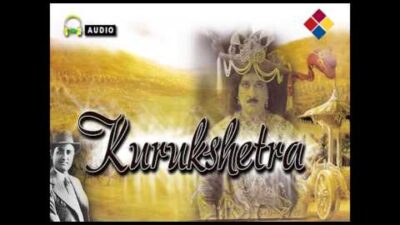
कुरुक्षेत्र
Kurukshetra
शैलीMythological · Drama · Musical
भाषाhindi प्रकारकथा-चित्र (फ़ीचर)
गीत13 — नीचे पूरी संगीत-सूची
कथा-सार
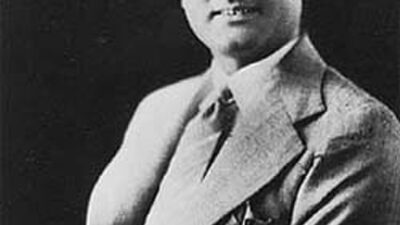
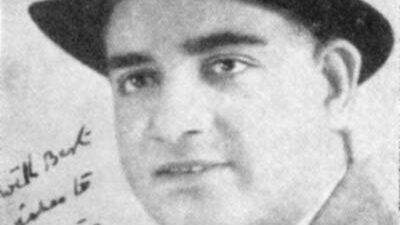
Synopsisकुरुक्षेत्र महाभारत को इस आधुनिक बहस के भीतर रखती है कि भारत को अपने साथ क्या करना चाहिए। उपलब्ध कथा-विवरणों के अनुसार फ़िल्म महाकाव्य से नहीं, एक समकालीन कथा-सूत्र से शुरू होती है - समाजसेवियों का एक समूह, जिनमें एक का नाम सुवर्णरेखा है, आलस्य के विरुद्ध अभियान चलाते और नई सामाजिक व्यवस्था गढ़ने की कोशिश करते - और उसके बाद प्राचीन कथा में उतरती है: वह स्वयंवर जिसमें द्रौपदी जीती जाती हैं, द्यूत के बाद सभा में हुआ अपमान, और कुरुक्षेत्र के मैदान पर युद्ध की ओर लंबी फिसलन। दोनों धरातल पूरे समय एक-दूसरे के आमने-सामने काटे जाते हैं, और भगवद्गीता से निकाले गए उपदेश वर्तमान की समस्याओं के उत्तर के रूप में रखे जाते हैं। के.एल. सहगल कर्ण की भूमिका में हैं - महाकाव्य का सबसे बड़ा बहिष्कृत, वह योद्धा जो जन्म की एक दुर्घटना के कारण ग़लत पक्ष में खड़ा है और जिसे यह बात तब पता चलती है जब बहुत देर हो चुकी होती है। यह फ़िल्म का सबसे दिलचस्प चयन है, क्योंकि 1945 तक सहगल भारतीय सिनेमा में गरिमामय पराजय की आवाज़ बन चुके थे। पी.वी. नरसिंह भारती कृष्ण हैं, डी. बालसुब्रमण्यम दुर्योधन, और नवाब कश्मीरी युधिष्ठिर।
अंग्रेज़ी में पढ़ें · Read in English
Kurukshetra sets the Mahabharata inside a modern argument about what India should do with itself. Documented plot descriptions have the film open not on the epic but on a contemporary strand - a group of social workers, one of them named Suvarnarekha, campaigning against idleness and trying to build a new social order - before moving into the ancient story: the swayamvar at which Draupadi is won, the humiliation in the sabha after the dice game, and the long slide towards the war on the field of Kurukshetra. The two levels are cut against each other throughout, with lessons drawn from the Bhagavad Gita offered as answers to the problems of the present. K.L. Saigal plays Karna, the epic's great outsider - the warrior who is on the wrong side because of an accident of birth he does not learn about until too late - which is the film's most interesting piece of casting, since Saigal by 1945 was the voice of dignified defeat in Indian cinema. P.V. Narasimha Bharathi plays Krishna, D. Balasubramaniam plays Duryodhana, and Nawab Kashmiri plays Yudhishthira.
संगीत-सूची
The Soundtrackबची हुई सूचियों में कुरुक्षेत्र के तेरह गीत प्रलेखित हैं; फ़िल्म का सबसे पूरा प्रकाशित विवरण कुल चौदह बताता है, यानी कम से कम एक गीत कहीं भी दर्ज नहीं है और उसे यहाँ गढ़ा नहीं गया। हर गीत जमील मज़हरी ने लिखा और हर धुन पंडित गणपत राव ने बनाई। के.एल. सहगल के चार एकल हैं - 'आई है तू तो', 'किधर है तू ऐ मेरी तमन्ना', 'तू आ गई' और ग़ज़ल 'मोहब्बत के गुल-हा-ए-तर गूँथता हूँ'; राधारानी के तीन, जिनमें द्रौपदी की पुकार 'बिन काज आज महाराज लाज गई मेरी' है, जिसे हिंदी गीतमाला पर फ़िल्म के सबसे अधिक वोट मिले हैं; कल्याणी दास का एक, 'ऐ मेरे स्वप्न के वासी'; और सत्य चौधरी का एक। दो अन्य गीत कोरस के नाम हैं और दो के साथ कोई गायक-श्रेय है ही नहीं - इन चारों को यहाँ अनुमान के बजाय रिक्त गायक-सूची के साथ दर्ज किया गया है। सरेगामा की सूची में केवल दो मास्टर बचे हैं, और उनमें कोई सहगल का गीत नहीं; मूल 78-आरपीएम रिकॉर्ड किस लेबल पर जारी हुए, यह दर्ज नहीं है। जिस समकालीन आलोचना ने फ़िल्म की बाक़ी हर चीज़ को ख़ारिज किया, उसने संगीत के लिए अपवाद बनाया।
अंग्रेज़ी में पढ़ें · Read in English
Thirteen songs of Kurukshetra are documented across the surviving catalogues; the fullest published account of the film puts its total at fourteen, so at least one number is undocumented anywhere and has not been invented here. Jameel Mazhari wrote every lyric and Pandit Ganpat Rao composed every tune. K.L. Saigal sings four solos - Aayi Hai Tu To, Kidhar Hai Tu Ae Meri Tamanna, Tu Aa Gayi and the ghazal Mohabbat Ke Gul-Haa-e-Tar Goondhta Hoon; Radharani sings three, including the Draupadi plea Bin Kaaj Aaj Maharaj Laaj Gayi Meri, which is the film's most-voted entry on Hindi Geet Mala; Kalyani Das sings one, Ae Mere Swapan Ke Waasi; Satya Choudhary sings one. Two further numbers are credited to a chorus and two carry no singer credit at all, and those four are listed here with empty singer arrays rather than with guesses. Only two masters survive in the Saregama catalogue, and neither of them is a Saigal song; the label on which the original 78s were issued is not documented. Contemporary criticism that was hostile to everything else about the film made an exception for its music.
- आज किरनों का कर के सिंगार चली Aaj Kirnon Ka Kar Ke Singaar Chali
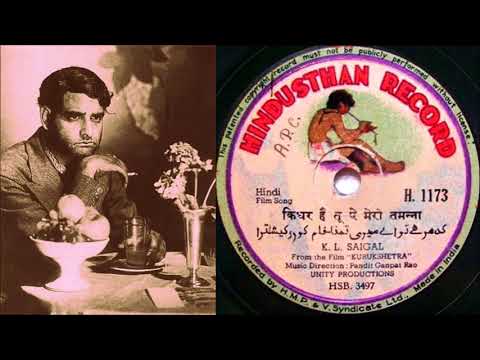
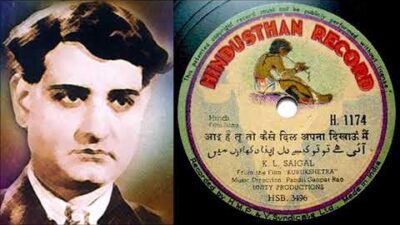
- आई है तू तो कैसे दिल अपना दिखाऊँ मैं Aayi Hai Tu To Kaise Dil Apna Dikhaoon Main स्वर: K.L. Saigal
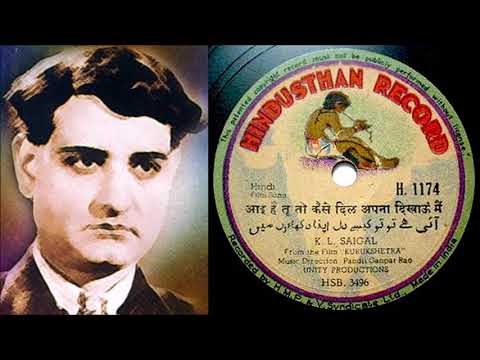
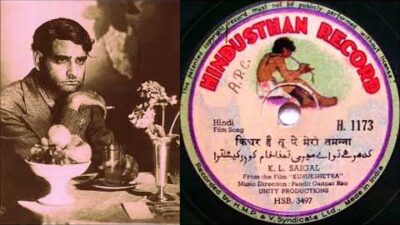
- किधर है तू ऐ मेरी तमन्ना Kidhar Hai Tu Ae Meri Tamanna स्वर: K.L. Saigal
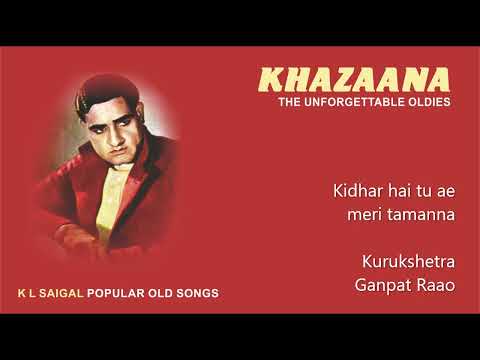
- तू आ गई दिल की तमन्ना जाग उठी Tu Aa Gayi Dil Ki Tamanna Jaag Uthi स्वर: K.L. Saigal
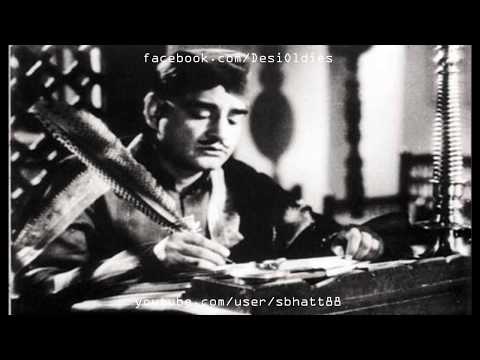
- मोहब्बत के गुल-हा-ए-तर गूँथता हूँ Mohabbat Ke Gul-Haa-e-Tar Goondhta Hoon स्वर: K.L. Saigal
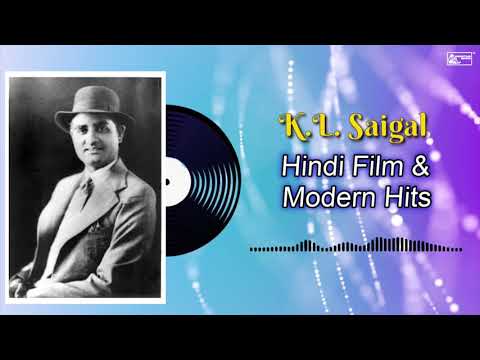
- ऐ मेरे स्वप्न के वासी Ae Mere Swapan Ke Waasi स्वर: कल्याणी दास
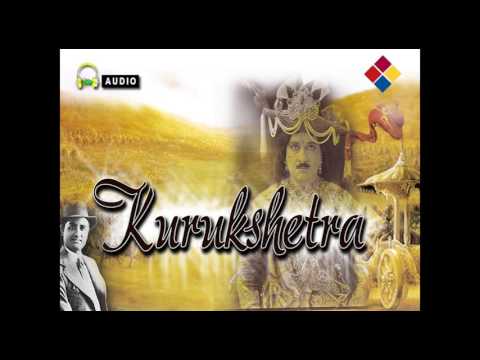
- दिल बेक़रार सो जा Dil Bekaraar So Ja स्वर: Radharani
- क्या करना है पूछ रहे Kya Karna Hai Pooch Rahe स्वर: सत्य चौधरी

- बिन काज आज महाराज लाज गई मेरी Bin Kaaj Aaj Maharaj Laaj Gayi Meri स्वर: Radharani
- ऐ बावले मन क्या करूँ Ae Baavle Man Kya Karoon
- गज वदन गुण सदन Gaj Vadan Gun Sadan
- कर्मफल की सोच मत कर Karmphal Ki Soch Mat Kar
पट्टिका-लेख
The Monographपर्दे के पीछे Behind the Scenes
रामेश्वर शर्मा ने जीवन भर में केवल तीन फ़िल्में निर्देशित कीं, तीनों कलकत्ता की यूनिटी प्रोडक्शंस के लिए: 'भक्त कबीर' (1942), 'कुरुक्षेत्र' (1945) और 'वासना' (1952)। संगीतकार पंडित गणपत राव असल में महाराष्ट्र के रत्नागिरी ज़िले के गणपतराव गुरव थे - किराना घराने के संस्थापक उस्ताद अब्दुल करीम ख़ाँ के पहले बैच के शिष्य और वर्षों तक जमखंडी रियासत के दरबारी गायक। उन्होंने ठीक दो फ़िल्मों में संगीत दिया, यह और 'बेबस' (1950), और फिर शास्त्रीय मंच पर लौट गए; उनके पौत्र पं. कैवल्य कुमार गुरव आज किराना घराने के प्रमुख गायकों में हैं। गीतकार जमील मज़हरी का जन्म सैयद काज़िम अली के रूप में 2 सितम्बर 1904 को बिहार में हुआ; 1931 में कलकत्ता विश्वविद्यालय से एम.ए. किया, पत्रकारिता और फिर बिहार की कांग्रेस सरकार में काम किया, बाद में पटना विश्वविद्यालय में उर्दू के अध्यापक हुए, और 'फ़िक्र-ए-जमील' तथा 'नक़्श-ए-जमील' संग्रह प्रकाशित किए; 23 जुलाई 1979 को पटना में उनका निधन हुआ। गीतकार के रूप में कुरुक्षेत्र उनकी एकमात्र पूरी हुई फ़िल्म थी। फ़िल्म की दो गायिकाओं के नामों की उलझन ने दशकों तक सूचियों को भ्रमित किया है: यहाँ की राधारानी 1903 में जियागंज में जन्मी कलकत्ता की गायिका हैं, इसी नाम की बंबई की अभिनेत्री-गायिका नहीं; और यहाँ की कल्याणी, कल्याणी दास हैं - 1942 से सक्रिय कलकत्ता की पार्श्वगायिका, अभिनेत्री-गायिका कल्याणी बाई नहीं।
अंग्रेज़ी में पढ़ें · Read in English
Rameshwar Sharma directed only three films in his life, all of them for Unity Productions of Calcutta: Bhakta Kabir (1942), Kurukshetra (1945) and Vaasana (1952). The music director, Pandit Ganpat Rao, was Ganapatrao Gurav, from Ratnagiri district in Maharashtra - a first-batch disciple of Ustad Abdul Karim Khan, founder of the Kirana gharana, and for years a court musician in the princely state of Jamkhandi. He scored exactly two films, this one and Bebus (1950), and then returned to the classical concert platform; his grandson, Pt. Kaivalya Kumar Gurav, is a leading Kirana vocalist today. The lyricist Jameel Mazhari was born Syed Kazim Ali on 2 September 1904 in Bihar, took his MA from Calcutta University in 1931, worked in journalism and then in Bihar's Congress government before becoming a teacher of Urdu at Patna University, and published the collections Fikr-e-Jameel and Naqsh-e-Jameel; he died on 23 July 1979 at Patna. Kurukshetra was his only completed film as a lyricist. Two of the film's singers carry name confusions that have muddled catalogues for decades: the Radharani here is the Calcutta singer born in 1903 at Jiaganj, not the Bombay actress-singer of the same name, and the Kalyani here is Kalyani Das, the Calcutta playback singer active from 1942, not the actor-singer Kalyani Bai.
महत्व Significance
के.एल. सहगल के आख़िरी वर्षों में कुरुक्षेत्र अलग-थलग खड़ी फ़िल्म है - कलकत्ता में बनी एक हटकर पौराणिक फ़िल्म, जिसके निर्देशक के नाम कुल तीन फ़िल्में हैं, और जिसे कभी-कभी दो दशक बाद आए कला-सिनेमा की अग्रदूत कहा जाता है, क्योंकि वह महाकाव्य को आधुनिक सामाजिक बहस के साथ गूँथती है। इसका संगीत-महत्व अधिक सटीक है: यह उन दो ही फ़िल्मों में से एक है जिनका संगीत पंडित गणपत राव - यानी गणपतराव गुरव, उस्ताद अब्दुल करीम ख़ाँ के पहले बैच के किराना घराने के गायक - ने दिया, और बिहार के उर्दू शायर जमील मज़हरी का पहला फ़िल्मी काम, जिसमें उन्होंने सभी चौदह गीत लिखे। एक गंभीर शास्त्रीय संगीतकार और एक गंभीर साहित्यिक शायर यहाँ शायर के छोटे-से फ़िल्मी सफ़र के आरंभ में मिले; गणपत राव ने इसके बाद केवल एक और फ़िल्म में संगीत दिया, जबकि मज़हरी ने 1951 तक चार और फ़िल्मों के लिए लिखा। इसी फ़िल्म से उद्योग को अजीत भी मिले, जिन्होंने इसी से परदे पर पहला क़दम रखा।
अंग्रेज़ी में पढ़ें · Read in English
Kurukshetra is the odd film out in K.L. Saigal's last years - an offbeat mythological made in Calcutta by a director with three credits to his name, and sometimes cited as a forerunner of the art cinema that arrived two decades later because of the way it interleaves an epic with modern social argument. Its musical significance is narrower and sharper: it is one of only two films ever scored by Pandit Ganpat Rao - Ganapatrao Gurav, a Kirana gharana vocalist from the first batch of Ustad Abdul Karim Khan's disciples - and the first film assignment of the Bihar Urdu poet Jameel Mazhari, who wrote all fourteen of its songs. A serious classical musician and a serious literary poet met here near the start of the poet's brief film career; Ganpat Rao would score only one more picture, while Mazhari went on to write for four further films through 1951. The film also gave the industry Ajit, who made his screen debut in it.
विरासत Legacy
फ़िल्म पिट गई। बंबई में यह 17 मई 1946 को न्यू वेस्ट एंड में लगी और चार सप्ताह चली; उसी जुलाई की 'फ़िल्मइंडिया' समीक्षा ने निर्देशक तथा कहानी-संवाद लेखक कमलकांत वर्मा को दोषी ठहराया, जबकि सहगल और संगीतकार की तारीफ़ की। किसी प्रिंट के पुनर्स्थापित होने की जानकारी नहीं है, और फ़िल्म मुख्यतः एक गीत-सूची, कुछ श्रेय-नामों और संग्राहकों द्वारा बचाई गई मुट्ठी भर रिकॉर्डिंग्स के रूप में जीवित है। जो बचा है वह असमान और थोड़ा विडंबनापूर्ण है: सहगल के चार एकल, जिन्हें जनवरी 1947 में दिवंगत हुए उस गायक के इर्द-गिर्द बने संग्राहक-समुदाय ने ज़िंदा रखा; द्रौपदी का एक गीत, जो इसलिए बचा कि जिस दृश्य का वह है उसे कभी भुलाया नहीं जाता; और व्यावसायिक सूची में दर्ज दो मास्टर, जो इनमें से कोई नहीं - एक अनाम कोरस की गणेश-वंदना और सत्य चौधरी का एक एकल। हिंदी सिनेमा को कुरुक्षेत्र की सबसे टिकाऊ देन अंततः एक अभिनेता निकला: अजीत, जिनकी यह पहली फ़िल्म थी।
अंग्रेज़ी में पढ़ें · Read in English
The film failed. It reached Bombay only on 17 May 1946, at the New West End, and ran four weeks; Filmindia's review that July blamed the director and the story and dialogue writer Kamalkant Varma while praising Saigal and the music director. No print is known to have been restored, and the film survives mainly as a song list, a set of credits and a handful of recordings recovered by collectors. What has lasted is uneven and slightly perverse: four Saigal solos kept alive by the collector culture around a singer who died in January 1947, a Draupadi song that outlived the rest because the scene it belongs to is never forgotten, and two commercially catalogued masters that are neither of those - a Ganesha invocation by an uncredited chorus and a Satya Choudhary solo. Kurukshetra's most durable contribution to Hindi cinema turned out to be an actor: Ajit, making his first appearance on screen.
अन्य विवरण
More Details- https://en.wikipedia.org/wiki/Kurukshetra_(1945_film)
- https://www.hindigeetmala.net/movie/kurukshetra.htm
- https://myswar.co/album/kurukshetra-1945
- https://atulsongaday.me/2020/11/26/ae-mere-swapan-ke-waasi/
- https://atulsongaday.me/2011/04/17/kidhar-hai-tu-ae-meri-tamanna/
- https://atulsongaday.me/2011/06/20/aayi-hai-tu-to-kaise-dil-apna-dikhaaun-main/
- https://atulsongaday.me/2011/06/29/mohabbat-ke-gul-haa/
- https://atulsongaday.me/2011/08/23/tu-aa-gayi-tu-aa-gayi/
- https://en.wikipedia.org/wiki/List_of_songs_recorded_by_K._L._Saigal
- https://www.saregama.com/album/kurukshetra_128914
- https://www.themoviedb.org/movie/1552485-kurukshetra
- https://www.rekhta.org/poets/jameel-mazhari/profile
- https://bombaymann2.blogspot.com/2020/08/film-kurukshetra1945.html
References
नमूना-पट्टी
The Specimen Table| शीर्षक | कुरुक्षेत्र · Kurukshetra |
|---|---|
| वर्ष · युग | 1945 — Pre Independence |
| निर्देशक | रामेश्वर शर्मा · Rameshwar Sharma |
| संगीत-निर्देशक | पंडित गणपत राव · Pandit Ganpat Rao |
| गीतकार | जमील मज़हरी · Jameel Mazhari |
| कलाकार-मंडली | कुंदन लाल सहगल · K.L. Saigal · पी.वी. नरसिंह भारती · P.V. Narasimha Bharathi · डी. बालसुब्रमण्यम · D. Balasubramaniam · नवाब कश्मीरी · Nawab Kashmiri · राधारानी · Radharani · शांति · Shanti · शामली · Shamli · उडवाडिया · Udwadia · बिमन बनर्जी · Biman Banerjee · अजीत · Ajit |
| निर्माण-गृह | Unity Productions, Calcutta |
| शैली | Mythological · Drama · Musical |
| भाषा | hindi |
| प्रकार | कथा-चित्र (फ़ीचर) |
| गीत | 13 गीत — ऊपर पूरी संगीत-सूची |
जुड़े हुए पन्ने
Connected Plates · The Graph Made Visibleअटलस में कोई पन्ना अकेला नहीं — 'कुरुक्षेत्र' से उसके गीत, कलाकार, राग और युग, सब जुड़े हैं।
इस फ़िल्म के गीत · Songs of this Film
कलाकार · Cast & Crew
युग · The Era
साझा कीजिए · Share this Plate