गीत विंग · गीत-पट्टिका · Song Plate
गज वदन गुण सदन
Gaj Vadan Gun Sadan
महाभारत की फ़िल्म खोलती एक गणेश-वंदना - और अस्सी साल बाद कुरुक्षेत्र की उन दो ही रिकॉर्डिंग्स में से एक जो आज भी किसी व्यावसायिक सूची में हैं।
भावभक्ति · शांत · आध्यात्मिक
भाषाhindi स्वरूपसमूह गान
श्रेय
The Creditsसूत्र-वाक्य · The Hook
सूत्र-वाक्य
महाभारत की फ़िल्म खोलती एक गणेश-वंदना - और अस्सी साल बाद कुरुक्षेत्र की उन दो ही रिकॉर्डिंग्स में से एक जो आज भी किसी व्यावसायिक सूची में हैं।
In EnglishA Ganesha invocation opening a Mahabharata film - and, eighty years on, one of only two Kurukshetra recordings still in a commercial catalogue.
पट्टिका-लेख
The Monographपरिचय Overview
'गज वदन' यानी गजमुख; 'गुण सदन' यानी गुणों का घर। शीर्षक गणेश के लिए प्रचलित विशेषणों की जोड़ी है, और गीत एक वंदना है - वह आह्वान जिससे भारतीय प्रस्तुति परंपरागत रूप से आरंभ होती है। विकिपीडिया और सरेगामा दोनों इसे किसी नामित गायक को नहीं, कोरस को देते हैं। इसका बचा रहना असामान्य है: सरेगामा की सूची में आज भी मौजूद कुरुक्षेत्र के केवल दो ट्रैकों में यह एक है, जहाँ इसकी वर्तनी 'गज बदन गुण सदन' है। महाभारत की फ़िल्म के लिए आरंभिक देवता का यह चुनाव दोहरे अर्थ में उपयुक्त है, क्योंकि गणेश स्वयं इस महाकाव्य के लेखक हैं।
अंग्रेज़ी में पढ़ें · Read in English
Gaj vadan, the elephant-faced; gun sadan, the abode of virtues. The title is a standard pair of epithets for Ganesha, and the song is a vandana - the invocation with which an Indian performance conventionally begins. Wikipedia and Saregama both credit it to a chorus rather than to a named singer. Its survival is unusual: it is one of just two Kurukshetra tracks still carried in Saregama's catalogue, spelt there as 'Gaj Badan Gun Sadan'. For a Mahabharata film the choice of opening deity is doubly apt, since Ganesha is the epic's own scribe.
संगीत The Music
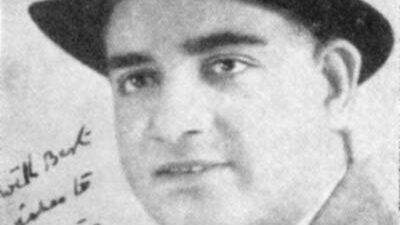
पंडित गणपत राव - यानी गणपतराव गुरव, रत्नागिरी ज़िले के किराना घराने के गायक, उस्ताद अब्दुल करीम ख़ाँ के पहले बैच के शिष्यों में से एक और वर्षों तक जमखंडी दरबार के गायक - ने जीवन भर में केवल दो फ़िल्मों का संगीत दिया, कुरुक्षेत्र और बेबस (1950), और उसके बाद शास्त्रीय मंच पर लौट गए। 1945 के किसी फ़िल्म-संगीत में वंदना ही वह जगह है जहाँ शास्त्रीय तालीम वाला संगीतकार ठीक वही लिख सकता था जो वह पहले से जानता था - रूप निश्चित, काम घोषणा का, और मुहावरा वह भक्ति-मुहावरा जो हर भारतीय श्रोता साथ लिए चलता है। उस दौर की कोरस-रचना का अर्थ आम तौर पर हल्की लयात्मक बुनियाद पर एक स्वर में गाती आवाज़ें होता है; इस विशेष रिकॉर्डिंग का विवरण यहाँ जाँचा नहीं गया है, इसलिए वर्णित भी नहीं है।
अंग्रेज़ी में पढ़ें · Read in English
Pandit Ganpat Rao - Ganapatrao Gurav, a Kirana gharana vocalist from Ratnagiri district who was among the first batch of Ustad Abdul Karim Khan's disciples and served for years as a court musician at Jamkhandi - scored only two films in his life, Kurukshetra and Bebus (1950), before returning to the concert platform. A vandana is the one place in a 1945 film score where a classically trained composer could write exactly what he already knew - the form is fixed, the function is announcement, and the idiom is the devotional one every Indian listener carries. Chorus scoring of the period typically means unison or near-unison voices over a light rhythmic bed; the specifics of this recording have not been examined here, and are not described.
काव्य The Poetry
शीर्षक के दोनों विशेषण अलग-अलग काम करते हैं। 'गज वदन' वर्णनात्मक और देहमूलक है - यह देवता को उसके असंभव शरीर से नामित करता है, वही जो श्रोता की आँखों में बनता है। 'गुण सदन' अमूर्त और नैतिक है - यह उन्हें वह घर बताता है जिसमें गुण बसते हैं। दोनों को साथ रखना वंदना की सामान्य रीति है: यह रूप गायक से माँगता है कि प्रस्तुति में और कुछ शुरू होने से पहले, एक ही साँस में देवता को दृश्य भी बनाया जाए और चिंतनीय भी।
अंग्रेज़ी में पढ़ें · Read in English
The two epithets in the title do different jobs. Gaj vadan is descriptive and physical - it names the god by his impossible body, the thing a listener pictures. Gun sadan is abstract and moral - it names him as the house in which qualities live. Putting them side by side is standard vandana practice: the form asks the singer to make the deity both visible and thinkable in the same breath before anything else in the performance is allowed to begin.
कहानी The Story
कुरुक्षेत्र (1945) कलकत्ता की यूनिटी प्रोडक्शंस की फ़िल्म थी और इसका निर्देशन रामेश्वर शर्मा ने किया, जिनकी पूरी फ़िल्मोग्राफ़ी इसी बैनर की तीन फ़िल्मों तक सीमित है। यह महाभारत को एक आधुनिक सामाजिक कथा से जोड़ती है: उपलब्ध कथा-विवरणों के अनुसार फ़िल्म आलस्य के विरुद्ध काम करते समाजसेवियों की समकालीन कथा से शुरू होकर महाकाव्य में प्रवेश करती है - द्रौपदी स्वयंवर, सभा में हुआ अपमान, और कुरुक्षेत्र के युद्ध तक की यात्रा - और दोनों धरातलों के बीच आवाजाही करते हुए भगवद्गीता से राष्ट्रीय समस्याओं के उत्तर खोजती है। के.एल. सहगल ने कर्ण की भूमिका निभाई। इस तरह की वंदना आम तौर पर फ़िल्म के आरंभ में होती है, आधुनिक सामाजिक ढाँचे या महाकाव्य के शुरू होने से पहले - यदि ऐसा था, तो 17 मई 1946 को न्यू वेस्ट एंड के दर्शकों ने सबसे पहले यही संगीत सुना।
अंग्रेज़ी में पढ़ें · Read in English
Kurukshetra (1945) was made by Unity Productions of Calcutta and directed by Rameshwar Sharma, whose entire filmography runs to three titles for the same banner. It welds the Mahabharata to a modern social story: documented plot descriptions have it open on a contemporary strand about social workers campaigning against idleness before moving into the epic proper - the Draupadi swayamvar, the humiliation in the sabha, and the march to the war at Kurukshetra - cutting between the two registers and drawing lessons from the Bhagavad Gita as answers to national problems. K.L. Saigal played Karna. An invocation of this kind would normally sit at the head of the film, before the modern social frame or the epic proper begins - which, if so, makes this the first music an audience at the New West End heard on 17 May 1946.
विरासत The Legacy
व्यावसायिक सूची में एक अनाम कोरस गीत का चार सहगल-एकलों से अधिक जीवित रह जाना इस बात का सबसे साफ़ उदाहरण है कि रिकॉर्ड-अभिलेखागार असल में कैसे काम करते हैं। उस समय इस गीत को अधिक महत्व नहीं मिला था; यह बस तहख़ाने में बना रह गया। आज यह उस फ़िल्म के दो शेष व्यावसायिक निशानों में एक है जो चार सप्ताह चली और कभी दोबारा नहीं दिखाई गई।
अंग्रेज़ी में पढ़ें · Read in English
That an unnamed chorus number outlived four K.L. Saigal solos in the commercial catalogue is the neatest possible illustration of how record archives actually work. Nothing about this song was more valued at the time; it simply stayed in the vault. It is now one of the two remaining commercially indexed traces of a film that ran four weeks and was never revived.
वर्गीकरण
ClassificationGenre
अन्य विवरण
More Details- https://en.wikipedia.org/wiki/Kurukshetra_(1945_film)
- https://www.hindigeetmala.net/movie/kurukshetra.htm
- https://myswar.co/album/kurukshetra-1945
- https://atulsongaday.me/2020/11/26/ae-mere-swapan-ke-waasi/
- https://www.saregama.com/album/kurukshetra_128914
References
रोचक तथ्य
Margin Notesमहाभारत की अपनी ही कथा-भूमिका में गणेश इस महाकाव्य के लेखक हैं, जिससे 'कुरुक्षेत्र' नाम की फ़िल्म के लिए गणेश-वंदना से आरंभ असामान्य रूप से सार्थक चुनाव बन जाता है।
अंग्रेज़ी में पढ़ें · Read in English
Ganesha is the scribe of the Mahabharata in the epic's own frame story, which makes a Ganesha vandana an unusually pointed choice of opening for a film called Kurukshetra.
सरेगामा आज भी कुरुक्षेत्र के केवल दो ट्रैक सूचीबद्ध करती है: यह वंदना और 'क्या करना है पूछ रहे'।
अंग्रेज़ी में पढ़ें · Read in English
Saregama still lists just two Kurukshetra tracks - this vandana and 'Kya Karna Hai Puchh Rahe'.
संगीतकार पंडित गणपत राव असल में गणपतराव गुरव थे - किराना घराने के संस्थापक उस्ताद अब्दुल करीम ख़ाँ के पहले बैच के शिष्य और जमखंडी दरबार के गायक। उन्होंने केवल दो फ़िल्मों में संगीत दिया; उनके पौत्र पं. कैवल्य कुमार गुरव आज किराना घराने के प्रमुख गायकों में हैं।
अंग्रेज़ी में पढ़ें · Read in English
The music director Pandit Ganpat Rao was Ganapatrao Gurav, a first-batch disciple of Ustad Abdul Karim Khan, founder of the Kirana gharana, and a court musician at Jamkhandi. He composed for only two films; his grandson Pt. Kaivalya Kumar Gurav is a leading Kirana vocalist today.
नमूना-पट्टी
The Specimen Table| शीर्षक | गज वदन गुण सदन · Gaj Vadan Gun Sadan |
|---|---|
| फ़िल्म | कुरुक्षेत्र · 1945 |
| वर्ष · युग | 1945 — Pre-Independence (1931-1947) |
| गीतकार | जमील मज़हरी |
| संगीतकार | पंडित गणपत राव |
| स्वरूप | समूह गान |
| भाषा | hindi |
| भाव | भक्ति · शांत · आध्यात्मिक |
| लोकप्रियता | Obscure |
| बोल-स्थिति | केवल झलक |
जुड़े हुए पन्ने
Connected Plates · The Graph Made Visibleअटलस में कोई पन्ना अकेला नहीं — इस गीत से जुड़े गीत, कलाकार, फ़िल्म, राग-ताल-विधा, सब यहाँ से खुलते हैं।
फ़िल्म · The Film
साझा कीजिए · Share this Plate