गीत विंग · गीत-पट्टिका · Song Plate
सुरीली अखियों वाले
Sureeli Akhiyon Wale
लता मंगेशकर ने नूतन की 'सीमा' को उस स्त्री की आवाज़ दी जो बिना माफ़ी माँगे कहना चाहती है — 'मोरी बाँहों में आ जा।'
भावआनंदित · चुलबुला · रोमांटिक
भाषाHindi · Braj गतिमध्यम स्वरूपएकल महिला
श्रेय
The Creditsबोल · The Lyrics
बोल — झलक · Lyrics Preview
सुरीली अखियों वाले
ओ मोरी बाँहों में आ जा
ओ मोरी बाँहों में आ जा
O mori baahon mein aa ja
कॉपीराइट के कारण केवल झलक — पूरे बोल आधिकारिक मंचों पर।
शब्दकोश
Word Meaningsसूत्र-वाक्य · The Hook
सूत्र-वाक्य
लता मंगेशकर ने नूतन की 'सीमा' को उस स्त्री की आवाज़ दी जो बिना माफ़ी माँगे कहना चाहती है — 'मोरी बाँहों में आ जा।'
In EnglishLata Mangeshkar gave Nutan's Seema the voice of every woman who has ever wanted to say 'come to me' without apology.
पट्टिका-लेख
The Monographपरिचय Overview
'सीमा' (१९५५) का 'सुरीली अखियों वाले' लता मंगेशकर की उस प्रतिभा का एक मनोरम उदाहरण है जिसमें वे एक ऐसी युवती की आवाज़ में ढल जाती हैं जो प्रेम की पूरी ऊर्जा से भरी हो। शंकर-जयकिशन का खमाज-रंगा अर्ध-शास्त्रीय लोक-संगीत और शैलेंद्र की ब्रज-छाया वाली भाषा मिलकर एक ऐसा गीत बनाते हैं जिसमें एक स्त्री बिना संकोच अपने प्रिय को बुलाती है — 'मोरी बाँहों में आ जा।' दादरा ताल की लचीली लय इसे नृत्य-जैसा बनाती है।
अंग्रेज़ी में पढ़ें · Read in English
"Sureeli Akhiyon Wale" from Seema (1955) is one of the most charming examples of Lata Mangeshkar's ability to inhabit the voice of a young woman in the full flower of romantic feeling. Composed by Shankar-Jaikishan in a Khamaj-influenced semi-classical folk mode and written by Shailendra with folk Braj vocabulary, the song gives Lata's voice the freedom of a woman calling openly for her beloved — 'come into my arms.' Picturized on Nutan in the film Seema, it shows a side of the Shankar-Jaikishan-Shailendra collaboration different from the more philosophical songs: spontaneous, joyful, unguarded. The Dadra taal's lilting six-beat rhythm gives the song a dance-like quality that makes it irresistible.
संगीत The Music
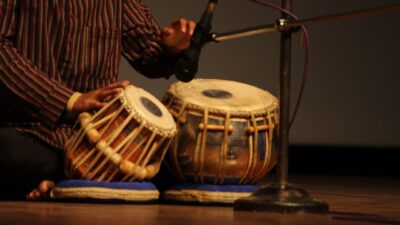
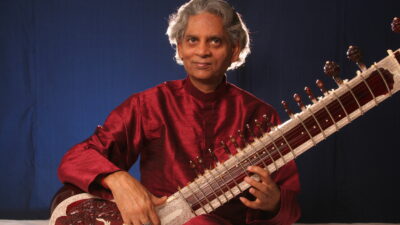
शंकर-जयकिशन ने यह गीत राग खमाज की उष्ण, आमंत्रणकारी प्रकृति पर बनाया — खमाज परंपरागत रूप से वसंत, रोमांटिक प्रेम और अर्ध-शास्त्रीय ठुमरी से जुड़ा है। दादरा ताल का छः-मात्रा का चक्र एक हल्की झूलती गति देता है। सितार अंतरा में शास्त्रीय रंग लाता है। लता की आवाज़ यहाँ एक अलग रूप में है — उनकी आम दिव्य सोप्रानो की जगह एक उष्मा और मिट्टी से जुड़ापन है जो एक वास्तविक स्त्री की आवाज़ लगती है।
अंग्रेज़ी में पढ़ें · Read in English
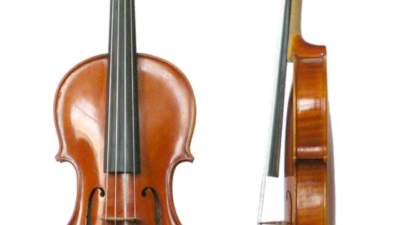
Shankar-Jaikishan built this song on the warm, inviting quality of Raag Khamaj — a raag traditionally associated with the spring season, romantic love, and semi-classical thumri. The Dadra taal's six beats create a gentle swinging motion perfectly suited to the song's playful invitation. The sitar provides a classical color in the interludes while the harmonium and violin maintain the melodic thread. Lata's voice in this song shows a different register from her usual ethereal soprano — she brings a warmth and earthiness that suggests a real woman speaking rather than a divine voice descending. The ornamentation is present but restrained — gamaks and meends that belong to the folk-classical tradition rather than pure Khayal.
काव्य The Poetry
शैलेंद्र ब्रज भाषा शब्दावली — 'अखियों', 'मोरी', 'बाँहों' — का उपयोग कर गीत को उत्तर भारतीय लोक-प्रेम-काव्य का स्वाद देते हैं। केंद्रीय कल्पना चंचल है: प्रिय की आँखें 'सुरीली' हैं — दृश्य और ध्वनि का एक समानुभूति-चित्र। 'मोरी बाँहों में आ जा' की सीधी, निर्भय प्रेम-घोषणा उस युग के फ़िल्मी गीतों में असामान्य थी। शैलेंद्र यहाँ स्त्री की रोमांटिक सक्रियता का उत्सव करते हैं।
अंग्रेज़ी में पढ़ें · Read in English
Shailendra draws on Braj bhasha vocabulary — 'akhiyon' (eyes), 'mori' (my), 'baahon' (arms) — to give the lyric the flavour of North Indian folk romantic poetry. The central conceit is playful: the beloved's eyes are 'sureeli' (melodious) — a synesthetic image mixing sound and sight, suggesting that the lover's eyes make music in the beholder's heart. The invitation 'mori baahon mein aa ja' is direct, uninhibited, and joyful — unusual for film songs of the era, which often expressed love obliquely. Shailendra here celebrates female romantic agency without reservation.
कहानी The Story
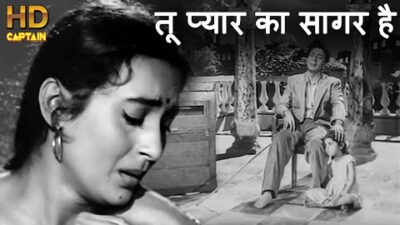
फ़िल्म 'सीमा' (१९५५) में शंकर-जयकिशन को एक व्यापक रेंज के गाने देने थे — 'तू प्यार का सागर है' जैसी भक्ति से 'सुरीली अखियों वाले' जैसी रोमांटिक हल्कापन तक। यह विरोधाभास जानबूझकर था: निर्देशक अमिय चक्रवर्ती चाहते थे कि संगीत नूतन के पात्र के परिवर्तन को दर्शाए। हल्के, उत्सवी गीत उस रूपांतरण की अभिव्यक्ति हैं।
अंग्रेज़ी में पढ़ें · Read in English
Seema (1955) required a range of songs from Shankar-Jaikishan — from the devotional depth of 'Tu Pyar Ka Sagar Hai' to the romantic lightness of 'Sureeli Akhiyon Wale.' This contrast was deliberate: director Amiya Chakravarty wanted the music to mirror the transformation of Nutan's character from a difficult, rebellious girl into a woman capable of love and devotion. The lighter, more joyful songs like this one represent the emergence of that capacity. Lata Mangeshkar was at this period recording dozens of songs a year for multiple composers — but Shankar-Jaikishan's ear for her range meant they consistently drew the best from her across different moods.
विरासत The Legacy
'सुरीली अखियों वाले' शंकर-जयकिशन की धुन-कुशलता और लता की बहुमुखी प्रतिभा का प्रिय उदाहरण है। यह १९५०-दशक के सर्वश्रेष्ठ रोमांटिक गीतों के संकलनों में नियमित रूप से शामिल है।
अंग्रेज़ी में पढ़ें · Read in English
"Sureeli Akhiyon Wale" remains a beloved example of Shankar-Jaikishan's melodic mastery and Lata's versatility. It appears on compilations of the best romantic songs of the 1950s and is a regular feature of Lata Mangeshkar retrospectives. The song represents the lighter, joyful side of the Golden Era's musical imagination — a reminder that the era's greatness was not just in depth and tragedy but in sheer melodic delight.
वर्गीकरण
Classification- Tempo
- Medium
Genre
अन्य विवरण
More Details- Wikipedia: Seema (1955 film). https://en.wikipedia.org/wiki/Seema_(1955_film)
- Wikipedia: Lata Mangeshkar. https://en.wikipedia.org/wiki/Lata_Mangeshkar
- Hindi Film Geet Kosh Vol. 3 (1951-1960), Harmandir Singh Hamraaz
References
रोचक तथ्य
Margin Notesशंकर-जयकिशन ने एक ही फ़िल्म 'सीमा' के लिए गहरे भक्तिभाव वाला 'तू प्यार का सागर है' और हल्का-फुल्का रोमांटिक 'सुरीली अखियों वाले' — दोनों की रचना की, जो उनकी असाधारण बहुमुखी प्रतिभा को दर्शाता है।
अंग्रेज़ी में पढ़ें · Read in English
Shankar-Jaikishan composed both the deeply devotional 'Tu Pyar Ka Sagar Hai' and the light romantic 'Sureeli Akhiyon Wale' for the same film Seema — demonstrating their extraordinary range.
इस गीत में परदे पर नज़र आईं नूतन अपनी इस क्षमता के लिए जानी जाती थीं कि वे एक ही फ़िल्म में विरोधाभासी भावदशाओं को जी सकती थीं — विद्रोह से लेकर कोमलता और आनंद तक।
अंग्रेज़ी में पढ़ें · Read in English
Nutan, who is picturized in this song, was known for her ability to embody contrasting emotional states within a single film — from rebellion to vulnerability to joy.
1955 की एक बंबई फ़िल्म के गीत में ब्रज-शब्दावली का प्रयोग शैलेंद्र की इस मान्यता को दर्शाता है कि लोक हिंदी बोलियाँ मानकीकृत साहित्यिक हिंदी से कहीं अधिक भावनात्मक गूंज रखती हैं।
अंग्रेज़ी में पढ़ें · Read in English
The use of Braj vocabulary in a 1955 Bombay film song reflects Shailendra's belief that folk Hindi dialects were more emotionally resonant than standardized literary Hindi.
नमूना-पट्टी
The Specimen Table| शीर्षक | सुरीली अखियों वाले · Sureeli Akhiyon Wale |
|---|---|
| वर्ष · युग | 1955 — Golden Era |
| गायक | Lata Mangeshkar |
| गीतकार | Shailendra |
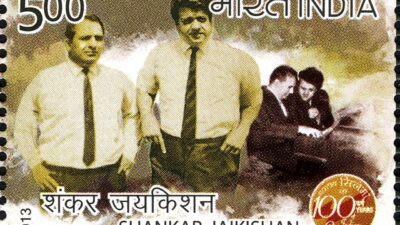
| संगीतकार | Shankar-Jaikishan |
| स्वरूप | एकल महिला |
| गति | मध्यम |
| अवधि | circa 3:30 |
| भाषा | Hindi · Braj |
| वाद्य | harmonium · tabla · sitar · violin |
| भाव | आनंदित · चुलबुला · रोमांटिक |
| लोकप्रियता | Popular |
| बोल-स्थिति | केवल झलक |
जुड़े हुए पन्ने
Connected Plates · The Graph Made Visibleअटलस में कोई पन्ना अकेला नहीं — इस गीत से जुड़े गीत, कलाकार, फ़िल्म, राग-ताल-विधा, सब यहाँ से खुलते हैं।
मिलते-जुलते गीत · Related Songs
कलाकार · The Artists
युग · The Era
साझा कीजिए · Share this Plate
यह पन्ना आगे बढ़ाइए
सुरीली अखियों वाले — जब लता ने यह गाया, वे फ़िल्म के लिए नहीं गा रही थीं; वे उस हर स्त्री के लिए गा रही थीं जो यह कहना चाहती है।
Sureeli akhiyon wale — when Lata sang this, she was not singing for the film; she was singing for every woman who has ever wanted to say those words.
— Music critic (HMV retrospective, 1985)
सवाल-जवाब
Questions & Answersसुरीली अखियों वाले किस फ़िल्म का गाना है? · Which film is Sureeli Akhiyon Wale from?
नूतन अभिनीत १९५५ की फ़िल्म 'सीमा' से। शंकर-जयकिशन का संगीत, शैलेंद्र के बोल।
From the 1955 film Seema, starring Nutan. Music by Shankar-Jaikishan, lyrics by Shailendra.
यह गाना किसने गाया? · Who sang Sureeli Akhiyon Wale?
लता मंगेशकर ने — 'सीमा' (१९५५) में नूतन के लिए प्लेबैक में।
Lata Mangeshkar, as playback for Nutan in the film Seema (1955).