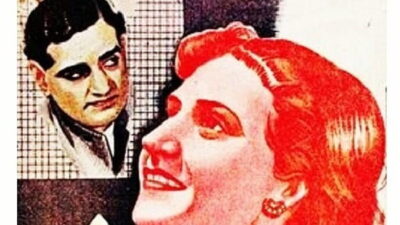
गीत विंग · गीत-पट्टिका · Song Plate
पंछी काहे होता उदास
Panchhi Kahe Hota Udas
'पंछी काहे होता उदास?' — सादे, लोक-रंगी हिंदी में रचा एक ढाढ़स देता सहगल गीत।
भावउदास · शांत · दार्शनिक
भाषाhindi गतिधीमी स्वरूपएकल पुरुष
श्रेय
The Creditsसूत्र-वाक्य · The Hook
सूत्र-वाक्य
'पंछी काहे होता उदास?' — सादे, लोक-रंगी हिंदी में रचा एक ढाढ़स देता सहगल गीत।
In English'Why does the little bird grieve?' — a consoling Saigal lyric drawn in plain, folk-tinged Hindi.
पट्टिका-लेख
The Monographपरिचय Overview
मेरी बहन से एक कोमल, ढाढ़स देता सहगल एकल जो पूछता है कि पंछी क्यों उदास होता है। पंकज मलिक द्वारा पंडित भूषण की सादी, लोक-रंगी हिंदी पर रचित, यह गीत फ़िल्म के उर्दू-झुकाव वाले गीतों से भिन्न है, और फ़िल्म के पारिवारिक विषय के अनुरूप एक शांत, अधिक ग्राम्य सांत्वना देता है।
अंग्रेज़ी में पढ़ें · Read in English
A gentle, consoling Saigal solo from Meri Bahen that asks why the little bird grieves. Composed by Pankaj Mullick to Pandit Bhushan's plain, folk-coloured Hindi, the song contrasts with the film's Urdu-leaning numbers, offering a quieter, more pastoral form of comfort in keeping with the film's family theme.
संगीत The Music
पंकज मलिक एक सरल, लोरी-सी मधुर आकृति और धीमी लय चुनते हैं जो सांत्वना के भाव को साँस लेने देती है। न्यू थिएटर्स की हल्की वाद्य-सज्जा सहगल के मार्ग से हटी रहती है, और उनकी गर्म निचली आवाज़ को ढाढ़स देने देती है।
अंग्रेज़ी में पढ़ें · Read in English
Pankaj Mullick chooses a simple, lullaby-like melodic shape and a slow tempo that lets the consoling sentiment breathe. The light New Theatres orchestration stays out of Saigal's way, letting his warm lower register do the comforting.
काव्य The Poetry
'पंछी काहे होता उदास' पंछी को सांत्वना के प्रतीक के रूप में प्रयोग करता है — एक उपकरण जो संस्कृत साहित्य और लोक-परंपरा दोनों में जड़ें रखता है। पास बैठा पंछी जो 'तुम क्यों उदास हो?' पूछता है, कालिदास के मेघदूत या हीर-रांझा की परंपरा में पाए जाने वाले दूत-पंछी के प्रतीक को उलट देता है। यहाँ पंछी भटका हुआ नहीं बल्कि जानने वाला और प्रश्न करने वाला है; प्रश्न अलंकारिक है, जो श्रोता को दुःख की प्रकृति पर विचार की ओर ले जाता है। पंडित भूषण का बोल, जैसा फ़िल्म श्रेय में दर्ज है, साहित्यिक उर्दू के बजाय सादी हिंदी में है — गीत के लोक-ग्राम्य स्वर और सांत्वना देने वाले भावनात्मक कार्य के अनुरूप। पूर्ण बोल आरक्षित हैं (पंडित भूषण का निधन वर्ष अपुष्ट), लेकिन शीर्षक और गीत की दस्तावेज़ीकृत मनोदशा वर्गीकरण (विषाद / दार्शनिक / शांत) एक साथ ऐसे बोल का संकेत देते हैं जो पंछी-संबोधन को आंतरिक जिज्ञासा के एक ढाँचे के रूप में उपयोग करते हैं।
अंग्रेज़ी में पढ़ें · Read in English
'Panchhi Kahe Hota Udas' uses the bird as a figure of consolation — a device rooted in both Sanskrit literature and the folk tradition. The bird perched nearby, asking 'why do you grieve?', inverts the usual bird-as-messenger motif found in Kalidasa's Meghaduta or in the Heer-Ranjha tradition. Here the bird is knowing and questioning rather than errant; the question is rhetorical, leading the listener toward reflection on the nature of sorrow itself. Pandit Bhushan's lyric, as documented in the film's credits, works in plain Hindi rather than literary Urdu — consistent with the song's folk-pastoral register and its consoling emotional function. Full lyrics are withheld (Pandit Bhushan's death year unconfirmed), but the title and the song's documented mood classification (Melancholic / Philosophical / Peaceful) together suggest a lyric that uses the bird-address as a frame for inner questioning. The conversational simplicity is itself the point: consolation, in the Braj-folk register Pandit Bhushan deployed here, speaks through direct address and plain language, not ornamentation.
कहानी The Story
मेरी बहन (1944) न्यू थिएटर्स के लिए के.एल. सहगल की अंतिम फ़िल्म थी — वह कलकत्ता का स्टूडियो जिसने उन्हें 1930 के दशक की शुरुआत में देवदास (1935) और प्रेसिडेंट (1937) जैसी फ़िल्मों से सितारा बनाया था। 1944 तक सहगल बंबई में बस चुके थे, लेकिन उस स्टूडियो के साथ अंतिम बार काम करने कलकत्ता लौटे जिसने उनका करियर गढ़ा था — हेमचंद्र चंदर के निर्देशन में। फ़िल्म द्वितीय विश्वयुद्ध के कलकत्ता की पृष्ठभूमि पर बनी थी — एक महत्त्वपूर्ण नाटकीय संदर्भ, क्योंकि दिसंबर 1942 में जापानी वायुसेना ने शहर पर बमबारी की थी। कहानी एक स्कूल शिक्षक और उसकी छोटी बहन के इर्द-गिर्द थी। 'पंछी काहे होता उदास' इस संदर्भ में एक ग्राम्य-लोक सांत्वना के रूप में आता है — पंछी को संबोधित एक शांत, भरोसा दिलाता गीत।
अंग्रेज़ी में पढ़ें · Read in English
Meri Bahen (1944) was K.L. Saigal's final film for New Theatres, the Calcutta studio that had made him a star in the early 1930s with films such as Devdas (1935) and President (1937). By 1944, Saigal had moved his base to Bombay, but returned to Calcutta to make one last picture with the studio that had shaped his career, directed by Hemchandra Chunder. The film was set against the backdrop of World War II in Calcutta — a significant dramatic context, as the city had been bombed by Japanese aircraft in December 1942 and remained under considerable military pressure through 1944. The story centred on a schoolteacher and his younger sister, its domestic intimacy contrasting with the turbulent wartime backdrop. 'Panchhi Kahe Hota Udas' appears in this context as a song of pastoral consolation — a folk-tinged, bird-addressed reassurance that introduces a quieter register into a score otherwise preoccupied with philosophical questioning and familial duty.
विरासत The Legacy
मेरी बहन (1944) उस वर्ष की चौथी सबसे अधिक कमाई करने वाली भारतीय फ़िल्म थी और उत्तरकालीन सहगल के न्यू थिएटर्स दस्तावेज़ के रूप में याद की जाती है: तकनीकी रूप से परिपक्व, भावनात्मक रूप से गहरी, और कलकत्ता स्कूल का प्रतिनिधित्व करती हुई। 'पंछी काहे होता उदास' फ़िल्म के सबसे अधिक पुनर्जीवित गीतों में नहीं है, लेकिन यह सहगल की लघु स्वर में भी असली ग्राम्य गर्माहट खोजने की क्षमता का प्रमाण है। पंकज मलिक के लिए — जो एक प्रख्यात टैगोर विद्वान भी थे — यह फ़िल्म उस शांत, स्वर-केंद्रित संयोजन में उनकी महारत की पुष्टि करती है जो सहगल की उत्तर-शैली की सेवा में उन बंबई ऑर्केस्ट्रेशन से कहीं बेहतर था जिनसे वे अपने अंतिम वर्षों में सामना करते थे।
अंग्रेज़ी में पढ़ें · Read in English
Meri Bahen (1944) was the fourth highest-grossing Indian film of that year and is remembered as the definitive late-Saigal New Theatres document: technically accomplished, emotionally mature, and representative of the Calcutta school at the close of its creative dominance. 'Panchhi Kahe Hota Udas' is not among the film's most frequently revived numbers, but it is a record of Saigal's capacity to locate genuine pastoral warmth even in the minor register. For Pankaj Mullick — also an eminent Tagore scholar and one of the first musicians to bring Rabindra Sangeet to mass film audiences — the film affirmed his mastery of the quiet, voice-forward arrangement that served Saigal's late style far better than the heavier Bombay orchestrations the singer encountered elsewhere in his final years.
वर्गीकरण
Classification- Tempo
- Slow
Genre
अन्य विवरण
More Details- https://en.wikipedia.org/wiki/Meri_Bahen
- https://www.cinemaazi.com/people/k-l-saigal
- https://www.cinemaazi.com/people/pankaj-mullick
- https://www.hindigeetmala.net/movie/meri_bahen.htm
References
रोचक तथ्य
Margin Notesमेरी बहन (1944) के.एल. सहगल की न्यू थिएटर्स कलकत्ता के लिए बनाई गई अंतिम फ़िल्म थी; कहा जाता है कि वे विशेष रूप से इसी फ़िल्म के लिए बंबई से लौटे थे, उस स्टूडियो के प्रति निष्ठा के चलते जिसने उनके करियर की शुरुआत की थी।
अंग्रेज़ी में पढ़ें · Read in English
Meri Bahen (My Sister, 1944) was K.L. Saigal's last film made for New Theatres Calcutta; he reportedly returned from Bombay specifically for this production, out of loyalty to the studio that had launched his career.
यह फ़िल्म द्वितीय विश्वयुद्ध के दौर के कलकत्ता की पृष्ठभूमि में बनी है; दिसंबर 1942 में जापानी विमानों ने शहर पर बमबारी की थी, और 1944 तक शहर युद्धकालीन सैन्य दबाव में रहा।
अंग्रेज़ी में पढ़ें · Read in English
The film is set against the backdrop of WWII Calcutta; Japanese aircraft had bombed the city in December 1942, and the city remained under wartime military pressure through 1944.
मेरी बहन 1944 की चौथी सबसे अधिक कमाई करने वाली भारतीय फ़िल्म थी।
अंग्रेज़ी में पढ़ें · Read in English
Meri Bahen was the fourth highest-grossing Indian film of 1944.
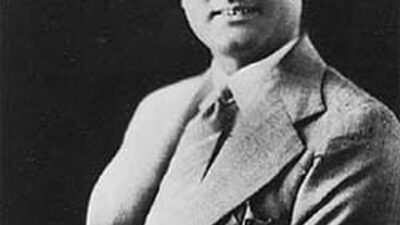
फ़िल्म के संगीत निर्देशक पंकज मलिक (1905–1978) उन शुरुआती संगीतकारों में से थे जिन्होंने फ़िल्म और रेडियो के माध्यम से रवींद्र संगीत को जन-जन तक लोकप्रिय बनाया, और शास्त्रीय बंगाली-टैगोर शैली को व्यावसायिक हिंदी सिनेमा की मांगों के साथ जोड़ा।
अंग्रेज़ी में पढ़ें · Read in English
Pankaj Mullick (1905–1978), the film's music director, was also among the first musicians in India to popularise Rabindra Sangeet to mass audiences through film and radio, combining a classical Bengali-Tagore orientation with the demands of commercial Hindi cinema.
नमूना-पट्टी
The Specimen Table| शीर्षक | पंछी काहे होता उदास · Panchhi Kahe Hota Udas |
|---|---|
| फ़िल्म | मेरी बहन · 1944 |
| वर्ष · युग | 1944 |
| गायक | K.L. Saigal |
| गीतकार | Pandit Bhushan |
| संगीतकार | Pankaj Mullick |
| स्वरूप | एकल पुरुष |
| गति | धीमी |
| भाषा | hindi |
| भाव | उदास · शांत · दार्शनिक |
| लोकप्रियता | Popular |
| बोल-स्थिति | केवल झलक |
जुड़े हुए पन्ने
Connected Plates · The Graph Made Visibleअटलस में कोई पन्ना अकेला नहीं — इस गीत से जुड़े गीत, कलाकार, फ़िल्म, राग-ताल-विधा, सब यहाँ से खुलते हैं।
मिलते-जुलते गीत · Related Songs
कलाकार · The Artists
फ़िल्म · The Film
साझा कीजिए · Share this Plate