गीत विंग · गीत-पट्टिका · Song Plate
जवानी में आके दुनिया बदल
Jawani Me Aake Duniya Badal
परदेसी में ख़ुर्शीद का एक एकल, जवानी और बदलती दुनिया पर ('जवानी में आके दुनिया बदल')।
भावमीठा-कड़वा · दार्शनिक
भाषाhindi गतिमध्यम स्वरूपएकल महिला
श्रेय
The Creditsसूत्र-वाक्य · The Hook
सूत्र-वाक्य
परदेसी में ख़ुर्शीद का एक एकल, जवानी और बदलती दुनिया पर ('जवानी में आके दुनिया बदल')।
In EnglishA Khursheed solo on youth and the changing world ('jawani me aake duniya badal') from Pardesi.
पट्टिका-लेख
The Monographपरिचय Overview
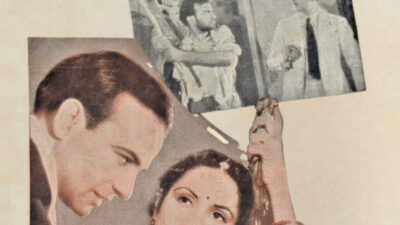
परदेसी (1941) में ख़ुर्शीद का एक एकल, संगीत खेमचंद प्रकाश का। जवानी के आने और दुनिया के बदलने का भाव इसे फ़िल्म के चिंतनशील गीतों में रखता है, जिसे स्टूडियो की प्रमुख गायिका-नायिका ने स्वर दिया।
अंग्रेज़ी में पढ़ें · Read in English
A Khursheed solo from Pardesi (1941), composed by Khemchand Prakash. The theme of youth arriving and the world changing places it among the film's reflective songs, voiced by the studio's leading singing star.
काव्य The Poetry
"जवानी में आके दुनिया बदल" एक दार्शनिक-चिंतनशील गीत है, एक युवा स्त्री की आवाज़ में जो देखती है कि जवानी के अनुभव ने उसकी दुनिया की समझ को कैसे बदल दिया। यह भाव — जवानी एक परिवर्तनकारी दृष्टि के रूप में — हिंदी फ़िल्म गीत की उस बिल्डुंग्स्रोमन-धारा से संबंधित है जहाँ नायिका की आंतरिक परिपक्वता नाटकीय कार्रवाई की बजाय चिंतनशील गीत में व्यक्त होती है। परदेसी के संगीत-पट्टी के दस्तावेज़ित गीतकार डी.एन. माधोक और पी.एल. संतोषी दोनों उस सुलभ हिंदी-उर्दू मुहावरे में लिखते थे जो दार्शनिक भार को भावनात्मक ऊष्मा के साथ संतुलित करता था। गीत के अंतिम शब्द "बदल" (बदलना, परिवर्तित होना) से एक खुली घोषणा बनती है: दुनिया बदलती है — किंतु यह उत्सव का कारण है या शोक का, यह सुनने वाले के अनुभव पर निर्भर करता है। ख़ुर्शीद की आवाज़ — अपनी ऊष्ण, गहरी गुणवत्ता और स्पष्ट उर्दू उच्चारण के लिए जानी जाती थी — इस चिंतनशील गीत को स्वाभाविक अधिकार से लेकर चलती थी। दार्शनिक विषयवस्तु और महिला एकल का यह संयोजन 1940s के हिंदी फ़िल्म गीत-लेखन की एक महत्त्वपूर्ण धारा थी।
अंग्रेज़ी में पढ़ें · Read in English
"Jawani Me Aake Duniya Badal" — "In youth's arrival, the world changes" — is a philosophical reflective lyric in the voice of a young woman observing how the experience of youth reshapes one's entire perception of reality. This trope — youth as a transformative lens — belongs to the bildungsroman strand of Hindi film lyrics, where the heroine's inner growth is voiced in reflective song rather than dramatic action. D.N. Madhok and P.L. Santoshi, the documented lyricists for Pardesi's soundtrack, both wrote in an accessible Hindi-Urdu idiom that balanced philosophical weight with emotional warmth. The verb "badal" (to change, to transform) as the song's final word creates an open-ended statement: the world changes, but whether this is cause for celebration or mourning depends on the listener's experience. Khursheed's voice, known for its warm, husky quality and lucid Urdu diction, would have carried this reflective lyric with natural authority. The combination of philosophical theme and female solo voice — the young woman as the one who perceives the world's transformation — was a significant strand of 1940s Hindi film songwriting, setting the genre's heroine as a thinking, feeling protagonist rather than merely a romantic object.
कहानी The Story
"जवानी में आके दुनिया बदल" परदेसी (1941) में ख़ुर्शीद का एकल है — रंजित मूवीटोन निर्मित और चतुर्भुज दोशी निर्देशित। चंदूलाल शाह द्वारा 1929 में स्थापित रंजित मूवीटोन, युद्ध-पूर्व बॉम्बे सिनेमा के सर्वाधिक स्थिर और उत्पादक स्टूडियो में से एक था, जो अपनी परिष्कृत सामाजिक ड्रामाओं और विश्वसनीय स्टार-गायक संयोजनों के लिए जाना जाता था। परदेसी की स्टारकास्ट में मोतीलाल, ख़ुर्शीद, स्नेहप्रभा प्रधान, कांतिलाल और ई. बिलिमोरिया शामिल थे; संगीत खेमचंद प्रकाश का और बोल मुख्यतः डी.एन. माधोक और पी.एल. संतोषी के। पंद्रह गीतों के साथ परदेसी उस दौर के मानदंडों के हिसाब से भी उदारतापूर्वक संगीतबद्ध थी। ख़ुर्शीद स्टूडियो की प्रमुख गायिका-नायिका थीं, और यह एकल — यह चिंतन कि जवानी दुनिया को कैसे बदल देती है — उन्हें फ़िल्म के दार्शनिक-रोमांटिक स्वर के केंद्र में रखता है। इस गीत का विशिष्ट गीतकार व्यक्तिगत रूप से प्रलेखित नहीं है।
अंग्रेज़ी में पढ़ें · Read in English
"Jawani Me Aake Duniya Badal" is a Khursheed solo from Pardesi (1941), produced by Ranjit Movietone and directed by Chaturbhuj Doshi. Ranjit Movietone, founded by Chandulal Shah in 1929, was one of the most stable and prolific studios of pre-war Bombay cinema, known for its polished social dramas and reliable star-singer combinations. The cast of Pardesi included Motilal, Khursheed, Snehprabha Pradhan, Kantilal, and E. Billimoria, with music by Khemchand Prakash and lyrics chiefly by D.N. Madhok and P.L. Santoshi. With fifteen songs in the soundtrack, Pardesi was generously scored even by the standards of the era. Khursheed was the studio's leading singing star, and this solo — reflecting on how youth transforms one's view of the world — places her voice at the centre of the film's philosophical-romantic strand. The song's contemplative theme, addressing the moment when youthful idealism meets the complexity of the world, would have functioned as a lyric pause in the narrative, giving the audience space to reflect on the heroine's interior state. The lyricist for this specific song is not individually documented.
विरासत The Legacy
ख़ुर्शीद बानो (1914–2001) और खेमचंद प्रकाश ने 1940s के प्रारंभ में हिंदी सिनेमा की एक निर्णायक गायिका-संगीतकार जोड़ी बनाई। रंजित मूवीटोन की फ़िल्मों में उनका साथ — परदेसी सहित — उस कार्य-संबंध को स्थापित करता है जो तानसेन (1943) में के.एल. सहगल के साथ अपने व्यावसायिक और कलात्मक शीर्ष पर पहुँचा। ख़ुर्शीद 1948 में पाकिस्तान चली गईं, और उनकी विभाजन-पूर्व फ़िल्में — परदेसी सहित — हिंदी सवाक फ़िल्म युग से उनकी आवाज़ के अपेक्षाकृत सुरक्षित ध्वनि-दस्तावेज़ हैं। खेमचंद प्रकाश (1906–1950) का 1940s में पूरे दशक में संगीत रहा और उनकी असमय मृत्यु से पहले; आज वे मुख्यतः महल (1949) के लता मंगेशकर द्वारा गाए "आयेगा आनेवाला" के लिए स्मरण किए जाते हैं — हिंदी फ़िल्म इतिहास के सर्वाधिक भूतिया गीतों में से एक। परदेसी स्वयं व्यापक रूप से पुनर्जीवित नहीं हुई, किंतु उसकी पंद्रह-गीत संगीत-पट्टी रंजित मूवीटोन युग के संगीत उत्पादन का एक महत्त्वपूर्ण जीवित दस्तावेज़ है।
अंग्रेज़ी में पढ़ें · Read in English
Khursheed Bano (1914–2001) and Khemchand Prakash formed one of the defining singer-composer partnerships of the early 1940s, with their collaboration on Ranjit Movietone films including Pardesi establishing the working relationship that would reach its commercial and artistic peak in Tansen (1943) with K.L. Saigal. Khursheed migrated to Pakistan in 1948, and her pre-partition films — including Pardesi — remain among the relatively well-documented recordings of her voice from the Hindi sound-film era. Khemchand Prakash (1906–1950) composed across the 1940s before his early death; he is now best remembered for "Aayega Aanewala" from Mahal (1949), sung by Lata Mangeshkar, which is considered among the most haunting songs in Hindi film history. Pardesi itself is not widely revived, but its fifteen-song soundtrack represents a significant surviving document of the Ranjit Movietone era's musical output, featuring two of the decade's most important voices in Khursheed and Kantilal.
वर्गीकरण
Classification- Tempo
- Medium
Genre
अन्य विवरण
More Details- https://www.imdb.com/title/tt0213979/
- https://www.bollywoodmdb.com/movies/cast-crew/pardesi/11642
- https://en.wikipedia.org/wiki/Khursheed_Bano
- https://en.wikipedia.org/wiki/Khemchand_Prakash
- https://cinemaazi.com/people/khursheed-1
References
रोचक तथ्य
Margin Notesपरदेसी (1941) का निर्माण रणजीत मूवीटोन ने किया था, जो बॉम्बे के सबसे लंबे समय तक चलने वाले स्टूडियो में से एक था, जिसकी स्थापना चंदूलाल शाह ने 1929 में की थी; यह परिष्कृत सामाजिक नाटकों के लिए जाना जाता था और 1950 के दशक के मध्य तक सक्रिय रहा।
अंग्रेज़ी में पढ़ें · Read in English
Pardesi (1941) was produced by Ranjit Movietone, one of Bombay's longest-running studios, founded by Chandulal Shah in 1929; it was known for polished social dramas and remained active through the mid-1950s.
ख़ुर्शीद बानो (1914-2001) ने लैला मजनू (1931) से अपनी अभिनय-यात्रा शुरू की थी, और 1940 के दशक की शुरुआत तक वे रणजीत मूवीटोन की अग्रणी गायिका-अभिनेत्री बन चुकी थीं; 1948 में वे पाकिस्तान चली गईं और सार्वजनिक जीवन से संन्यास ले लिया।
अंग्रेज़ी में पढ़ें · Read in English
Khursheed Bano (1914–2001) made her acting debut with Laila Majnu (1931) and was the leading singing-actress at Ranjit Movietone by the early 1940s; she migrated to Pakistan in 1948 and retired from public life.
संगीतकार खेमचंद प्रकाश को सबसे अधिक महल (1949) के गीत 'आएगा आनेवाला' के लिए याद किया जाता है, जिसे लता मंगेशकर ने गाया था — इस गीत को लता के करियर की शुरुआत का श्रेय दिया जाता है; परदेसी पर उनका पहले का काम उसी निर्माणकारी दशक का हिस्सा था।
अंग्रेज़ी में पढ़ें · Read in English
Composer Khemchand Prakash is best remembered for 'Aayega Aanewala' from Mahal (1949), sung by Lata Mangeshkar — a song credited with launching Lata's career; his earlier work on Pardesi was part of the same formative decade.
परदेसी में पंद्रह गीत थे — यह असामान्य रूप से बड़ी संख्या रणजीत मूवीटोन की विशिष्ट शैली को दर्शाती है, जो अपनी फ़िल्मों के लिए संगीत को प्रमुख व्यावसायिक आकर्षण मानती थी।
अंग्रेज़ी में पढ़ें · Read in English
Pardesi featured a cast of fifteen songs — an unusually large number reflecting Ranjit Movietone's house style, which prioritised music as the primary commercial draw for its productions.
नमूना-पट्टी
The Specimen Table| शीर्षक | जवानी में आके दुनिया बदल · Jawani Me Aake Duniya Badal |
|---|---|
| फ़िल्म | परदेसी · 1941 |
| वर्ष · युग | 1941 |
| गायक | Khursheed |
| संगीतकार | Khemchand Prakash |
| स्वरूप | एकल महिला |
| गति | मध्यम |
| भाषा | hindi |
| भाव | मीठा-कड़वा · दार्शनिक |
| लोकप्रियता | Known |
| बोल-स्थिति | केवल झलक |
जुड़े हुए पन्ने
Connected Plates · The Graph Made Visibleअटलस में कोई पन्ना अकेला नहीं — इस गीत से जुड़े गीत, कलाकार, फ़िल्म, राग-ताल-विधा, सब यहाँ से खुलते हैं।
मिलते-जुलते गीत · Related Songs
कलाकार · The Artists
फ़िल्म · The Film
साझा कीजिए · Share this Plate