कहानियाँ विंग · कहानी · Music History · 1932
दूसरा मौक़ा नहीं — 1932 में एक फ़िल्मी गीत कैसे रिकॉर्ड होता था
No Second Chance — How a Film Song Was Recorded in 1932
प्रकाशित20 June 2026
आमुख
1932 में भारतीय टॉकी में गीत कैसे बनता था — सिंगल-सिस्टम कैमरा, छिपे माइक्रोफ़ोन, फ़्रेम से बाहर का ऑर्केस्ट्रा, और एक भी ग़लती पर पूरे दृश्य की दोबारगी। साथ में: 1935 में नितिन बोस के प्लेबैक-प्रयोग ने कैसे इस बंधन को तोड़ा।
अंग्रेज़ी में पढ़ें · Read in English
How a song was made in the Indian talkie of 1932 — single-system camera, hidden microphones, orchestra out of frame, and one mistake sending the whole scene back to the start. And: how Nitin Bose's playback experiment in 1935 broke that constraint forever.
छिपा हुआ ऑर्केस्ट्रा
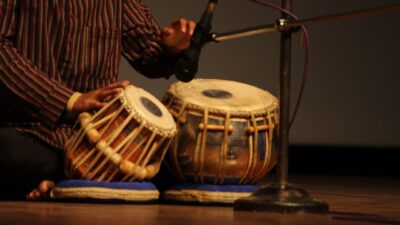
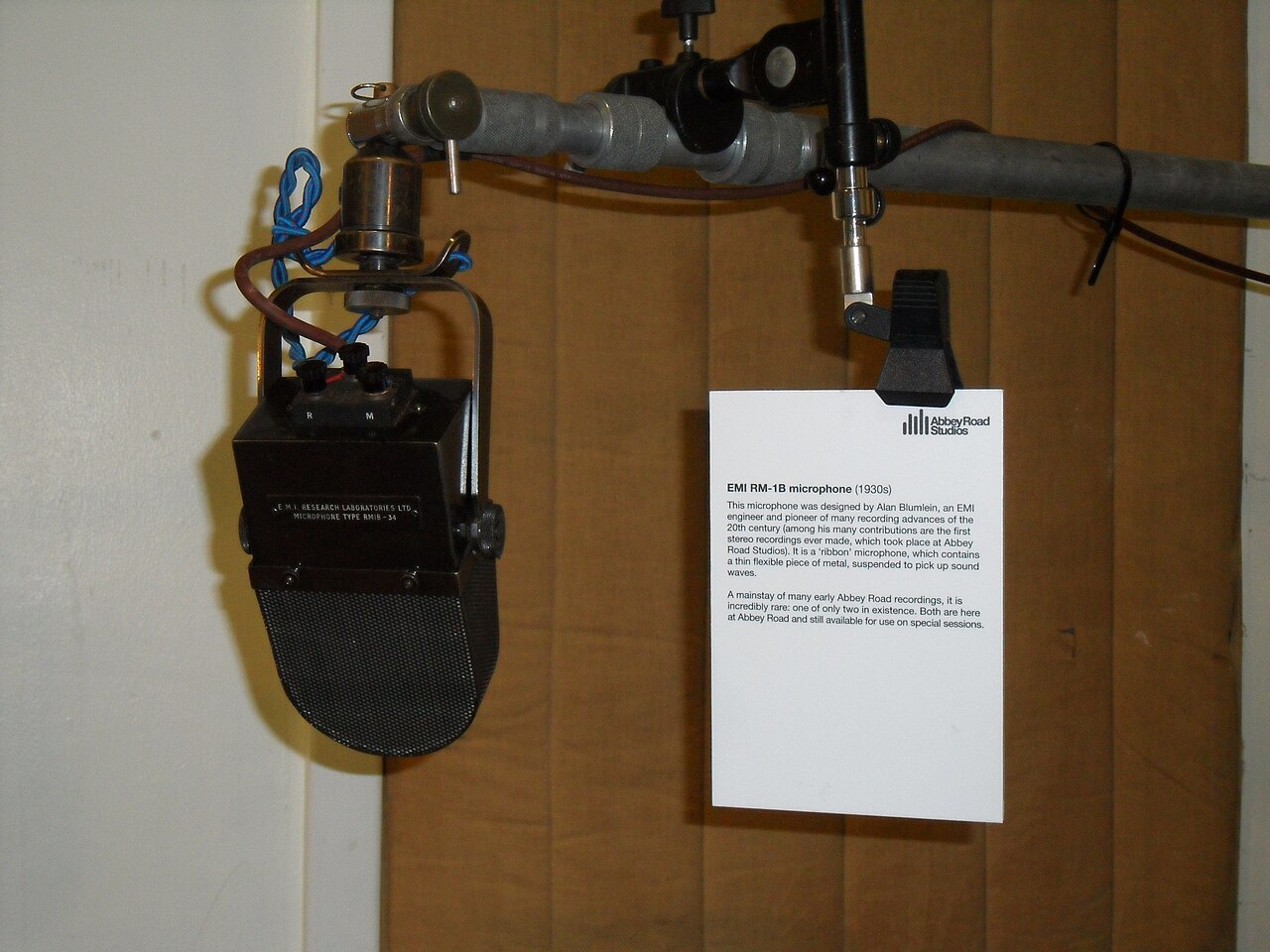
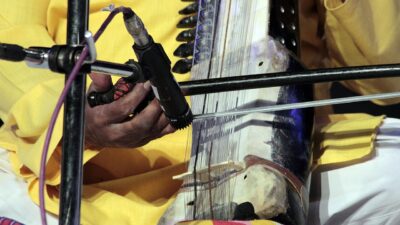
The hidden orchestra1932 में प्लेबैक का कोई अस्तित्व नहीं था — वह क्रांति तीन साल बाद 1935 में कलकत्ता के न्यू थिएटर्स में निर्देशक नितिन बोस और ध्वनि-रिकॉर्डिस्ट मुकुल बोस के हाथों आएगी। तब तक अभिनेता को ख़ुद गाना था — कैमरे के सामने, दृश्य के बीच। हारमोनियम, तबला, सारंगी — छोटा-सा दल फ़्रेम के बाहर, सेट की झाड़ियों या परदों के पीछे छिपा। माइक्रोफ़ोन लैंपों, गमलों और दीवारों में दबा। कलाकार उनकी ओर झुककर गाता — हिलने-डुलने की गुंजाइश नाममात्र, हर क़दम पर ध्वनि खोने का डर।
अंग्रेज़ी में पढ़ें · Read in English
In 1932 playback did not exist — that revolution would arrive three years later in 1935, when director Nitin Bose and sound recordist Mukul Bose pioneered the technique at New Theatres in Calcutta. Until then the actor had to sing for himself, live, in front of the camera, in the middle of the scene. Harmonium, tabla, sarangi — a small ensemble hidden just out of frame, behind the set's foliage or curtains. Microphones were buried in lamps, flowerpots and walls. The performer leaned toward them to sing: movement was almost impossible, every step risked losing the sound.
एक पट्टी, एक टेक
One strip, one takeसिंगल-सिस्टम रिकॉर्डिंग का अर्थ था कि ध्वनि और चित्र एक ही फ़िल्म-पट्टी पर एक साथ दर्ज होते थे। अलग ऑडियो ट्रैक नहीं, अलग मिक्सिंग नहीं। यदि तबले की थाप ज़्यादा तेज़ रही, या गायक की आवाज़ टूटी, या सेट पर कोई खाँस पड़ा — तो पूरा दृश्य दोबारा शुरू। रिटेक का मतलब था फिल्म की बर्बादी, समय की बर्बादी, पैसे की बर्बादी। इसीलिए गीत को एक ही शॉट में पिक्चराइज़ करना अनिवार्य था — कोई संपादन नहीं, कोई जोड़-तोड़ नहीं। गाने की पूरी यात्रा एक निरंतर, अखंड प्रस्तुति थी; मंच का अनुशासन परदे पर उतरा हुआ।
अंग्रेज़ी में पढ़ें · Read in English
Single-system recording meant that sound and image were captured simultaneously onto the same strip of film. No separate audio track, no mixing desk. If the tabla struck too hard, if the singer's voice cracked, if someone on set coughed — the entire scene had to begin again. A retake meant wasted film, wasted time, wasted money. Songs therefore had to be picturised in a single shot: no editing, no assembly. The full arc of a song was one unbroken, continuous performance — the discipline of the stage transplanted onto screen.
जीवित युग का अंत — प्लेबैक का आगमन
The end of the live era — playback arrives1935 में नितिन बोस ने वह सोचा जो किसी ने पहले न सोचा था: गीत को पहले स्टूडियो में रिकॉर्ड करो, फिर सेट पर बजाओ — और अभिनेता बस होंठ हिलाए। 'भाग्य चक्र' (बंगाली) और उसकी हिंदी नक़ल 'धूप छाँव' — दोनों 1935 में न्यू थिएटर्स से — ने यह जादू पहली बार दिखाया। उस क्षण से आवाज़ और चेहरा अलग हो गए, और भारतीय सिनेमा को उसकी असली संगीत-भाषा मिली। छिपे हारमोनियम और टूटते होठों का वह तनावपूर्ण युग — 1931 से 1935 तक — समाप्त हो गया।
अंग्रेज़ी में पढ़ें · Read in English
In 1935 Nitin Bose had an idea no one had acted on before: record the song first in a studio, then play it back on set — and let the actor simply move their lips. Bhagya Chakra (Bengali) and its Hindi remake Dhoop Chhaon — both produced at New Theatres that year — demonstrated the technique for the first time in Indian cinema. From that moment voice and face were separated, and Indian film found its true musical language. The tense era of hidden harmoniums and straining lips — 1931 to 1935 — was over.
परिचय
Identity- Epithet
- The single-system era: one mistake and the whole scene again
अन्य विवरण
More DetailsKey Figures
कहानी-नमूना
The Story Specimen| शीर्षक | दूसरा मौक़ा नहीं — 1932 में एक फ़िल्मी गीत कैसे रिकॉर्ड होता था · No Second Chance — How a Film Song Was Recorded in 1932 |
|---|---|
| श्रेणी | Music History |
| प्रकार | विशेष लेख |
| प्रकाशित | 20 June 2026 — admin |
| वर्ष | 1932 |
और कहानियाँ
More Stories from the Atlas
साझा कीजिए · Share this Plate
यह पन्ना आगे बढ़ाइए
सवाल-जवाब
Questions & Answers1932 में फ़िल्मी गीत कैसे रिकॉर्ड होता था? · How was a film song recorded in 1932?
अभिनेता कैमरे के सामने ख़ुद गाता था — बिना प्लेबैक के। ऑर्केस्ट्रा फ़्रेम के बाहर छिपा होता था, माइक्रोफ़ोन सेट की वस्तुओं में दबे। ध्वनि और चित्र एक ही पट्टी पर दर्ज होते थे (सिंगल-सिस्टम); कोई ग़लती हुई तो पूरा दृश्य दोबारा।
The actor sang live in front of the camera — no playback existed. The orchestra hid out of frame, microphones were concealed in set props. Sound and image recorded onto the same film strip (single-system); any mistake meant the entire scene again from the beginning.
प्लेबैक गायन भारत में कब और कहाँ शुरू हुआ? · When and where did playback singing begin in India?
1935 में, कलकत्ता के न्यू थिएटर्स में। निर्देशक नितिन बोस ने 'भाग्य चक्र' (बंगाली) और उसकी हिंदी नक़ल 'धूप छाँव' में पहली बार गीत स्टूडियो में रिकॉर्ड कर सेट पर बजाया — आवाज़ और चेहरे को अलग किया।
In 1935, at New Theatres in Calcutta. Director Nitin Bose first recorded songs separately in a studio and played them back on set — separating voice from face — in Bhagya Chakra (Bengali) and its Hindi remake Dhoop Chhaon.