कहानियाँ विंग · कहानी · Music History · 1931
निसार और कज्जन: भारत के पहले गायक-सितारे
Nissar & Kajjan: India's First Singing Superstars
प्रकाशित20 June 2026
आमुख
मास्टर निसार और मिस कज्जन — पारसी रंगमंच से कलकत्ता की मदन थिएटर्स ने निकाली बोलती फ़िल्म की पहली हिट गायक-जोड़ी, जो 'शीरीं फ़रहाद', 'लैला मजनूँ' और 'शकुंतला' (1931) से छाई और फिर बदलते संगीत के साथ ढल गई।
अंग्रेज़ी में पढ़ें · Read in English
Master Nissar and Miss Kajjan — the talkie's first hit singing pair, drawn from the Parsi stage by Calcutta's Madan Theatres, who rose with Shirin Farhad, Laila Majnu and Shakuntala (1931) and faded as film music changed.
रंगमंच से परदे तक एक छलाँग
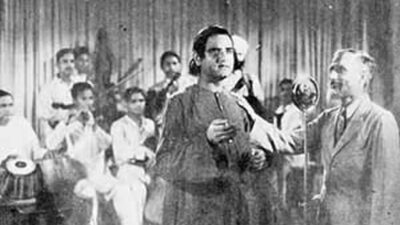
A leap from the stage to the screenजब 1931 में भारतीय फ़िल्में बोलने और गाने लगीं, तो स्टूडियो को ऐसे कलाकार चाहिए थे जो अदाकारी भी करें और गाएँ भी — और ऐसे लोग सबसे ज़्यादा पारसी रंगमंच में थे। कलकत्ता की मदन थिएटर्स कंपनी ने इसी रंगमंच से दो सितारे चुने: मास्टर निसार और जहाँआरा 'मिस कज्जन'। दोनों मंच पर पहले से गाते-अभिनय करते आ रहे थे; ऊँची, खुली, नाटकीय आवाज़ें — जो बिना माइक्रोफ़ोन के भी पिछली कतार तक पहुँचती थीं। बोलती फ़िल्म ने उन्हीं आवाज़ों को सैकड़ों शहरों के परदों पर पहुँचा दिया। रातों-रात रंगमंच के कलाकार देश के पहले फ़िल्मी गायक-सितारे बन गए।
अंग्रेज़ी में पढ़ें · Read in English
When Indian films began to speak and sing in 1931, the studios needed performers who could both act and sing — and such people were found above all in the Parsi theatre. The Madan Theatres company of Calcutta drew two of its stars straight from this stage: Master Nissar and Jehanara 'Miss Kajjan'. Both had long sung and acted on the boards; theirs were high, open, declamatory voices built to carry to the back row without a microphone. The talkie carried those same voices onto screens in hundreds of towns. Almost overnight, stage performers became the country's first film singing-stars.
कलकत्ता बनाम बंबई: दो टॉकी-राजधानियाँ
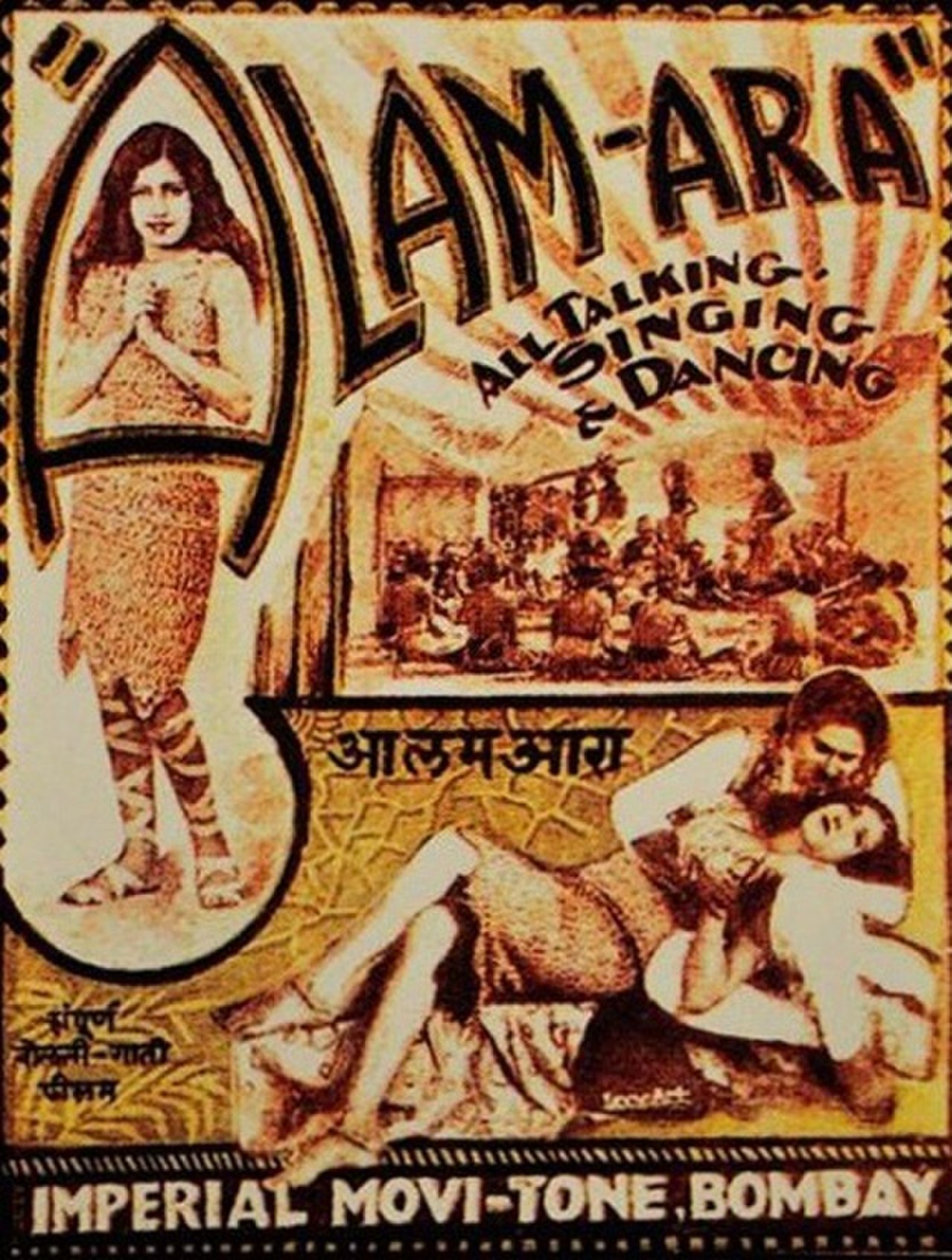
Calcutta versus Bombay: two talkie capitalsभारतीय बोलती फ़िल्म की कहानी शुरू से ही दो शहरों की प्रतिद्वंद्विता थी। बंबई में अर्देशिर ईरानी की इम्पीरियल फ़िल्म कंपनी ने 'आलम आरा' (14 मार्च 1931) से पहली टॉकी की दौड़ जीती। पर कलकत्ता में मदन थिएटर्स — जो पहले से नाट्य-मंडलियों और सिनेमाघरों का बड़ा साम्राज़्य चलाती थी — पीछे रहने वाली न थी। मदन ने तेज़ी से बोलती फ़िल्में बनानी शुरू कीं और अपने रंगमंच के सितारों, ख़ासकर निसार-कज्जन, को परदे पर उतारा। बंबई के पास तकनीक की पहली जीत थी; कलकत्ता के पास तैयार गायक-सितारे और हिट जोड़ी। इसी होड़ में भारतीय फ़िल्म-संगीत का बचपन बीता।
अंग्रेज़ी में पढ़ें · Read in English
The story of the Indian talkie was, from the start, a rivalry between two cities. In Bombay, Ardeshir Irani's Imperial Film Company won the race to the first talkie with Alam Ara (14 March 1931). But in Calcutta, Madan Theatres — already a vast empire of drama troupes and cinema halls — had no intention of trailing. Madan moved quickly into talkie production and put its own stage stars, above all Nissar and Kajjan, on screen. Bombay held the first technical victory; Calcutta held a ready-made pair of singing stars and a hit partnership. Indian film music spent its infancy in this contest.
एक हिट जोड़ी: शीरीं फ़रहाद से लैला मजनूँ तक
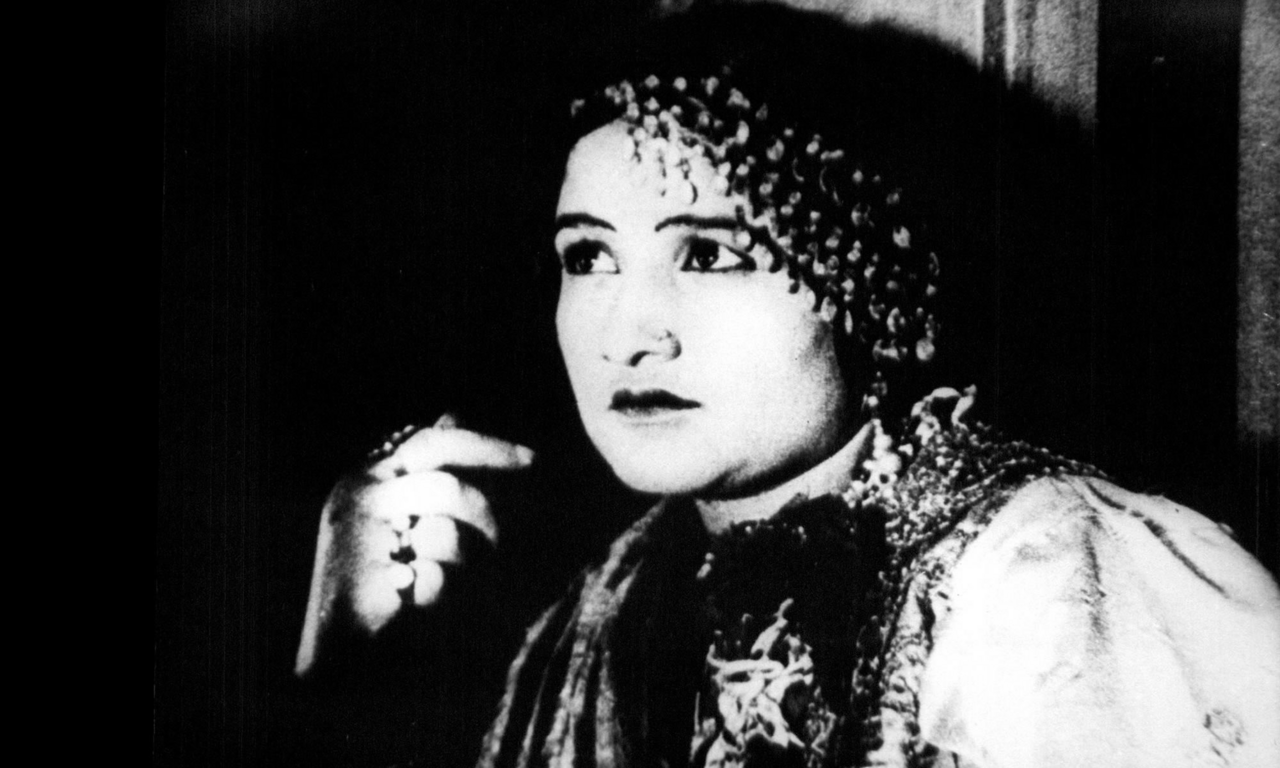
A hit pair: from Shirin Farhad to Laila Majnuनिसार और कज्जन को असली शोहरत मिली पारसी-रंगमंच की उन्हीं प्रेम-कथाओं से, जिन्हें मदन ने अब परदे पर सजीव किया। 'शीरीं फ़रहाद' दौर की सबसे चर्चित गायन-प्रधान फ़िल्मों में थी — कहा जाता है कि इसमें दर्जनों गीत थे, और निसार-कज्जन की युगल-आवाज़ें इसका दिल। फिर आई 'लैला मजनूँ', रेगिस्तानी प्रेम की वही अमर दास्तान, जिसमें यह जोड़ी प्रेमी-प्रेमिका बनकर गाती है। मदन की 'शकुंतला' (1931) जैसी फ़िल्मों ने भी उनकी पहुँच बढ़ाई। इन फ़िल्मों के गीत आगा हश्र कश्मीरी जैसे रंगमंच के नामी शायरों-नाटककारों की परंपरा से आते थे — गाढ़ी उर्दू-हिंदी ज़बान, ऊँचे सुर, और सीधे दिल को छूती नाटकीयता।
अंग्रेज़ी में पढ़ें · Read in English
Nissar and Kajjan won their real fame through the very Parsi-theatre romances that Madan now brought to life on screen. Shirin Farhad was among the most talked-about song-heavy films of the era — it is said to have carried dozens of songs, with the Nissar-Kajjan duets at its heart. Then came Laila Majnu, that immortal tale of desert love, in which the pair sang as the doomed lovers. Madan films such as Shakuntala (1931) widened their reach further still. The songs of these films descended from the tradition of celebrated theatre poet-dramatists like Agha Hashar Kashmiri — a rich Urdu-Hindi diction, soaring melody, and a theatrical directness that went straight to the heart.
सबसे पहले उगने वाले सितारे, सबसे पहले ढलने वाले भी
The first to rise, and among the first to fadeजिस पारसी-रंगमंच की शैली ने निसार और कज्जन को सितारा बनाया, वही आगे चलकर उनके ढलने का कारण भी बनी। उनकी आवाज़ें मंच के लिए गढ़ी गई थीं — ऊँची, भरी-भरी, नाटकीय। पर 1930 के दशक के बीतते-बीतते फ़िल्म-संगीत बदलने लगा: माइक्रोफ़ोन के क़रीब की कोमल, बारीक, अंतरंग गायकी का चलन बढ़ा, और 1935 के बाद पार्श्व-गायन ने अदाकारी और गायन को अलग कर दिया। नई पीढ़ी के गायक-अभिनेता आए, और बोलती फ़िल्म की वह पहली जोड़ी धीरे-धीरे पीछे छूट गई। फिर भी इतिहास उनका ऋणी है: निसार और कज्जन वे पहले चेहरे-आवाज़ें थीं जिन्होंने साबित किया कि भारत में फ़िल्मी गीत सितारे गढ़ सकता है।
अंग्रेज़ी में पढ़ें · Read in English
The very Parsi-theatre style that made Nissar and Kajjan stars eventually became the cause of their fading. Their voices were built for the stage — high, full, theatrical. But as the 1930s wore on, film music began to change: a softer, finer, more intimate close-to-the-microphone singing came into fashion, and after 1935 playback split acting from singing altogether. A new generation of singing-actors arrived, and the talkie's first pair was slowly left behind. Yet history remains in their debt: Nissar and Kajjan were the first faces-and-voices to prove that, in India, the film song could make stars.
परिचय
Identity- Epithet
- From the Parsi stage to the talkie's first hit-making pair
अन्य विवरण
More DetailsKey Figures
कहानी-नमूना
The Story Specimen| शीर्षक | निसार और कज्जन: भारत के पहले गायक-सितारे · Nissar & Kajjan: India's First Singing Superstars |
|---|---|
| श्रेणी | Music History |
| प्रकार | विशेष लेख |
| प्रकाशित | 20 June 2026 — admin |
| वर्ष | 1931 |
और कहानियाँ
More Stories from the Atlas
साझा कीजिए · Share this Plate
यह पन्ना आगे बढ़ाइए
सवाल-जवाब
Questions & Answersभारत की पहली गायक-सितारा जोड़ी कौन थी? · Who were India's first singing-star couple?
मास्टर निसार और जहाँआरा 'मिस कज्जन' — पारसी रंगमंच से आए दोनों कलाकारों को कलकत्ता की मदन थिएटर्स ने बोलती फ़िल्मों में उतारा और वे 1931 में देश की पहली हिट गायक-जोड़ी बने।
Master Nissar and Jehanara 'Miss Kajjan' — both drawn from the Parsi stage, they were put into talkies by Calcutta's Madan Theatres and became the country's first hit singing pair in 1931.
निसार और कज्जन किन फ़िल्मों से मशहूर हुए? · Which films made Nissar and Kajjan famous?
मुख्यतः मदन थिएटर्स की गायन-प्रधान फ़िल्में — 'शीरीं फ़रहाद', 'लैला मजनूँ' और 'शकुंतला' (1931) — जिनमें उनकी युगल-आवाज़ें इन प्रेम-कथाओं की जान थीं।
Chiefly the song-heavy Madan Theatres films — Shirin Farhad, Laila Majnu and Shakuntala (1931) — in which their duets were the soul of these love stories.
वे आगे चलकर पीछे क्यों छूट गए? · Why did they later fade away?
उनकी नाटकीय, ऊँची रंगमंचीय गायकी 1930 के दशक के मध्य में बदलते स्वाद से पिछड़ गई; माइक्रोफ़ोन-क़रीब की कोमल गायकी और 1935 के बाद पार्श्व-गायन ने नई पीढ़ी के लिए जगह बना दी।
Their theatrical, high-pitched stage singing fell out of step with mid-1930s tastes; the softer close-microphone style and, after 1935, playback singing made room for a new generation.