गीत विंग · गीत-पट्टिका · Song Plate
मुखड़ा दिखा जइयो
Mukhda Dikha Jaiyo
गोपी की पुकार वैष्णव परंपरा की सबसे पुरानी प्रार्थना है — और श्वेता मोहन इसे ऐसे गाती हैं जैसे उन्होंने ही इस भाव को जन्म दिया हो।
भावमीठा-कड़वा · भक्ति · उदास
भाषाBraj · Hindi गतिधीमी स्वरूपएकल महिला
श्रेय
The Creditsशब्दकोश
Word Meaningsसूत्र-वाक्य · The Hook
सूत्र-वाक्य
गोपी की पुकार वैष्णव परंपरा की सबसे पुरानी प्रार्थना है — और श्वेता मोहन इसे ऐसे गाती हैं जैसे उन्होंने ही इस भाव को जन्म दिया हो।
In EnglishThe Gopi's plea is the oldest prayer in Vaishnava tradition — and Shweta Mohan sings it as if she invented the feeling.
पट्टिका-लेख
The Monographपरिचय Overview
मुखड़ा दिख��� जइयो में श्वेता मोहन — भारत की सबसे प्रसिद्ध दक्षिण भारतीय प्लेबैक आवाज़ों में से एक — इरशाद कामिल के ब्रज-रंगीन बोलों और प���रसाद एस. की रचना में एक विरह भजन में हैं, सारेगामा पर रिलीज़। 4:36 का यह गीत वैष्णव काव्य परंपरा के गोपी के अनुनय को तैनात करता है।
अंग्रेज़ी में पढ़ें · Read in English
"Mukhda Dikha Jaiyo" features Shweta Mohan — one of India's most celebrated South Indian playback voices — in a Viraha bhajan from Krishnavataram Part 1 (2026), set to Irshad Kamil's Braj-inflected lyrics and Prasad S.'s composition, released on Saregama. At 4:36, the song deploys the classical Vaishnava poetic tradition of the Gopi's plea — show me your face, beloved — as both devotional content and narrative expression of the film's theme of separation. Mohan's voice occupies the precise register of anguished longing.
संगीत The Music
राग भैरवी का उपयोग — प्रातःकाल और विदाई का राग, पारंपरिक रूप से महफ़िल के अंत और बिछोड़े की कड़वी मिठास से जुड़ा — मुखड़ा दिखा जइयो को तड़प के क्षणों में भी उसकी विशिष्ट उदासी देता ह��।
अंग्रेज़ी में पढ़ें · Read in English
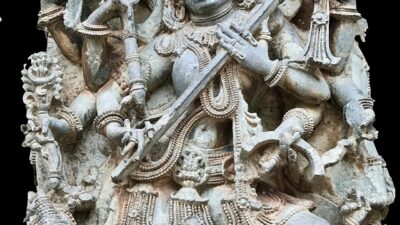
The use of Raag Bhairavi — the raga of morning and farewell, traditionally associated with the end of mehfils and the bittersweet of parting — gives Mukhda Dikha Jaiyo its characteristic sadness even in moments of yearning. The dadra taal (6-beat cycle) creates a swaying rhythm that evokes the walking gait of a devotee in search of her beloved. Prasad S. places a veena (string instrument associated with Saraswati and classical South Indian music) in the arrangement, adding a sacred-classical texture.
काव्य The Poetry
इरशाद कामिल ब्रज हिंदी ('जइयो' न कि मानक 'जाइए') का उपयोग करके गीत को वृंदावन परिदृश्य में दृढ़ता से रखते हैं — गोपियों की, मीराबाई की, सूरदास की भाषा।
अंग्रेज़ी में पढ़ें · Read in English
Irshad Kamil uses Braj Hindi ('jaiyo' rather than standard 'jaiye') to locate the song squarely in the Vrindavan landscape — the language of the Gopis, of Mirabai, of Sur Das. The word 'mukhda' (face) doubles as the musical term for a song's refrain, creating a self-referential elegance: the plea for Krishna's face is itself the song's recurring face.
कहानी The Story
श्वेता मोहन, मुख्य रूप से मलयालम और तमिल प्लेबैक के लिए जानी जाती हैं, फ़िल्म के दक्षिण भारतीय संगीतमय संबंधों का प्रतिनिधित्व करती हैं।
अंग्रेज़ी में पढ़ें · Read in English
Shweta Mohan, primarily known for Malayalam and Tamil playback, represents the film's South Indian musical connections — her casting alongside Northern voices (Sonu Nigam, Neeti Mohan) is part of Prasad S.'s pan-India sonic strategy.
विरासत The Legacy
भक्ति संगीत प्रेमियों के लिए, मुखड़ा दिखा जइयो 2026 के सबसे उत्कृष्ट विरह भजनों में से एक के रूप में पहचाना जाएगा।
अंग्रेज़ी में पढ़ें · Read in English
For devotional music lovers, Mukhda Dikha Jaiyo will be recognized as one of the finest Viraha bhajans of 2026 — Shweta Mohan's voice in this register is unmistakable.
वर्गीकरण
Classification- Tempo
- Slow
Genre
अन्य विवरण
More Details- Wikipedia: Krishnavataram Part 1: The Heart (Hridayam) — https://en.wikipedia.org/wiki/Krishnavataram_Part_1:_The_Heart_(Hridayam)
References
रोचक तथ्य
Margin Notesश्वेता मोहन ने मुख्यतः मलयालम और तमिल में गाया है — उनकी हिन्दी फिल्मों में उपस्थिति दुर्लभ है, जिससे यह उनके अधिक उल्लेखनीय बॉलीवुड क्रेडिट्स में से एक बन जाता है।
अंग्रेज़ी में पढ़ें · Read in English
Shweta Mohan has sung primarily in Malayalam and Tamil — her Hindi film appearances are rare, making this one of her more prominent Bollywood credits.
दादरा ताल (6/8 की लय) परंपरागत रूप से ठुमरी और हल्के-शास्त्रीय भक्ति गीतों के लिए प्रयोग होती है — यहाँ इसके इस्तेमाल से 'मुखड़ा दिखा जइयो' उत्तर भारतीय शास्त्रीय परंपरा से जुड़ जाता है, भले ही रचना दक्षिण से प्रेरणा लेती हो।
अंग्रेज़ी में पढ़ें · Read in English
The dadra taal (6/8 time) is traditional for thumri and light-classical devotional songs — its use here connects Mukhda Dikha Jaiyo to the North Indian classical tradition even as the composition draws from the South.
नमूना-पट्टी
The Specimen Table| शीर्षक | मुखड़ा दिखा जइयो · Mukhda Dikha Jaiyo |
|---|---|
| फ़िल्म | कृष्णावतारम भाग 1: हृदयम · 2026 |
| वर्ष · युग | 2026 — Modern (2010+) |
| गायक | श्वेता मोहन |
| गीतकार | Irshad Kamil |
| संगीतकार | Prasad S |
| स्वरूप | एकल महिला |
| गति | धीमी |
| अवधि | 4:36 |
| भाषा | Braj · Hindi |
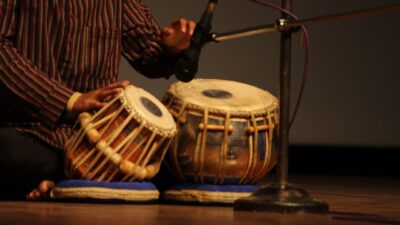
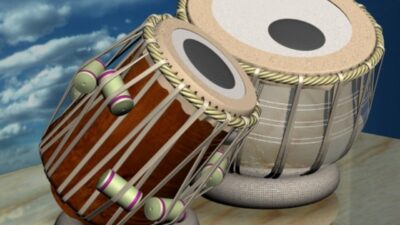
| वाद्य | harmonium · tabla · flute · veena |
| भाव | मीठा-कड़वा · भक्ति · उदास |
| लोकप्रियता | Popular |
| बोल-स्थिति | केवल झलक |
जुड़े हुए पन्ने
Connected Plates · The Graph Made Visibleअटलस में कोई पन्ना अकेला नहीं — इस गीत से जुड़े गीत, कलाकार, फ़िल्म, राग-ताल-विधा, सब यहाँ से खुलते हैं।
मिलते-जुलते गीत · Related Songs
कलाकार · The Artists
फ़िल्म · The Film
साझा कीजिए · Share this Plate
यह पन्ना आगे बढ़ाइए
सवाल-जवाब
Questions & Answersमुखड़ा दि��ा जइयो का अर्थ क्या है? · What does Mukhda Dikha Jaiyo mean?
मुझे अपना चेहरा दिखाओ — ब्रज हिंदी में गोपी की कृष्ण से पुकार, वैष्णव विरह-भक्ति परंपरा से।
Show me your face — a Gopi's plea to Krishna in Braj Hindi, drawn from the Vaishnava tradition of viraha (separation) bhakti.