गीत विंग · गीत-पट्टिका · Song Plate
शुभ दिन आयो
Shubh Din Aayo
जब ढोल कृष्ण के विवाह के लिए बजता है, तो वृंदावन के सारे दुःख भी द्वारका के उत्सव के सामने झुक जाते हैं।
भावउत्सव · भक्ति · आनंदित
भाषाHindi · Sanskrit · Braj गतिमध्यम स्वरूपसमूह गान
श्रेय
The Creditsशब्दकोश
Word Meaningsसूत्र-वाक्य · The Hook
सूत्र-वाक्य
जब ढोल कृष्ण के विवाह के लिए बजता है, तो वृंदावन के सारे दुःख भी द्वारका के उत्सव के सामने झुक जाते हैं।
In EnglishWhen the dhol beats for Krishna's wedding, even Vrindavan's sorrows yield to Dwarka's celebrations.
पट्टिका-लेख
The Monographपरिचय Overview
���ुभ दिन आयो कृष्णावतारम भाग 1 (2026) का विवाह उत्सव गीत है — श्वेता मोहन, एबी वी और शिवम सिंह की तीन-आवाज़ वाला ट्रैक, इरशाद कामिल के बोलो��� और प्रसाद एस. की रचना में, सारेगामा पर रिलीज़।
अंग्रेज़ी में पढ़ें · Read in English
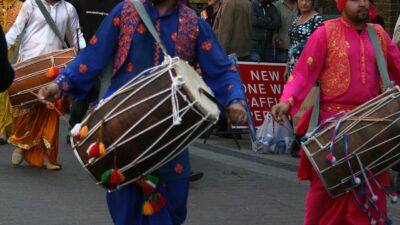
"Shubh Din Aayo" is the wedding celebration song from Krishnavataram Part 1 (2026) — a three-voice track featuring Shweta Mohan, Abby V, and Shivam Singh, set to Irshad Kamil's lyrics and Prasad S.'s composition, released on Saregama. At 4:42, it marks the film's shift from the introspective Vrindavan sequences to the ceremonial world of Krishna's royal marriages in Dwarka. The dhol-and-shehnai arrangement signals a classic Indian wedding soundscape, updated with Prasad S.'s cross-regional synthesis.
संगीत The Music
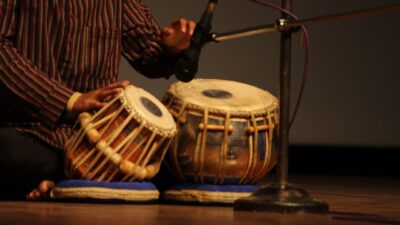
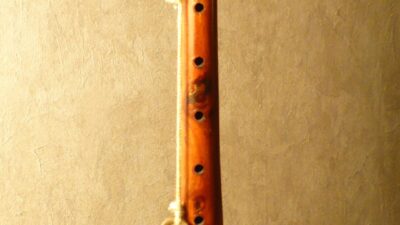
उत्सवपूर्ण व्यवस्था उत्तर भारतीय शादी संगीत परंपराओं — शहनाई, ढोल और पीतल खंड — पर आधारित है, जबकि प्रसाद एस. नीचे दक्षिण भारतीय लयात्मक जटिलता जोड़ते हैं।
अंग्रेज़ी में पढ़ें · Read in English
The festive arrangement draws on North Indian shaadi (wedding) music conventions — the shehnai (auspicious wind instrument), dhol, and brass section — while Prasad S. adds a South Indian rhythmic complexity underneath. The three-voice structure gives the song a communal quality: this is not a solo celebration but a collective one, appropriate for a scene depicting a royal wedding.
काव्य The Poetry
इरशाद कामिल का 'शु�� दिन आयो' शुभ अवसर गीत का सामान्य सूत्र है जो अपने संदर्भ से विशिष्ट हो जाता है।
अंग्रेज़ी में पढ़ें · Read in English
Irshad Kamil's shubh din aayo is the generic formula of the auspicious occasion song made specific by its context — these words celebrate Krishna's marriages as a cosmic event, not just a social one. The Braj 'aayo' rather than 'aaya' anchors the song in the traditional ceremonial register.
कहानी The Story
फ़िल्म का कथा-चाप — वृंदावन के पशुपालक रोमांस से द्वारका के राजसी समारोह तक — दो अलग-अलग संगीतमय मनोदशाओं की आवश्यकता थी।
अंग्रेज़ी में पढ़ें · Read in English
The film's narrative arc — from Vrindavan's pastoral romance to Dwarka's royal ceremony — required two distinct musical moods. Prasad S. constructed Shubh Din Aayo as the sonic marker of this transition.
विरासत The Legacy
कृष्ण के दिव्य विवाहों से जुड़े विवाह गीत के रूप में, शुभ दि�� आयो वह कृष्णावतारम ट्रैक है जो वास्तविक भारतीय विवाहों में अपनी जगह बनाने की सबसे अधिक संभावना रखता है।
अंग्रेज़ी में पढ़ें · Read in English
As a wedding song connected to Krishna's divine marriages, Shubh Din Aayo is the Krishnavataram track most likely to find its way into real Indian weddings — its festive energy translates across the devotional-secular line.
वर्गीकरण
Classification- Tempo
- Medium
Genre
अन्य विवरण
More Details- Wikipedia: Krishnavataram Part 1: The Heart (Hridayam) — https://en.wikipedia.org/wiki/Krishnavataram_Part_1:_The_Heart_(Hridayam)
References
रोचक तथ्य
Margin Notesशहनाई — भारतीय विवाहों और शुभ अवसरों पर पारंपरिक रूप से बजाया जाने वाला वाद्य — प्राचीन काल से निरंतर उपयोग में है; यहाँ इसकी उपस्थिति 2026 की इस फिल्म को एक अटूट परंपरा से जोड़ती है।
अंग्रेज़ी में पढ़ें · Read in English
The shehnai — the instrument traditionally played at Indian weddings and auspicious occasions — has been in continuous use since ancient times; its presence here connects the 2026 film to an unbroken tradition.
कृष्ण के रुक्मिणी, सत्यभामा और जाम्बवती से विवाह का विस्तृत वर्णन विष्णु पुराण और भागवत पुराण में मिलता है — 'कृष्णावतारम' शास्त्रों में वर्णित इसी कथा को नाट्य रूप देता है।
अंग्रेज़ी में पढ़ें · Read in English
Krishna's marriages to Rukmini, Satyabhama and Jambavati are depicted in detail in the Vishnu Purana and Bhagavata Purana — Krishnavataram dramatizes what the scriptures describe.
नमूना-पट्टी
The Specimen Table| शीर्षक | शुभ दिन आयो · Shubh Din Aayo |
|---|---|
| फ़िल्म | कृष्णावतारम भाग 1: हृदयम · 2026 |
| वर्ष · युग | 2026 — Modern (2010+) |
| गायक | श्वेता मोहन, एबी वी, शिवम सिंह |
| गीतकार | Irshad Kamil |
| संगीतकार | Prasad S |
| स्वरूप | समूह गान |
| गति | मध्यम |
| अवधि | 4:42 |
| भाषा | Hindi · Sanskrit · Braj |
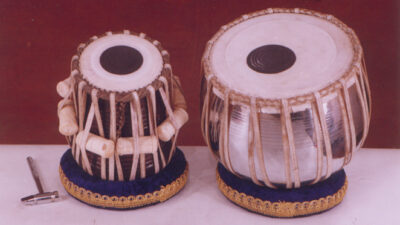
| वाद्य | dhol · tabla · harmonium · shehnai · synthesizer · brass |
| भाव | उत्सव · भक्ति · आनंदित |
| लोकप्रियता | Popular |
| बोल-स्थिति | केवल झलक |
जुड़े हुए पन्ने
Connected Plates · The Graph Made Visibleअटलस में कोई पन्ना अकेला नहीं — इस गीत से जुड़े गीत, कलाकार, फ़िल्म, राग-ताल-विधा, सब यहाँ से खुलते हैं।
मिलते-जुलते गीत · Related Songs
कलाकार · The Artists
फ़िल्म · The Film
साझा कीजिए · Share this Plate
यह पन्ना आगे बढ़ाइए
सवाल-जवाब
Questions & Answersशुभ दिन आयो किस दृश्य में ब��ता है? · What scene does Shubh Din Aayo play in?
यह द्वारका में कृष्ण के राजसी विवाह उत्सव के दौरान बजता है — रुक्मिणी, सत्यभामा और जांबवती से उनके विवाह।
It plays during Krishna's royal wedding celebrations in Dwarka — his marriages to Rukmini, Satyabhama, and Jambavati.