गीत विंग · गीत-पट्टिका · Song Plate
मिट्टी के बेटे
Mitti Ke Bete
योद्धा नहीं, शहीद नहीं — बस माटी के बेटे, जो अपनी जड़ों की तरफ़ लौट रहे हैं।
भावप्रेरणादायक · उदास · पुरानी यादें · दार्शनिक
भाषाHindi गतिSlow-Medium स्वरूपएकल पुरुष
श्रेय
The Creditsशब्दकोश
Word Meaningsसूत्र-वाक्य · The Hook
सूत्र-वाक्य
योद्धा नहीं, शहीद नहीं — बस माटी के बेटे, जो अपनी जड़ों की तरफ़ लौट रहे हैं।
In EnglishNot warriors, not martyrs — just the soil's own children, returning home.
पट्टिका-लेख
The Monographपरिचय Overview
"मिट्टी के बेटे" — बॉर्डर 2 (2026) का यह समापन गीत मिथून का संगीत, मनोज मुंतशिर के बोल और सोनू निगम की आवाज़ में सात मिनट अट्ठाईस सेकंड में एल्बम को विराम देता है। यह एक दार्शनिक शोकगीत है: सैनिकों को योद्धा नहीं, माटी के बेटे के रूप में देखना — जो इसी धरती से जन्मे और इसी में वापस लौटे।
अंग्रेज़ी में पढ़ें · Read in English
"Mitti Ke Bete" from Border 2 (2026), composed by Mithoon with Manoj Muntashir's lyrics and sung by Sonu Nigam, closes the album at 7 minutes 28 seconds — the longest track after 'Ghar Kab Aaoge'. It is a philosophical elegy: soldiers framed not as warriors but as sons of the soil who were born from the earth and return to it. Released on T-Series in January 2026, it functions as the album's contemplative coda — a necessary moment of stillness after the album's patriotic grandeur.
संगीत The Music
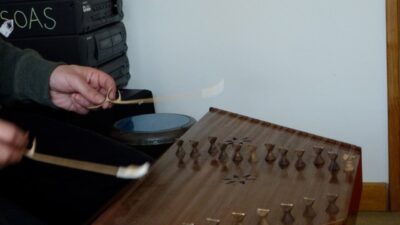
मिथून अपनी सबसे विस्तृत ऑर्केस्ट्रल भाव-भंगिमा इस समापन गीत के लिए बचाते हैं। संतूर की धारा — शास्त्रीय और फ़िल्म संगीत में भारत की सबसे विशिष्ट ध्वनि — सोनू निगम की आवाज़ के नीचे पूरे गीत में एक विचारशील रीढ़ बनाती है। बाँसुरी एल्बम के पुराने गीतों के सुर उठाती है। कोरस केवल अंतिम दो मिनट में आता है।
अंग्रेज़ी में पढ़ें · Read in English
Mithoon saves his most expansive orchestral gesture for this closing track. The santoor line — one of the most distinctively Indian timbres in classical and film music — provides a contemplative spine that runs under Sonu Nigam's voice throughout. The flute carries melodic fragments from earlier in the album, creating a through-line that makes the closing song feel like a summation. The choir enters only in the final two minutes, building to a genuinely moving climax.
काव्य The Poetry
मनोज मुंतशिर हिंदी सिनेमा के सबसे गहरे देशभक्ति-रूपकों में से एक — मिट्टी माँ, सैनिक उसके बेटे — को उसकी पूरी दार्शनिक गहराई तक ले जाते हैं। यह बिम्ब वैदिक धरती-माँ की अवधारणा से जुड़ता है, जो व्यावसायिक युद्ध-सिनेमा में असामान्य आत्मिक गहराई देता है।
अंग्रेज़ी में पढ़ें · Read in English
Manoj Muntashir develops one of Hindi cinema's most potent patriotic metaphors — mitti (soil/earth) as mother, and soldiers as her literal children — to its fullest philosophical extent. The imagery aligns with the vedic understanding of soil as sacred, giving the poem a spiritual depth unusual in commercial war cinema.
कहानी The Story
एल्बम के अंतिम गीत के रूप में 'मिट्टी के बेटे' फ़िल्म के स्मृति-दृश्य के साथ है — 1971 के वास्तविक सैनिकों को श्रद्धांजलि। इस गीत के लिए केवल सोनू निगम की आवाज़ का चुनाव महत्वपूर्ण है: वे 2026 के एल्बम को 1997 के मूल से जोड़ने वाला धागा हैं।
अंग्रेज़ी में पढ़ें · Read in English
As the album's closing number, 'Mitti Ke Bete' reportedly accompanies the film's memorial sequence — a tribute to the real soldiers of 1971. Sonu Nigam's choice as the sole voice for this track is significant: he is the thread that connects the album's 2026 moment to the 1997 original.
विरासत The Legacy
'मिट्टी के बेटे' 'संदेसे आते हैं', 'ए मेरे वतन के लोगो' और 'तेरी मिट्टी' की पंक्ति में अपनी जगह के लिए दावा पेश करता है — राष्ट्रीय स्मारकों की भूमिका निभाने वाले गीतों की उस परंपरा में। साढ़े सात मिनट में यह एक पूरा काव्य-विमर्श है, महज़ नारा नहीं।
अंग्रेज़ी में पढ़ें · Read in English
'Mitti Ke Bete' stakes a claim alongside 'Sandese Aate Hain', 'Ae Mere Watan Ke Logo', and 'Teri Mitti' in the canon of songs that serve as national memorials. At 7:28 it has the length to be complete — a full poetic argument, not a slogan.
वर्गीकरण
Classification- Tempo
- Slow-Medium
Genre
रोचक तथ्य
Margin Notes7:28 मिनट की अवधि के साथ, यह 'घर कब आओगे' (10:34) के बाद एल्बम का दूसरा सबसे लंबा ट्रैक है।
अंग्रेज़ी में पढ़ें · Read in English
At 7:28, this is the second-longest track on the album after 'Ghar Kab Aaoge' (10:34).
कहा जाता है कि मनोज मुंतशिर ने इस गीत की कल्पना के लिए भगवद्गीता की उस अवधारणा का सहारा लिया, जिसमें शरीर के पंचतत्वों में विलीन होने की बात कही गई है।
अंग्रेज़ी में पढ़ें · Read in English
Manoj Muntashir reportedly drew on the Bhagavad Gita's concept of the body returning to the five elements (panch-tattva) for the song's imagery.
सोनू निगम की एकल आवाज़ उसी एल्बम का समापन करती है जिसे उन्होंने 'घर कब आओगे' से शुरू भी किया था — यह एक संरचनात्मक चुनाव है जो एल्बम को एक चक्रीय, ध्यानपूर्ण आकार देता है।
अंग्रेज़ी में पढ़ें · Read in English
Sonu Nigam's solo voice closes an album he also opened with 'Ghar Kab Aaoge' — a structural choice that gives the album a circular, meditative shape.
नमूना-पट्टी
The Specimen Table| शीर्षक | मिट्टी के बेटे · Mitti Ke Bete |
|---|---|
| फ़िल्म | बॉर्डर 2 · 2026 |
| वर्ष · युग | 2026 — Modern (2010+) |
| गायक | Sonu Nigam |
| गीतकार | Manoj Muntashir |
| संगीतकार | Mithoon |
| स्वरूप | एकल पुरुष |
| गति | Slow-Medium |
| अवधि | 7:28 |
| भाषा | Hindi |
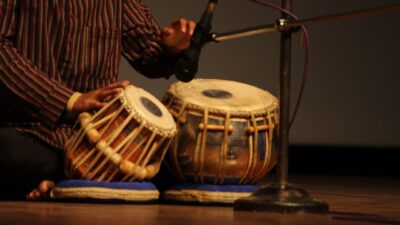
| वाद्य | Strings Orchestra · santoor · Flute · Choir · tabla |
| भाव | प्रेरणादायक · उदास · पुरानी यादें · दार्शनिक |
| बोल-स्थिति | केवल झलक |
जुड़े हुए पन्ने
Connected Plates · The Graph Made Visibleअटलस में कोई पन्ना अकेला नहीं — इस गीत से जुड़े गीत, कलाकार, फ़िल्म, राग-ताल-विधा, सब यहाँ से खुलते हैं।
मिलते-जुलते गीत · Related Songs
कलाकार · The Artists
फ़िल्म · The Film
साझा कीजिए · Share this Plate