गीत विंग · गीत-पट्टिका · Song Plate
झूम बनवारे
Jhoom Banware
मालिनी अवस्थी, ज्योतिका तंगरी और बिद्युत ज्योति मोहन मिलकर एक कोर्टरूम ड्रामे का आत्मिक केंद्र बनाते हैं।
भावआनंदित · शांत · आध्यात्मिक
भाषाHindi · Urdu · Braj Bhasha गतिमध्यम स्वरूपसमूह गान
श्रेय
The Creditsबोल · The Lyrics
बोल — झलक · Lyrics Preview
तेरी दीद में डूबे ये नज़ारे
Teri deed mein doobe ye nazaare
कॉपीराइट के कारण केवल झलक — पूरे बोल आधिकारिक मंचों पर।
शब्दकोश
Word Meaningsसूत्र-वाक्य · The Hook
सूत्र-वाक्य
मालिनी अवस्थी, ज्योतिका तंगरी और बिद्युत ज्योति मोहन मिलकर एक कोर्टरूम ड्रामे का आत्मिक केंद्र बनाते हैं।
In EnglishMalini Awasthi, Jyotica Tangri and Bidyut Jyoti Mohan create the spiritual centre of a courtroom drama — Lucknow's soul answering a legal question with devotion.
पट्टिका-लेख
The Monographपरिचय Overview
'हक़' एल्बम (टाइम्स म्यूज़िक / जंगली म्यूज़िक, 2025) का सबसे छोटा ट्रैक — दो मिनट उनसठ सेकेंड — 'झूम बनवारे' एक सूफ़ी-लोक सामूहिक गीत है। मालिनी अवस्थी (पद्मश्री, अवधी लोक), ज्योतिका तंगरी और बिद्युत ज्योति मोहन। दिलशाद खान की सारंगी। लखनऊ की सदियों पुरानी सूफ़ी और दरगाह संस्कृति से जुड़ा।
अंग्रेज़ी में पढ़ें · Read in English
The shortest track on the Haq album (Times Music / Junglee Music, 2025) at two minutes fifty-nine seconds, 'Jhoom Banware' is a Sufi-folk ensemble featuring Malini Awasthi (Padma Shri, Avadhi folk), Jyotica Tangri and Bidyut Jyoti Mohan. Sarangi by Dilshad Khan anchors the traditional side. The song is rooted in Lucknow — where Haq was extensively filmed — drawing on the city's centuries-old Sufi and dargah culture. In a film about the Shah Bano case's religious and legal dimensions, this song provides the dimension of faith that neither legal argument nor protest can provide.
संगीत The Music
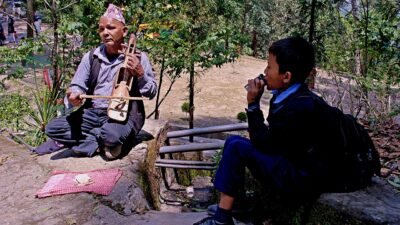
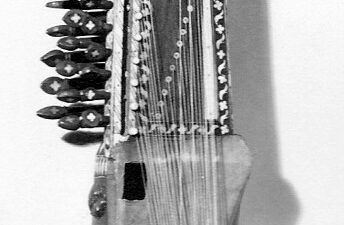
विशाल मिश्रा राग खमाज — होली, वसंत, ठुमरी और रोमांटिक भक्ति से जुड़ा — चुनते हैं। हारमोनियम-सारंगी की जोड़ दरगाह का माहौल बनाती है।
अंग्रेज़ी में पढ़ें · Read in English
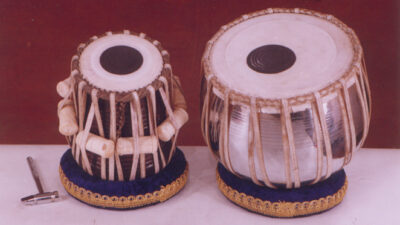
Vishal Mishra uses Raag Khamaj — associated with Holi, spring, Thumri and romantic devotion — for 'Jhoom Banware'. The harmonium-sarangi pairing creates a dargah ambience; the tabla's keherwa beat suggests both the folk and the devotional. Khamaj's brightness softened by the sarangi's ache gives the song its bittersweet spiritual quality.
काव्य The Poetry
कौशल किशोर 'बनवारे' — कृष्ण का ब्रज-भाषा विशेषण — को सूफ़ी संदर्भ में प्रयोग करते हैं। 'तेरी दीद में डूबे ये नज़ारे' में उर्दू 'दीद' और ब्रज 'डूबे' का भाषाई समन्वय।
अंग्रेज़ी में पढ़ें · Read in English
Kaushal Kishore uses 'banware' — a Braj Bhasha epithet of Krishna — in a Sufi context, demonstrating the syncretism that is Lucknow's cultural identity. 'Tere deed mein doobe ye nazaare' combines the Urdu 'deed' (vision) with Braj 'doobe' (drowned) — linguistic syncretism mirroring the city itself.
कहानी The Story
मालिनी अवस्थी को विशाल मिश्रा ने व्यक्तिगत रूप से चुना। गाना लखनऊ के ऐतिहासिक स्थानों पर फ़िल्माया गया।
अंग्रेज़ी में पढ़ें · Read in English
Malini Awasthi — Padma Shri for Avadhi and Birha folk music — was personally chosen by Vishal Mishra. The song was filmed in Lucknow's historic areas including the Amir-ud-daula Library and Safed Baradari, giving it visual authenticity to match its sonic rootedness.
विरासत The Legacy
मालिनी अवस्थी की कास्टिंग मुख्यधारा बॉलीवुड में उत्तर प्रदेश की लोक परंपरा की महत्वपूर्ण मान्यता थी।
अंग्रेज़ी में पढ़ें · Read in English
The casting of Malini Awasthi was a significant recognition of UP's folk tradition in a mainstream Bollywood film. The song also reinforced Jyotica Tangri's consistent place in the Sufi-classical Bollywood space.
वर्गीकरण
Classification- Tempo
- Medium
Genre
अन्य विवरण
More Details- https://en.wikipedia.org/wiki/Haq_(2025_film)
References
रोचक तथ्य
Margin Notesमालिनी अवस्थी को अवधी लोकसंगीत के लिए पद्मश्री प्राप्त है — किसी मुख्यधारा बॉलीवुड साउंडट्रैक में उनकी मौजूदगी दुर्लभ और महत्वपूर्ण है।
अंग्रेज़ी में पढ़ें · Read in English
Malini Awasthi holds a Padma Shri for Avadhi folk music — her presence on a mainstream Bollywood soundtrack is rare and significant.
ब्रज के 'बनवारे' और उर्दू 'दरगाह' के सौंदर्यबोध का साथ आना लखनऊ की हिंदू-मुस्लिम समन्वित संस्कृति को दर्शाता है।
अंग्रेज़ी में पढ़ें · Read in English
The Braj 'banware' alongside the Urdu 'dargah' aesthetic reflects Lucknow's Hindu-Muslim syncretic culture.
2:59 मिनट की अवधि के साथ यह 'हक़' ओएसटी का सबसे छोटा गीत है — एक ऐसे परमानंद भरे क्षण के लिए उपयुक्त जो पल भर में जी लिया जाता है।
अंग्रेज़ी में पढ़ें · Read in English
At 2:59 this is the shortest track on the Haq OST — apt for a moment of rapture that lives in the instant.
नमूना-पट्टी
The Specimen Table| शीर्षक | झूम बनवारे · Jhoom Banware |
|---|---|
| फ़िल्म | हक़ · 2025 |
| वर्ष · युग | 2025 — Modern (2010+) |
| गायक | मालिनी अवस्थी, ज्योतिका तंगरी, बिद्युत ज्योति मोहन |
| गीतकार | Kaushal Kishore |
| संगीतकार | Vishal Mishra |
| स्वरूप | समूह गान |
| गति | मध्यम |
| अवधि | 2:59 |
| भाषा | Hindi · Urdu · Braj Bhasha |
| वाद्य | harmonium · sarangi · tabla |
| भाव | आनंदित · शांत · आध्यात्मिक |
| लोकप्रियता | Known |
| बोल-स्थिति | केवल झलक |
जुड़े हुए पन्ने
Connected Plates · The Graph Made Visibleअटलस में कोई पन्ना अकेला नहीं — इस गीत से जुड़े गीत, कलाकार, फ़िल्म, राग-ताल-विधा, सब यहाँ से खुलते हैं।
मिलते-जुलते गीत · Related Songs
कलाकार · The Artists
फ़िल्म · The Film
साझा कीजिए · Share this Plate
यह पन्ना आगे बढ़ाइए
सवाल-जवाब
Questions & Answers'हक़' का 'झूम बनवारे' किसने गाया? · Who sings Jhoom Banware from Haq?
मालिनी अवस्थी, ज्योतिका तंगरी और बिद्युत ज्योति मोहन ने गाया।
Sung by Malini Awasthi, Jyotica Tangri, and Bidyut Jyoti Mohan. Composed by Vishal Mishra, lyrics Kaushal Kishore.