गीत विंग · गीत-पट्टिका · Song Plate
दिन नीके बीते जाते हैं
Din Neeke Beete Jaate Hain
“दिन नीके बीते जाते हैं” — 1933 की फ़िल्म पूरन भगत का एक गीत। संगीत: आर.सी. बोराल। बोल: पं. सुदर्शन। गायन: के.एल. सहगल।
भावभक्ति
भाषाbraj-hindi
श्रेय
The Creditsसूत्र-वाक्य · The Hook
सूत्र-वाक्य
“दिन नीके बीते जाते हैं” — 1933 की फ़िल्म पूरन भगत का एक गीत। संगीत: आर.सी. बोराल। बोल: पं. सुदर्शन। गायन: के.एल. सहगल।
In English“Din Neeke Beete Jaate Hain” — a song from the 1933 film Puran Bhagat. Music: R.C. Boral. Lyrics: Pt. Sudarshan. Sung by K.L. Saigal.
पट्टिका-लेख
The Monographपरिचय Overview
“दिन नीके बीते जाते हैं” 1933 की फ़िल्म पूरन भगत के गीतों में से एक है। इसका संगीत आर.सी. बोराल ने दिया। बोल पं. सुदर्शन के हैं। इसे के.एल. सहगल ने गाया।
अंग्रेज़ी में पढ़ें · Read in English
“Din Neeke Beete Jaate Hain” is one of the songs from Puran Bhagat (1933). The music is by R.C. Boral. The lyrics are by Pt. Sudarshan. It was performed by K.L. Saigal.
संगीत The Music
“दिन नीके बीते जाते हैं” का संगीत पूरन भगत (1933) के लिए आर.सी. बोराल ने रचा। स्वर: के.एल. सहगल।
अंग्रेज़ी में पढ़ें · Read in English
“Din Neeke Beete Jaate Hain” was set to music by R.C. Boral for the 1933 film Puran Bhagat. It is rendered by K.L. Saigal.
काव्य The Poetry
“दिन नीके बीते जाते हैं” के बोल पं. सुदर्शन ने लिखे।
अंग्रेज़ी में पढ़ें · Read in English
The words of “Din Neeke Beete Jaate Hain” were written by Pt. Sudarshan.
कहानी The Story
पूरन भगत (1933) का निर्देशन देबकी बोस ने न्यू थिएटर्स, कलकत्ता के लिए किया — 1931 में स्थापित एक स्टूडियो जो दशक की शास्त्रीय हिंदी फ़िल्म-ध्वनि को परिभाषित करेगा। के.एल. सहगल (1904–1947) ने पूरन की मुख्य भूमिका निभाई — पंजाबी लोक-किंवदंती से खींचा एक पात्र: एक राजकुमार जो अपना राज्य त्याग देता है, महान कष्ट सहता है, और एक संत-वैद्य बनता है। भजन 'दिन नीके बीते जाते हैं' फ़िल्म के भक्ति-रजिस्टर से है — वे क्षण जब पूरन, सांसारिक आसक्तियों से मुक्त, साधारण जीवन की क्षणभंगुरता पर विचार करता है। पं. सुदर्शन (बद्री नाथ वशिष्ट, 1895–1967), जिन्होंने बोल लिखे, एक बहुमुखी हिंदी लेखक थे जिनका न्यू थिएटर्स में आर.सी. बोराल के साथ सहयोग आरंभिक टॉकी युग के कुछ सबसे स्थायी गीत उत्पन्न करेगा। बोराल का रचना-दृष्टिकोण तपस्वी था — हारमोनियम और तबले की संगत सहगल की आवाज़ को पूरी तरह उजागर छोड़ देती है, एक ऐसा चुनाव जिसने प्रदर्शन को भाव की नग्नता का अध्ययन बना दिया।
अंग्रेज़ी में पढ़ें · Read in English
Puran Bhagat (1933) was directed by Debaki Bose for New Theatres, Calcutta — a studio founded in 1931 that would define the classical Hindi film sound of the decade. K.L. Saigal (1904–1947) played the title role of Puran, a figure drawn from Punjabi folk legend: a prince who renounces his kingdom, undergoes great suffering, and becomes a saint-healer. The bhajan 'Din Neeke Beete Jaate Hain' — the good days pass away — belongs to the film's devotional register, moments when Puran, stripped of worldly attachments, reflects on the transience of ordinary life. Pt. Sudarshan (Badri Nath Vashisht, 1895–1967), who wrote the lyrics, was a versatile Hindi writer whose collaboration with R.C. Boral at New Theatres produced some of the most enduring songs of the early talkie era. Boral's compositional approach was austere — the harmonium and tabla setting leaves Saigal's voice entirely exposed, a choice that made the performance a study in nakedness of emotion. The film was shot in the early months of 1933 in the New Theatres studio on Dhaka premises.
विरासत The Legacy
पूरन भगत (1933) ने के.एल. सहगल को हिंदी फ़िल्मी भक्ति-गायन की परिभाषित आवाज़ के रूप में स्थापित किया — एक स्थिति जो इस और फ़िल्म के अन्य भजनों से मजबूत हुई। फ़िल्म की सफलता ने न्यू थिएटर्स को साहित्यिक, संगीत-केंद्रित हिंदी सिनेमा के सर्वश्रेष्ठ स्टूडियो के रूप में स्थापित किया। पूरन भगत के भजनों में सहगल की प्रस्तुति — इस गीत सहित — उन प्रारंभिक प्रभावों में से एक थी जिन्हें मोहम्मद रफ़ी ने स्वीकार किया, जिन्होंने लाहौर में युवावस्था में बार-बार सहगल की रिकॉर्डिंग सुनी। गीतों ने उद्योग को यह भी दिखाया कि एक व्यावसायिक रूप से सफल फ़िल्म लगभग पूरी तरह शास्त्रीय-सन्निकट संगीत प्रदर्शन पर आधारित हो सकती है।
अंग्रेज़ी में पढ़ें · Read in English
Puran Bhagat (1933) established K.L. Saigal as the defining voice of Hindi film devotional singing — a status consolidated by this and the film's other bhajans. The film's success launched New Theatres as the pre-eminent studio for literary, music-centred Hindi cinema. Saigal's rendition of the Puran Bhagat bhajans — including this one — was one of the formative influences acknowledged by Mohammed Rafi, who as a young singer in Lahore listened to Saigal recordings repeatedly. The songs also demonstrated to the industry that a commercially viable film could be built almost entirely around classical-adjacent musical performance, a model that Mehboob Khan, V. Shantaram and others would later adapt.
वर्गीकरण
ClassificationGenre
अन्य विवरण
More Details- Puran Bhagat (1933) — New Theatres, directed Debaki Bose; Wikipedia EN
- K.L. Saigal — Wikipedia EN; multiple published biographies
- R.C. Boral — Wikipedia EN; New Theatres music director
- Pt. Sudarshan (Badri Nath Vashisht) — Hindi Sahitya Kosh reference
- Mohammed Rafi — acknowledged Saigal influence in published interviews
References
रोचक तथ्य
Margin Notes'पूरन भगत' (1933) पहली बड़ी हिंदी फ़िल्म थी जो लगभग पूरी तरह भजनों की एक शृंखला के इर्द-गिर्द बनी थी — इस ढांचे ने विशुद्ध नाटकीय कथावाचन के बजाय साहित्यिक-संगीतात्मक सिनेमा के लिए न्यू थिएटर्स की प्रतिष्ठा स्थापित की।
अंग्रेज़ी में पढ़ें · Read in English
Puran Bhagat (1933) was the first major Hindi film to be built almost entirely around a succession of bhajans — a template that established New Theatres' reputation for literary-musical cinema over purely dramatic storytelling.
के.एल. सहगल कोई प्रशिक्षित शास्त्रीय संगीतकार नहीं थे बल्कि जालंधर के एक काफ़ी हद तक स्वयंशिक्षित गायक थे; तकनीकी पूर्णता के बजाय उनकी स्वाभाविक स्वर गुणवत्ता और भावनात्मक सच्चाई उनके फ़िल्मी प्रदर्शनों की परिभाषित विशेषताएं बनीं।
अंग्रेज़ी में पढ़ें · Read in English
K.L. Saigal was not a trained classical musician but a largely self-taught singer from Jalandhar; his natural tonal quality and emotional sincerity rather than technical perfection became the defining qualities of his film performances.
गीतकार पं. सुदर्शन एक हिंदी लघुकथा लेखक और उपन्यासकार भी थे; उस दौर के कई फ़िल्मी गीतकारों के विपरीत, वे संगीत या रंगमंच के बजाय एक साहित्यिक पृष्ठभूमि से आए थे।
अंग्रेज़ी में पढ़ें · Read in English
Pt. Sudarshan, the lyricist, was also a Hindi short-story writer and novelist; unlike many film lyricists of the era he came from a literary rather than a musical or theatrical background.
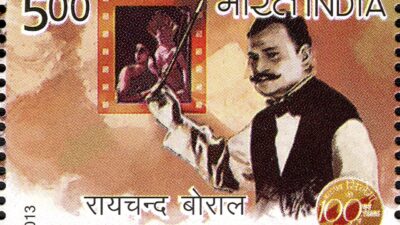
आर.सी. बोराल (राय चंद बोराल, 1903-1981) को भारतीय सिनेमा में संगीत निर्देशक और वाद्यवृंद-संयोजक की भूमिकाओं को अलग करने वाले पहले संगीत निर्देशक होने का श्रेय दिया जाता है — यह एक संरचनात्मक नवाचार था जिसे न्यू थिएटर्स ने उद्योग में शुरू किया।
अंग्रेज़ी में पढ़ें · Read in English
R.C. Boral (Rai Chand Boral, 1903–1981) is credited as the first music director in Indian cinema to separate the roles of music director and orchestrator — a structural innovation that New Theatres introduced to the industry.
फ़िल्म की कहानी पंजाब के स्थानेश्वर (कुरुक्षेत्र) क्षेत्र की पूरन गाथा-परंपरा से ली गई है — यह कोई संस्कृत पुराण स्रोत नहीं बल्कि एक क्षेत्रीय मौखिक परंपरा है, जिसने कथानक को उसका लोक-स्वरूप दिया।
अंग्रेज़ी में पढ़ें · Read in English
The film's story draws on the Puran cycle from the Sthaneshvar (Kurukshetra) region of Punjab — not a Sanskrit Puranic source but a regional oral tradition that gave the narrative its folk quality.
नमूना-पट्टी
The Specimen Table| शीर्षक | दिन नीके बीते जाते हैं · Din Neeke Beete Jaate Hain |
|---|---|
| फ़िल्म | पूरन भगत · 1933 |
| वर्ष · युग | 1933 |
| गायक | K.L. Saigal |
| गीतकार | Pandit Sudarshan |
| संगीतकार | Rai Chand Boral |
| भाषा | braj-hindi |
| भाव | भक्ति |
| लोकप्रियता | Very_popular |
| बोल-स्थिति | सार्वजनिक |
जुड़े हुए पन्ने
Connected Plates · The Graph Made Visibleअटलस में कोई पन्ना अकेला नहीं — इस गीत से जुड़े गीत, कलाकार, फ़िल्म, राग-ताल-विधा, सब यहाँ से खुलते हैं।
मिलते-जुलते गीत · Related Songs
कलाकार · The Artists
फ़िल्म · The Film
साझा कीजिए · Share this Plate