गीत विंग · गीत-पट्टिका · Song Plate
दिन नीके बीते जात हैं
Din Neeke Beete Jaat Hain
वह भजन जिसने एक अनजान सेल्समैन को हिंदुस्तान की आवाज़ बना दिया।
भावभक्ति · Serene
भाषाbraj
श्रेय
The Creditsबोल · The Lyrics
पूरे बोल · Full Lyrics
सूत्र-वाक्य · The Hook
सूत्र-वाक्य
वह भजन जिसने एक अनजान सेल्समैन को हिंदुस्तान की आवाज़ बना दिया।
In EnglishThe bhajan that made an unknown salesman the voice of India.
पट्टिका-लेख
The Monographपरिचय Overview
देबकी बोस की संत-गाथा 'पूरन भगत' (1933) न्यू थिएटर्स से चली और सहगल के चार भजन देश भर ले गई — सबसे आगे 'दिन नीके बीते जात हैं' — और बीते बरस का नवागत घटना बन गया। बोराल की बंदिश ब्रज-भक्ति को आधुनिक वाद्य-सेज पर तैराती है: पहला प्रमाण कि फ़िल्म-संगीत केवल आवाज़ से सितारा गढ़ सकता है।
अंग्रेज़ी में पढ़ें · Read in English
Puran Bhagat (1933), Debaki Bose's saint-legend for New Theatres, carried four Saigal bhajans across the country — 'Din Neeke Beete Jaat Hain' foremost — and turned the debutant of the previous year into a phenomenon. R.C. Boral's setting floats Braj devotion on a modern orchestral bed: the first proof that film music could mint a star from voice alone.
संगीत The Music
बोराल वाद्यवृंद को आवाज़ के पीछे छिपा देते हैं; धुन धीमे जल-सी चलती है — श्रोता से बस ठहराव माँगती हुई।
अंग्रेज़ी में पढ़ें · Read in English
Boral hides the orchestra behind the voice; the melody moves like slow water, asking nothing of the listener but stillness.
काव्य The Poetry
भजन का पाठ ब्रज-संत मुहावरे में चलता है — उत्तर भारतीय भक्ति परंपरा की भक्ति भाषा में। 'दिन नीके बीते जात हैं' — मधुर दिन बीते जा रहे हैं — समय और आध्यात्मिक लीनता पर एक चिंतन है: गायक दिव्य चिंतन में इतना डूबा है कि दिन कोमलता से, लगभग बिना ध्यान दिए, गुज़रते जाते हैं। भाषा ब्रज-छायित है ('नीके' अर्थात 'मधुरता से', 'जात हैं' अर्थात 'जा रहे हैं'), जो इसे संत-कवियों — कबीर, तुलसीदास, मीरा, सूरदास — की परंपरा में रखती है। पाठ की भावनात्मक गुणवत्ता उल्लेखनीय है: न याचना, न उन्माद, बल्कि शांत संतुष्टि। दिन 'नीके' हैं — अच्छे, सुखद, उचित — क्योंकि वे ईश्वर-नाम की संगति में बीत रहे हैं। यह उन्माद नहीं, संतोष है; खोज नहीं, लीनता है — और इसमें प्रवेश के लिए श्रोता को भी थमना होगा। सहगल की आवाज़, जो अपनी धीमी, मननशील अदायगी के लिए प्रसिद्ध थी, इस पाठ के स्वभाव से एकदम मेल खाती थी।
अंग्रेज़ी में पढ़ें · Read in English
The bhajan text operates in the Braj-sant idiom — the devotional vernacular of the north Indian bhakti tradition. 'Din neeke beete jaat hain' — the sweet days are passing, are going — is a meditation on time and spiritual absorption: the singer is so immersed in divine contemplation that days pass gently, almost unnoticed. The language is Braj-inflected ('neeke' for 'sweetly', 'jaat hain' for 'are going'), placing the text in the lineage of the sant poets — Kabir, Tulsidas, Mira, Surdas — whose Braj-language bhajans Saigal's New Theatres films drew on for their devotional sequences. What is remarkable about the text is its affective register: not petition, not rapture, but quiet sufficiency. The days are 'neeke' — good, pleasant, right — because they are passing in proximity to God's name. This is contentment rather than ecstasy, absorption rather than seeking, and it requires the listener to slow down to enter it at all. Saigal's voice, already famous for its slow, ruminative phrasing, was perfectly matched to this quality of text.
कहानी The Story
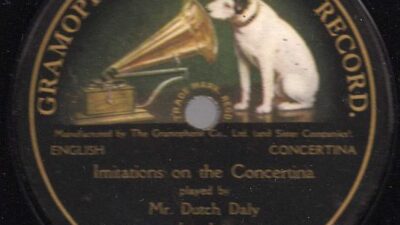
'पूरन भगत' (1933) बी.एन. सरकार के न्यू थिएटर्स, कलकत्ता की निर्मिती थी और देबकी बोस द्वारा निर्देशित — उस दौर के सबसे महत्त्वपूर्ण सवाक्-फ़िल्म निर्देशकों में एक। फ़िल्म पूरन भगत की पंजाबी लोक-किंवदंती को नाटकीय रूप देती है — एक राजपुत्र जो अन्यायपूर्ण कारावास के बाद संत बनता है — और सहगल को उनके मुख्य स्वर-वाहन के रूप में चार भजन दिए। आर.सी. बोराल ने संगीत सहगल की आवाज़ के इर्द-गिर्द रचा: वाद्यवृंद विरल और गौण रखा गया, ताकि हर भजन कथानक के भीतर कथासंगत प्रार्थना और एक स्वतंत्र ग्रामोफ़ोन रिकॉर्ड — दोनों के रूप में काम कर सके। यही न्यू थिएटर्स की व्यावसायिक समझ थी: फ़िल्म आपूर्ति-माध्यम, रिकॉर्ड उत्पाद। चारों 'पूरन भगत' भजन 1933 में एचएमवी पर एक सेट के रूप में बिके और उत्तर भारत में ग्रामोफ़ोन बिक्री चलाई। फ़िल्म व्यापक रूप से दौरे पर गई, और उसका संगीत कई शहरों में उसके आने से पहले ही ग्रामोफ़ोन पर बजने लगा था।
अंग्रेज़ी में पढ़ें · Read in English
Puran Bhagat (1933) was produced by B.N. Sircar's New Theatres in Calcutta and directed by Debaki Bose, one of the most important sound-film directors of the era. The film dramatises the Punjabi folk legend of Puran Bhagat — a king's son unjustly imprisoned who becomes a saint — and offered Saigal four bhajans as his primary vocal vehicles. R.C. Boral built the soundtrack around Saigal's voice: the orchestra was kept spare and secondary, so that each bhajan functioned both as a diegetic prayer within the narrative and as a self-contained gramophone record that could be extracted and sold. This was New Theatres' commercial insight: the film was the delivery mechanism; the record was the product. The four Puran Bhagat bhajans — sold as a set on HMV discs — drove gramophone sales across north India in 1933 and established the 'Saigal bhajan' as a marketable and artistically serious genre. The film toured widely, and its soundtrack preceded its arrival in many towns, played on gramophones before cinemas had it.
विरासत The Legacy
वह रिकॉर्ड जिसने 'सहगल-भजन' को अपनी अलग विधा बना दिया; 'भक्त सूरदास' और 'तानसेन' ने आगे वही फ़सल काटी जो यहाँ बोई गई।
अंग्रेज़ी में पढ़ें · Read in English
The record that established the Saigal bhajan as a genre of its own; Bhakta Surdas and Tansen later harvested what this sowed.
वर्गीकरण
ClassificationGenre
अन्य विवरण
More Details- Rajadhyaksha, Ashish & Willemen, Paul — Encyclopaedia of Indian Cinema (1994/1999)
- Sarkar, Bidyut — The World of Saigal (HMV release notes)
- Wikipedia: Puran Bhagat (1933 film); New Theatres; K.L. Saigal
References
रोचक तथ्य
Margin Notes'पूरन भगत' (1933) का निर्देशन देवकी बोस ने न्यू थिएटर्स के लिए किया था — यह बी.एन. सरकार द्वारा स्थापित कलकत्ता स्टूडियो था, जिसने 1930 के दशक में भारतीय सवाक् सिनेमा पर अपना दबदबा बनाए रखा।
अंग्रेज़ी में पढ़ें · Read in English
Puran Bhagat (1933) was directed by Debaki Bose for New Theatres — the Calcutta studio founded by B.N. Sircar that dominated Indian sound cinema through the 1930s.
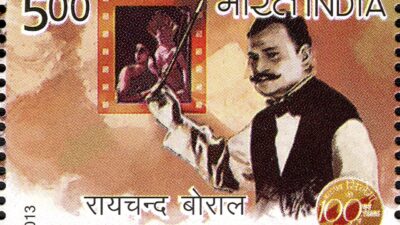
आर.सी. बोराल 1930 के दशक भर न्यू थिएटर्स के प्रमुख संगीत निर्देशक रहे और उन्होंने 'न्यू थिएटर्स साउंड' को आकार दिया: आवाज़-केंद्रित, धुन-प्रधान, और संयमित पश्चिमी वाद्यवृंद संयोजन के साथ।
अंग्रेज़ी में पढ़ें · Read in English
R.C. Boral was New Theatres' principal music director through the 1930s and shaped the 'New Theatres sound': voice-centred, melody-led, with restrained Western orchestration.
इस भजन के गीतकार का श्रेय प्रकाशित स्रोतों में विवादित है — कभी इसका श्रेय किदार शर्मा को दिया जाता है और कभी इसे अश्रेयित छोड़ दिया जाता है; यह प्रश्न अनसुलझा बना हुआ है।
अंग्रेज़ी में पढ़ें · Read in English
The lyricist credit for this bhajan is disputed in published sources — it is sometimes attributed to Kidar Sharma and sometimes left unattributed; the question remains unresolved.
'पूरन भगत' के चार सहगल भजन — जो एचएमवी पर साथ बेचे गए — ने फ़िल्मी-भजन रिकॉर्ड्स के लिए व्यावसायिक ढांचा तैयार किया और यह साबित किया कि लोकप्रिय संगीत भक्तिपूर्ण और सिनेमाई दोनों हो सकता है।
अंग्रेज़ी में पढ़ें · Read in English
The four Saigal bhajans from Puran Bhagat — sold together on HMV — created the commercial template for film-bhajan records and demonstrated that popular music could be both devotional and cinematic.
न्यू थिएटर्स अपनी कई फ़िल्मों के हिंदी और बांग्ला संस्करण एक साथ बनाता था, और सहगल आमतौर पर दोनों में मुख्य भूमिका निभाते थे, जिससे स्टूडियो को एक असामान्य द्विभाषी पहुंच मिली।
अंग्रेज़ी में पढ़ें · Read in English
New Theatres produced Hindi and Bengali versions of many of its films simultaneously, with Saigal typically starring in both, giving the studio an unusual dual-language reach.
नमूना-पट्टी
The Specimen Table| शीर्षक | दिन नीके बीते जात हैं · Din Neeke Beete Jaat Hain |
|---|---|
| फ़िल्म | पूरन भगत · 1933 |
| वर्ष · युग | 1933 |
| गायक | K.L. Saigal |
| संगीतकार | Rai Chand Boral |
| भाषा | braj |
| भाव | भक्ति · Serene |
| लोकप्रियता | Legendary |
| बोल-स्थिति | सार्वजनिक |
जुड़े हुए पन्ने
Connected Plates · The Graph Made Visibleअटलस में कोई पन्ना अकेला नहीं — इस गीत से जुड़े गीत, कलाकार, फ़िल्म, राग-ताल-विधा, सब यहाँ से खुलते हैं।
मिलते-जुलते गीत · Related Songs
कलाकार · The Artists
फ़िल्म · The Film
साझा कीजिए · Share this Plate