गीत विंग · गीत-पट्टिका · Song Plate
दही वाली ओ दही वाली
Dahi Wali O Dahi Wali
कांतिलाल का एक चुलबुला एकल, जो दही बेचने वाली ('दही वाली') को पुकारता है — परदेसी का एक हल्का गली-फेरी का चित्र।
भावउत्सव · चुलबुला
भाषाhindi गतितेज़ स्वरूपएकल पुरुष
श्रेय
The Creditsसूत्र-वाक्य · The Hook
सूत्र-वाक्य
कांतिलाल का एक चुलबुला एकल, जो दही बेचने वाली ('दही वाली') को पुकारता है — परदेसी का एक हल्का गली-फेरी का चित्र।
In EnglishA playful Kantilal solo calling out to the curd-seller ('dahi wali') — a light street-vendor vignette from Pardesi.
पट्टिका-लेख
The Monographपरिचय Overview
परदेसी (1941) में कांतिलाल का एक हल्का, चुलबुला एकल, संगीत खेमचंद प्रकाश का। 'दही वाली' का संबोधन 1940 के दशक के फ़िल्म-गीत में आम गली-फेरी और रोज़मर्रा-जीवन के चित्रों की परंपरा का है, जो संगीत-पट्टी में हास्य और लोक-राहत देता है।
अंग्रेज़ी में पढ़ें · Read in English
A light, playful solo by Kantilal from Pardesi (1941), composed by Khemchand Prakash. The 'dahi wali' (curd-seller) address belongs to the street-vendor and everyday-life vignette tradition common in 1940s film song, providing comic and folk relief within the soundtrack.
काव्य The Poetry
दही वाली (दही बेचने वाली) हिंदी फ़िल्म-गीत के एक सबसे उत्पादक लोक उप-शैली से संबंधित है: गली-फेरी की आवाज़, जिसमें रोज़मर्रा शहरी और अर्ध-शहरी जीवन की संवेदनात्मक बनावट को गीत में पुनः प्रस्तुत किया जाता है। ऐसे गीत — शरबत वाला, सब्ज़ी वाली, चूड़ी वाली — बारहमासी, नाट्य-गीत और उत्तर भारत की भ्रमणशील कलाकारी परंपराओं में जड़े थे। 'ओ दही वाली!' का संबोधन एक व्यावसायिक पुकार भी है और एक आकर्षण भी: विक्रेता की आवाज़ एक चुलबुला निमंत्रण बन जाती है, बाज़ार-विनिमय और प्रेम-प्रणय के बीच की दूरी को समेट लेती है। गायक कांतिलाल ऐसे पात्रों को जीवंत करने के लिए प्रसिद्ध थे — वह शरारती, आकर्षक आम आदमी जिसके गीत लोक-हास्य और शहरी चातुर्य के बीच के धूसर क्षेत्र में बसते हैं। भारतीय संदर्भ में दही शुभता, समृद्धि और मिठास का बोध कराती है — यहाँ तक कि एक हास्यात्मक फेरी-वाले की पुकार को भी उसकी सतही चुलबुलाहट से परे एक उत्सवी और रोमांटिक अनुगूँज दे देती है।
अंग्रेज़ी में पढ़ें · Read in English
The dahi wali (curd-seller woman) belongs to one of Hindi film song's most productive folk sub-genres: the street-vendor call, in which the sensory textures of everyday urban and semi-urban life are reproduced in song. Such songs — the lemonade vendor, the vegetable seller, the bangles vendor — had roots in the barahmasi (seasonal song), the natya-geet (theatrical song), and the itinerant performing traditions of North India. The address 'O dahi wali!' is both a commercial call and an enticement: the vendor's cry becomes a flirtatious invitation, collapsing the distance between marketplace exchange and romantic courtship. Kantilal, the singer and likely actor in this number, was renowned for his ability to play such characters — the cheeky, charming everyman whose songs inhabit the grey zone between folk humour and urban wit. The curd in the Indian context carries associations with auspiciousness, prosperity, and sweetness — giving even a comic vendor-call a layer of festive and romantic resonance beyond its surface playfulness.
कहानी The Story
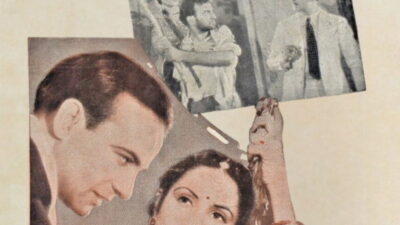
परदेसी (1941) रणजीत मूवीटोन की निर्मित और चतुर्भुज दोशी के निर्देशन में बनी फ़िल्म थी — 1929 में बॉम्बे में स्थापित और हिंदी सिनेमा के सबसे पुराने और प्रतिष्ठित स्टूडियो में से एक। फ़िल्म में मोतीलाल, खुर्शीद, स्नेहप्रभा, ई. बिलिमोरिया, दुर्गेश, कांतिलाल और भगवानदास थे। मोतीलाल — जो हिंदी सिनेमा में 'सहज अभिनय के जनक' के रूप में प्रसिद्ध थे — ने खुर्शीद के साथ परदे साझा किए, जो उस युग की एक प्रमुख महिला कलाकार थीं और जिन्होंने फ़िल्म को एक महत्वपूर्ण व्यावसायिक सफलता बनाया। संगीत खेमचंद प्रकाश ने रचा, जो एक ऐसे कैरियर पथ की शुरुआत पर थे जो बाद में ऐतिहासिक संगीत-स्कोर तैयार करेगा। 'दही वाली ओ दही वाली' — कांतिलाल द्वारा गाया गया जो फ़िल्म में एक सहायक भूमिका में भी थे — एक बड़ी नाटकीय कथा में हल्के-फुल्के हास्य-राहत का काम करता था।
अंग्रेज़ी में पढ़ें · Read in English
Pardesi (1941) was a Ranjit Movietone production directed by Chaturbhuj Doshi — one of the oldest and most prestigious Hindi film studios, founded in 1929 and based in Bombay. The film starred Motilal, Khursheed, Snehprabha, E. Billimoria, Durgesh, Kantilal, and Bhagwandas. Motilal — famous as 'the father of casual acting' in Hindi cinema — shared the screen with Khursheed, a major female star of the era who made the film a significant commercial success. Music was composed by Khemchand Prakash, who was at the beginning of a career trajectory that would later produce landmark scores. 'Dahi Wali O Dahi Wali' — sung by Kantilal, who also appeared in the film as a supporting player — functioned as the comic light-hearted relief within a larger dramatic narrative. Ranjit Movietone was known for maintaining high production standards and using established performing talent, which made even light comic numbers like this one part of a carefully crafted entertainment package.
विरासत The Legacy
खेमचंद प्रकाश (1907–1950), जिन्होंने परदेसी (1941) का संगीत रचा, मुख्यतः महल (1949) के लिए 'आएगा आने वाला' के ऐतिहासिक गीत के लिए याद किए जाते हैं — जिसे व्यापक रूप से वह गीत माना जाता है जिसने लता मंगेशकर को हिंदी फ़िल्म-संगीत की निर्णायक आवाज़ के रूप में स्थापित किया। रणजीत मूवीटोन में उनका प्रारंभिक काम, जिसमें परदेसी शामिल है, वह रचनात्मक नींव थी जिससे वह बाद की महारत विकसित हुई। रणजीत मूवीटोन स्वयं — वह स्टूडियो जिसने परदेसी का निर्माण किया — स्टूडियो प्रणाली के पतन के साथ 1950 के दशक की शुरुआत में बंद हो गया, लेकिन उसकी विरासत उन फ़िल्मों और कलाकारों के माध्यम से जीवित रही जिन्हें उसने प्रशिक्षित और निर्मित किया था।
अंग्रेज़ी में पढ़ें · Read in English
Khemchand Prakash (1907–1950), who composed the score for Pardesi (1941), is primarily remembered for his landmark composition 'Aayega Aanewala' for Mahal (1949), widely regarded as the song that established Lata Mangeshkar as the defining voice of Hindi film music. His early work at Ranjit Movietone, including Pardesi, formed the compositional foundation from which that later mastery grew. Ranjit Movietone itself — the studio that produced Pardesi — closed in the early 1950s as the studio system collapsed, but its legacy endured through the films and artists it had trained and produced. Motilal, the film's male lead, remained an influential acting presence through the 1960s, and his relaxed, naturalistic performance style influenced successive generations of Hindi film actors.
वर्गीकरण
Classification- Tempo
- Fast
Genre
अन्य विवरण
More Details- https://en.wikipedia.org/wiki/Khemchand_Prakash
- https://www.cinemaazi.com/people/khemchand-prakash
- https://bombaymann2.blogspot.com/2020/05/film-pardesi1941.html
- https://grokipedia.com/page/Kantilal
References
रोचक तथ्य
Margin Notesपरदेसी (1941) के संगीतकार खेमचंद प्रकाश (1907–1950) ने बाद में महल (1949) के लिए 'आएगा आनेवाला' रचा — जिसे व्यापक रूप से वह गीत माना जाता है जिसने लता मंगेशकर के करियर को हिंदी फ़िल्म संगीत की प्रमुख आवाज़ के रूप में स्थापित किया।
अंग्रेज़ी में पढ़ें · Read in English
Khemchand Prakash (1907–1950), the composer of Pardesi (1941), later composed 'Aayega Aanewala' for Mahal (1949) — widely regarded as the song that launched Lata Mangeshkar's career as the dominant voice of Hindi film music.
परदेसी (1941) रणजीत मूवीटोन की प्रस्तुति थी — 1929 में स्थापित सबसे पुराने हिंदी फ़िल्म स्टूडियो में से एक, जिसने हिंदी सवाक् फ़िल्म के प्रथम दशक में उसकी परंपराओं को स्थापित करने में महत्वपूर्ण भूमिका निभाई।
अंग्रेज़ी में पढ़ें · Read in English
Pardesi (1941) was a Ranjit Movietone production — one of the oldest Hindi film studios, founded in 1929, which was instrumental in establishing the conventions of the Hindi talkie in its first decade.
फ़िल्म के नायक मोतीलाल को प्रसिद्ध रूप से हिंदी सिनेमा में 'सहज अभिनय के जनक' के रूप में वर्णित किया गया है — उनकी स्वाभाविक, संयत अभिनय-शैली ने देव आनंद और गुरु दत्त सहित हिंदी फ़िल्म अभिनेताओं की कई पीढ़ियों को प्रभावित किया।
अंग्रेज़ी में पढ़ें · Read in English
Motilal, the film's lead, was famously described as 'the father of casual acting' in Hindi cinema — his naturalistic, understated performance style influenced multiple generations of Hindi film actors including Dev Anand and Guru Dutt.
'दही वाली ओ दही वाली' गाने वाले और फ़िल्म में दिखे कांतिलाल, 1937 से 1941 तक रणजीत मूवीटोन से जुड़े एक गायक-अभिनेता थे, जो हास्य और चरित्र भूमिकाओं के लिए जाने जाते थे जिनमें उनकी गायन-क्षमता अभिन्न अंग होती थी।
अंग्रेज़ी में पढ़ें · Read in English
Kantilal, who sings 'Dahi Wali O Dahi Wali' and appeared in the film, was a singer-actor based at Ranjit Movietone through 1937–1941, known for comic and character roles in which his singing ability was integral.
नमूना-पट्टी
The Specimen Table| शीर्षक | दही वाली ओ दही वाली · Dahi Wali O Dahi Wali |
|---|---|
| फ़िल्म | परदेसी · 1941 |
| वर्ष · युग | 1941 |
| गायक | Kantilal |
| संगीतकार | Khemchand Prakash |
| स्वरूप | एकल पुरुष |
| गति | तेज़ |
| भाषा | hindi |
| भाव | उत्सव · चुलबुला |
| लोकप्रियता | Known |
| बोल-स्थिति | केवल झलक |
जुड़े हुए पन्ने
Connected Plates · The Graph Made Visibleअटलस में कोई पन्ना अकेला नहीं — इस गीत से जुड़े गीत, कलाकार, फ़िल्म, राग-ताल-विधा, सब यहाँ से खुलते हैं।
मिलते-जुलते गीत · Related Songs
कलाकार · The Artists
फ़िल्म · The Film
साझा कीजिए · Share this Plate