गीत विंग · गीत-पट्टिका · Song Plate
भर भर के जाम पिला जा
Bhar Bhar Ke Jaam Pila Ja
भर भर के जाम पिला जा — आलम आरा के शराब-गीतों में सबसे व्याकुल याचना, एक नहीं बल्कि अनंत, मिटाने वाले प्रवाह की माँग।
भावतीव्र · उदास · दार्शनिक
भाषाUrdu · Hindi
श्रेय
The Creditsबोल · The Lyrics
पूरे बोल · Full Lyrics
शब्दकोश
Word Meaningsसूत्र-वाक्य · The Hook
सूत्र-वाक्य
भर भर के जाम पिला जा — आलम आरा के शराब-गीतों में सबसे व्याकुल याचना, एक नहीं बल्कि अनंत, मिटाने वाले प्रवाह की माँग।
In EnglishFill the cup again and again — the most urgent of Alam Ara's wine-songs, asking not for one drink but for an endless, obliterating stream.
पट्टिका-लेख
The Monographपरिचय Overview
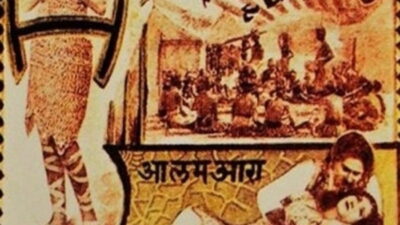
'भर भर के जाम पिला जा' भारत की पहली सवाक् फ़िल्म आलम आरा (1931) के सात गीतों में से एक है। ज़ुबैदा को दिया गया यह गीत उस नशे-के-गीत परम्परा से आता है जिसमें आशिक़ प्रेम-पीड़ा से राहत के लिए शराब की याचना करता है — और ज़ोरदार पुनरावृत्ति 'भर भर के' (भर भरकर) उसे अधिक संयत साक़ी-नामा रजिस्टर से अलग व्याकुलता देती है।
अंग्रेज़ी में पढ़ें · Read in English
'Bhar Bhar Ke Jaam Pila Ja' is one of the seven songs of Alam Ara (1931), India's first sound film. Attributed to Zubeida, the lead actress, it belongs to the tradition of the intoxication-song in which the lover pleads for wine as relief from the pain of love — and the emphatic repetition 'bhar bhar ke' (fill and fill again) gives it an urgency that sets it apart from the more composed saaki-naama register.
संगीत The Music
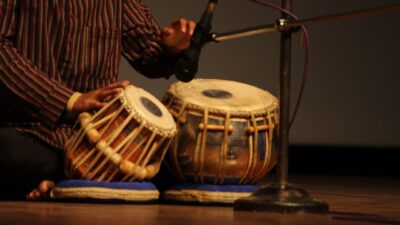
आलम आरा के प्रतीत होने वाले शराब-गीतों में — यह और 'दे दिल को आराम ऐ साकी गुलफ़ाम' — 'भर भर के' अधिक व्याकुल, कम चिंतनशील है। शीर्षक-पंक्ति में ही पुनरावृत्ति एक संगीतमय लय बनाती है: 'भर भर के' लगभग ताल-प्रधान है, एक लयबद्ध धड़कन जिसे फ़िरोज़शाह मिस्त्री ने संभवतः पारसी-रंगमंच के शिथिल साक़ी-नामा टुकड़ों की तुलना में तेज़, अधिक आग्रही तबले की लय से मिलाया होगा। यह उस स्कोर में नाटकीय रूप से प्रभावशाली विरोधाभास रहा होगा जिसमें भक्ति-गीत और ब्रह्मांडीय विलाप भी शामिल थे। 1931 की सजीव-प्रदर्शन परिस्थितियों में जाम-गीत की चालक लय ने कलाकारों को अपनी आवाज़ें अधिक ज़ोर से पेश करने में भी मदद की — संगीत स्वयं आदिम रिकॉर्डिंग उपकरण पर आवाज़ पकड़ने में एक तकनीकी सहायता था।
अंग्रेज़ी में पढ़ें · Read in English
Of Alam Ara's apparent wine-songs — this one and 'De Dil Ko Aaram Aey Saaki Gulfaam' — 'Bhar Bhar Ke' is the more urgent, less contemplative. The repetition in the title line itself creates a musical pattern: bhar bhar ke is almost percussive, a rhythmic pulse that Ferozshah Mistri would likely have matched to a faster, more insistent tabla rhythm than the languorous saaki-naama pieces of the Parsi stage. This would have been a dramatically effective contrast in a score that also included devotional songs and laments of cosmic scale. In the live-performance conditions of 1931, the driving rhythm of a jaam-song also allowed performers to project their voices more forcefully — the music itself was a technical aid to capturing the voice on the primitive recording equipment.
काव्य The Poetry
उर्दू काव्य में जाम-गीत की परम्परा विशाल है और कई स्तरों पर चलती है: उस सूफ़ी कवि से जो शराब को दिव्य नशे का रूपक बनाता है, ग़ज़ल के उस कवि तक जो इसे आत्मसमर्पण और विस्मरण की सबसे सुलभ छवि के रूप में उपयोग करता है, और उस लोकप्रिय गीतकार तक जो इसे निषिद्ध आनंद की सहज अनुभूति के लिए उपयोग करता है। 'भर भर के पिला जा' — भरता रह और पिलाता रह — में एक कच्चापन है जो अधिक उन्नत साक़ी-नामा स्वर को पार कर जाता है। 'जा' शब्द (बस करो, करते रहो) बोलचाल का और व्याकुल है, शास्त्रीय नहीं। जोसेफ़ डेविड यहाँ अपने लेखन का एक और रजिस्टर प्रकट करते हैं: विलाप-गीतों की उच्च उर्दू नहीं, बल्कि लोकप्रिय मनोरंजन की प्रत्यक्ष, आज्ञावाचक आवाज़ — पहली टॉकी के स्कोर को काव्यात्मक उदात्त से रंगमंचीय तात्कालिक तक का लोकतांत्रिक विस्तार देते हुए।
अंग्रेज़ी में पढ़ें · Read in English
The jaam-song tradition in Urdu poetry is vast and runs across registers: from the Sufi poet who uses wine as the metaphor for divine intoxication, to the ghazal poet who uses it as the most accessible image of surrender and oblivion, to the popular songwriter who uses it for the sheer pleasure of the forbidden. 'Bhar bhar ke pila ja' — keep filling and keep making me drink — has a rawness that bypasses the more elevated saaki-naama tone. The word 'ja' (just do it, keep going) is colloquial and urgent, not classical. Joseph David here reveals another register of his writing: not the high Urdu of the lament songs, but the direct, imperative voice of popular entertainment, giving the first talkie's score a democratic spread from the poetic sublime to the theatrically immediate.
कहानी The Story
आलम आरा के प्रतीत होने वाले कई शराब-गीतों में 'भर भर के' किसी उन्मुक्ति के दृश्य से जुड़ा होगा — वह क्षण जब पात्र ने दुख या उत्सव के सामने आत्मसमर्पण कर दिया हो और नपा-तुला घूँट नहीं बल्कि अनंत बाढ़ माँगता हो। पारसी-रंगमंच की परम्परा में ऐसे गीत कथानक के नाटकीय चरमोत्कर्ष के साथ आते थे: अंतिम समाधान से पहले पराजय का क्षण, या पतन से पहले लापरवाह उल्लास। आलम आरा की अपना सिंहासन पुनः पाती राजकुमारी की कथा में ऐसा गीत आलम आरा के सबसे अंधेरे पल को चिह्नित कर सकता है — ग़लत पहचाना गया, प्रेम से बिछड़ा, जिस महल में पैदा हुई वह अब किसी और का।
अंग्रेज़ी में पढ़ें · Read in English
Among Alam Ara's apparently multiple wine-songs, 'Bhar Bhar Ke' may belong to a scene of abandon — a moment when the character has surrendered to grief or celebration and asks for no measured sip but an unceasing flood of wine. In the Parsi-theatre tradition such songs accompanied the dramatic crescendos of a plot: the moment of defeat before the final resolution, or the reckless joy before the fall. In Alam Ara's story of a princess reclaiming her throne, such a song could mark Alam Ara's darkest hour — wrongly identified, separated from love, the palace she was born in now a stranger's domain.
विरासत The Legacy
'दे दिल को आराम ऐ साकी गुलफ़ाम' के साथ मिलकर यह गीत स्थापित करता है कि आलम आरा का स्कोर एकरस नहीं था बल्कि जान-बूझकर विविध था — भक्ति से रोमांटिक से नशे-के-विलाप तक, दार्शनिक से तात्कालिक लोकप्रिय तक। एक ही साउंडट्रैक में तय की गई यह विविधता उस रेंज का पूर्वाभास है जो अगली पूरी शताब्दी में हिंदी फ़िल्म स्कोर का विशिष्ट हस्ताक्षर बनने वाली थी। भारत की पहली टॉकी भारत की पहली बहु-विधा म्यूज़िकल भी थी।
अंग्रेज़ी में पढ़ें · Read in English
Together with 'De Dil Ko Aaram Aey Saaki Gulfaam', this song establishes that Alam Ara's score was not monolithic but deliberately varied — moving from devotional to romantic to intoxication-lament, from philosophical to urgently popular. This range, navigated within a single soundtrack, prefigures the variety that would become the characteristic signature of the Hindi film score across the next century. India's first talkie was also India's first multi-genre musical.
वर्गीकरण
ClassificationGenre
अन्य विवरण
More Details- Alam Ara — Wikipedia (soundtrack listing)
References
रोचक तथ्य
Margin Notesआलम आरा कथित तौर पर 14 मार्च 1931 के प्रीमियर के बाद बम्बई के मैजेस्टिक सिनेमा में आठ लगातार हफ़्ते हाउसफुल चली — किसी भी युग की फ़िल्म के लिए असाधारण सफलता, जो बड़े पैमाने पर उसके गीतों की नवीनता और भावनात्मक शक्ति से प्रेरित थी।
अंग्रेज़ी में पढ़ें · Read in English
Alam Ara reportedly ran to packed houses for eight continuous weeks at the Majestic Cinema, Bombay, after its 14 March 1931 premiere — an extraordinary run for any film of the era, largely driven by the novelty and emotional power of its songs.
आलम आरा का संगीत रचने वाले फ़िरोज़शाह मिस्त्री 'फ़िल्मी पार्श्व-संगीत' की अवधारणा के अस्तित्व में आने से पहले के युग में काम करते थे — गीत ही फ़िल्म की नाटकीय और संगीतमय विषयवस्तु दोनों थे, और हर एक को एक साथ रंगमंचीय दृश्य और स्वतंत्र मनोरंजन का काम करना था।
अंग्रेज़ी में पढ़ें · Read in English
Ferozshah Mistri, who composed Alam Ara's music, worked in the era before the concept of 'film background music' existed — the songs were both the dramatic and the musical content of the film, and each had to serve double duty as theatrical scene and standalone entertainment.
नमूना-पट्टी
The Specimen Table| शीर्षक | भर भर के जाम पिला जा · Bhar Bhar Ke Jaam Pila Ja |
|---|---|
| फ़िल्म | आलम आरा · 1931 |
| वर्ष · युग | 1931 — Early Talkie Era |
| गायक | Zubeida |
| गीतकार | Joseph David |
| संगीतकार | Ferozshah M. Mistri |
| भाषा | Urdu · Hindi |
| वाद्य | harmonium · tabla |
| भाव | तीव्र · उदास · दार्शनिक |
| बोल-स्थिति | सार्वजनिक |
जुड़े हुए पन्ने
Connected Plates · The Graph Made Visibleअटलस में कोई पन्ना अकेला नहीं — इस गीत से जुड़े गीत, कलाकार, फ़िल्म, राग-ताल-विधा, सब यहाँ से खुलते हैं।
मिलते-जुलते गीत · Related Songs
कलाकार · The Artists
फ़िल्म · The Film
साझा कीजिए · Share this Plate