गीत विंग · गीत-पट्टिका · Song Plate
बाबुल मोरा नैहर छूटो जाए
Babul Mora Naihar Chhuto Jaaye
एक दुल्हन का शाश्वत विलाप — भारत के पार्श्वगायन-पूर्व युग में दुर्गा खोटे की अपनी आवाज़ में, नवाब वाजिद अली शाह की परम्परा से आती धुन के साथ।
भावमीठा-कड़वा · उदास · पुरानी यादें
भाषाHindi · Braj Bhasha · Urdu
श्रेय
The Creditsबोल · The Lyrics
पूरे बोल · Full Lyrics
शब्दकोश
Word Meaningsसूत्र-वाक्य · The Hook
सूत्र-वाक्य
एक दुल्हन का शाश्वत विलाप — भारत के पार्श्वगायन-पूर्व युग में दुर्गा खोटे की अपनी आवाज़ में, नवाब वाजिद अली शाह की परम्परा से आती धुन के साथ।
In EnglishA bride's timeless lament — sung by Durga Khote in her own voice in India's pre-playback era, carrying a melody that traces back to Nawab Wajid Ali Shah.
पट्टिका-लेख
The Monographपरिचय Overview
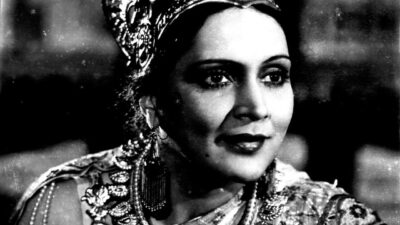
फ़रेबी जाल (1931) में 'बाबुल मोरा नैहर छूटो जाए' दुर्गा खोटे के टॉकी-पदार्पण में कैमरे पर गाए तीन गीतों में से एक है। नवाब वाजिद अली शाह से जुड़ी प्रसिद्ध धुन का उपयोग करते हुए, यह इस क्लासिक के सबसे आरंभिक दर्ज फ़िल्मी संस्करणों में से एक है — पार्श्वगायन के बिना, सजीव, एक ऐसी अभिनेत्री द्वारा प्रस्तुत जो स्वयं शास्त्रीय प्रशिक्षण-प्राप्त गायिका भी थीं।
अंग्रेज़ी में पढ़ें · Read in English
'Babul Mora Naihar Chhuto Jaaye' in Farebi Jaal (1931) is one of three songs sung on camera by Durga Khote in her talkie debut. Drawing on the celebrated melody traditionally attributed to Nawab Wajid Ali Shah, it stands as one of the earliest documented film renditions of this classic — performed live, without playback, by an actress who was also a classically trained singer.
संगीत The Music
'बाबुल मोरा नैहर छूटो जाए' की धुन हिंदुस्तानी अर्धशास्त्रीय परम्परा में सबसे पहचानी जाने वाली धुनों में से एक है, जिसे परम्परागत रूप से अवध के अंतिम नवाब वाजिद अली शाह से जोड़ा जाता है — कहा जाता है कि उन्होंने इसे 1856 में लखनऊ से कलकत्ता निर्वासन के अवसर पर रचा था। 1931 तक यह उत्तर भारत की साझा संगीत-विरासत में जा चुका था — शास्त्रीय संगीतकारों, तवायफ़-गायिकाओं और उभरते ग्रामोफ़ोन उद्योग के विविध संस्करणों में। मास्टर वसंत का फ़रेबी जाल के लिए इस धुन का उपयोग इसे फ़िल्म के परदे पर ले आया। दुर्गा खोटे का प्रदर्शन, जो कैमरे के सामने सजीव गाया गया, उनके शास्त्रीय प्रशिक्षण का फल था — ऐसी स्त्री के लिए एक असाधारण और सामाजिक दृष्टि से महत्वपूर्ण प्रशिक्षण जिसने सामाजिक कलंक वाले सिनेमा-जगत में प्रवेश किया था।
अंग्रेज़ी में पढ़ें · Read in English
The melody of 'Babul Mora Naihar Chhuto Jaaye' is one of the most recognisable in the Hindustani semi-classical tradition, conventionally traced to Nawab Wajid Ali Shah, the last Nawab of Awadh, who is said to have composed it on the occasion of his exile from Lucknow to Calcutta in 1856. By 1931 it had long since passed into the shared musical inheritance of North India, performed in various arrangements by classical musicians, courtesan singers, and the emerging gramophone industry. Master Vasant's use of the melody for Farebi Jaal brought it to the film screen. Durga Khote's performance, sung live on camera, drew on the classical training she had received — a training unusual and socially significant for a woman of her background who had chosen the socially stigmatised world of cinema.
काव्य The Poetry
'बाबुल मोरा' का बोल — अपने पारम्परिक रूप में — संयमित भाव का एक मास्टरपीस है। 'बाबुल मोरा' का बार-बार आता संबोधन बचपन और अपनेपन की पूरी दुनिया का बोझ उठाता है, जबकि 'नैहर छूटो जाए' जाने की अपरिवर्तनीयता को पकड़ता है। यह छवि शाब्दिक भी है — विदा होती दुल्हन — और रूपकात्मक भी: देह छोड़ती आत्मा, संसार छोड़ता भक्त। शाब्दिक और अतींद्रिय की यह परतदारी गीत को ऐसी व्यापकता देती है जो इसे विवाह से कहीं आगे — निर्वासन, मृत्यु, आध्यात्मिक विरह — के संदर्भों में भी उचित बनाती है।
अंग्रेज़ी में पढ़ें · Read in English
The lyric of 'Babul Mora' — in its traditional form — is a masterpiece of restrained emotion. The repeated address 'babul mora' (O my father) carries the weight of a woman's entire world of childhood and belonging, while 'naihar chhuto jaaye' (my parental home slips away) captures the irreversibility of the departure. The image is both literal — a bride leaving — and metaphorical: the soul departing the body, a devotee leaving the world. This layering of the literal and the transcendent gave the lyric a universality that made it appropriate for contexts far beyond the wedding, including exile, death, and spiritual longing.
कहानी The Story
फ़रेबी जाल की नाटकीय संरचना में विदाई और खोए हुए घर का यह गीत गहरा नाटकीय भार रखता था — बिछोह का विलाप फ़िल्म के धोखे और भावनात्मक हानि के विषयों की सेवा करता हुआ। दुर्गा खोटे का यह प्रदर्शन उनके फ़िल्म के तीन गीतों में सबसे माँग करने वाला था: इसमें शास्त्रीय गायन-तकनीक, भावनात्मक गहराई, और पार्श्वगायन स्टूडियो या दोबारे लेने की सुविधा के बिना कैमरे पर विरह संप्रेषित करने की क्षमता चाहिए थी।
अंग्रेज़ी में पढ़ें · Read in English
In Farebi Jaal's dramatic structure, a song of parting and lost home would have carried profound dramatic weight — the lament of separation serving the film's themes of deception and emotional loss. Durga Khote's performance of this song was the most demanding of her three songs in the film: it required classical vocal technique, emotional depth, and the ability to communicate loss on camera without the support of a playback studio or retakes.
विरासत The Legacy
फ़रेबी जाल में दुर्गा खोटे का 'बाबुल मोरा' हिंदुस्तानी शास्त्रीय परम्परा और हिंदी सिनेमा के संबंध में एक ऐतिहासिक रूप से महत्वपूर्ण क्षण है। एक दशक के भीतर पार्श्वगायन प्रणाली कलाकार के चेहरे और गायक की आवाज़ के बीच प्रत्यक्ष संबंध को तोड़ देगी; किंतु 1931 में खोटे ने प्रदर्शित किया कि एक विधिवत प्रशिक्षित शास्त्रीय गायिका भूमिका को पूर्णतः — शरीर, चेहरा और आवाज़ एकजुट — निभा सकती है। के.एल. सहगल, और बाद में लता मंगेशकर और भीमसेन जोशी समेत अनेक कलाकारों की 'बाबुल मोरा' की रिकॉर्डिंग इस धुन की अमरता को पक्का करेंगी; किंतु खोटे की 1931 की फ़िल्मी प्रस्तुति, यदि आज सुनी जा सकती, तो संभवतः तवायफ़ ठुमरी परम्परा के अधिक क़रीब होती, न कि बाद के अधिक 'रचित' स्टूडियो-ध्वनि के।
अंग्रेज़ी में पढ़ें · Read in English
Durga Khote's singing of 'Babul Mora' in Farebi Jaal is a historically significant moment in the relationship between the Hindustani classical tradition and Hindi cinema. Within a decade, the playback system would sever the direct link between actor's face and singer's voice; but in 1931, Khote demonstrated that a formally trained classical singer could inhabit the role entirely — body, face, and voice unified. Later recordings of 'Babul Mora' by K.L. Saigal, and much later by artists including Lata Mangeshkar and Bhimsen Joshi, would cement the melody's immortality; but Khote's 1931 film rendition, if it could be heard today, would likely reveal an interpretation closer to the courtesan thumri tradition than to the more 'composed' studio sound that followed.
वर्गीकरण
ClassificationGenre
अन्य विवरण
More Details- Durga Khote — Wikipedia (filmography)
- Wajid Ali Shah — Wikipedia (Babul Mora composition)
References
रोचक तथ्य
Margin Notesबाबुल मोरा की धुन परम्परागत रूप से नवाब वाजिद अली शाह (1822–1887) को दी जाती है, जिन्होंने इसे 1856 में लखनऊ से कलकत्ता निर्वासन पर रचा था — जिससे दुर्गा खोटे का 1931 का फ़िल्मी संस्करण इस रचना के सबसे आरंभिक दर्ज सिनेमाई प्रयोगों में से एक बनता है।
अंग्रेज़ी में पढ़ें · Read in English
The melody of 'Babul Mora' is traditionally attributed to Nawab Wajid Ali Shah (1822–1887), who composed it on being exiled from Lucknow to Calcutta in 1856 — making Durga Khote's 1931 film version an early documented cinematic use of this composition.
दुर्गा खोटे के पास पारम्परिक अर्थ में कोई व्यावसायिक गायन-प्रशिक्षण नहीं था — उनका संगीत-आधार उनके शिक्षित, सुसंस्कृत परिवार से आया, जहाँ शास्त्रीय संगीत दैनिक जीवन का हिस्सा था।
अंग्रेज़ी में पढ़ें · Read in English
Durga Khote had no professional singing training in the conventional sense — her musical foundation came from her educated, cultured household, where classical music was part of daily life.
नमूना-पट्टी
The Specimen Table| शीर्षक | बाबुल मोरा नैहर छूटो जाए · Babul Mora Naihar Chhuto Jaaye |
|---|---|
| फ़िल्म | फ़रेबी जाल · 1931 |
| वर्ष · युग | 1931 — Early Talkie Era |
| गायक | Durga Khote |
| गीतकार | Master Vasant |
| संगीतकार | Master Vasant |
| भाषा | Hindi · Braj Bhasha · Urdu |
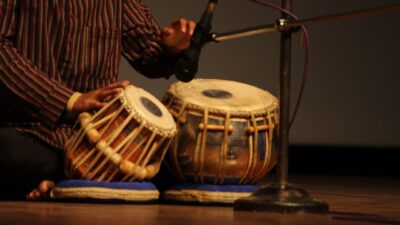
| वाद्य | harmonium · tabla · sarangi (probable) |
| भाव | मीठा-कड़वा · उदास · पुरानी यादें |
| बोल-स्थिति | सार्वजनिक |
जुड़े हुए पन्ने
Connected Plates · The Graph Made Visibleअटलस में कोई पन्ना अकेला नहीं — इस गीत से जुड़े गीत, कलाकार, फ़िल्म, राग-ताल-विधा, सब यहाँ से खुलते हैं।
मिलते-जुलते गीत · Related Songs
कलाकार · The Artists
फ़िल्म · The Film
साझा कीजिए · Share this Plate