गीत विंग · गीत-पट्टिका · Song Plate
दरस बिन मोरे हैं तरसे नैना प्यारे
Daras Bin More Hain Tarse Naina Pyare
दरस बिन मोरे तरसे नैना प्यारे — भारत की पहली टॉकी का वह अकेला गीत जो उर्दू रंगमंच की नहीं, मीराबाई की भाषा में बोलता है।
भावउदास · पुरानी यादें · शांत · आध्यात्मिक
भाषाBraj Bhasha · Hindi · Sanskrit
श्रेय
The Creditsबोल · The Lyrics
पूरे बोल · Full Lyrics
शब्दकोश
Word Meaningsसूत्र-वाक्य · The Hook
सूत्र-वाक्य
दरस बिन मोरे तरसे नैना प्यारे — भारत की पहली टॉकी का वह अकेला गीत जो उर्दू रंगमंच की नहीं, मीराबाई की भाषा में बोलता है।
In EnglishMy dear eyes pine for a glimpse of you — the one song in India's first talkie that speaks in the language of Mirabai rather than the Urdu stage.
पट्टिका-लेख
The Monographपरिचय Overview
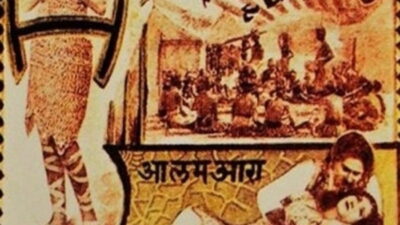
'दरस बिन मोरे हैं तरसे नैना प्यारे' भारत की पहली सवाक् फ़िल्म आलम आरा (1931) के सात गीतों में से एक है। ज़ुबैदा को दिया गया यह गीत भाषा की दृष्टि से ज्ञात आलम आरा गीतों में सबसे विशिष्ट है: जहाँ बाक़ी गीत उर्दू और फ़ारसी से लेते हैं, यह ब्रज भाषा — मीराबाई, सूरदास, और भक्ति-भजन परम्परा की भाषा — उपयोग करता है, भक्ति की आवाज़ को भारतीय सिनेमा के पहले दृश्य में लाता है।
अंग्रेज़ी में पढ़ें · Read in English
'Daras Bin More Hain Tarse Naina Pyare' is one of the seven songs of Alam Ara (1931), India's first sound film. Attributed to Zubeida, the lead actress, it is linguistically the most distinctive of the known Alam Ara songs: where the others draw on Urdu and Persian, this one uses Braj Bhasha — the language of Mirabai and Surdas and the devotional bhajan tradition — bringing the voice of bhakti into the first scene of Indian cinema.
संगीत The Music
ब्रज-भाषा के फ़िल्मी गीत सबसे स्वाभाविक रूप से भजन की धुन-शैली की ओर मुड़ते थे — भक्ति-संगीत से जुड़े राग-रूपों में से किसी एक में धीमी, विकसित होती, अलंकृत प्रस्तुति: भैरवी (विरह और तड़प का शास्त्रीय राग), काफ़ी (अपनी लालसा और लोक-भक्ति की छाया के साथ), या यमन (संध्या-प्रार्थना)। फ़िरोज़शाह मिस्त्री, जो उस क्षण रच रहे थे जब फ़िल्म-संगीत अभी भी पारसी-रंगमंच और शास्त्रीय गायक के प्रदर्शनागार से अविभाज्य था, के पास पूरी भजन-परम्परा तक पहुँच थी — और नैना, दरस, मोरे जैसे इस गीत को मंदिर या महाभजन प्रदर्शन की स्थायी, ध्यानपूर्ण शैली में रखा जाता। हारमोनियम, आरंभिक-टॉकी सेट का सार्वभौम वाद्य, यहाँ धीमी, भक्तिमय धुन के नीचे द्रोण-आधार के रूप में काम करता।
अंग्रेज़ी में पढ़ें · Read in English
Songs in Braj Bhasha in the film context most naturally moved to the bhajan melodic style — a slow, unfolding, ornamented delivery in one of the raga modes associated with devotional music: Bhairavi (the classic parting and yearning raag), Kafi (with its note of longing and the folk-devotional), or Yaman (evening prayer). Ferozshah Mistri, composing at a moment when film music was still inseparable from the stage music of the Parsi theatre and the classical vocalist's repertoire, would have had access to the full bhajan tradition — and a song like this, with naina and daras and more, would have been set in the sustained, meditative style of a temple or maha-bhajan performance. The harmonium, the universal instrument of the early-talkie set, would here have served as the drone-foundation under a slow, devotional melody.
काव्य The Poetry
शीर्षक-पंक्ति पदावली परम्परा से निस्संदिग्ध रूप से है — दिव्य प्रिय को संबोधित भक्ति-गीत। 'दरस' दर्शन है, पवित्र की वह झलक जो स्वयं एक कृपा है। 'मोरे' (मेरो = मेरा) वह ब्रज-भाषा प्रथम-पुरुष सम्बन्धकारक है जिसे मीराबाई के बाद के कवियों ने भक्त की तड़प को अंतरंग और व्यक्तिगत बनाने के लिए उपयोग किया, औपचारिक या धर्मग्रंथिक नहीं। 'नैना' तड़प का केंद्र है — भक्ति काव्य में आँखें केवल देखती नहीं, पहुँचती हैं, तरसती हैं, भक्त की समस्त इच्छा की देह बन जाती हैं। 'तरसे' — बेचैनी से तड़पना — वह अवस्था है जो बिछड़े प्रेमी की है, जिसकी आँखों को चैन नहीं। कि जोसेफ़ डेविड ने, पारसी रंगमंच के नाटककार ने, पहली टॉकी के एक गीत के लिए ब्रज भाषा चुनी — यह दिखाता है कि आरंभिक फ़िल्म की भाषा कितनी विशाल थी: वह एक ही स्कोर में, एक ही साँस में उर्दू शायरी और भक्ति पदावली दोनों को थाम सकती थी।
अंग्रेज़ी में पढ़ें · Read in English
The title line belongs unmistakably to the padavali tradition — the devotional lyric addressed to a divine beloved. 'Daras' is darshan, the beholding of the sacred that is itself a form of grace. 'More' (mero = mera) is the Braj Bhasha first-person possessive that poets from Mirabai onward used to locate the devotee's yearning as intimate and personal, not formal or liturgical. 'Naina' is the seat of longing — in bhakti poetry the eyes do not merely see but reach out, yearn, become the whole body of the devotee's desire. 'Tarse' — to pine desperately — is the state of the separated lover, whose eyes find no rest. That Joseph David, a playwright of the Parsi stage, chose Braj Bhasha for one of the first talkie's songs shows how capacious the early film idiom was: it could hold Urdu shayari and bhakti padavali in the same score, the same breath.
कहानी The Story
आलम आरा की कथा, अपने उर्दू-रंगमंच उद्गम के बावजूद, ऐसे पात्र को शामिल करती थी जिसने जीवन के निर्माणकारी वर्ष बंजारे लोक-कलाकारों के बीच बिताए — ऐसे लोग जिनके लिए उत्तर भारतीय भक्ति-संगीत का प्रदर्शनागार उतना ही स्वाभाविक था जितना साँस लेना। ब्रज-भाषा का भजन आलम आरा की उन लोगों के बीच की उत्पत्ति के साथ या किसी ऐसे नाटकीय दृश्य के साथ मेल खाता होगा जिसमें वह अपनी सबसे बड़ी ज़रूरत के समय शक्ति या दैवीय सहायता के लिए किसी देव को पुकारती है। भाषा स्वयं — ब्रज, उर्दू नहीं — अधिक भावनात्मक कच्चेपन के दृश्य का, शायद प्रदर्शन से अधिक प्रार्थना का संकेत देती है: एक स्त्री दर्शकों के लिए गाने की बजाय ईश्वर से बात कर रही है। पहली टॉकी के स्कोर में यह गीत सबसे अंतरंग और सबसे प्राचीन अनुभव वाला रहा होगा, पारसी रंगमंच से परे, सदियों पहले के भक्ति आंदोलन तक पहुँचता हुआ।
अंग्रेज़ी में पढ़ें · Read in English
Alam Ara's narrative, despite its Urdu-stage origins, included a character who spent formative years among nomadic folk performers — people for whom the bhakti repertoire of North Indian devotional music was as natural as breathing. A Braj-bhasha bhajan would suit Alam Ara's origins among such people, or a dramatic scene in which she invokes a deity for strength or divine aid in her hour of greatest need. The language itself — Braj, not Urdu — signals a scene of greater emotional rawness, perhaps of prayer rather than performance: a woman speaking to God rather than singing for an audience. In the first talkie's score, this song would have been the most intimate and the most ancient-feeling, reaching back past the Parsi stage into the bhakti movement centuries before.
विरासत The Legacy
यह गीत भारतीय फ़िल्म-संगीत के इतिहास में कुछ असाधारण का प्रतिनिधित्व करता है: ब्रज-भाषा भक्ति काव्य — मीराबाई, सूरदास, और तुलसीदास की भाषा — की उपस्थिति भारतीय सवाक् सिनेमा के पहले ही साउंडट्रैक में। इसका समावेश प्रमाणित करता है कि पहला हिंदी फ़िल्म स्कोर कोई संकीर्ण उर्दू-रंगमंच का काम नहीं था बल्कि एक सचेत बहु-परम्परा रचना थी, जो एक साथ फ़ारसी शायरी, पारसी-रंगमंच हिंदुस्तानी, और भक्ति-हिंदू पदावली परम्परा से लेती थी। यह बहुलता, लघु रूप में, अगली पूरी शताब्दी के लिए हिंदी फ़िल्म-संगीत की पूरी सांस्कृतिक भूगोल है। आलम आरा के सात गीत वह बीज हैं जिनसे पूरा वृक्ष बढ़ा।
अंग्रेज़ी में पढ़ें · Read in English
This song represents something extraordinary in the history of Indian film music: the presence of Braj Bhasha bhakti poetry — the language of Mirabai, Surdas, and Tulsidas — in the very first soundtrack of Indian talking cinema. Its inclusion proves that the first Hindi film score was not a narrow Urdu-stage affair but a consciously multi-tradition composition, drawing simultaneously from Persian shayari, Parsi theatre Hindustani, and the devotional Hindu padavali tradition. This plurality is, in miniature, the entire cultural geography of Hindi film music for the next century. Alam Ara's seven songs are the seed from which the whole tree grew.
वर्गीकरण
ClassificationGenre
अन्य विवरण
More Details- Alam Ara — Wikipedia (soundtrack listing)
References
रोचक तथ्य
Margin Notesइस गीत की ब्रज-भाषा शब्दावली — दरस, मोरे, नैना, तरसे — इसे सीधे मीराबाई की भक्ति-काव्य-परम्परा से जोड़ती है, जिन्होंने कृष्ण को संबोधित अपनी रचनाओं में ये ही शब्द उपयोग किए। कि आलम आरा ने इस परम्परा का एक गीत शामिल किया, पहली हिंदी टॉकी को एक साथ पारसी-रंगमंच का उर्दू मनोरंजन और छह शताब्दियों के उत्तर भारतीय भक्ति-संगीत का वारिस बनाता है।
अंग्रेज़ी में पढ़ें · Read in English
The Braj Bhasha vocabulary of this song — daras, more, naina, tarse — links it directly to the bhakti poetry of Mirabai, who used these very words in her compositions to Krishna. That Alam Ara included a song in this tradition makes the first Hindi talkie simultaneously a Parsi-theatre Urdu entertainment and an heir to six centuries of North Indian devotional music.
भक्ति-काव्य परम्परा में नैना (आँखें) जो दरस (दिव्य झलक) के लिए तरसें (व्याकुल हों) — यह मीराबाई, सूरदास, और कबीर को दिए गई रचनाओं में मिलता है। कि यह भाषा भारतीय सिनेमा में उसके बोलते चित्रों के पहले दिन पहुँची, यह बताता है कि 1931 तक उत्तर भारतीय संगीत-संस्कृति में भक्ति परम्परा कितनी गहरी जड़ें जमा चुकी थी।
अंग्रेज़ी में पढ़ें · Read in English
In the bhakti poetry tradition, naina (eyes) that tarse (yearn) for daras (divine glimpse) appear in compositions attributed to Mirabai, Surdas, and Kabir. That this language arrived in Indian cinema on its very first day of talking pictures speaks to how deep the bhakti tradition ran in North Indian musical culture by 1931.
नमूना-पट्टी
The Specimen Table| शीर्षक | दरस बिन मोरे हैं तरसे नैना प्यारे · Daras Bin More Hain Tarse Naina Pyare |
|---|---|
| फ़िल्म | आलम आरा · 1931 |
| वर्ष · युग | 1931 — Early Talkie Era |
| गायक | Zubeida |
| गीतकार | Joseph David |
| संगीतकार | Ferozshah M. Mistri |
| भाषा | Braj Bhasha · Hindi · Sanskrit |
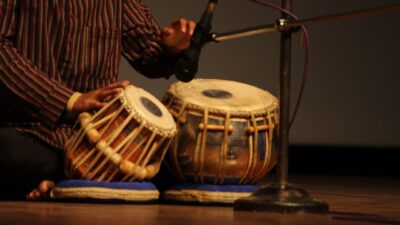
| वाद्य | harmonium · tabla |
| भाव | उदास · पुरानी यादें · शांत · आध्यात्मिक |
| बोल-स्थिति | सार्वजनिक |
जुड़े हुए पन्ने
Connected Plates · The Graph Made Visibleअटलस में कोई पन्ना अकेला नहीं — इस गीत से जुड़े गीत, कलाकार, फ़िल्म, राग-ताल-विधा, सब यहाँ से खुलते हैं।
मिलते-जुलते गीत · Related Songs
कलाकार · The Artists
फ़िल्म · The Film
साझा कीजिए · Share this Plate