गीत विंग · गीत-पट्टिका · Song Plate
राधे राधे भजन
Radhe Radhe Bhajan
राधा को एक भक्तिपूर्ण आह्वान, कृष्ण पूजा में दिव्य स्त्रीत्व सिद्धांत
भावभक्ति · शांत · आध्यात्मिक
भाषाHindi with Sanskrit गतिधीमी स्वरूपएकल महिला
श्रेय
The Creditsबोल · The Lyrics
पूरे बोल · Full Lyrics
कृष्ण प्रीत की रीधि बढ़ाय,
राधे राधे भजन गाय।
Krishna prit ki ridhi badhai,
Radhe radhe bhajan gaay.
सूत्र-वाक्य · The Hook
सूत्र-वाक्य
राधा को एक भक्तिपूर्ण आह्वान, कृष्ण पूजा में दिव्य स्त्रीत्व सिद्धांत
In EnglishA devotional invocation to Radha, the divine feminine principle in Krishna worship, rendered with spiritual intensity
पट्टिका-लेख
The Monographपरिचय Overview
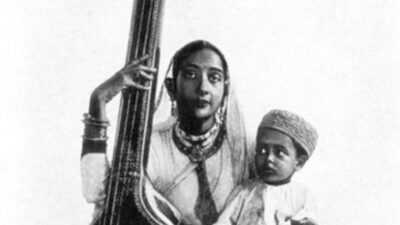
“राधे राधे भजन” 1906 की लोकप्रिय रिकॉर्डिंग है। गायन ज़ोहरा बाई अग्रेवाली का है, संगीत पारंपरिक का है, और बोल पारंपरिक ने लिखे हैं। यह राग Yaman पर आधारित है, Dadra ताल में निबद्ध, Bhajan शैली का गीत। इसका प्रमुख भाव Devotional है, अवधि 3:45 है, और यह The Gramophone Company (Hmv) लेबल से जारी हुआ।
अंग्रेज़ी में पढ़ें · Read in English
“Radhe Radhe Bhajan” is a popular recording from 1906. Rendered by Zohra Bai Agrewali, composed by Traditional, with lyrics penned by Traditional. Musically it set in Raag Yaman, to the Dadra taal, in the Bhajan idiom. Its prevailing mood is devotional, the recording runs 3:45, released on the the gramophone company (hmv) label.
संगीत The Music
ज़ोहरा बाई की भजन राग यमन की मधुर सुंदरता का उपयोग करती है, जो शाम की भक्ति और रोमांटिक आध्यात्मिकता से जुड़ी है।
अंग्रेज़ी में पढ़ें · Read in English
Zohra Bai's bhajan employs the melodic beauty of Raag Yaman, a raag associated with evening devotion and romantic spirituality. The slow dadra taal provides a meditative pulse, allowing the devotional text to unfold with emphasis on emotional resonance. Zohra Bai's serious classical training is evident in her handling of the raag structure, even within the devotional context.
काव्य The Poetry
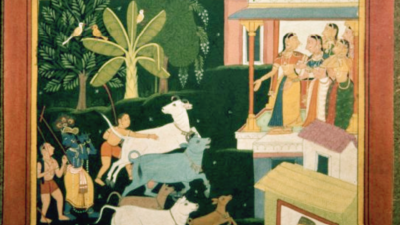
भजन 'राधे' के दोहराए गए आह्वान पर केंद्रित है, कृष्ण पूजा में दिव्य प्रिय का नाम। राधा, कृष्ण की दिव्य प्रतिपक्ष के रूप में, दिव्य के साथ संघ के लिए आने वाली भक्त का प्रतिनिधित्व करती है।
अंग्रेज़ी में पढ़ें · Read in English
The bhajan centers on the repeated invocation of 'Radhe,' the name of the divine beloved in Krishna worship. Radha, as the female counterpart to Krishna, represents the devotee seeking union with the divine. The lyrical emphasis on increasing Krishna's affection (prit ki ridhi) reflects the bhakti tradition's language of personal relationship with the divine.
कहानी The Story
1906 तक, भक्तिपूर्ण भजन ग्रामोफोन उद्योग का एक मुख्य भाग बन गए थे। कई घरों ने घर की पूजा और ध्यान के लिए भजन रिकॉर्डिंग खरीदी थीं।
अंग्रेज़ी में पढ़ें · Read in English
By 1906, devotional bhajans had become a staple of the gramophone industry. Many households purchased bhajan recordings for home worship and meditation. Zohra Bai's recording would have served this dual purpose — fulfilling the demand for authentic devotional music while also showcasing her serious classical credentials. The inclusion of harmonium (a relatively modern accompaniment) suggests the adaptation of traditional devotion for contemporary audiences.
विरासत The Legacy
यह भजन भारतीय संगीत में एक महत्वपूर्ण परंपरा का प्रतिनिधित्व करता है — आध्यात्मिक अभ्यास के लिए भक्तिपूर्ण संगीत की रिकॉर्डिंग और प्रसार।
अंग्रेज़ी में पढ़ें · Read in English
This bhajan represents an important tradition in Indian music — the recording and dissemination of devotional music for spiritual practice. The gramophone democratized access to bhajans, which had previously been confined to temple rituals and guru-student relationships. Recordings like this one enabled the spread of standardized devotional music across India, contributing to a shared spiritual culture.
वर्गीकरण
Classification- Tempo
- Slow
Genre
अन्य विवरण
More Details- Archive of Indian Music
- Bajakhana - Early Sound Recordings
- Google Arts & Culture - Pioneering Musicians
References
रोचक तथ्य
Margin Notesराधा-कृष्ण थीम ग्रामोफोन के इतिहास में सबसे अधिक रिकॉर्ड किए जाने वाले भक्तिपूर्ण विषयों में से एक बन गई
अंग्रेज़ी में पढ़ें · Read in English
The Radha-Krishna theme became one of the most recorded devotional themes in gramophone history — hundreds of bhajans invoking these divine figures were recorded in early decades
हारमोनियम, हालांकि मूल रूप से एक पश्चिमी वाद्य था, ग्रामोफोन रिकॉर्डिंग के माध्यम से भारतीय भक्तिपूर्ण और लोक संगीत के लिए अभिन्न हो गया
अंग्रेज़ी में पढ़ें · Read in English
The harmonium, though originally a Western instrument, became integral to Indian devotional and folk music through gramophone recordings
नमूना-पट्टी
The Specimen Table| शीर्षक | राधे राधे भजन · Radhe Radhe Bhajan |
|---|---|
| वर्ष · युग | 1906 — pre independence |
| गायक | Zohra Bai Agrewali |
| गीतकार | पारंपरिक |
| संगीतकार | पारंपरिक |
| राग | Yaman |
| ताल | {"name_hindi":"दादरा","name_english":"Dadra","taal_id":"taal-dadra","matras":6} |
| स्वरूप | एकल महिला |
| गति | धीमी |
| अवधि | 3:45 |
| भाषा | Hindi with Sanskrit |
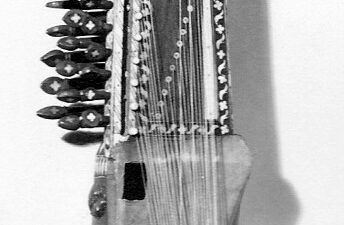
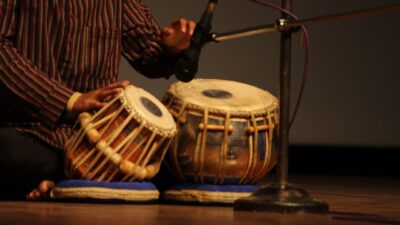
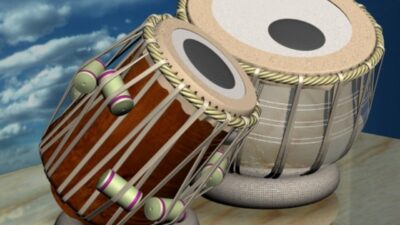
| वाद्य | Vocals · sarangi · tabla · harmonium |
| भाव | भक्ति · शांत · आध्यात्मिक |
| लेबल | The Gramophone Company (HMV) |
| लोकप्रियता | Popular |
| बोल-स्थिति | सार्वजनिक |
जुड़े हुए पन्ने
Connected Plates · The Graph Made Visibleअटलस में कोई पन्ना अकेला नहीं — इस गीत से जुड़े गीत, कलाकार, फ़िल्म, राग-ताल-विधा, सब यहाँ से खुलते हैं।
मिलते-जुलते गीत · Related Songs
कलाकार · The Artists
शास्त्र-सूत्र · Shastra Threads
साझा कीजिए · Share this Plate