गीत विंग · गीत-पट्टिका · Song Plate
अंत में आरंभ
Anth Mein Aarambh
सोनू निगम कृष्णावतारम को भारतीय दर्शन के सबसे पुराने प्रश्न के साथ बंद करते हैं — यदि यह अंत है, तो आगे क्या है?
भावउदास · दार्शनिक · आध्यात्मिक
भाषाHindi · Sanskrit गतिधीमी स्वरूपएकल पुरुष
श्रेय
The Creditsशब्दकोश
Word Meaningsसूत्र-वाक्य · The Hook
सूत्र-वाक्य
सोनू निगम कृष्णावतारम को भारतीय दर्शन के सबसे पुराने प्रश्न के साथ बंद करते हैं — यदि यह अंत है, तो आगे क्या है?
In EnglishSonu Nigam closes Krishnavataram with the oldest question in Indian philosophy — if this is the end, what comes next?
पट्टिका-लेख
The Monographपरिचय Overview
अंत में आरंभ कृष्णावतारम भाग 1: द हार्ट (2026) को बंद करता है — एल्बम पर सोनू निगम का दूसरा एकल, 5:05 पर, उनके योगदान में सबसे लंबा। इरशाद कामिल के बोलों औ�� प्रसाद एस. की ऑर्क���स्ट्रल रचना में सारेगामा पर रिलीज़, यह गीत फ़िल्म के केंद्रीय वेदांतिक विरोधाभास को आवाज़ देता है: कि अंत में आरंभ है।
अंग्रेज़ी में पढ़ें · Read in English
"Anth Mein Aarambh" closes Krishnavataram Part 1: The Heart (2026) — Sonu Nigam's second solo on the album, at 5:05, the longest of his contributions. Released on Saregama to Irshad Kamil's lyrics and Prasad S.'s orchestral composition, the song gives voice to the film's central Vedantic paradox: that in the end is the beginning. The Bhagavata Purana's account of Krishna's death — which the film approaches — is traditionally understood as the beginning of the Kali Yuga rather than a simple ending. Sonu Nigam's voice, with its capacity for both classical gravitas and emotional warmth, is the perfect instrument for this closing meditation.
संगीत The Music
���्रसाद एस. एक समापन गीत बनाते हैं जो फ़िल्म के विषयों को उल्टे क्रम में याद करता है — पहले के ट्रैक के तत्व (प्रेम की लीला से सितार, कुंज बिहारी की प्रतिध्वनि से बाँसुरी) प्रकट होते हैं और लुप्त हो जाते हैं।
अंग्रेज़ी में पढ़ें · Read in English
Prasad S. constructs a closing song that recalls the film's themes in reverse — elements of earlier tracks (the sitar from Prem Ki Leela, the flute from Kunj Bihari's echo) appear and fade, as if the music itself is remembering what it has been. The orchestral build in the final section is the album's most cinematic moment, more film score than song — appropriate for a closing number that must carry the weight of 150 minutes of cinema.
काव्य The Poetry
इरशाद कामिल का शीर्षक — अंत में आरंभ — एक संकुचित वेदांतिक कथन है: अंत में आरंभ है। यह सांत्वना नहीं बल्कि अध्यात्मशास्त्र है।
अंग्रेज़ी में पढ़ें · Read in English
Irshad Kamil's title — Anth Mein Aarambh — is a compressed Vedantic statement: the ending contains the beginning. This is not consolation but metaphysics — the Indian philosophical tradition's understanding of time as cyclical rather than linear, of death as transition rather than terminus.
कहानी The Story
एक ऐसी फ़िल्म के समापन गीत को जो एक बड़े कथानक का पहला भाग है (कृष्णावतारम भाग 2 की संभावित योजना है) दोहरा काम करना होगा: इस अध्याय को बंद करते हुए अगले को खोलना।
अंग्रेज़ी में पढ़ें · Read in English
The closing song of a film that is the first part of a larger narrative (Krishnavataram Part 2 is presumably planned) must do double duty: close this chapter while opening the next. Prasad S. and Irshad Kamil succeed in writing a song that functions as both farewell and invitation.
विरासत The Legacy
अंत में आरंभ को तब दोबारा देखा जाएगा जब कृष्णावतारम भाग 2 आएगा — दोनों भागों के बीच पुल के रूप में इसका कार्य इसे एक पूर्वव्यापी महत्त्व देता है।
अंग्रेज़ी में पढ़ें · Read in English
Anth Mein Aarambh will be revisited when Krishnavataram Part 2 arrives — its function as bridge between the two parts gives it a retrospective significance that grows with the franchise.
वर्गीकरण
Classification- Tempo
- Slow
Genre
अन्य विवरण
More Details- Wikipedia: Krishnavataram Part 1: The Heart (Hridayam) — https://en.wikipedia.org/wiki/Krishnavataram_Part_1:_The_Heart_(Hridayam)
References
रोचक तथ्य
Margin Notes'अंत में आरंभ' शीर्षक वेदांत के ब्रह्म-चक्र की अवधारणा — सृष्टि, पालन, संहार और पुनः सृजन — की प्रतिध्वनि है; इस अर्थ में हर अंत एक नई शुरुआत है।
अंग्रेज़ी में पढ़ें · Read in English
The title Anth Mein Aarambh echoes the Vedantic concept of the Brahman cycle — creation, sustenance, dissolution, and new creation; in this sense, every ending is a beginning.
फिल्म के अंतिम दृश्य में 'पुजारी' का स्वयं कृष्ण के रूप में सामने आना, इस अंतिम गीत को एक साथ एक चरित्र-प्रसंग और एक धार्मिक कथन बना देता है।
अंग्रेज़ी में पढ़ें · Read in English
The film's closing scene — with 'the priest' revealed as Krishna himself — makes this final song simultaneously a character theme and a theological statement.
कृष्णावतारम पार्ट 2 में कृष्ण के जीवन के उत्तरार्ध — जिसमें महाभारत भी शामिल है — को दिखाए जाने की उम्मीद है; यह गीत उसी कहानी की ओर एक सेतु का काम करता है।
अंग्रेज़ी में पढ़ें · Read in English
Krishnavataram Part 2 is expected to cover the later part of Krishna's life including the Mahabharata — this song is the bridge to that story.
नमूना-पट्टी
The Specimen Table| शीर्षक | अंत में आरंभ · Anth Mein Aarambh |
|---|---|
| फ़िल्म | कृष्णावतारम भाग 1: हृदयम · 2026 |
| वर्ष · युग | 2026 — Modern (2010+) |
| गायक | Sonu Nigam |
| गीतकार | Irshad Kamil |
| संगीतकार | Prasad S |
| स्वरूप | एकल पुरुष |
| गति | धीमी |
| अवधि | 5:05 |
| भाषा | Hindi · Sanskrit |
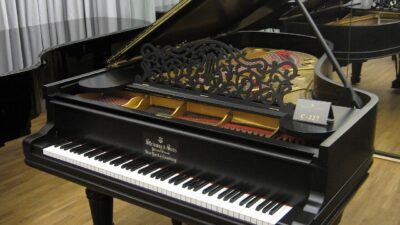
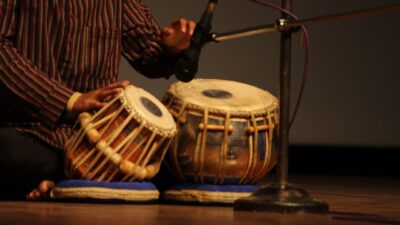
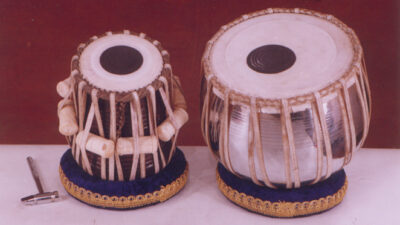
| वाद्य | piano · strings · tabla · harmonium · synthesizer |
| भाव | उदास · दार्शनिक · आध्यात्मिक |
| लोकप्रियता | Popular |
| बोल-स्थिति | केवल झलक |
जुड़े हुए पन्ने
Connected Plates · The Graph Made Visibleअटलस में कोई पन्ना अकेला नहीं — इस गीत से जुड़े गीत, कलाकार, फ़िल्म, राग-ताल-विधा, सब यहाँ से खुलते हैं।
मिलते-जुलते गीत · Related Songs
कलाकार · The Artists
फ़िल्म · The Film
साझा कीजिए · Share this Plate
यह पन्ना आगे बढ़ाइए
सवाल-जवाब
Questions & Answersअंत में आरंभ का क्या अर्थ है? · What does Anth Mein Aarambh mean?
अंत में आरंभ है — एक वेदांतिक दार्शनिक अवधारणा: हर अंत किसी नई चीज़ का आरंभ है, विशेष रूप से कृष्ण के दिव्य चक्र पर लागू।
In the end is the beginning — a Vedantic philosophical concept: every ending is a beginning of something new, especially applied to Krishna's divine cycle.