गीत विंग · गीत-पट्टिका · Song Plate
ध्वनिक युग के अंतिम ठुमरी तवे
Acoustic-Era Thumri Sides
भोंपू का अंतिम पूरा बरस: महफ़िली अलंकार आख़िरी मौसम मोम में सिमटा।
भावरोमांटिक
भाषाhindi
श्रेय
The Creditsसूत्र-वाक्य · The Hook
सूत्र-वाक्य
भोंपू का अंतिम पूरा बरस: महफ़िली अलंकार आख़िरी मौसम मोम में सिमटा।
In EnglishThe horn's last full year: salon ornament squeezed into wax one final season.
पट्टिका-लेख
The Monographपरिचय Overview
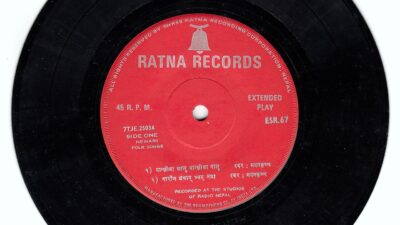
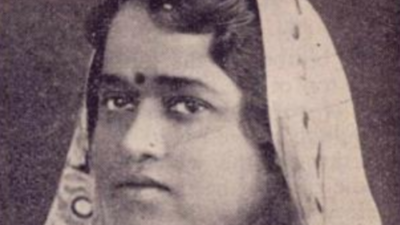
गौहर जान की शिष्या के रूप में जिस ध्वनिक अध्याय में इंदुबाला आई थीं, उनके 1925 के ठुमरी तवे उसे विदा कहते हैं — माइक्रोफ़ोन के सब कुछ बदल देने से कुछ महीने पहले, भोंपू के सामने रिकॉर्ड हुए ये तवे वह प्रक्षेपित, अगले-मुख की गायकी सहेजते हैं जो पुरानी तकनीक माँगती थी।
अंग्रेज़ी में पढ़ें · Read in English
Indubala's 1925 thumri sides close the acoustic chapter she had entered as Gauhar Jaan's disciple — recorded against the horn months before the microphone would change everything, they preserve the projected, front-of-mouth delivery the old technology demanded.
संगीत The Music
संपीडन ही शिल्प: मोम को भेदने भर तराशे वाक्यांश, भोंपू में बचने भर का अलंकार।
अंग्रेज़ी में पढ़ें · Read in English
Compression as craft: phrases shaped to pierce wax, ornament rationed to survive the horn.
काव्य The Poetry
कलकत्ता-सूची के प्रचलित शृंगार ठुमरी-पाठ।
अंग्रेज़ी में पढ़ें · Read in English
Standard shringar thumri texts of the Calcutta list.
कहानी The Story
1925 तक ध्वनिक युग अपने अंतिम महीनों में था, हालाँकि कलकत्ते के रिकॉर्डिंग स्टूडियो में अभी किसी को यह पता नहीं था। इंदुबाला — तब तक एचएमवी की सबसे विश्वसनीय बिकने वाली कलाकारों में — उस साल सत्रों में वैसे ही आईं जैसे 1910 के दशक के मध्य से हर साल आती थीं: कैटलॉग की माँग के शृंगार ठुमरी, दादरे और बांग्ला गीत काटने। 1925 के तवों को ऐतिहासिक रूप से महत्त्वपूर्ण बनाती है ध्वनिक ढाँचे के भीतर उनकी साधारणता: इंदुबाला बहुत पहले 'भोंपू गायन' की कला सीख चुकी थीं — वह प्रक्षेपित, अगले-मुख का उच्चारण जो ठुमरी की स्वाभाविक कोमलता को प्रौद्योगिकी की ज़रूरत के सामने क़ुर्बान कर देता था। माइक्रोफ़ोन अमेरिकी और ब्रिटिश स्टूडियो में विकसित हो रहे थे पर कलकत्ता तक नहीं पहुँचे थे। लगभग एक साल के भीतर वेस्टर्न इलेक्ट्रिक की बिजली-रिकॉर्डिंग प्रणाली एचएमवी के लंदन कार्यालय के ज़रिए आएगी और सत्रों को पूरी तरह बदल देगी। 1925 के इंदुबाला-तवे इसलिए एक समापन-दस्तावेज़ हैं: वह अंतिम वर्ष जब उन्हें पीतल के भोंपू में अपनी कोमलता चिल्लानी होगी, वह अंतिम वर्ष जब अलंकार को मोम में जीवित रहने के लिए राशन करना होगा।
अंग्रेज़ी में पढ़ें · Read in English
By 1925 the acoustic era was entering its final months, though no one in Calcutta's recording studios yet knew it. Indubala — by then one of HMV's most reliably selling artists — came to sessions that year as she had come annually since the mid-1910s: to cut the shringar thumris, dadra and bengali geet that the catalogue demanded. What makes the 1925 sides historically significant is precisely their ordinariness within the acoustic framework: Indubala had long since mastered the art of 'horn singing', the projected, front-of-mouth delivery that sacrificed the thumri's natural softness for the technology's requirements. Microphones were being developed in American and British studios but had not yet reached Calcutta. Within roughly a year, the Western Electric electrical recording system would arrive via HMV's London office and transform the sessions entirely. The 1925 Indubala sides are therefore a closing document: the last year she would have to shout her tenderness into a brass horn, the last year ornament had to be rationed to survive the wax, the last year the full salon warmth of her voice would be partially erased by technological necessity.
विरासत The Legacy
दो ही बरस में इसी गायिका के बिजली-तवे किसी और कला-से लगेंगे — ये तवे उस 'पहले' की तस्वीर हैं।
अंग्रेज़ी में पढ़ें · Read in English
Within two years the same singer's electric sides would sound like a different art — these discs are the 'before' photograph.
वर्गीकरण
ClassificationGenre
अन्य विवरण
More Details- Wikipedia: Indubala (singer)
- Wikipedia: Gauhar Jaan
- Kinnear, Michael. The Gramophone Company's First Indian Recordings 1899–1908 (1994)
- Reck, David. Music of the Whole Earth (1977) — on thumri tradition
- Bor, Joep (ed.). The Raga Guide (1999) — on Khamaj thumri tradition
References
रोचक तथ्य
Margin Notesइंदुबाला (1899-1984) का रिकॉर्डिंग करियर किसी भी भारतीय गायिका के अब तक दर्ज सबसे लंबे करियरों में से एक था — वे 1910 के दशक के मध्य से लेकर 1960 के दशक के एल.पी. युग तक ग्रामोफोन कैटलॉग में दिखाई देती हैं, जो ध्वनिक और माइक्रोफोन, दोनों तकनीकों तक फैला हुआ है।
अंग्रेज़ी में पढ़ें · Read in English
Indubala (1899–1984) had one of the longest documented recording careers of any Indian vocalist — she appears in gramophone catalogues from the mid-1910s through the LP era of the 1960s, spanning both acoustic and microphone technologies.
इंदुबाला की गुरु और भारत की पहली ग्रामोफोन सितारा गौहर जान ने स्वयं "हॉर्न गायन" की कला की शुरुआत की थी — जिसमें रिकॉर्डिंग हॉर्न के लिए आवाज़ को जीवंत महफ़िल की तुलना में अलग ढंग से प्रस्तुत किया जाता था — और इंदुबाला ने यह कौशल सीधे उनसे विरासत में पाया।
अंग्रेज़ी में पढ़ें · Read in English
Gauhar Jaan, Indubala's guru and India's first gramophone star, had herself pioneered the art of 'horn singing' — projecting the voice differently for the recording horn than for a live mehfil — and Indubala inherited this skill directly.
1926 तक प्रयुक्त ध्वनिक रिकॉर्डिंग प्रणाली में कलाकार को रिकॉर्डिंग हॉर्न से लगभग एक फुट की दूरी पर खड़ा होना पड़ता था; अधिक दूर होने पर आवाज़ खो जाती थी और अधिक पास होने पर मोम पर अत्यधिक गहरी कटाई हो जाती थी।
अंग्रेज़ी में पढ़ें · Read in English
The acoustic recording system used until 1926 required the performer to stand approximately one foot from the recording horn; too far and the voice was lost, too close and the wax overcut.
1920 के दशक में एच.एम.वी. का कलकत्ता स्टूडियो किराए के परिसर से संचालित होता था, और सत्रों का समय अक्सर सड़क के शोर से बचने के लिए तय किया जाता था — स्टूडियो साउंडप्रूफिंग के मानक बनने से पहले, ध्वनिक युग में यह एक लगातार बनी रहने वाली समस्या थी।
अंग्रेज़ी में पढ़ें · Read in English
HMV's Calcutta studio in the 1920s operated out of rented premises, and sessions were often timed to avoid street noise — a persistent problem in the acoustic era before studio soundproofing was standard.
भारत में ध्वनिक से विद्युत रिकॉर्डिंग की ओर संक्रमण (लगभग 1926-27) उसी दौर में हुआ जब पुरानी तवायफ़-प्रशिक्षित शास्त्रीय गायन परंपरा का पतन हो रहा था और मंचीय संगीत कार्यक्रमों में प्रस्तुति देने वाली महिला कलाकारों की एक नई पीढ़ी उभर रही थी।
अंग्रेज़ी में पढ़ें · Read in English
The transition from acoustic to electrical recording in India (c.1926–27) roughly coincided with the decline of the old tawaif-trained classical singing tradition and the rise of a new generation of concert-platform women artists.
नमूना-पट्टी
The Specimen Table| शीर्षक | ध्वनिक युग के अंतिम ठुमरी तवे · Acoustic-Era Thumri Sides |
|---|---|
| वर्ष · युग | 1925 |
| गायक | Indubala |
| भाषा | hindi |
| भाव | रोमांटिक |
| लोकप्रियता | Popular |
| बोल-स्थिति | सार्वजनिक |
जुड़े हुए पन्ने
Connected Plates · The Graph Made Visibleअटलस में कोई पन्ना अकेला नहीं — इस गीत से जुड़े गीत, कलाकार, फ़िल्म, राग-ताल-विधा, सब यहाँ से खुलते हैं।
मिलते-जुलते गीत · Related Songs
कलाकार · The Artists
साझा कीजिए · Share this Plate