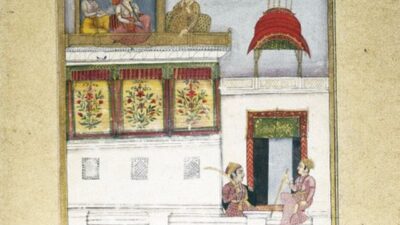
शास्त्र विंग · राग-पट्टिका · Raag Plate
एअस्वरि
Easwari
एक शांत Carnatic राग · A Peace Carnatic Raag
भावशांतिपूर्ण · ध्यानपूर्ण · प्रशांत · शांत
ऊर्जाधीमी
समय और भाव
Time Theory & Moodसमय-सिद्धांत · Time Theory
संध्या काल
परंपरागत रूप से संध्या काल (4:00 PM - 7:00 PM) में गाया जाता है।
Traditionally performed during evening/twilight hours (4:00 PM - 7:00 PM), when day transitions to night.
भाव और गति · Mood & Tempo
शांत · Peace/Tranquility
आंतरिक शांति, सुकून और आध्यात्मिक वैराग्य का रस। शांति, ध्यान और अध्यात्म को जगाता है।
ऊर्जा · Energyधीमी
स्तर · Leveladvanced — राग Easwari के लिए कर्नाटक संगीत सिद्धांत की मजबूत नींव आवश्यक है।
पट्टिका-लेख
The Monographपरिचय Introduction
राग Easwari कर्नाटक शास्त्रीय संगीत परंपरा का एक राग है। इसका प्रमुख रस शांत (Peace/Tranquility) है। यह परंपरागत रूप से संध्या काल (4:00 PM - 7:00 PM) में गाया जाता है। गाया जाता है।
अंग्रेज़ी में पढ़ें · Read in English
Raag Easwari is a complete scale with all 7 notes in both ascent and descent raga in the Carnatic classical music tradition.. With its Sampurna-Sampurna jati structure, this raag creates a distinctive tonal landscape. The predominant rasa is Peace/Tranquility (शांत), making it suitable for compositions that evoke peaceful, meditative emotions. It is traditionally performed during evening hours, and its melodic contour offers rich possibilities for alapana, kalpanaswaram, and creative improvisation.
सांस्कृतिक महत्व Cultural Significance
भारतीय शास्त्रीय संगीत की समृद्ध परंपरा के अंग के रूप में, राग Easwari Carnatic परंपरा को परिभाषित करने वाले स्वर संरचना और भावनात्मक अभिव्यक्ति के बीच गहरे संबंध का प्रतिनिधित्व करता है।
अंग्रेज़ी में पढ़ें · Read in English
As part of the rich tapestry of Indian classical music, Raag Easwari represents the deep connection between melodic structure and emotional expression that defines the Carnatic tradition.
ऐतिहासिक महत्व Historical Significance
राग एअस्वरि (ईश्वरी) एक कर्नाटक जन्य राग है जिसका नाम 'ईश्वर' या 'ईश्वरी' (शिव और पार्वती के नाम) से लिया गया है। इस प्रकार यह राग गहरी शैव भक्ति से जुड़ा है। कर्नाटक परंपरा में अनेक राग देवताओं के नाम पर हैं, जो मंदिर संगीत में उनके आध्यात्मिक उद्देश्य को दर्शाते हैं। इस राग का प्राथमिक रस शांत है, जो शिव-ध्यान की उत्कृष्ट, आत्मिक शांति के भाव से मेल खाता है। आधुनिक कर्नाटक संगीत सभाओं में एअस्वरि बहुत कम सुनाई देता है। एम.एस. सुब्बलक्ष्मी की रिकॉर्डिंग में ईश्वर-संबंधी रचनाएँ इसी श्रेणी में आ सकती हैं।
अंग्रेज़ी में पढ़ें · Read in English
Raag Easwari (also spelled Ishwari or Esavari) is a Carnatic janya raag whose name is derived from 'Ishvara' or 'Ishvari,' a name of Shiva and the Goddess Parvati respectively. The raag thus carries deeply devotional associations with Shaivite worship. In the Carnatic tradition, several raags bear names of deities to reflect their spiritual purpose and the emotional quality they evoke in temple music. Easwari's note structure has not been confirmed in the file's arohana-avarohana fields, so the thaat equivalence requires further research. The raag's primary rasa of shanta (peace) aligns with the transcendent, meditative quality of Shiva-focused devotion. In modern Carnatic concert practice, Easwari appears infrequently and is encountered mainly in specialist devotional music. M. S. Subbulakshmi's recordings have introduced listeners to Akhilandeswari-related compositions, and the raag may feature in that tradition.
शिक्षा
Teaching & LearningBegin with slow aalapana to internalize the raag's swaroopa (melodic form)
Practice the arohana and avarohana patterns with a tanpura drone
Listen to recordings by master performers to understand the raag's gamakas (ornamentations)
Work on kalpanaswaram (improvisation) within the raag's framework
Using incorrect gamakas that belong to a different raag
Not maintaining proper swar sthana (note placement)
Rushing through phrases without allowing the raag bhava to develop
प्रस्तुति
Performance- Description
- परंपरागत रूप से संध्या काल (4:00 PM - 7:00 PM) में गाया जाता है। Traditionally performed during evening/twilight hours (4:00 PM - 7:00 PM), when day transitions to night.
- Prahar Number
- 5
- Prahar Name
- संध्या काल Sandhya Kaal
- Time Start
- 16:00
- Time End
- 19:00
- Time Flexibility
- flexible
Time
और जानें
More to KnowIn Film Music
Raag Easwari has not been identified in Hindi film music. Its specifically Carnatic character and devotional-Shaivite associations make it unlikely to appear in mainstream Bollywood productions. Tamil devotional film music has drawn on raags in the Easwari-family emotional space, but this specific raag is not commonly named in film credits.
सीखने के लिए
For Learners- Difficulty Level
- advanced
अन्य विवरण
More Details- Indian_Music_Raga_Encyclopedia_v2.xlsx
- Sambamoorthy, P. — A Dictionary of South Indian Music and Musicians (1952)
References
नमूना-पट्टी
The Specimen Table| नाम | एअस्वरि · Easwari |
|---|---|
| जाति | संपूर्ण-संपूर्ण · Sampurna-Sampurna |
| समय | संध्या काल |
| ऊर्जा | धीमी |
| परिवार | Easwari |
| स्तर | advanced |
| लोकप्रियता | Obscure |
जुड़े हुए पन्ने
Connected Plates · The Graph Made Visibleअटलस में कोई पन्ना अकेला नहीं — इस राग से गीत, प्रस्तुतियाँ, कलाकार, ताल, घराने और मिलते-जुलते राग, सब यहाँ से खुलते हैं।
ताल-साथी · Taal Pairings
श्रवण-कक्ष · The Listening Room
सुनिए — एअस्वरि · Hear the Raag
Akhilandeswari | Audio Song | M S Subbulakshmi | Radha Vishwanathan | Carnatic | Classical Music
प्रश्नोत्तर
Questions & Answersराग Easwari किस संगीत पद्धति का राग है?
राग Easwari कर्नाटक (दक्षिण भारतीय) शास्त्रीय संगीत पद्धति का राग है।
अंग्रेज़ी में पढ़ें · Read in English
Which music system does Raga Easwari belong to? — Raga Easwari belongs to the Carnatic (South Indian) classical music system.
साझा कीजिए · Share this Plate