सिनेमा विंग · फ़िल्म-पट्टिका · Film Plate
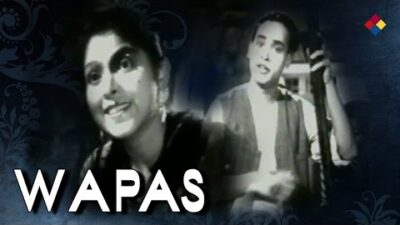
वापस
Wapas
शैलीSocial Drama · Musical
भाषाhindi प्रकारकथा-चित्र (फ़ीचर)
गीत7 — नीचे पूरी संगीत-सूची
कथा-सार
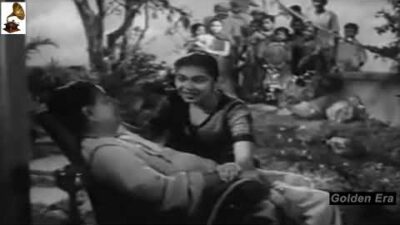
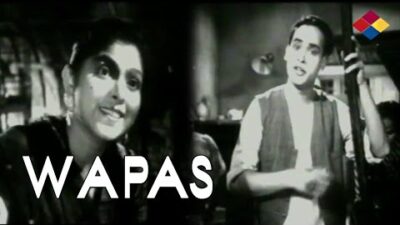
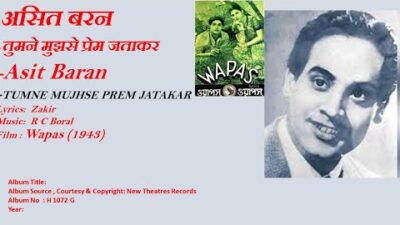
Synopsis1943 की न्यू थिएटर्स की एक सामाजिक ड्रामा, हेमचंद्र चंदर द्वारा निर्देशित, स्टूडियो की विशिष्ट संयमित और भावनात्मक रूप से नपी-तुली कथा-शैली में बुनी गई। कहानी श्याम (असित बरन) और शोभा (भारती देवी) के विरह और पुनर्मिलन की है — शीर्षक का 'वापस' यही लौटना है — जिसे आर.सी. बोराल के कोमल, राग-आधारित संगीत का सहारा मिला, जिसने कथानक से अधिक फ़िल्म का भावनात्मक भार उठाया।
अंग्रेज़ी में पढ़ें · Read in English
A New Theatres social drama from 1943 directed by Hemchandra Chunder, built in the studio's signature register of sober, emotionally restrained storytelling. The narrative follows Shyam (Asit Baran) and Shobha (Bharati Devi) through a tale of separation and return — the 'wapas' (return) of the title — set against R.C. Boral's gentle, raga-informed score that carried the film's emotional weight more than its plot.
संगीत-सूची
The Soundtrackवापस के लिए आर.सी. बोराल का संगीत न्यू थिएटर्स के सौंदर्यशास्त्र पर टिका है — धुन-प्रधान रचनाएँ, संयमित वाद्य-संयोजन, हिंदुस्तानी शास्त्रीय रंग और स्पष्ट, बोल-प्रधान स्वर-पंक्तियों पर ज़ोर। बोल पंडित भूषण, मुंशी ज़ाकिर हुसैन और अख़्तर चुग़ताई ने लिखे। असित बरन ने अपने कई पर्दे के गीत स्वयं गाए, जबकि नायिका के गीतों के लिए पार्श्व-गायन सुप्रोवा सरकार और बिनोता रॉय जैसी न्यू थिएटर्स आवाज़ों ने किया।
अंग्रेज़ी में पढ़ें · Read in English
R.C. Boral's score for Wapas leans on the New Theatres aesthetic — melody-led compositions with restrained orchestration, Hindustani classical colouring, and an emphasis on clear, lyric-forward vocal lines. Lyrics were written by Pandit Bhushan, Munshi Zakir Hussain and Akhtar Chughtai. Asit Baran sang several of his own on-screen songs, while playback for the heroine's numbers was handled by New Theatres voices including Suprova Sarkar and Binota Roy.
- अलबेला मस्ताना एक हंसों का जोड़ा Albela Mastana Ek Hanso Ka Joda स्वर: Suprova Sarkar
- मनवा काहे फिर तड़पाए Manwa Kahe Phir Tadpaye स्वर: बिनोता रॉय
- ऐ दिल ख़ुशी से हो जा भगवान के हवाले Aye Dil Khushi Se Ho Jaa Bhagwan Ke Hawale
- हम कोचवान प्यारे Hum Kochvan Pyare स्वर: Asit Baran
- जीवन है बेकार बिना तुम्हारे Jeevan Hai Bekar Bina Tumhare
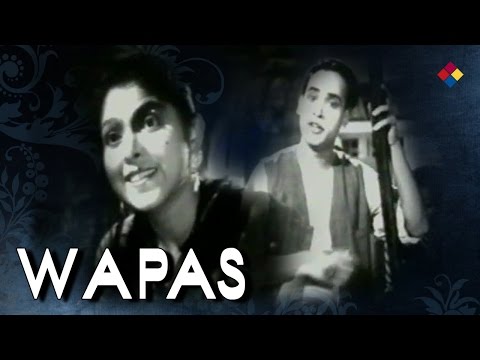
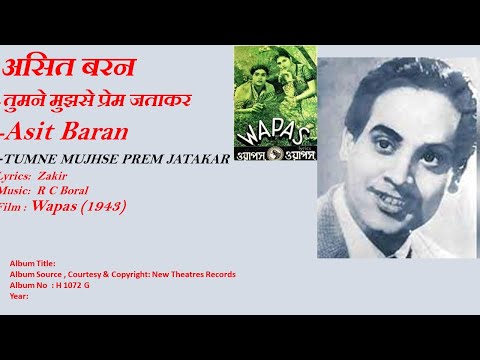
- तुमने मुझसे प्रेम जता कर Tumne Mujhse Prem Jata Kar स्वर: Asit Baran
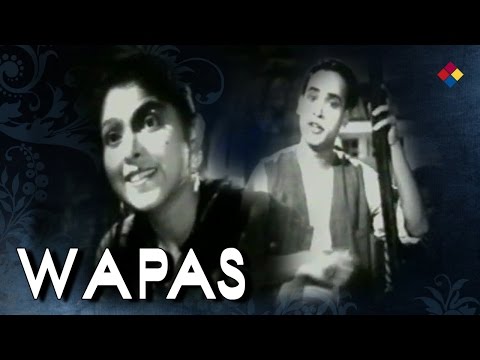
- भूल न जाना आज की बातें Bhul Na Jaana Aaj Ki Baate स्वर: Asit Baran
पट्टिका-लेख
The Monographपर्दे के पीछे Behind the Scenes
बी.एन. सरकार के नेतृत्व में कलकत्ता का न्यू थिएटर्स 1930 और 1940 के दशक के आरंभ का भारत का सबसे प्रतिष्ठित फ़िल्म स्टूडियो था, जो साहित्यिक रूपांतरणों और परिष्कृत निर्माण-स्तर के लिए जाना जाता था। वापस में संगीत-सहायक हरिपद चटर्जी और जयदेव सिल थे, जो आर.सी. बोराल के अधीन काम कर रहे थे। कहानी, पटकथा और संवाद बिनॉय चटर्जी ने लिखे।
अंग्रेज़ी में पढ़ें · Read in English
New Theatres of Calcutta, under B.N. Sircar, was India's most prestigious film studio of the 1930s and early 1940s, known for literary adaptations and polished production values. The music assistants on Wapas were Haripada Chatterji and Joydev Sil, working under R.C. Boral. The story, screenplay and dialogues were by Binoy Chatterjee.
महत्व Significance
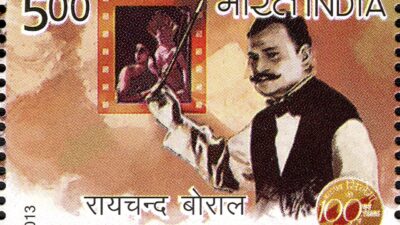
वापस न्यू थिएटर्स के परिपक्व दौर की फ़िल्म है, जब कलकत्ता स्टूडियो की धुन-प्रधान, शास्त्रीय रूप से सधी संगीत-भाषा लाहौर और बॉम्बे की ताल-प्रधान शैलियों के सचेत विपरीत खड़ी थी। आर.सी. बोराल, जिन्हें अक्सर हिंदी फ़िल्म संगीत का जनक कहा जाता है, ने संगीत-पट्टी को सँभाला, और अभिनेता-गायक असित बरन ने भद्रलोक गायन-परंपरा में कई गीतों को अपना प्रशिक्षित स्वर दिया।
अंग्रेज़ी में पढ़ें · Read in English
Wapas belongs to the mature New Theatres period when the Calcutta studio's melody-first, classically grounded musical idiom stood in deliberate contrast to the rhythm-driven Lahore and Bombay schools. R.C. Boral, often called the father of Hindi film music, anchored the soundtrack, with actor-singer Asit Baran lending his trained baritone to several songs in the bhadralok singing tradition.
विरासत Legacy
वापस आज मुख्यतः अपने गीतों के माध्यम से जीवित है, जो कोलंबिया / न्यू थिएटर्स के 78 आर.पी.एम. रिकॉर्डों पर सुरक्षित हैं — विशेष रूप से 'अलबेला मस्ताना एक हंसों का जोड़ा' (सुप्रोवा सरकार) और 'मनवा काहे फिर तड़पाए' (बिनोता रॉय), जिन्हें आज भी आर.सी. बोराल के न्यू थिएटर्स दौर के संग्राहक उद्धृत करते हैं। यह फ़िल्म विभाजन से पहले कलकत्ता स्टूडियो के युद्धकालीन उत्पादन का एक प्रतिनिधि उदाहरण है।
अंग्रेज़ी में पढ़ें · Read in English
Wapas survives today chiefly through its songs, preserved on 78 rpm Columbia / New Theatres records — most notably 'Albela Mastana Ek Hanso Ka Joda' (Suprova Sarkar) and 'Manwa Kahe Phir Tadpaye' (Binota Roy), both still cited by collectors of R.C. Boral's New Theatres period. The film stands as a representative example of the Calcutta studio's wartime output before Partition reshaped the industry.
नमूना-पट्टी
The Specimen Table| शीर्षक | वापस · Wapas |
|---|---|
| वर्ष · युग | 1943 — Golden Prewar |
| निर्देशक | हेमचंद्र चंदर · Hemchandra Chunder |
| संगीत-निर्देशक | आर.सी. बोराल · R.C. Boral |
| कलाकार-मंडली | असित बरन · Asit Baran · भारती देवी · Bharati Devi · धीरज भट्टाचार्य · Dhiraj Bhattacharya · इंदु मुखर्जी · Indu Mukherjee · नवाब · Nawab · हीरालाल · Hiralal · तुलसी चक्रवर्ती · Tulsi Chakraborty |
| निर्माण-गृह | New Theatres, Calcutta |
| शैली | Social Drama · Musical |
| भाषा | hindi |
| प्रकार | कथा-चित्र (फ़ीचर) |
| गीत | 7 गीत — ऊपर पूरी संगीत-सूची |
जुड़े हुए पन्ने
Connected Plates · The Graph Made Visibleअटलस में कोई पन्ना अकेला नहीं — 'वापस' से उसके गीत, कलाकार, राग और युग, सब जुड़े हैं।
इस फ़िल्म के गीत · Songs of this Film
कलाकार · Cast & Crew
युग · The Era
साझा कीजिए · Share this Plate