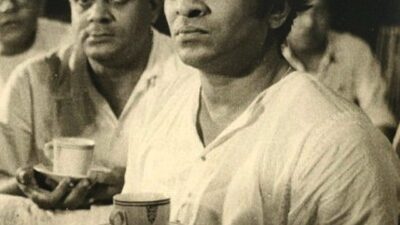
कलाकार विंग · कलाकार-पट्टिका · Artist Plate
फ़्रांज़ ऑस्टेन
Franz Osten
जन्म1876 — म्यूनिख, जर्मनी
निधन1956
जीवन-पट्टी
The Life Specimen| नाम | फ़्रांज़ ऑस्टेन · Franz Osten |
|---|---|
| जन्म | 1876 — म्यूनिख, जर्मनी · Munich, Germany |
| निधन | 1956 |
| भूमिकाएँ | निर्देशक |
| सक्रिय वर्ष | 1911–1939 |
| युग | Talkie Dawn |
| विधाएँ | फ़िल्मी |
पट्टिका-लेख
The Monographजीवनी Biography
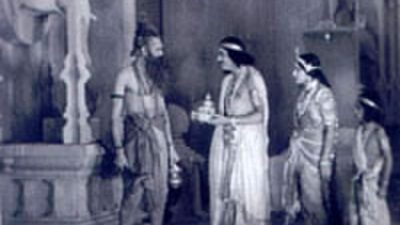
फ़्रांज़ ऑस्टेन (1876–1956) — म्यूनिख में जन्मे जर्मन फ़िल्मकार, जिन्होंने भारतीय मूक सिनेमा की कुछ सबसे महत्वाकांक्षी कृतियाँ रचीं और फिर बॉम्बे टॉकीज़ के प्रमुख निर्देशक बने। हिमांशु राय के साथ उनकी साझेदारी से तीन ऐतिहासिक इंडो-जर्मन मूक फ़िल्में निकलीं — 'प्रेम संन्यास / द लाइट ऑफ़ एशिया' (1925), 'शीराज़' (1928) और 'अ थ्रो ऑफ़ डाइस / प्रपंच पाश' (1929)। 1935 से बॉम्बे टॉकीज़ में उन्होंने 'जवानी की हवा' (1935), 'जीवन नैया' (1936) और 'अछूत कन्या' (1936) जैसी फ़िल्मों से हिंदी सवाक् सिनेमा को एक नया व्याकरण दिया। द्वितीय विश्व युद्ध छिड़ने पर एक जर्मन नागरिक होने के कारण 1939 में उन्हें अंग्रेज़ों ने बंदी बना लिया और बाद में जर्मनी प्रत्यावर्तित कर दिया गया; वे फिर कभी भारत नहीं लौटे।
प्रारंभिक जीवन Early Life
23 दिसंबर 1876 को बवेरिया के म्यूनिख में फ़्रांज़ ऑस्टरमायर के रूप में जन्म; जर्मनी के आरंभिक सिनेमा में रचे-बसे परिवार से। अपने भाई पीटर ऑस्टरमायर के साथ अग्रणी फ़िल्म-उपक्रमों में जुड़े, 1911 में पहली फ़ीचर फ़िल्म का निर्देशन किया और म्यूनिख के एमेल्का स्टूडियो के लिए ग्रामीण कथाचित्र बनाए।
अंग्रेज़ी में पढ़ें · Read in English
Born Franz Ostermayr in Munich, Bavaria, on 23 December 1876, into a family steeped in early German cinema. With his brother Peter Ostermayr he was involved in pioneering film ventures, and he directed his first feature in 1911 before making peasant dramas for the Munich studio EMELKA.
करियर Career
ऑस्टेन 1925 में हिमांशु राय के लिए 'द लाइट ऑफ़ एशिया' निर्देशित करने भारत आए, जिससे मूक त्रयी का आरंभ हुआ — 'द लाइट ऑफ़ एशिया' (1925), 'शीराज़' (1928) और 'अ थ्रो ऑफ़ डाइस' (1929)। राय द्वारा बॉम्बे टॉकीज़ की स्थापना पर ऑस्टेन 1935 से उसके प्रमुख निर्देशक बने और 'जवानी की हवा' (1935), 'जीवन नैया' (1936), 'अछूत कन्या' (1936), 'जन्मभूमि' (1936), 'इज़्ज़त' (1937), 'सावित्री' (1937) आदि का निर्देशन किया — जब तक 1939 में शत्रु-नागरिक के रूप में उनकी नज़रबंदी ने उनके भारतीय सफ़र को समाप्त नहीं कर दिया।
अंग्रेज़ी में पढ़ें · Read in English
Osten travelled to India in 1925 to direct The Light of Asia for Himansu Rai, beginning a collaboration that yielded the silent trilogy of The Light of Asia (1925), Shiraz (1928), and A Throw of Dice (1929). When Rai founded Bombay Talkies, Osten became its principal director from 1935, helming Jawani Ki Hawa (1935), Jeevan Naiya (1936), Achhut Kannya (1936), Janmabhoomi (1936), Izzat (1937), Savitri (1937), and others, until his internment as an enemy alien in 1939 ended his Indian career.
विरासत Legacy
बॉम्बे टॉकीज़ की शैली के जर्मन शिल्पी — वह व्यक्ति जो यूरोपीय मूक-युग की कारीगरी को हिंदी सिनेमा की नींव तक ले आया।
अंग्रेज़ी में पढ़ें · Read in English
The German architect of Bombay Talkies' house style — the man who carried European silent-era craft into the foundations of Hindi cinema.
गायन-शैली Musical Style
वे संगीतकार नहीं, फ़िल्म निर्देशक थे; हिंदी गीत में उनका योगदान उन सिनेमाई दृश्यों को गढ़ने में था जिनमें बॉम्बे टॉकीज़ का संगीत जीवंत हुआ।
अंग्रेज़ी में पढ़ें · Read in English
A film director rather than a musician; his contribution to Hindi song lay in framing the cinematic settings in which Bombay Talkies' music came alive.
सांस्कृतिक प्रभाव Cultural Impact
इंडो-जर्मन मूक फ़िल्मों और बॉम्बे टॉकीज़ के वर्षों के माध्यम से ऑस्टेन ने यूरोपीय निर्माण-अनुशासन और दृश्य-कारीगरी को भारतीय सिनेमा में रोपा, और वह स्टूडियो-सौंदर्यबोध गढ़ा जिसने अशोक कुमार को सितारा बनाया और स्टूडियो की प्रमुख अभिनेत्री देविका रानी के परदे के सफ़र को आकार दिया।
अंग्रेज़ी में पढ़ें · Read in English
Through the Indo-German silents and his years at Bombay Talkies, Osten transplanted European production discipline and visual craft into Indian cinema, shaping the studio aesthetic that launched Ashok Kumar and defined the screen career of its leading lady Devika Rani.
तालीम, विधाएँ और भाषाएँ
Training · Genres · Languagesविधाएँ · Genres
जीवन-रेखा
Career Highlights- 1925 हिमांशु राय के साथ 'प्रेम संन्यास / द लाइट ऑफ़ एशिया' का निर्देशन Directs Prem Sanyas / The Light of Asia with Himansu Rai
- 1928 ताजमहल पर आधारित इंडो-जर्मन मूक फ़िल्म 'शीराज़' का निर्देशन Directs Shiraz, the Indo-German silent on the Taj Mahal
- 1929 'अ थ्रो ऑफ़ डाइस' (प्रपंच पाश) का निर्देशन Directs A Throw of Dice (Prapancha Pash)
- 1935 'जवानी की हवा' के साथ बॉम्बे टॉकीज़ के प्रमुख निर्देशक बने Becomes principal director at Bombay Talkies with Jawani Ki Hawa
- 1936 बॉम्बे टॉकीज़ के लिए 'अछूत कन्या' और 'जीवन नैया' का निर्देशन Directs Achhut Kannya and Jeevan Naiya for Bombay Talkies
-
1939
द्वितीय विश्व युद्ध छिड़ने पर एक जर्मन नागरिक के रूप में अंग्रेज़ों द्वारा नज़रबंद; बाद में प्रत्यावर्तित
Interned by the British as a German national at the outbreak of WWII; later repatriated
अन्य विवरण
More Details- Birth Year
- 1876
- Death Year
- 1956
- Active Years
- 1911–1939
Early Life
23 दिसंबर 1876 को बवेरिया के म्यूनिख में फ़्रांज़ ऑस्टरमायर के रूप में जन्म; जर्मनी के आरंभिक सिनेमा में रचे-बसे परिवार से। अपने भाई पीटर ऑस्टरमायर के साथ अग्रणी फ़िल्म-उपक्रमों में जुड़े, 1911 में पहली फ़ीचर फ़िल्म का निर्देशन किया और म्यूनिख के एमेल्का स्टूडियो के लिए ग्रामीण कथाचित्र बनाए।
Born Franz Ostermayr in Munich, Bavaria, on 23 December 1876, into a family steeped in early German cinema. With his brother Peter Ostermayr he was involved in pioneering film ventures, and he directed his first feature in 1911 before making peasant dramas for the Munich studio EMELKA.
Career
ऑस्टेन 1925 में हिमांशु राय के लिए 'द लाइट ऑफ़ एशिया' निर्देशित करने भारत आए, जिससे मूक त्रयी का आरंभ हुआ — 'द लाइट ऑफ़ एशिया' (1925), 'शीराज़' (1928) और 'अ थ्रो ऑफ़ डाइस' (1929)। राय द्वारा बॉम्बे टॉकीज़ की स्थापना पर ऑस्टेन 1935 से उसके प्रमुख निर्देशक बने और 'जवानी की हवा' (1935), 'जीवन नैया' (1936), 'अछूत कन्या' (1936), 'जन्मभूमि' (1936), 'इज़्ज़त' (1937), 'सावित्री' (1937) आदि का निर्देशन किया — जब तक 1939 में शत्रु-नागरिक के रूप में उनकी नज़रबंदी ने उनके भारतीय सफ़र को समाप्त नहीं कर दिया।
Osten travelled to India in 1925 to direct The Light of Asia for Himansu Rai, beginning a collaboration that yielded the silent trilogy of The Light of Asia (1925), Shiraz (1928), and A Throw of Dice (1929). When Rai founded Bombay Talkies, Osten became its principal director from 1935, helming Jawani Ki Hawa (1935), Jeevan Naiya (1936), Achhut Kannya (1936), Janmabhoomi (1936), Izzat (1937), Savitri (1937), and others, until his internment as an enemy alien in 1939 ended his Indian career.
Legacy
बॉम्बे टॉकीज़ की शैली के जर्मन शिल्पी — वह व्यक्ति जो यूरोपीय मूक-युग की कारीगरी को हिंदी सिनेमा की नींव तक ले आया।
The German architect of Bombay Talkies' house style — the man who carried European silent-era craft into the foundations of Hindi cinema.
Musical Style
वे संगीतकार नहीं, फ़िल्म निर्देशक थे; हिंदी गीत में उनका योगदान उन सिनेमाई दृश्यों को गढ़ने में था जिनमें बॉम्बे टॉकीज़ का संगीत जीवंत हुआ।
A film director rather than a musician; his contribution to Hindi song lay in framing the cinematic settings in which Bombay Talkies' music came alive.
अभिलेख-सार
Discography Summary| रिकॉर्डिंग-काल | 1925–1939 |
|---|---|
| फ़िल्में व डिस्क | The Light of Asia 1925 · Shiraz 1928 · A Throw of Dice 1929 · Jawani Ki Hawa 1935 · Jeevan Naiya 1936 · Achhut Kannya 1936 |
| प्रमुख भूमिका | निर्देशक |
| नित्य सहयोगी | Himansu Rai |
| स्रोत | derived from the HindiGeet archive and verified biographical sources |
साझा कीजिए · Share this Plate