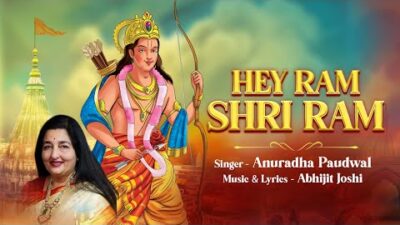
कलाकार विंग · कलाकार-पट्टिका · Artist Plate
अनुराधा पौडवाल
Anuradha Paudwal
जन्म1954 — Karwar, Karnataka, India
जीवन-पट्टी
The Life Specimen| नाम | अनुराधा पौडवाल · Anuradha Paudwal |
|---|---|
| जन्म | 1954 — Karwar, Karnataka, India |
| भूमिकाएँ | गायक |
पट्टिका-लेख
The Monographजीवनी Biography
अनुराधा पौडवाल 1980 के दशक के उत्तरार्ध और 1990 के दशक के आरंभ की हिंदी सिनेमा की सबसे प्रभावशाली पार्श्वगायिकाओं में से एक हैं, और बाद में अपनी पीढ़ी की सबसे अधिक रिकॉर्ड की गई भक्ति-संगीत गायिका बनीं। कारवार के एक मराठी-भाषी परिवार में अलका नाडकर्णी के रूप में जन्मीं अनुराधा ने 1973 में हृषिकेश मुखर्जी की 'अभिमान' में एक संस्कृत श्लोक से फ़िल्मों में प्रवेश किया; इस यात्रा में उनके पति, संगीतकार-अरेंजर अरुण पौडवाल का मार्गदर्शन रहा। 1970 और 1980 के दशकों के निरंतर काम — जिनमें 'हीरो' (1983) का "तू मेरा जानू है" और 'उत्सव' (1984) का फ़िल्मफ़ेयर-विजेता "मेरे मन बाजा मृदंग" शामिल हैं — के बाद उनकी बड़ी सफलता आई: 'आशिक़ी' (1990) का साउंडट्रैक, जो भारतीय फ़िल्म इतिहास के सर्वाधिक बिकने वाले एल्बमों में से एक है। इसके बाद 'दिल है कि मानता नहीं' (1991), 'सड़क' (1991) और 'बेटा' (1992) के साथ उन्होंने चार्ट्स पर राज किया, लगातार तीन फ़िल्मफ़ेयर पुरस्कार (1991–1993) जीते और गुलशन कुमार के टी-सीरीज़ लेबल की प्रमुख आवाज़ बनीं, जिसके लिए अपने शिखर-काल में वे लगभग अनन्य रूप से गाती थीं। इससे पहले उन्होंने मराठी फ़िल्म 'कळत नकळत' (1989) के गीत "हे एक रेशमी" के लिए सर्वश्रेष्ठ पार्श्वगायिका का राष्ट्रीय फ़िल्म पुरस्कार जीता था। 1990 के दशक के मध्य से वे क्रमशः भक्ति-संगीत की ओर मुड़ गईं, हिंदी, संस्कृत, मराठी और दक्षिण भारतीय भाषाओं में एक हज़ार से अधिक भजन और आरतियाँ रिकॉर्ड कीं और "भजन क्वीन" की लोकप्रिय उपाधि पाई; उनके शिव और दुर्गा भजन दशकों बाद भी टी-सीरीज़ की पहचान बने हुए हैं। 2017 में उन्हें पद्मश्री से सम्मानित किया गया। "तम्मा तम्मा" से "धक धक करने लगा" तक उनके क्लासिक गीत आज भी नई पीढ़ियों के लिए रीमिक्स और रीबूट होते रहते हैं।
अंग्रेज़ी में पढ़ें · Read in English
Anuradha Paudwal is one of the defining female playback voices of late-1980s and early-1990s Hindi cinema, and later the most recorded devotional singer of her generation. Born Alka Nadkarni in Karwar into a Marathi-speaking family, she entered films in 1973 with a Sanskrit shloka in Hrishikesh Mukherjee's Abhimaan, guided by her husband, the composer and music arranger Arun Paudwal. Steady work through the late 1970s and 1980s — including "Tu Mera Jaanu Hai" from Hero (1983) and the Filmfare-winning "Mere Man Baja Mridang" from Utsav (1984) — built toward her breakthrough: the soundtrack of Aashiqui (1990), one of the best-selling albums in Indian film history. In its wake she dominated the charts with Dil Hai Ke Manta Nahin (1991), Sadak (1991), and Beta (1992), collecting three consecutive Filmfare Awards (1991–1993) and becoming the flagship voice of Gulshan Kumar's T-Series label, for which she sang almost exclusively at her peak. She had earlier won the National Film Award for Best Female Playback Singer for "He Ek Reshami" in the Marathi film Kalat Nakalat (1989). From the mid-1990s she progressively turned to devotional music, recording well over a thousand bhajans and aartis in Hindi, Sanskrit, Marathi, and southern languages, earning the popular title "Bhajan Queen"; her Shiva and Durga recordings remain T-Series staples decades on. She was awarded the Padma Shri in 2017. Her classic hits, from "Tamma Tamma" to "Dhak Dhak Karne Laga", continue to be remixed and rebooted for new generations of listeners.
अन्य विवरण
More Details- Birth Year
- 1954
अभिलेख-सार
Discography Summary| संग्रह में गीत | 8 — नीचे जुड़े हुए पन्नों में सूचीबद्ध |
|---|
अभिलेख व संदर्भ
Archives & References| विकिपीडिया | Wikipedia |
|---|
जुड़े हुए पन्ने
Connected Plates · The Graph Made Visibleअटलस में कोई पन्ना अकेला नहीं — अनुराधा पौडवाल से उनके गीत, फ़िल्में, घराना, समकालीन और युग, सब यहाँ से खुलते हैं।
हस्ताक्षर-गीत · Signature Songs
फ़िल्में · The Films
साझा कीजिए · Share this Plate