गीत विंग · गीत-पट्टिका · Song Plate
मार गई रे हमें तेरी नज़रिया
Maar Gayi Re Hamein Teri Nazariya
'मार गई रे हमें तेरी नज़रिया' — ग़ुलाम हैदर की ताल और नूर जहाँ की चमक पर रची एक नटखट छेड़छाड़।
भावचुलबुला · रोमांटिक
भाषाhindi-urdu गतिमध्यम स्वरूपएकल महिला
श्रेय
The Creditsसूत्र-वाक्य · The Hook
सूत्र-वाक्य
'मार गई रे हमें तेरी नज़रिया' — ग़ुलाम हैदर की ताल और नूर जहाँ की चमक पर रची एक नटखट छेड़छाड़।
In English'Your glance has slain me' — flirtation set to Ghulam Haider's rhythm and Noor Jehan's spark.
पट्टिका-लेख
The Monographपरिचय Overview
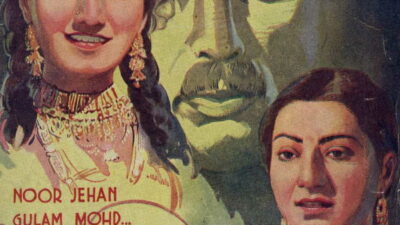
'ख़ानदान' (1942) का एक हल्का-फुल्का, छेड़छाड़ भरा गीत जो नूर जहाँ ने गाया, प्रिय की घायल करने वाली नज़र की कल्पना पर रचा। कई संगीत-सूचियों में दर्ज (कुछ स्रोत इसे महिला स्वरों के समूह को श्रेय देते हैं), यह फ़िल्म के गंभीर एकल गीतों के सामने खड़ा होकर युवा गायिका की रेंज का प्रमाण देता है।
अंग्रेज़ी में पढ़ें · Read in English
A lighter, flirtatious number from Khandaan (1942) sung by Noor Jehan, built on the conceit of a beloved's wounding glance. Documented across multiple soundtrack listings (with some sources crediting an ensemble of female voices), it sits opposite the film's brooding solos as proof of the young singer's range.
संगीत The Music
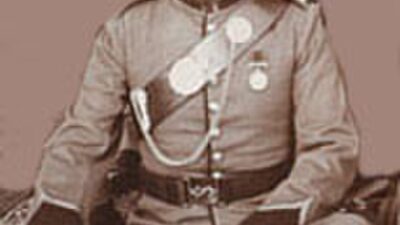
ग़ुलाम हैदर इस गीत को उज्ज्वल और लय-प्रमुख रखते हैं, अपने पंचोली कार्य को परिभाषित करने वाली पंजाबी लोक-धड़कन का सहारा लेते हुए। मध्यम लय और संवादात्मक टेक नूर जहाँ को शर्मीली, उलाहना देती प्रेमिका का अभिनय करने देती है, उनका अलंकरण एक सरल मधुर ढाँचे को नटखट रंग देता है।
अंग्रेज़ी में पढ़ें · Read in English
Ghulam Haider keeps this number bright and rhythmically forward, drawing on the Punjabi folk pulse that defined his Pancholi work. The medium tempo and conversational refrain let Noor Jehan play the coy, accusing lover, her ornamentation lending playful colour to an otherwise simple melodic frame.
काव्य The Poetry
'मार डालने वाली नज़र' (नज़रिया मार गई — नज़र ने मार डाला) फ़ारसी-उर्दू प्रेम-काव्य की सबसे पुरानी कल्पनाओं में से एक है: प्रिय की आँखें हथियार हैं, प्रेमी इस सुखद आघात का शिकार। ख़ानदान (1942) में तीन गीतकार थे — एम.डी. तासीर, नज़ीम पानीपती, और डी.एन. माधोक — और उनमें से जिसने भी यह संख्या लिखी, वे उस पंजाबी-रंगत लोक-उर्दू रजिस्टर में काम कर रहे थे जिसे ग़ुलाम हैदर अपनी पंचोली निर्मितियों के लिए पसंद करते थे। लघु रूप 'नज़रिया' (छोटी-सी नज़र, उर्दू 'नज़र' की बजाय पंजाबी '-इया' प्रत्यय के साथ) गीत को एक चिढ़ाने वाला, बोलचाल का रंग देता है: ज़ख़्म विनाशकारी है पर स्वर चंचल। यह विरोधाभास — गंभीर क्षति, हल्की प्रस्तुति — उर्दू लोक-काव्य की उस छेड़छाड़ उप-शैली की विशेषता है जिसे लाहौर पंचोली ध्वनि ने व्यवस्थित किया।
अंग्रेज़ी में पढ़ें · Read in English
The 'killing glance' (nazariya maar gayi — the glance slew me) is one of the oldest conceits in Perso-Urdu love poetry: the beloved's eyes as weapons, the lover as victim of this pleasant assault. Khandaan (1942) had three lyricists — M.D. Taseer, Nazim Panipati, and D.N. Madhok — and whichever of them wrote this number was working in the Punjabi-inflected folk-Urdu register that Ghulam Haider favoured for his Pancholi productions. The diminutive 'nazariya' (little glance, using the Punjabi '-iya' suffix rather than the Urdu 'nazar') gives the lyric a teasing, colloquial quality: the wound is devastating but the tone is playful. This tonal paradox — grave damage, light delivery — is the signature of the flirtatious sub-genre of Urdu folk poetry that the Lahore Pancholi sound systematised.
कहानी The Story
ख़ानदान (1942) का निर्माण डी.एम. पंचोली ने अपने लाहौर स्टूडियो में किया था और निर्देशन शौकत हुसैन रिज़वी ने अपनी पहली निर्देशकीय पारी में किया। इसमें प्रान थे — बाद में भारतीय सिनेमा के सबसे प्रसिद्ध खलनायकों में से एक — नूर जहाँ के सामने उनकी पहली प्रमुख भूमिकाओं में से एक में। ग़ुलाम हैदर के संगीत ने पंजाबी लोक-संगीत से भारी उधार लिया, विशेषकर ढोल-ढोलक की लय और लाहौर-अमृतसर प्रदर्शन परिपथ की तेज़, संवादात्मक स्वर-शैली, जिसने ख़ानदान के गीतों को हिंदी फ़िल्म संगीत में नई क्षेत्रीय और नगरीय-लोकप्रिय विशेषता दी। 'मार गई रे' फ़िल्म की अधिक शुद्ध रूप से लोक-छेड़छाड़ वाली संख्याओं में थी, उसी पट्टी के अधिक गंभीर भावनात्मक गीतों के लिए कॉमिक-रोमांटिक प्रतिरूप के रूप में काम करती।
अंग्रेज़ी में पढ़ें · Read in English
Khandaan (1942) was produced by D.M. Pancholi at his Lahore studio and directed by Shaukat Hussain Rizvi in his directorial debut. It starred Pran — later one of Indian cinema's most celebrated villains — in one of his first major roles opposite Noor Jehan. Ghulam Haider's score drew heavily on Punjabi folk music, particularly the dhol-dholak rhythm and the quick, conversational vocal style of the Lahore-Amritsar performance circuit, giving the Khandaan songs an immediately regional and urban-popular character that was new in Hindi film music. 'Maar Gayi Re' was among the more purely folk-flirtatious of the film's numbers, functioning as comic-romantic counterpoint to the more emotionally serious songs in the same score.
विरासत The Legacy
ख़ानदान (1942) वह फ़िल्म थी जिसने नूर जहाँ को उपमहाद्वीप की प्रमुख गायिका आवाज़ों में से एक के रूप में स्थापित किया। उसके गीतों ने उन्हें समकालीन आलोचकों के शब्दों में भारतीय फ़िल्मों की 'चार प्रमुख गायिकाओं' में से एक बना दिया। हालाँकि 'मार गई रे' जैसी अलग-अलग छोटी संख्याएँ बाद की पूर्वव्यापी समीक्षाओं में अधिक प्रसिद्ध ख़ानदान गीतों — विशेषकर 'तू कौनसी बदली में' — से पीछे रह गईं, लेकिन पूरी संगीत-पट्टी ने ग़ुलाम हैदर की नूर जहाँ की आवाज़ के लिए विभिन्न रजिस्टरों में लिखने की व्यवस्थित क्षमता को सिद्ध किया। ख़ानदान (1942) ने प्रान का करियर भी शुरू किया।
अंग्रेज़ी में पढ़ें · Read in English
Khandaan (1942) was the film that established Noor Jehan as one of the leading singing voices of the Subcontinent. Its songs made her, in the words of contemporary reviewers, one of the 'four leading singers' of Indian films. Though individual minor numbers like 'Maar Gayi Re' were overshadowed in later retrospectives by more celebrated Khandaan songs — particularly 'Tu Kaunsi Badli Mein' — the totality of the soundtrack demonstrated Ghulam Haider's systematic capacity to write for Noor Jehan's voice across registers. Khandaan (1942) also launched Pran's career, giving the film additional cultural significance beyond its music.
वर्गीकरण
Classification- Tempo
- Medium
Genre
अन्य विवरण
More Details- Wikipedia: Khandaan (1942 film) — https://en.wikipedia.org/wiki/Khandaan_(1942_film)
- Wikipedia: Noor Jehan — https://en.wikipedia.org/wiki/Noor_jehan
- Wikipedia: Ghulam Haider — confirmed from multiple sources
References
रोचक तथ्य
Margin Notesख़ानदान (1942) का निर्माण डी.एम. पांचोली ने अपने लाहौर स्टूडियो में किया और निर्देशन शौकत हुसैन रिज़वी ने अपने निर्देशकीय पदार्पण में किया; यह 1940 के दशक की शुरुआत की सबसे व्यावसायिक रूप से सफल लाहौर प्रस्तुतियों में से एक थी।
अंग्रेज़ी में पढ़ें · Read in English
Khandaan (1942) was produced by D.M. Pancholi at his Lahore studio and directed by Shaukat Hussain Rizvi in his directorial debut; it was among the most commercially successful Lahore productions of the early 1940s.
ख़ानदान के गीतकार एम.डी. तासीर, नाज़िम पानीपती और डी.एन. मधोक थे — तीन लेखक जो पंजाबी-उर्दू काव्य-परंपरा के विभिन्न स्वरों में काम कर रहे थे।
अंग्रेज़ी में पढ़ें · Read in English
The lyricists for Khandaan were M.D. Taseer, Nazim Panipati, and D.N. Madhok — three writers working across different registers of Punjabi-Urdu poetic tradition.
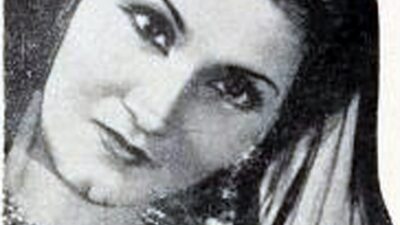
नूरजहाँ (1926–2000) ख़ानदान के निर्माण के समय 16 वर्ष की थीं; इस फ़िल्म ने उनके बाल-अभिनेत्री से वयस्क मुख्य नायिका में संक्रमण को चिह्नित किया और उन्हें दक्षिण एशियाई सिनेमा की चार प्रमुख गायिका-आवाज़ों में से एक के रूप में स्थापित किया।
अंग्रेज़ी में पढ़ें · Read in English
Noor Jehan (1926–2000) was 16 years old during the making of Khandaan; this film marked her transition from a child actress to an adult leading lady and established her as one of the four leading female singing voices in South Asian film.
अभिनेता प्राण (1920–2013), जो ख़ानदान में नूरजहाँ के सामने नज़र आए, आगे चलकर हिंदी सिनेमा के सबसे प्रतिष्ठित चरित्र अभिनेताओं और खलनायकों में से एक बने — ख़ानदान उनकी शुरुआती प्रमुख भूमिकाओं में से एक थी।
अंग्रेज़ी में पढ़ें · Read in English
Actor Pran (1920–2013), who appeared opposite Noor Jehan in Khandaan, later became one of the most celebrated character actors and villains in Hindi cinema — Khandaan was among his earliest major roles.
नमूना-पट्टी
The Specimen Table| शीर्षक | मार गई रे हमें तेरी नज़रिया · Maar Gayi Re Hamein Teri Nazariya |
|---|---|
| फ़िल्म | ख़ानदान · 1942 |
| वर्ष · युग | 1942 |
| गायक | Noor Jehan |
| संगीतकार | Ghulam Haider |
| स्वरूप | एकल महिला |
| गति | मध्यम |
| भाषा | hindi-urdu |
| भाव | चुलबुला · रोमांटिक |
| लोकप्रियता | Popular |
| बोल-स्थिति | केवल झलक |
जुड़े हुए पन्ने
Connected Plates · The Graph Made Visibleअटलस में कोई पन्ना अकेला नहीं — इस गीत से जुड़े गीत, कलाकार, फ़िल्म, राग-ताल-विधा, सब यहाँ से खुलते हैं।
मिलते-जुलते गीत · Related Songs
कलाकार · The Artists
फ़िल्म · The Film
साझा कीजिए · Share this Plate