कलाकार विंग · कलाकार-पट्टिका · Artist Plate
सोहराब मोदी
Sohrab Modi
जन्म1897 — बंबई
निधन1984
जीवन-पट्टी
The Life Specimen| नाम | सोहराब मोदी · Sohrab Modi |
|---|---|
| जन्म | 1897 — बंबई · Bombay |
| निधन | 1984 |
| भूमिकाएँ | निर्देशक · अभिनेता · निर्माता |
| सक्रिय वर्ष | 1930s–1970s |
| युग | Talkie Dawn |
| विधाएँ | फ़िल्मी |
पट्टिका-लेख
The Monographजीवनी Biography
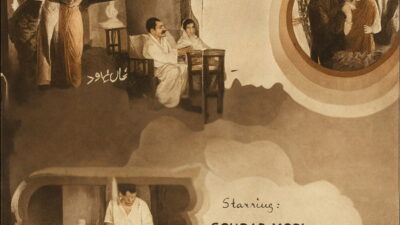
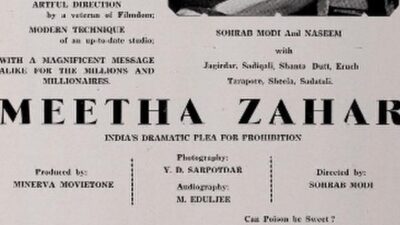
सोहराब मेरवानजी मोदी (1897–1984) — हिंदी सिनेमा के ऐतिहासिक महाकाव्य के सम्राट और मिनर्वा मूवीटोन (1936) के संस्थापक। पारसी रंगमंच की गूँजती, उद्घोषणात्मक संवाद-शैली को उन्होंने सवाक् सिनेमा के पर्दे पर उतारा — वह गंभीर बैरीटोन आवाज़ जो किसी थिएटर के पिछले छोर तक पहुँचती थी। 'पुकार' (1939), 'सिकंदर' (1941) और 'पृथ्वी वल्लभ' (1943) की ऐतिहासिक त्रयी ने उन्हें इतिहास और भव्यता का पर्याय बना दिया। 'झाँसी की रानी' (1953) के साथ उन्होंने भारत की पहली टेक्निकलर फ़िल्म बनाई और 'मिर्ज़ा ग़ालिब' (1954) से सर्वश्रेष्ठ फ़िल्म का राष्ट्रपति स्वर्ण-पदक जीता। 1980 में उन्हें दादासाहेब फाल्के पुरस्कार से सम्मानित किया गया।
प्रारंभिक जीवन Early Life
1897 में बंबई के एक पारसी परिवार में जन्म; पिता रामपुर के नवाब के अधीन अधीक्षक थे, और मोदी का बचपन का एक हिस्सा रामपुर में बीता, जहाँ नवाब की विशाल लाइब्रेरी ने उनमें उर्दू, हिंदी और अंग्रेज़ी का प्रेम जगाया। युवावस्था में वे भाई केकी मोदी के साथ ग्वालियर में घुमंतू फ़िल्म-प्रदर्शक रहे और सवाक् सिनेमा में आने से पहले पारसी रंगमंच तथा शेक्सपियरी अभिनय में रचे-बसे रहे।
अंग्रेज़ी में पढ़ें · Read in English
Born into a Parsi family in Bombay in 1897; his father served as a superintendent under the Nawab of Rampur, and Modi spent part of his childhood in Rampur, where the Nawab's library nurtured his love of Urdu, Hindi and English. As a young man he worked as a travelling film exhibitor in Gwalior with his brother Keki Modi and steeped himself in the Parsi theatre and Shakespearean acting before turning to sound cinema in the early 1930s.
करियर Career
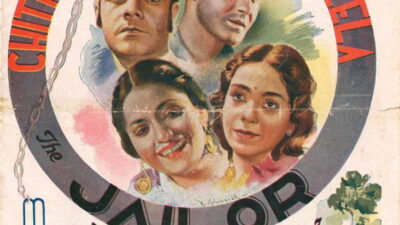
पारसी/शेक्सपियरी रंगमंच और घुमंतू नाट्य-मंडली से शुरुआत; 1935 में 'खून का खून' (हैमलेट का फ़िल्मी रूपांतर) से सवाक् सिनेमा में प्रवेश। 1936 में मिनर्वा मूवीटोन की स्थापना की और उसकी ऐतिहासिक भव्य-फ़िल्मों का निर्माण व अभिनय किया — 'पुकार' (1939), 'सिकंदर' (1941) और 'पृथ्वी वल्लभ' (1943)। 'झाँसी की रानी' (1953) — भारत की पहली टेक्निकलर फ़िल्म — और 'मिर्ज़ा ग़ालिब' (1954) का निर्देशन किया; इसके बाद 'नौशेरवाँ-ए-आदिल' (1957) और 1958 में 'जेलर' का पुनर्निर्माण।
अंग्रेज़ी में पढ़ें · Read in English
Began on the Parsi/Shakespearean stage with a travelling theatrical company; entered sound cinema in 1935 with Khoon Ka Khoon, a film version of Hamlet. Founded Minerva Movietone in 1936 and produced and starred in its historical spectaculars — Pukar (1939), Sikandar (1941) and Prithvi Vallabh (1943). Directed Jhansi Ki Rani (1953), India's first Technicolor film, and Mirza Ghalib (1954), followed by Nausherwan-E-Adil (1957) and a 1958 remake of Jailor.
विरासत Legacy
जिसने भारतीय इतिहास को सिनेमा बना दिया — मिनर्वा के गरजती-आवाज़ वाले संस्थापक, जिनकी उद्घोषक भव्यता ने ऐतिहासिक महाकाव्य को परिभाषित किया।
अंग्रेज़ी में पढ़ें · Read in English
The man who turned Indian history into cinema — Minerva's thunder-voiced founder whose declamatory grandeur defined the historical epic.
गायन-शैली Musical Style
गायक या संगीतकार नहीं — एक निर्देशक-अभिनेता-निर्माता, जिनकी पहचान पारसी-रंगमंच की गूँजती, नाट्यात्मक संवाद-अदायगी थी।
अंग्रेज़ी में पढ़ें · Read in English
Not a singer or composer — a director-actor-producer whose signature was the resonant, theatrical, Parsi-stage-rooted delivery he brought to cinema.
सांस्कृतिक प्रभाव Cultural Impact
मोदी ने ऐतिहासिक महाकाव्य को आरंभिक हिंदी सिनेमा की प्रतिष्ठित विधा बना दिया और भारतीय व मुग़ल इतिहास की भव्यता पर्दे पर लाए; उनकी गरजती आवाज़ और मिनर्वा की भव्यता सवाक् युग की कसौटी हैं, और 'झाँसी की रानी' ने भारत के रंगीन सिनेमा में पदार्पण को चिह्नित किया।
अंग्रेज़ी में पढ़ें · Read in English
Modi made the historical epic the prestige genre of early Hindi cinema and brought the grandeur of Indian and Mughal history to the screen; his thunderous voice and Minerva's spectacle are touchstones of the talkie era, and Jhansi Ki Rani marked India's arrival in colour.
तालीम, विधाएँ और भाषाएँ
Training · Genres · Languagesविधाएँ · Genres
जीवन-रेखा
Career Highlights- 1935 'खून का खून' — शेक्सपियर के 'हैमलेट' का फ़िल्मी रूपांतर Khoon Ka Khoon — a film version of Shakespeare's Hamlet
- 1936 मिनर्वा मूवीटोन की स्थापना Founds Minerva Movietone
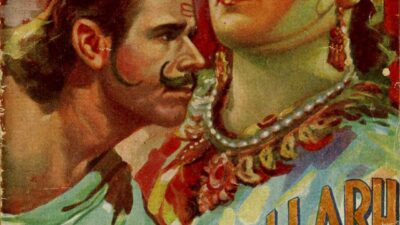
- 1939 'पुकार' — मिनर्वा की ऐतिहासिक भव्य-त्रयी की पहली कड़ी Pukar — first of the Minerva historical spectaculars
- 1941 'सिकंदर' — मील का पत्थर ऐतिहासिक महाकाव्य, पृथ्वीराज कपूर के साथ Sikandar — landmark historical epic, with Prithviraj Kapoor
- 1943 'पृथ्वी वल्लभ' — ऐतिहासिक त्रयी पूर्ण Prithvi Vallabh — completes the historical trilogy
- 1953 'झाँसी की रानी' — भारत की पहली टेक्निकलर फ़ीचर फ़िल्म Jhansi Ki Rani — India's first Technicolor feature film
- 1954 'मिर्ज़ा ग़ालिब' — सर्वश्रेष्ठ फ़िल्म का राष्ट्रपति स्वर्ण-पदक Mirza Ghalib — wins the President's Gold Medal for Best Feature Film
- 1980 दादासाहेब फाल्के पुरस्कार Receives the Dadasaheb Phalke Award
पुरस्कार एवं सम्मान
Awards & Recognition- सम्मान दादासाहेब फाल्के पुरस्कार (1980) Dadasaheb Phalke Award (1980)
- सम्मान सर्वश्रेष्ठ फ़िल्म का राष्ट्रपति स्वर्ण-पदक — 'मिर्ज़ा ग़ालिब' (1954) President's Gold Medal for Best Feature Film — Mirza Ghalib (1954)
अन्य विवरण
More Details- Birth Year
- 1897
- Death Year
- 1984
- Active Years
- 1930s–1970s
Early Life
1897 में बंबई के एक पारसी परिवार में जन्म; पिता रामपुर के नवाब के अधीन अधीक्षक थे, और मोदी का बचपन का एक हिस्सा रामपुर में बीता, जहाँ नवाब की विशाल लाइब्रेरी ने उनमें उर्दू, हिंदी और अंग्रेज़ी का प्रेम जगाया। युवावस्था में वे भाई केकी मोदी के साथ ग्वालियर में घुमंतू फ़िल्म-प्रदर्शक रहे और सवाक् सिनेमा में आने से पहले पारसी रंगमंच तथा शेक्सपियरी अभिनय में रचे-बसे रहे।
Born into a Parsi family in Bombay in 1897; his father served as a superintendent under the Nawab of Rampur, and Modi spent part of his childhood in Rampur, where the Nawab's library nurtured his love of Urdu, Hindi and English. As a young man he worked as a travelling film exhibitor in Gwalior with his brother Keki Modi and steeped himself in the Parsi theatre and Shakespearean acting before turning to sound cinema in the early 1930s.
Career
पारसी/शेक्सपियरी रंगमंच और घुमंतू नाट्य-मंडली से शुरुआत; 1935 में 'खून का खून' (हैमलेट का फ़िल्मी रूपांतर) से सवाक् सिनेमा में प्रवेश। 1936 में मिनर्वा मूवीटोन की स्थापना की और उसकी ऐतिहासिक भव्य-फ़िल्मों का निर्माण व अभिनय किया — 'पुकार' (1939), 'सिकंदर' (1941) और 'पृथ्वी वल्लभ' (1943)। 'झाँसी की रानी' (1953) — भारत की पहली टेक्निकलर फ़िल्म — और 'मिर्ज़ा ग़ालिब' (1954) का निर्देशन किया; इसके बाद 'नौशेरवाँ-ए-आदिल' (1957) और 1958 में 'जेलर' का पुनर्निर्माण।
Began on the Parsi/Shakespearean stage with a travelling theatrical company; entered sound cinema in 1935 with Khoon Ka Khoon, a film version of Hamlet. Founded Minerva Movietone in 1936 and produced and starred in its historical spectaculars — Pukar (1939), Sikandar (1941) and Prithvi Vallabh (1943). Directed Jhansi Ki Rani (1953), India's first Technicolor film, and Mirza Ghalib (1954), followed by Nausherwan-E-Adil (1957) and a 1958 remake of Jailor.
Legacy
जिसने भारतीय इतिहास को सिनेमा बना दिया — मिनर्वा के गरजती-आवाज़ वाले संस्थापक, जिनकी उद्घोषक भव्यता ने ऐतिहासिक महाकाव्य को परिभाषित किया।
The man who turned Indian history into cinema — Minerva's thunder-voiced founder whose declamatory grandeur defined the historical epic.
Musical Style
गायक या संगीतकार नहीं — एक निर्देशक-अभिनेता-निर्माता, जिनकी पहचान पारसी-रंगमंच की गूँजती, नाट्यात्मक संवाद-अदायगी थी।
Not a singer or composer — a director-actor-producer whose signature was the resonant, theatrical, Parsi-stage-rooted delivery he brought to cinema.
अभिलेख-सार
Discography Summary| रिकॉर्डिंग-काल | 1935–1958 |
|---|---|
| फ़िल्में व डिस्क | Khoon Ka Khoon 1935 · Pukar 1939 · Sikandar 1941 · Prithvi Vallabh 1943 · Jhansi Ki Rani 1953 · Mirza Ghalib 1954 |
| प्रमुख भूमिका | निर्देशक · अभिनेता · निर्माता |
| नित्य सहयोगी | Mehtab |
| स्रोत | derived from verified filmography; not a recording artist |
साझा कीजिए · Share this Plate