कहानियाँ विंग · कहानी · Music History · 1935
कारवान-ए-हयात (1935)
Karwan-e-Hayat (1935)
प्रकाशित20 June 2026
आमुख
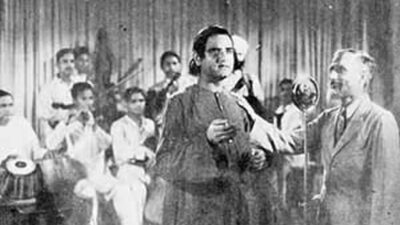
1935 में न्यू थिएटर्स की 'कारवान-ए-हयात' — प्रेमांकुर आतोर्थी निर्देशित उर्दू वेशभूषा-नाटक, जिसमें के.एल. सहगल राजकुमार परवेज़ बने और 'दिल से तेरी निगाह' जैसे गीतों में अपनी ग़ज़ल-नुमा आवाज़ का सफ़र आगे बढ़ाया।
अंग्रेज़ी में पढ़ें · Read in English
New Theatres' Karwan-e-Hayat (1935) — an Urdu costume drama directed by Premankur Atorthy, in which K.L. Saigal played Prince Parvez and carried forward the journey of his ghazal-like voice in songs such as 'Dil Se Teri Nigah'.
कलकत्ता का स्टूडियो, भागता हुआ राजकुमार
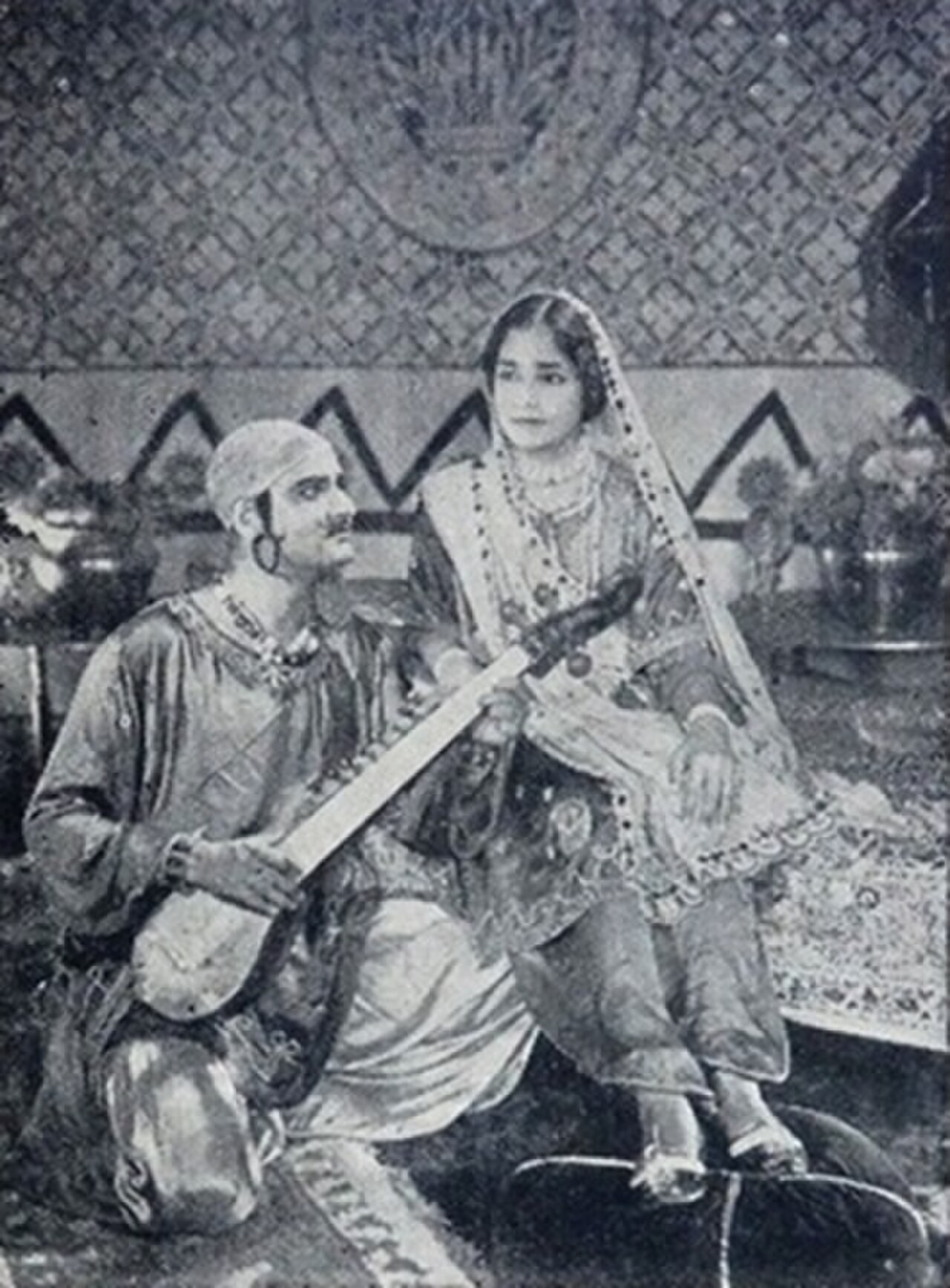
A Calcutta studio, a runaway prince1935 में न्यू थिएटर्स ने 'कारवान-ए-हयात' बनाई — प्रेमांकुर आतोर्थी के निर्देशन में, हेमचंद्र चंदर की सहायता से। यह एक उर्दू वेशभूषा-नाटक था: राजकुमार परवेज़ तय-शुदा शादी से भागता है और अनजाने में उसी राजकुमारी से प्रेम कर बैठता है। परदे पर परवेज़ बने के.एल. सहगल, और राजकुमारी की भूमिका में टी.आर. राजकुमारी।
अंग्रेज़ी में पढ़ें · Read in English
In 1935 New Theatres made Karwan-e-Hayat, directed by Premankur Atorthy with assistance from Hemchandra Chunder. It was an Urdu costume drama: Prince Parvez flees an arranged marriage and unknowingly falls in love with the very princess in question. K.L. Saigal played Parvez on screen, with T.R. Rajkumari as the princess.
सहगल की आवाज़, और गीतों का संगीत
Saigal's voice, and the music of the songsफ़िल्म का संगीत मिहिर किरण भट्टाचार्य और उनके भाई तिमिर बरन भट्टाचार्य ने दिया, बोल हकीम अहमद शुजा पाशा के थे। सहगल ने 'दिल से तेरी निगाह', 'हैरत-ए-नज़र आख़िर' और पहाड़ी सान्याल के साथ 'कोई प्रीत की रीत बता दे' गाए — वही ठहरी हुई, ग़ज़ल-नुमा गायकी जो न्यू थिएटर्स के 1935 के सहगल की पहचान बन रही थी।
अंग्रेज़ी में पढ़ें · Read in English
The music was composed by Mihir Kiran Bhattacharya and his brother Timir Baran Bhattacharya, with lyrics by Hakim Ahmad Shuja Pasha. Saigal sang 'Dil Se Teri Nigah', 'Hairat-e-Nazar Aakhir', and — with Pahari Sanyal — 'Koi Preet Ki Reet Bata De': the same unhurried, ghazal-like delivery that was becoming the signature of the New Theatres Saigal of 1935.
देवदास का साल
The year of Devdas'कारवान-ए-हयात' उसी 1935 की है जब न्यू थिएटर्स ने पी.सी. बरुआ की बांग्ला 'देवदास' भी पर्दे पर उतारी। यह वह दौर था जब सहगल की कोमल, बोल-को-तरजीह देती गायकी फ़िल्मी गीत का एक नया व्याकरण गढ़ रही थी — जिसकी पूरी छाप अगले बरस की हिंदी 'देवदास' (1936) में राष्ट्रव्यापी होने वाली थी।
अंग्रेज़ी में पढ़ें · Read in English
Karwan-e-Hayat belongs to the same 1935 in which New Theatres brought P.C. Barua's Bengali Devdas to the screen. This was the period when Saigal's tender, word-first singing was shaping a new grammar for the film song — a grammar that would become nationwide the following year with the Hindi Devdas (1936).
परिचय
IdentityEpithet
New Theatres' runaway prince, and the journey of Saigal's voice
अन्य विवरण
More DetailsKey Figures
कहानी-नमूना
The Story Specimen| शीर्षक | कारवान-ए-हयात (1935) · Karwan-e-Hayat (1935) |
|---|---|
| श्रेणी | Music History |
| प्रकार | विशेष लेख |
| प्रकाशित | 20 June 2026 — admin |
| वर्ष | 1935 |
और कहानियाँ
More Stories from the Atlas
साझा कीजिए · Share this Plate
यह पन्ना आगे बढ़ाइए
सवाल-जवाब
Questions & Answersकारवान-ए-हयात (1935) किसने निर्देशित और निर्मित की थी? · Who directed and produced Karwan-e-Hayat (1935)?
यह 1935 की न्यू थिएटर्स की फ़िल्म थी, निर्देशन प्रेमांकुर आतोर्थी का, सहायता हेमचंद्र चंदर की। संगीत मिहिर किरण भट्टाचार्य और तिमिर बरन भट्टाचार्य का, बोल हकीम अहमद शुजा पाशा के।
It was a 1935 New Theatres production, directed by Premankur Atorthy with assistance from Hemchandra Chunder. The music was by Mihir Kiran Bhattacharya and Timir Baran Bhattacharya, with lyrics by Hakim Ahmad Shuja Pasha.
के.एल. सहगल ने इस फ़िल्म में कौन-से गीत गाए? · Which songs did K.L. Saigal sing in this film?
सहगल ने 'दिल से तेरी निगाह', 'हैरत-ए-नज़र आख़िर' और पहाड़ी सान्याल के साथ 'कोई प्रीत की रीत बता दे' गाए। यह वही 1935 था जब न्यू थिएटर्स की बांग्ला 'देवदास' भी रिलीज़ हुई।
Saigal sang 'Dil Se Teri Nigah', 'Hairat-e-Nazar Aakhir', and 'Koi Preet Ki Reet Bata De' (with Pahari Sanyal). This was the same 1935 in which New Theatres' Bengali Devdas was also released.