कहानियाँ विंग · कहानी · Music History · 1933
कर्मा की देवी
The Lady of Karma
प्रकाशित20 June 2026
आमुख
1933 की इंडो-ब्रिटिश फ़िल्म 'कर्मा' — हिमांशु राय निर्मित, देविका रानी अभिनीत — ने भारतीय सिनेमा को उसका पहला अंग्रेज़ी गीत दिया ('नाउ द मून हर लाइट हैज़ शेड'), लंदन के दर्शकों को चौंकाया, और उस रचनात्मक साझेदारी को उजागर किया जो अगले वर्ष बंबई टॉकीज़ (1934) बनेगी।
अंग्रेज़ी में पढ़ें · Read in English
The 1933 Indo-British film Karma — produced by Himanshu Rai and starring Devika Rani — gave Indian cinema its first English-language song ('Now the Moon Her Light Has Shed'), surprised London audiences, and announced the creative partnership that would become Bombay Talkies (1934) the following year.
वकील, कवि, और एक राजकुमारी
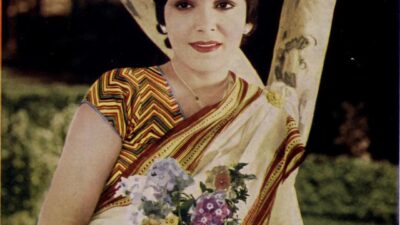
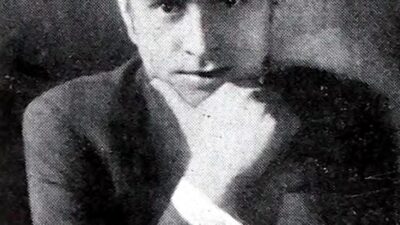
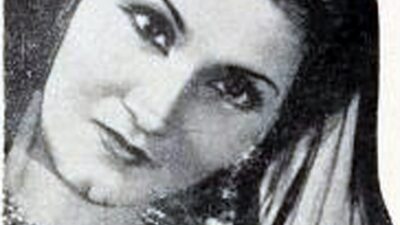
A barrister, a poet, and a princessहिमांशु राय कटक के एक कुलीन परिवार में 1892 में जन्मे थे — कोलकाता में वकालत पढ़ी, फिर बैरिस्टर बनने लंदन गए, पर कला ने क़ानून से जीत ली। 1920 के दशक में उन्होंने जर्मन निर्देशक फ्रान्ज़ ओस्तेन के साथ मिलकर तीन मूक फ़िल्में बनाईं — 'लाइट ऑफ़ एशिया' (1925), 'शिराज़' (1928), और 'ए थ्रो ऑफ़ डाइस' (1929) — जो भारतीय सिनेमा की बची हुई चंद मूक कृतियों में आज भी गिनी जाती हैं। इन्हीं फ़िल्मों की पोस्ट-प्रोडक्शन के दौरान बर्लिन में उनकी मुलाक़ात एक असाधारण युवती से हुई जो RADA और रॉयल एकेडमी ऑफ़ म्यूज़िक में प्रशिक्षित थी, जिसके पिता भारत के पहले भारतीय सर्जन-जनरल थे, और जिनकी परनानी रवींद्रनाथ टैगोर की बहन थीं — देविका रानी चौधरी, जन्म 30 मार्च 1908, विशाखापट्टनम। 1929 में उन दोनों ने विवाह किया।
अंग्रेज़ी में पढ़ें · Read in English
Himanshu Rai was born in 1892 into an aristocratic family in Cuttack — he read law in Kolkata, then went to London to become a barrister, but art outran the courts. In the 1920s he made three silent films with German director Franz Osten — The Light of Asia (1925), Shiraz (1928) and A Throw of Dice (1929) — which remain among the precious few Indian-made silents to survive. During the post-production of these films in Berlin he met an extraordinary young woman: trained at RADA and the Royal Academy of Music in London, daughter of India's first Indian Surgeon-General, and through her paternal line a great-grandniece of Rabindranath Tagore — Devika Rani Chaudhuri, born 30 March 1908 in Visakhapatnam. They married in 1929.
स्टॉल स्टूडियो और एक अंग्रेज़ी गीत
Stoll Studios and an English song1933 में हिमांशु राय ने जो फ़िल्म बनाई वह एक साहसिक प्रयोग था। 'कर्मा' — निर्देशन जे.एल. फ्रीर हंट का, संगीत अर्नस्ट ब्रॉडहर्स्ट का — भारत में शूट हुई और लंदन के स्टॉल स्टूडियो में पोस्ट-प्रोडक्शन हुई। यह एक द्विभाषी फ़िल्म थी: अंग्रेज़ी में 'कर्मा', हिंदी में बाद में 'नागन की रागिनी' के नाम से प्रदर्शित। फ़िल्म मई 1933 में लंदन में प्रीमियर हुई और ब्रिटिश आलोचकों ने देविका रानी के अभिनय की प्रशंसा की। परंतु इस फ़िल्म की सबसे बड़ी धरोहर एक गीत है — 'नाउ द मून हर लाइट हैज़ शेड', देविका रानी का गाया हुआ; किसी भारतीय निर्मित फ़िल्म में पहली बार कोई अंग्रेज़ी गीत था। एक राजकुमारी अपने प्रेमी के लिए गाती है — और उसकी अंग्रेज़ी उच्चारण की दक्षता ने लंदन के दर्शकों को चौंका दिया।
अंग्रेज़ी में पढ़ें · Read in English
The film Himanshu Rai made in 1933 was a bold experiment. Karma — directed by J.L. Freer Hunt, music by Ernst Broadhurst — was shot in India and completed at Stoll Studios in London. It was a bilingual production: released in English as Karma and later in Hindi as Naagan Ki Raagini. The film premiered in London in May 1933, where British critics praised Devika Rani's performance. But the film's most enduring distinction is a song — 'Now the Moon Her Light Has Shed', sung by Devika Rani; it was the first English-language song in an Indian-produced film. A princess sings for her beloved — and Devika Rani's English diction and musical training astonished London audiences.
वह चुंबन, और उसके बाद
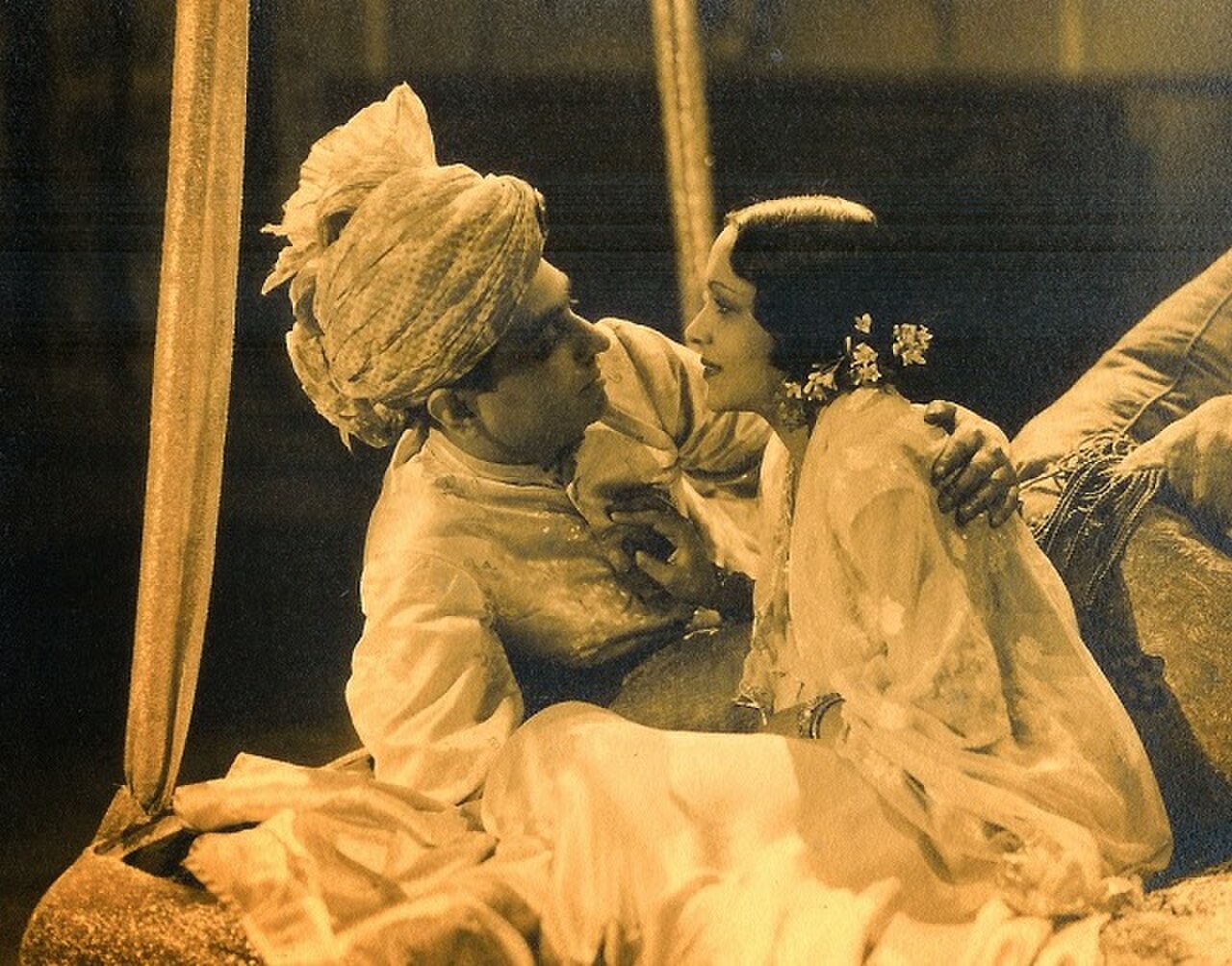
The kiss, and what came after'कर्मा' उस चुंबन-दृश्य के लिए भी इतिहास में दर्ज है जो देविका रानी और हिमांशु राय — पति-पत्नी — के बीच परदे पर घटा। भारत में यह दृश्य विवाद का कारण बना — तत्कालीन रूढ़िवादी समाज के लिए यह अकल्पनीय था — पर फ़िल्म मुख्यतः अंतरराष्ट्रीय दर्शकों के लिए बनी थी और हिंदी संस्करण को भारत में विशेष सफलता नहीं मिली। 'कर्मा' के केवल एक वर्ष बाद, 22 जून 1934 को, हिमांशु राय और देविका रानी ने बंबई टॉकीज़ की स्थापना की — तत्कालीन भारत का सर्वाधिक आधुनिक और सुसज्जित फ़िल्म स्टूडियो, जिसने आगे चलकर अशोक कुमार, लीला चिटनिस और दिलीप कुमार जैसी प्रतिभाओं को पहचान दी। देविका रानी, जो 1969 में दादासाहब फाल्के पुरस्कार पाने वाली पहली कलाकार बनीं, भारतीय सिनेमा की 'प्रथम महिला' कहलाईं — और वह यात्रा 1933 की एक अंग्रेज़ी गीत-पंक्ति से शुरू हुई थी।
अंग्रेज़ी में पढ़ें · Read in English
Karma is also remembered for the on-screen kiss between Devika Rani and Himanshu Rai — a couple in real life. In India the scene caused controversy in an orthodox social climate, but the film had been conceived primarily for international audiences, and the Hindi version found little success at home. Just one year after Karma, on 22 June 1934, Himanshu Rai and Devika Rani founded Bombay Talkies — the most modern and well-equipped film studio in India at the time, which would go on to launch careers including those of Ashok Kumar, Leela Chitnis and Dilip Kumar. Devika Rani, who in 1969 became the first-ever recipient of the Dadasaheb Phalke Award, came to be called the First Lady of Indian Cinema — and that journey had begun with a line in English, sung in 1933, for a London premiere.
परिचय
Identity- Epithet
- When an Indian princess sang in English for London
अन्य विवरण
More DetailsKey Figures
कहानी-नमूना
The Story Specimen| शीर्षक | कर्मा की देवी · The Lady of Karma |
|---|---|
| श्रेणी | Music History |
| प्रकार | विशेष लेख |
| प्रकाशित | 20 June 2026 — admin |
| वर्ष | 1933 |
और कहानियाँ
More Stories from the Atlas
साझा कीजिए · Share this Plate
यह पन्ना आगे बढ़ाइए
सवाल-जवाब
Questions & Answersभारतीय सिनेमा का पहला अंग्रेज़ी गीत कौन-सा है और किसने गाया? · What was the first English-language song in Indian cinema, and who sang it?
'नाउ द मून हर लाइट हैज़ शेड' — देविका रानी का गाया हुआ, 1933 की इंडो-ब्रिटिश फ़िल्म 'कर्मा' में। यह किसी भारतीय निर्मित फ़िल्म में पहली बार किसी अंग्रेज़ी गीत का प्रयोग था।
'Now the Moon Her Light Has Shed', sung by Devika Rani in the 1933 Indo-British film Karma. It was the first use of an English-language song in an Indian-produced film.
बंबई टॉकीज़ की स्थापना कब और किसने की? · When was Bombay Talkies founded, and by whom?
22 जून 1934 को हिमांशु राय और देविका रानी ने — 'कर्मा' (1933) के ठीक एक वर्ष बाद। यह तत्कालीन भारत का सबसे आधुनिक फ़िल्म स्टूडियो था।
On 22 June 1934, by Himanshu Rai and Devika Rani — exactly one year after Karma (1933). It was the most modern film studio in India at the time.