गीत विंग · गीत-पट्टिका · Song Plate
दे दिल को आराम ऐ साकी गुलफ़ाम
De Dil Ko Aaram Aey Saaki Gulfaam
ऐ गुलफ़ाम साकी, इस दिल को आराम दे — उर्दू काव्य की सबसे पुरानी गुहार, 14 मार्च 1931 को पहली बार किसी भारतीय सिनेमाघर में गाई गई।
भावउदास · दार्शनिक · रोमांटिक
भाषाUrdu · Persian · Hindi
श्रेय
The Creditsबोल · The Lyrics
पूरे बोल · Full Lyrics
शब्दकोश
Word Meaningsसूत्र-वाक्य · The Hook
सूत्र-वाक्य
ऐ गुलफ़ाम साकी, इस दिल को आराम दे — उर्दू काव्य की सबसे पुरानी गुहार, 14 मार्च 1931 को पहली बार किसी भारतीय सिनेमाघर में गाई गई।
In EnglishO rose-faced cup-bearer, soothe this heart — the oldest plea of Urdu poetry sung for the first time in an Indian cinema hall, 14 March 1931.
पट्टिका-लेख
The Monographपरिचय Overview
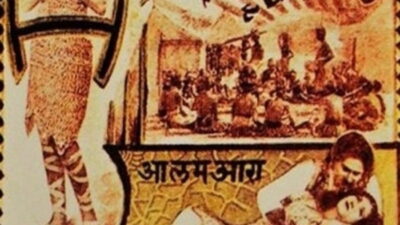
'दे दिल को आराम ऐ साकी गुलफ़ाम' भारत की पहली सवाक् फ़िल्म आलम आरा (1931) के सात गीतों में से एक है। ज़ुबैदा को दिया गया यह गीत साक़ी-नामा परम्परा — फ़ारसी और उर्दू में साकी को संबोधित शास्त्रीय काव्य-विधा — से लेता है और सदियों पुराने एक साहित्यिक रूप को सवाक् सिनेमा के नए माध्यम पर उतारता है।
अंग्रेज़ी में पढ़ें · Read in English
'De Dil Ko Aaram Aey Saaki Gulfaam' is one of the seven songs of Alam Ara (1931), India's first sound film. Attributed to Zubeida, the film's lead actress, it draws on the saaki-naama tradition — the classical Persian and Urdu genre of poems addressed to the cup-bearer — transporting a literary form centuries old onto the new medium of talking cinema.
संगीत The Music
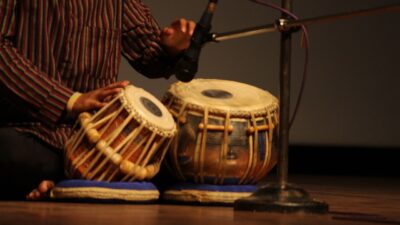
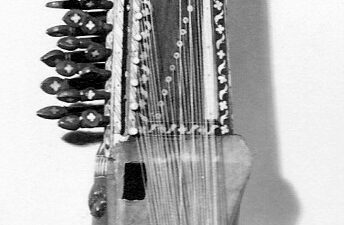
पारसी-रंगमंच परम्परा में साकी-गीत प्रायः हल्की अर्ध-शास्त्रीय या ठुमरी-निकट शैली में प्रस्तुत किया जाता था — लचीली, अलंकृत, उस महफ़िल के शिथिल वातावरण को जगाने के लिए बनाई गई जहाँ जाम चलता है और दिल खुल कर बोलते हैं। 1931 की सजीव-प्रदर्शन की सीमाओं में काम करते फ़िरोज़शाह मिस्त्री ने इसे वह धुन दी होगी जिसे कलाकार और छिपा हारमोनियम-तबला दल एक ही टेक में संयोजित कर सकें; टैनार सिंगल-सिस्टम में कोई रिटेक नहीं था: अगर गायिका चूकती, पूरा दृश्य फिर से शूट करना पड़ता। सारंगी — दरबारी संगीत और मुजरा परम्पराओं का वाद्य — इस प्रकार के गीत में एक संभावित वाद्य-वृद्धि है, हालाँकि कोई वाद्य-यंत्र-सूची दर्ज नहीं है।
अंग्रेज़ी में पढ़ें · Read in English
The saaki song in the Parsi-theatre tradition was typically rendered in a light semi-classical or thumri-adjacent style — sinuous, ornamented, designed to evoke the languid atmosphere of a gathering (mehfil) where wine flows and hearts speak freely. Ferozshah Mistri, working with the live-performance constraints of 1931, would have set this to a melody the actors and the hidden harmonium-tabla ensemble could coordinate in a single take; there were no retakes in the Tanar single-system: if the singer faltered, the entire scene had to be reshot from the beginning. Sarangi — the instrument of courtly music and mujra traditions — is a plausible addition to the ensemble for a song of this type, though no instrumentation is documented.
काव्य The Poetry
साक़ी-नामा फ़ारसी और उर्दू काव्य की सबसे भव्य परम्पराओं में से एक है — हाफ़िज़ से ग़ालिब तक साकी शाब्दिक और रहस्यमय दोनों नशों के केंद्र में खड़ा है। उर्दू रंगमंच-परम्पराओं में डूबे जोसेफ़ डेविड 'गुलफ़ाम' — गुलाबी-रंगी — को साकी के लिए प्रचलित विशेषण की तरह इस्तेमाल करते हैं: जवानी, सौंदर्य, गालों में शराब की लाली। 'दे दिल को आराम' — दिल को सुकून दे — शराब को आनंद नहीं बल्कि प्रेम-पीड़ा की दवा के रूप में प्रस्तुत करती है, जो शास्त्रीय सूफ़ी पाठ है: शराब अहंकार के, अपने आप के, प्रिय — चाहे सांसारिक हो या दिव्य — से जुदाई के दर्द के विस्मरण का मार्ग। जो परदे पर शायद रोमांटिक मनोरंजन का दृश्य रहा होगा उसमें यह दार्शनिक भार रखकर जोसेफ़ डेविड ने उर्दू काव्य की वह विशिष्ट क्षमता दिखाई जो लौकिक को पारलौकिक का वाहन बना देती है।
अंग्रेज़ी में पढ़ें · Read in English
The saaki-naama is one of the grandest traditions of Persian and Urdu poetry — from Hafez to Ghalib, the cup-bearer stands at the centre of both literal and mystical intoxication. Joseph David, steeped in Urdu stage traditions, uses gulfaam (rose-hued) as a stock epithet for the saaki: youth, beauty, the flush of wine in cheeks. 'De dil ko aaram' — give the heart ease — frames the wine not as pleasure but as medicine for the pain of love, which is the classical Sufi reading: wine as the path to oblivion of the ego, the self, the ache of separation from the beloved (whether earthly or divine). In placing this philosophical weight in what was, on screen, likely a scene of romantic entertainment, Joseph David showed Urdu poetry's characteristic capacity to make the profane carry the sacred.
कहानी The Story
जोसेफ़ डेविड के एक मंच-नाटक से रूपांतरित आलम आरा की कथा में दरबार, बंजारे, और उस युग की रंगमंचीय मनोरंजन-संस्कृति — और पारसी रंगमंच की उस तवायफ़ (कोठे की गायिका-नर्तकी) की परिचित आकृति शामिल थी जो अपने आश्रयदाता को गाकर सुनाती है। साकी-गीत सबसे स्वाभाविक रूप से किसी महफ़िल के दृश्य से — किसी दरबारी जलसे या शाम के मनोरंजन से — जुड़ा होगा जहाँ ज़ुबैदा का पात्र गाने के लिए बुलाया गया। यह बंजारी-वेश में आलम आरा थी या अपने नट-नटनी जीवन में — यह फ़िल्म के साथ खो गया। पर गीत की नाटकीय स्थिति स्कोर का सबसे स्पष्ट रूप से रंगमंचीय क्षण रही होगी: एक कलाकार फ़िल्म के भीतर दर्शकों को गाकर सुनाती है, जबकि सिनेमाघर में असली दर्शक भारतीय सवाक् चित्रों के इतिहास के पहले ऐसे क्षण को देख रहे थे।
अंग्रेज़ी में पढ़ें · Read in English
Alam Ara's plot, adapted from a Joseph David stage play, included a world of courts, nomads, and the theatrical entertainment culture of the era — and the Parsi stage's staple figure of the tawaif (courtesan-entertainer) who sings to her patron. A saaki song most plausibly belongs to a mehfil scene — a court gathering or evening of entertainment — where Zubeida's character is called upon to perform. Whether this was Alam Ara in disguise, or the character in her nomadic performance life, is lost with the film. But the song's placement within the drama would have been the most explicitly theatrical moment in the score: a performer singing to an audience within the film, while the real audience in the cinema hall watched the first such moment in the history of Indian talking pictures.
विरासत The Legacy
'दे दिल को आराम' जिस साकी-गीत परम्परा का प्रतिनिधित्व करती है वह हिंदी फ़िल्म-संगीत के दशकों में धागे की तरह चली — 1940 की फ़िल्मों के मुजरा-दृश्यों से होते हुए उन तवायफ़-नाटकों (पाकीज़ा, उमराव जान) तक जो अपनी एक अलग विधा बन गए। कि आलम आरा के सात गीतों में से एक पहले से ही इस परम्परा का था, यह दर्शाता है कि सवाक् सिनेमा का नया माध्यम कितनी पूरी तरह उर्दू रंगमंच की सांस्कृतिक आधार-भूमि पर बना था। पहला हिंदी सवाक् सिनेमा कोई नया संगीत-रूप नहीं लाया; उसने भारतीय रंगमंच-संस्कृति में पहले से जीवित रूपों को संग्रहीत किया और उन्हें परदा दिया।
अंग्रेज़ी में पढ़ें · Read in English
The saaki-song tradition that 'De Dil Ko Aaram' represents would thread through decades of Hindi film music — from the mujra sequences of 1940s films through the courtesan dramas (Pakeezah, Umrao Jaan) that became their own genre. That one of Alam Ara's seven songs already belonged to this tradition shows how completely the new medium of talking cinema was built on the cultural substrate of the Urdu stage. The first talking Hindi cinema did not invent a new musical form; it archived the forms already alive in Indian performance culture and gave them a screen.
वर्गीकरण
ClassificationGenre
अन्य विवरण
More Details- Alam Ara — Wikipedia (soundtrack listing)
References
रोचक तथ्य
Margin Notesसाकी की आकृति भारतीय साहित्य में कम से कम मध्यकाल से मिलती है, सूफ़ी काव्य, उर्दू ग़ज़ल, और पारसी रंगमंच से होते हुए आरंभिक टॉकी सिनेमा तक चली आई। पहले बोलते परदे पर आलम आरा के इस आकृति के प्रयोग ने उसे इस लंबी वंशावली में एक अनूठा ऐतिहासिक स्थान दिया।
अंग्रेज़ी में पढ़ें · Read in English
The saaki (cup-bearer) figure appears in Indian literature from at least the medieval period, threading through Sufi poetry, Urdu ghazal, and the Parsi stage into early talkie cinema. Alam Ara's use of this figure on the first talking screen gives it a unique historical position in this long lineage.
अर्देशिर ईरानी ने हॉलीवुड की 'शो बोट' (1929) देखने के बाद आलम आरा को टॉकी बनाने का निर्णय किया, जब उन्हें एहसास हुआ कि संगीत नए माध्यम की व्यावसायिक अपील का अभिन्न हिस्सा है — एक विश्वास जो पूरी तरह सही निकला: आलम आरा के गीत मुख्य आकर्षण थे।
अंग्रेज़ी में पढ़ें · Read in English
Ardeshir Irani chose to produce Alam Ara as a talkie after seeing the Hollywood production 'Show Boat' (1929) and realising that music was integral to the new medium's commercial appeal — a belief fully vindicated: Alam Ara's songs were a central attraction.
नमूना-पट्टी
The Specimen Table| शीर्षक | दे दिल को आराम ऐ साकी गुलफ़ाम · De Dil Ko Aaram Aey Saaki Gulfaam |
|---|---|
| फ़िल्म | आलम आरा · 1931 |
| वर्ष · युग | 1931 — Early Talkie Era |
| गायक | Zubeida |
| गीतकार | Joseph David |
| संगीतकार | Ferozshah M. Mistri |
| भाषा | Urdu · Persian · Hindi |
| वाद्य | harmonium · tabla · sarangi |
| भाव | उदास · दार्शनिक · रोमांटिक |
| बोल-स्थिति | सार्वजनिक |
जुड़े हुए पन्ने
Connected Plates · The Graph Made Visibleअटलस में कोई पन्ना अकेला नहीं — इस गीत से जुड़े गीत, कलाकार, फ़िल्म, राग-ताल-विधा, सब यहाँ से खुलते हैं।
मिलते-जुलते गीत · Related Songs
कलाकार · The Artists
फ़िल्म · The Film
साझा कीजिए · Share this Plate