कहानियाँ विंग · कहानी · Artist Arc · 1920
आख़िरी बार भोंपू के सामने: गौहर जान की विदाई
The Last Time Before the Horn: Gauhar Jaan's Farewell
1902 में जिसने भारतीय रिकॉर्डिंग का पहला सुर भरा था, उसने लगभग 1920 में आख़िरी तवा काटा। छह सौ रिकॉर्ड, दस से अधिक भाषाएँ, एक साम्राज्य — और फिर ख़ामोशी। यह कहानी उस विदाई की है, और उस उद्योग की जो अपनी जननी से आगे निकल गया।
प्रकाशित19 June 2026 पाठ८ मिनट का पाठ
आमुख
गौहर जान के अंतिम ग्रामोफ़ोन सत्रों (अनु. 1920) की कहानी — मुक़दमों और शाहख़र्ची से घिसता साम्राज्य, बदलती रुचि, शिष्या इंदुबाला का उसी स्टूडियो में प्रवेश, और मैसूर दरबार तक का अंतिम सफ़र। साथ ही यह सवाल: रिकॉर्ड उद्योग अपने सितारों को कैसे याद रखता — और कैसे भूल जाता है।
अंग्रेज़ी में पढ़ें · Read in English
The story of Gauhar Jaan's final Gramophone sessions (c. 1920) — an empire worn down by lawsuits and extravagance, changing tastes, her disciple Indubala entering the same studio, and the last journey to the Mysore court. And the question underneath: how the record industry remembers its stars — and how it forgets them.
छह सौ तवों का सफ़र
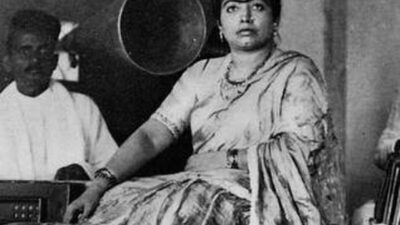
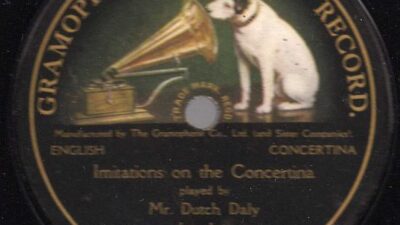
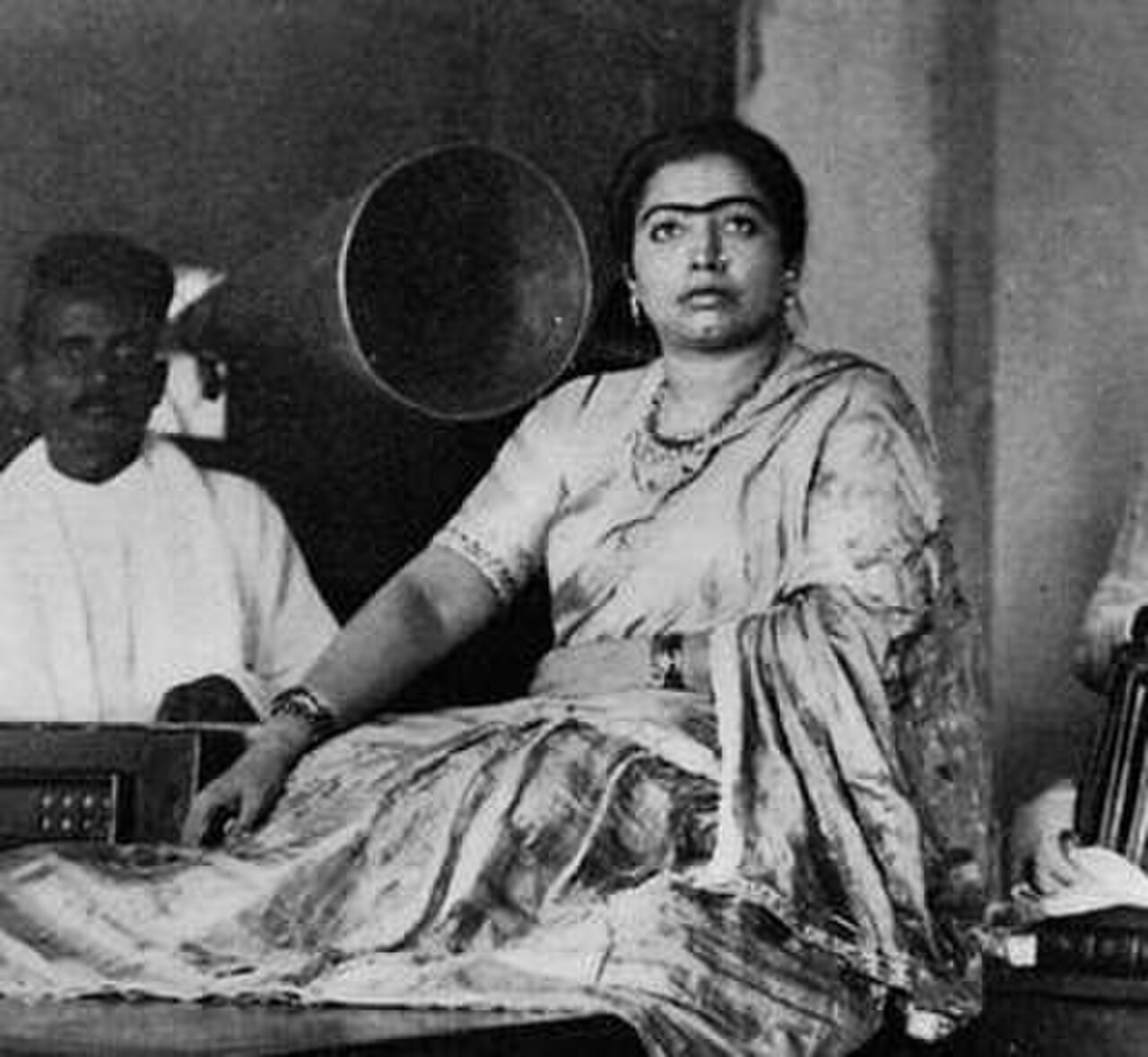
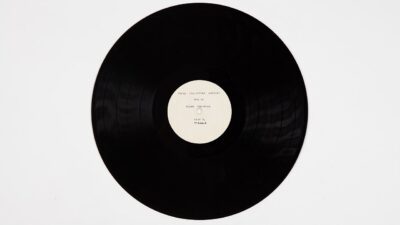
A Journey of Six Hundred Discs1902 की उस दोपहर से, जब कलकत्ता के एक होटल के कमरे में फ़्रेड गैसबर्ग के भोंपू के सामने गौहर जान ने पहला भारतीय व्यावसायिक रिकॉर्ड गाया था, लगभग अठारह बरस गुज़र चुके थे। इन बरसों में उन्होंने क़रीब छह सौ तवे भरे — ठुमरी, दादरा, ख़याल, ग़ज़ल, भजन, और दस से अधिक भाषाओं में गीत। हर तवे के अंत में वही ऐतिहासिक पुकार: 'माय नेम इज़ गौहर जान!' — हनोवर के कारख़ाने में मास्टर पहचानने की तरकीब, जो इतिहास का सबसे मशहूर ऑडियो-हस्ताक्षर बन गई। उन्होंने रिकॉर्डिंग को तवायफ़ के कोठे से निकालकर हर उस घर तक पहुँचाया जहाँ चाभी से चलने वाला ग्रामोफ़ोन था। फ़ीस के मामले में भी वे पहली थीं — तीन हज़ार रुपये प्रति सत्र की किंवदंती उनके नाम के साथ चलती है। ग्रामोफ़ोन कंपनी ने उनसे सीखा कि भारत में सितारा कैसे बेचा जाता है; भारत ने उनसे सीखा कि आवाज़ भी जायदाद हो सकती है।
अंग्रेज़ी में पढ़ें · Read in English
Nearly eighteen years had passed since that Calcutta afternoon in 1902 when Gauhar Jaan sang India's first commercial record into Fred Gaisberg's horn in a hotel room. In those years she filled some six hundred discs — thumri, dadra, khayal, ghazal, bhajan, songs in more than ten languages. At the end of each came the historic announcement: 'My name is Gauhar Jaan!' — a trick to help the Hanover factory identify masters, which became the most famous audio signature in history. She carried recording out of the tawaif's salon and into every home that owned a wind-up gramophone. In fees too she was first — the legend of three thousand rupees a session travels with her name. The Gramophone Company learnt from her how to sell a star in India; India learnt from her that a voice could be property.
घिसता साम्राज्य
An Empire Wearing Thinपर 1920 के आसपास के सत्र किसी विजय-यात्रा का हिस्सा नहीं थे। विक्रम संपत की जीवनी बताती है कि गौहर के अंतिम वर्ष मुक़दमों में उलझे थे — अपने ही सचिव-साथी सैयद ग़ुलाम अब्बास से जायदाद की लड़ाई ने उन्हें भीतर से तोड़ दिया था। शाहाना रहन-सहन, दान, और दरबारों की घटती उदारता — आमदनी के स्रोत सूख रहे थे। उधर बाज़ार भी बदल रहा था: नई आवाज़ें सस्ते अनुबंधों पर तैयार थीं, नाट्य-संगीत के तवे पश्चिम में धूम मचा रहे थे, और कंपनी को अब किसी एक महारानी की ज़रूरत नहीं थी — उसके पास पूरा दरबार था। लगभग 1920 में गौहर जान और ग्रामोफ़ोन कंपनी का अठारह साल पुराना रिश्ता चुपचाप समाप्त हो गया। कोई विदाई-समारोह नहीं, कोई 'अंतिम रिकॉर्ड' का विज्ञापन नहीं — कैटलॉग से एक नाम धीरे-धीरे ओझल हो गया, बस।
अंग्रेज़ी में पढ़ें · Read in English
But the sessions around 1920 were no victory lap. Vikram Sampath's biography records that Gauhar's last years were tangled in litigation — the property battle with her own secretary-companion Syed Ghulam Abbas broke something in her. Lavish living, charity, and the shrinking generosity of the courts — the springs of income were drying. The market was turning too: new voices signed for cheaper contracts, natya-sangeet discs were sweeping the west, and the company no longer needed one empress — it had a whole court. Around 1920 the eighteen-year association between Gauhar Jaan and the Gramophone Company ended quietly. No farewell ceremony, no 'final record' advertisement — a name simply faded from the catalogue.
उसी स्टूडियो में, नई आवाज़
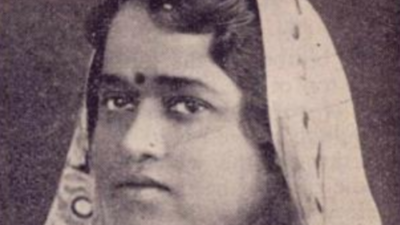
In the Same Studio, a New Voiceइतिहास को संयोग प्रिय हैं: ठीक उसी मोड़ पर — लगभग 1921 — कलकत्ता के उसी स्टूडियो में एक बाईस बरस की गायिका पहली बार भोंपू के सामने खड़ी हुई। नाम: इंदुबाला। तालीम: स्वयं गौहर जान से। रामबागान में पली इस शिष्या ने गुरु की बोल-बाँट, मुखड़े की चुस्ती और महफ़िली नफ़ासत को तवों की नई पीढ़ी में उतार दिया। कंपनी ने भी इस उत्तराधिकार को बेचा — 'महान गौहर जान की शिष्या'। आगे इंदुबाला छह दशक गाएँगी — रेडियो तक, फ़िल्मों तक — और गौहर की परंपरा की जीवित स्मृति कहलाएँगी। एक दरवाज़ा बंद हुआ था; उसी चौखट से दूसरा खुल गया था। ग्रामोफ़ोन का पहला अध्याय अपनी उत्तर-कथा ख़ुद लिखकर गया।
अंग्रेज़ी में पढ़ें · Read in English
History loves its coincidences: at that very turn — around 1921 — a twenty-two-year-old singer stood before the horn in the same Calcutta studio for the first time. Her name: Indubala. Her taleem: from Gauhar Jaan herself. Raised in Rambagan, the disciple carried her teacher's phrasing, the crisp mukhda returns and the salon refinement into the discs of a new generation. The company sold the succession too — 'disciple of the great Gauhar Jaan'. Indubala would sing for six more decades, into radio and film, and be called the living memory of Gauhar's tradition. One door had closed; from the same threshold another opened. The gramophone's first chapter wrote its own sequel before leaving.
मैसूर, और आख़िरी ख़ामोशी
Mysore, and the Last Silenceरिकॉर्डिंग के बाद का दशक भटकन का था — कलकत्ता से दूर, घटती महफ़िलें, बिकती जायदादें। 1928 में मैसूर दरबार ने उन्हें राज-गायिका का सम्मान दिया; पर सेहत साथ छोड़ चुकी थी। 17 जनवरी 1930 को मैसूर में गौहर जान का निधन हुआ — वह स्त्री जो कभी भारत की सबसे महँगी आवाज़ थी, अपेक्षाकृत एकांत में विदा हुई। पर तवे नहीं मरते। उनकी रिकॉर्डिंग्स संग्रहालयों, अभिलेखागारों और संग्रहकर्ताओं की अलमारियों में बचती गईं, और हर पुनर्प्रकाशन के साथ नई पीढ़ी उस पुकार से चौंकती रही — 'माय नेम इज़ गौहर जान!' आज वह वाक्य भारतीय रिकॉर्ड-संगीत का जन्म-प्रमाणपत्र माना जाता है। लगभग 1920 के उन अंतिम सत्रों की असली विरासत यही है: एक उद्योग, जो अपनी पहली आवाज़ को कभी पूरी तरह खो नहीं सका।
अंग्रेज़ी में पढ़ें · Read in English
The decade after recording was one of drift — away from Calcutta, dwindling mehfils, properties sold. In 1928 the Mysore court honoured her as palace musician; but her health had already given way. On 17 January 1930 Gauhar Jaan died in Mysore — the woman who had once been India's most expensive voice departed in relative solitude. But discs do not die. Her recordings survived in museums, archives and collectors' cabinets, and with every reissue a new generation has been startled by that cry — 'My name is Gauhar Jaan!' Today the sentence is treated as the birth certificate of Indian recorded music. That is the true legacy of those final sessions of c. 1920: an industry that never quite managed to lose its first voice.
परिचय
IdentityEpithet
1902 में जिसने भारतीय रिकॉर्डिंग का पहला सुर भरा था, उसने लगभग 1920 में आख़िरी तवा काटा। छह सौ रिकॉर्ड, दस से अधिक भाषाएँ, एक साम्राज्य — और फिर ख़ामोशी। यह कहानी उस विदाई की है, और उस उद्योग की जो अपनी जननी से आगे निकल गया।
The voice that opened Indian recording in 1902 cut its last disc around 1920. Six hundred records, more than ten languages, an empire — then silence. This is the story of that farewell, and of an industry that outgrew its founding mother.
अन्य विवरण
More Details- माय नेम इज़ गौहर जान! · My name is Gauhar Jaan!
- गौहर जान
- इंदुबाला
- फ़्रेडरिक विलियम गैसबर्ग
- Vikram Sampath, 'My Name Is Gauhar Jaan! The Life and Times of a Musician' (Rupa, 2010)
- Archive of Indian Music — Gauhar Jaan collections
- Michael Kinnear, early Indian discographies (Bajakhana)
Pull Quotes
Key Figures
References
कहानी-नमूना
The Story Specimen| शीर्षक | आख़िरी बार भोंपू के सामने: गौहर जान की विदाई · The Last Time Before the Horn: Gauhar Jaan's Farewell |
|---|---|
| श्रेणी | Artist Arc |
| प्रकार | विशेष लेख |
| पाठ-समय | ८ मिनट का पाठ |
| प्रकाशित | 19 June 2026 — admin |
| वर्ष | 1920 |
| टैग | gauhar_jaan · 1920 · gramophone_company · final_sessions · indubala · recording_history |
इस कहानी में
In This Story · The Cast & Its Platesकहानी में आए नामों के अटलस में अपने पन्ने हैं — यहीं से यात्रा जारी रखिए।
कलाकार-सूत्र · Artists
और कहानियाँ
More Stories from the Atlas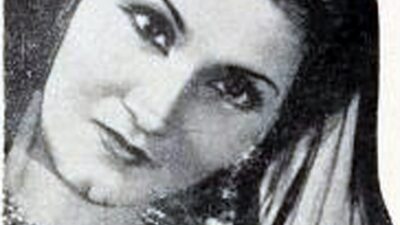
साझा कीजिए · Share this Plate