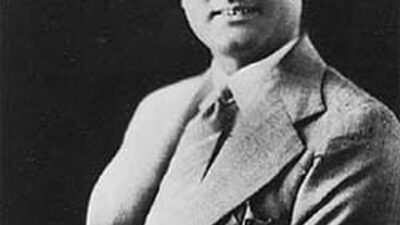
गीत विंग · गीत-पट्टिका · Song Plate
बाबुल मोरा नैहर छूटो ही जाये
Babul Mora Naihar Chhuto Hi Jaaye
यह शेर नवाब ने अपने निर्वासन के लिए लिखा था; अस्सी साल बाद सहगल ने इसे लाइव कैमरे के सामने गाया — और यह गीत हर साम्राज्य से लंबा जिया।
भावमीठा-कड़वा · अविस्मरणीय · उदास · आध्यात्मिक
भाषाbraj-bhasha गतिधीमी स्वरूपएकल पुरुष
श्रेय
The Creditsबोल · The Lyrics
पूरे बोल · Full Lyrics
चार कहार मिल, मोरी डोलिया सजावें,
मोरा अपना बेगाना छूटो ही जाये।
आँगन तो पर्बत भयो, और देहरी भई बिदेस,
जे बाबुल घर आपनो, मैं चली पिया के देस।
बाबुल मोरा नैहर छूटो ही जाये।
शुभ दिन आयो रे, डोलिया सजाओ रे,
मोरे बाबुल का घर आज छूटो ही जाये।
बाबुल मोरा नैहर छूटो ही जाये।
Chaar kahaar mil, mori doliya sajaaven,
Mora apna begaana chhuto hi jaaye.
Aangan to parbat bhayo, aur dehri bhai bides,
Je babul ghar aapno, main chali piya ke des.
Babul mora naihar chhuto hi jaaye.
Shubh din aayo re, doliya sajaao re,
More babul ka ghar aaj chhuto hi jaaye.
Babul mora naihar chhuto hi jaaye.
शब्दकोश
Word Meaningsसूत्र-वाक्य · The Hook
सूत्र-वाक्य
यह शेर नवाब ने अपने निर्वासन के लिए लिखा था; अस्सी साल बाद सहगल ने इसे लाइव कैमरे के सामने गाया — और यह गीत हर साम्राज्य से लंबा जिया।
In EnglishThe king composed this for his own exile; eighty years later, Saigal sang it live on camera — and the song outlived every empire.
पट्टिका-लेख
The Monographपरिचय Overview
1856 में जब ब्रिटिश ईस्ट इंडिया कंपनी ने नवाब वाजिद अली शाह को लखनऊ से कलकत्ते के लिए निर्वासित किया, कवि-बादशाह ने भैरवी में एक तुमरी रची — 'बाबुल मोरा' — एक ऐसी दुल्हन की आवाज़ में जो पिता का घर छोड़ रही हो। यह उधार के रूपक में दर्ज दर्द था: उनका तख़्त ही नैहर था, लखनऊ आँगन, और ब्रिटिश जहाज़ डोलिया। बयासी साल बाद, न्यू थिएटर्स की 'स्ट्रीट सिंगर' (1938) में के.एल. सहगल ने यह तुमरी सीधे कैमरे के सामने — प्लेबैक-पूर्व अभिनय-परंपरा में — किरदार अमर के लिए गाई। गीत का दोहरा संबोधन (काल्पनिक दुल्हन, ऐतिहासिक बादशाह) कोई दुर्घटना न थी; निर्देशक फणी मजुमदार जानते थे कि नए वाचक के सामने वाजिद अली शाह का निजी विलाप सार्वभौमिक बन जाता है।
अंग्रेज़ी में पढ़ें · Read in English
In 1856, when the British East India Company deported Nawab Wajid Ali Shah from Lucknow to Calcutta, the poet-king composed a thumri in Bhairavi — 'Babul Mora' — in the voice of a bride leaving her father's house. It was grief in borrowed metaphor: his throne was the naihar, Lucknow the courtyard, the palanquin the British steamer. Eighty-two years later, in New Theatres' Street Singer (1938), K.L. Saigal sang this thumri live before the camera — in the screen-acting tradition that predated playback — for the character Amar, a street musician. The song's double address (the fictional bride, the historical king) was no accident; director Phani Majumdar understood that Wajid Ali Shah's personal lament, given a new narrator, became universal.
संगीत The Music
सहगल की भैरवी-प्रस्तुति अभिलेखों में सबसे विलंबित में से एक है — जैसे हर अक्षर अगले शब्द तक पहुँचने से कतरा रहा हो, और अगला शब्द हमेशा विदाई ही हो। पंकज मलिक के संयोजन में हारमोनियम स्वर-आधार की भूमिका में है, और सारंगी दो पंक्तियों के बीच शास्त्रीय तरीक़े से आवाज़ को उत्तर देती है। कोई ऑर्केस्ट्रल भव्यता नहीं; कमरा छोटा है और दुख निकट। 'छूटो ही जाये' रदीफ़ हर बार किसी बंद होते दरवाज़े की तरह गिरती है।
अंग्रेज़ी में पढ़ें · Read in English
Saigal's rendering in Bhairavi is one of the slowest on record — each syllable held as if reluctant to arrive at the next word, which is always departure. Pankaj Mullick's arrangement uses harmonium as tonal bed, with sarangi answering the voice between phrases in the classical tandem. There is no orchestral inflation; the room is small and the grief is close. The 'chhuto hi jaaye' refrain falls each time like a door closing.
काव्य The Poetry
वाजिद अली शाह ने ब्रज भाषा में लिखा — उर्दू में नहीं, जो दरबार की औपचारिक भाषा थी — तुमरी-परंपरा की लोक-बोली चुनी। तुमरी की स्त्री-आवाज़ ('दुल्हन' परिपाटी) ने उन्हें बिना राजसी गरिमा के बोलने की आड़ दी; बादशाह स्त्री बनकर रो सकते थे। बिंब — आँगन का पर्वत बनना, देहरी का विदेश बनना — निर्वासन की त्रासदी को असाधारण संक्षिप्तता में दो पंक्तियों में समेट देता है।
अंग्रेज़ी में पढ़ें · Read in English
Wajid Ali Shah wrote in Braj Bhasha — not Urdu, which was the court's formal register — choosing instead the vernacular of the thumri tradition. The conceit of the thumri as female voice (the 'bride' convention) gave him cover to speak without royal dignity; the king could weep as a woman. The image — courtyard become mountain, threshold become foreign land — compresses the rupture of exile into two lines of extraordinary economy.
कहानी The Story
'स्ट्रीट सिंगर' में 'बाबुल मोरा' वाला दृश्य एक सार्वजनिक प्रस्तुति के रूप में रचा गया है — अमर सड़क या मंच पर गा रहे हैं, एकांत में नहीं — जो ऐतिहासिक सच्चाई का दर्पण है: वाजिद अली शाह ने यह तुमरी रचकर ब्रिटिश जहाज़ पर सवार होने से पहले सार्वजनिक रूप से गाई थी। फ़िल्म इस तरह एक प्रस्तुति के भीतर एक और प्रस्तुति खड़ी करती है, और सहगल का भाव दोनों — किरदार का दुख और नवाब का — वहन करता है।
अंग्रेज़ी में पढ़ें · Read in English
The scene in Street Singer where 'Babul Mora' is sung is staged as a performance — Amar singing on a street or stage rather than in private — which mirrors the historical reality: Wajid Ali Shah composed the thumri and performed it publicly as his final act before boarding the British steamer. The film thus layers a performance of a performance, and Saigal's expression carries both the character's grief and the Nawab's.
विरासत The Legacy
बीसवीं सदी की कोई तुमरी इतनी बार गाई नहीं गई। बड़े ग़ुलाम अली खाँ, बेगम अख़्तर, लता मंगेशकर, पं. भीमसेन जोशी, रवि शंकर (वाद्य में), शिवकुमार शर्मा — हर शास्त्रीय परंपरा और हर पीढ़ी में 'बाबुल मोरा' लौटता रहा। यह उपमहाद्वीप का प्रामाणिक विदाई-गीत बना — विवाह, अंत्येष्टि, प्रस्थान, विभाजन — हर उस टूट पर जहाँ कोई अपूरणीय चीज़ पीछे छूट जाती है।
अंग्रेज़ी में पढ़ें · Read in English
No thumri of the 20th century was covered more. Bade Ghulam Ali Khan, Begum Akhtar, Lata Mangeshkar, Bhimsen Joshi, Ravi Shankar (instrumental), Shivkumar Sharma — across every classical tradition and generation, 'Babul Mora' recurs. It became the canonical farewell song of the subcontinent, sung at weddings, funerals, departures, partitions — any rupture where something irreplaceable is left behind.
वर्गीकरण
Classification- Tempo
- Slow
Genre
रोचक तथ्य
Margin Notesवाजिद अली शाह ने यह ठुमरी लखनऊ से अपने निर्वासन की पूर्व संध्या पर, फ़रवरी 1856 में रची; वे उस शहर में फिर कभी नहीं लौटे, जिसे उन्होंने उत्तर भारत की सांस्कृतिक राजधानी बना दिया था।
अंग्रेज़ी में पढ़ें · Read in English
Wajid Ali Shah composed the thumri on the night before his deportation from Lucknow, February 1856; he never returned to the city he had made the cultural capital of North India.
फ़िल्म की रिकॉर्डिंग लाइव की गई थी — सहगल ने कैमरे के सामने प्लेबैक तकनीक की सुविधा के बिना ही गाया (धूप छाँव, 1935 ने प्लेबैक की शुरुआत की थी; स्ट्रीट सिंगर, 1938 ने इस दृश्य के लिए पुरानी परंपरा को ही बनाए रखा)।
अंग्रेज़ी में पढ़ें · Read in English
The film's recording was made live — Saigal sang before the camera without the benefit of playback technology (Dhoop Chhaon 1935 introduced playback; Street Singer 1938 retained the older convention for this scene).
लता मंगेशकर ने 1950 के दशक में 'बाबुल मोरा' रिकॉर्ड किया; उनका संस्करण और सहगल का संस्करण, बाद में बनी दर्जनों प्रस्तुतियों में सबसे व्यापक रूप से प्रसारित दो संस्करण हैं।
अंग्रेज़ी में पढ़ें · Read in English
Lata Mangeshkar recorded 'Babul Mora' in the 1950s; her version and Saigal's are the two most widely distributed of the dozens that followed.
यह ठुमरी लखनऊ घराने की परंपरा से संबंधित है और तकनीकी रूप से भैरवी राग में कहरवा ताल पर आधारित है, हालाँकि अनौपचारिक प्रस्तुतियों में अक्सर ताल की संरचना को शिथिल कर दिया जाता है।
अंग्रेज़ी में पढ़ें · Read in English
The thumri belongs to the Lucknow gharana tradition and is technically set in Bhairavi with keherwa taal, though informal rendering often loosens the taal structure.
नमूना-पट्टी
The Specimen Table| शीर्षक | बाबुल मोरा नैहर छूटो ही जाये · Babul Mora Naihar Chhuto Hi Jaaye |
|---|---|
| फ़िल्म | स्ट्रीट सिंगर · 1938 |
| वर्ष · युग | 1938 — new theatres golden |
| गायक | K.L. Saigal |
| गीतकार | वाजिद अली शाह |
| संगीतकार | Pankaj Mullick |
| स्वरूप | एकल पुरुष |
| गति | धीमी |
| भाषा | braj-bhasha |
| भाव | मीठा-कड़वा · अविस्मरणीय · उदास · आध्यात्मिक |
| लोकप्रियता | Legendary |
| बोल-स्थिति | सार्वजनिक |
जुड़े हुए पन्ने
Connected Plates · The Graph Made Visibleअटलस में कोई पन्ना अकेला नहीं — इस गीत से जुड़े गीत, कलाकार, फ़िल्म, राग-ताल-विधा, सब यहाँ से खुलते हैं।
मिलते-जुलते गीत · Related Songs
कलाकार · The Artists
फ़िल्म · The Film
साझा कीजिए · Share this Plate