गीत विंग · गीत-पट्टिका · Song Plate
आज के बिछड़े न जाने
Aaj Ke Bichchade Na Jaane
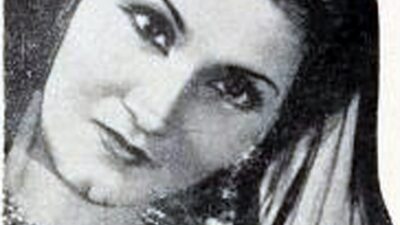
नूर जहाँ अपने सबसे शोकपूर्ण रूप में: वह विदाई जो जानती है वह अंतिम है।
भावमीठा-कड़वा · उदास · पुरानी यादें
भाषाurdu गतिधीमी स्वरूपएकल महिला
श्रेय
The Creditsबोल · The Lyrics
बोल — झलक · Lyrics Preview
दिल के टुकड़े दिल से बिछड़ रहे हैं।
dil ke tukde dil se bichhar rahe hain.
कॉपीराइट के कारण केवल झलक — पूरे बोल आधिकारिक मंचों पर।
सूत्र-वाक्य · The Hook
सूत्र-वाक्य
नूर जहाँ अपने सबसे शोकपूर्ण रूप में: वह विदाई जो जानती है वह अंतिम है।
In EnglishNoor Jehan at her most elegiac: the farewell that knows it is forever.
पट्टिका-लेख
The Monographपरिचय Overview
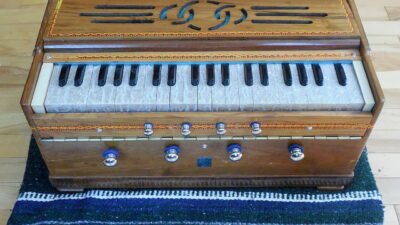
'ज़ीनत' की क़व्वाली का धीमा, उदास समकक्ष, 'आज के बिछड़े' नूर जहाँ को ग़ज़ल-झुके फ़िल्मी गाने के अंतरंग स्वर में दिखाता है। ग़ुलाम हैदर की बंदिश न्यूनतम है — सारंगी और तबला, हारमोनियम के साथ — और जालंधरी का उर्दू शेर एक स्थायी-सी लगने वाली विदाई की पीड़ा पर टिका है। नूर जहाँ की आवाज़ यहाँ सबसे असुरक्षित है, उनकी विशिष्ट चमक वास्तविक भावनात्मक भार से संयमित।
अंग्रेज़ी में पढ़ें · Read in English
The slower, sadder counterpart to Zeenat's qawwali number, 'Aaj Ke Bichchade' shows Noor Jehan in the intimate register of the ghazal-inflected film song. Ghulam Haider's setting is spare — sarangi and tabla, with harmonium providing harmonic support — and Jalandhari's Urdu verse dwells on the anguish of a parting that feels permanent. Noor Jehan's voice is at its most unguarded here, the characteristic brightness tempered by a genuine emotional weight that made her the most expressive female film singer of the decade.
संगीत The Music
व्यवस्था का संयम नूर जहाँ की आवाज़ को पूरा भावनात्मक भार उठाने देता है। हैदर यहाँ अपनी क़व्वाली-शैली की पंजाबी लयात्मक गति से बचते हैं और एक हल्के तबला-पैटर्न का चयन करते हैं।
अंग्रेज़ी में पढ़ें · Read in English
The arrangement's restraint allows Noor Jehan's voice to carry the entire emotional weight. Haider avoids the Punjabi rhythmic drive of his qawwali work here, opting for a lighter tabla pattern that keeps the song in the slower, more contemplative register of the Urdu ghazal tradition.
काव्य The Poetry
जालंधरी के 'आज के बिछड़े' में पूर्वदृष्टि से एक भविष्यसूचक भार है: 1947 का विभाजन, सिर्फ़ दो साल दूर, करोड़ों को बिछाड़ेगा — जिनमें जालंधरी ख़ुद भी थे।
अंग्रेज़ी में पढ़ें · Read in English
Jalandhari's 'aaj ke bichchade' — literally 'those who parted today' — carries a prophetic weight in retrospect: the Partition of 1947, just two years away, would part millions, including Jalandhari himself from the India he had written for.
कहानी The Story
ज़ीनत (1945) का निर्देशन सैयद शौकत हुसैन रिज़वी ने किया — जो बाद में विभाजन के बाद नूरजहाँ से विवाह करेंगे और उनकी कई पाकिस्तानी फ़िल्मों का निर्देशन करेंगे। फ़िल्म एक विशिष्ट ऐतिहासिक अंतर रखती है: यह पहली हिंदी फ़िल्म थी जिसमें एक पूर्ण-महिला क़व्वाली — 'आहें न भरीं शिकवे न किए' — ज़ोहराबाई अम्बालेवाली, नूरजहाँ और कल्याणी द्वारा एक साथ प्रस्तुत हुई। यह शानदार केंद्रबिंदु संख्या फ़िल्म का हाइलाइट था, पर ज़ीनत में इसके साथ-साथ धीमे, अधिक अंतरंग गाने भी थे, और 'आज के बिछड़े न जाने' ग़ज़ल-रंग की विदाई के शांत रजिस्टर में नूरजहाँ को प्रस्तुत करता है। 1945 तक, नूरजहाँ एक साथ कई उच्च-कमाई वाली फ़िल्मों में नज़र आ रही थीं, अपने विभाजन-पूर्व बंबई करियर के बिल्कुल शिखर पर। 1947 में वे पाकिस्तान चली गईं, जिसके बाद उनकी हिंदी फ़िल्म सूची स्थायी रूप से बंद हो गई। एक टिप्पणी: ज़ीनत (1945) के संगीत-श्रेय संदर्भ-स्रोतों के बीच भिन्न हैं, और इस एंटिटी रिकॉर्ड में जिम्मेदार संगीतकार और गीतकार को मूल फ़िल्म-प्रिंट या ट्रेड-प्रेस रिकॉर्ड के विरुद्ध सत्यापित किया जाना चाहिए।
अंग्रेज़ी में पढ़ें · Read in English
Zeenat (1945) was directed by Syed Shaukat Hussain Rizvi — who would later marry Noor Jehan after Partition and direct several of her Pakistani films. The film holds a specific historical distinction: it was the first Hindi film to feature an all-female qawwali, 'Aahein Na Bhari Shikwe Na Kiye', performed by Zohrabai Ambalewali, Noor Jehan, and Kalyani together. This spectacular set-piece was the film's centrepiece number, but Zeenat carried slower, more intimate songs alongside it, and 'Aaj Ke Bichchade Na Jaane' represents Noor Jehan in the quieter register of the ghazal-inflected farewell. By 1945, Noor Jehan was appearing in several high-grossing films simultaneously, at the absolute peak of her pre-Partition Bombay career. She would leave for Pakistan in 1947, after which her Hindi film catalogue was sealed permanently. A note on attribution: the music credits for Zeenat (1945) vary between reference sources, and the composer and lyricist attributed in this entity record should be verified against the original film print or trade press records.
विरासत The Legacy
विभाजन-पूर्व नूर जहाँ की बेहतरीन बंबई रिकॉर्डिंग में से एक और हफ़ीज़ जालंधरी–ग़ुलाम हैदर की गीत-लेखन साझेदारी का सबसे गीतात्मक रूप में दस्तावेज़।
अंग्रेज़ी में पढ़ें · Read in English
One of Noor Jehan's finest pre-Partition Bombay recordings and a document of the Hafeez Jalandhari–Ghulam Haider songwriting partnership at its most lyrical.
वर्गीकरण
Classification- Tempo
- Slow
Genre
अन्य विवरण
More Details- https://en.wikipedia.org/wiki/Zeenat_(1945_film)
- https://en.wikipedia.org/wiki/Noor_Jehan
- https://www.hindigeetmala.net/movie/zeenat.htm
References
रोचक तथ्य
Margin Notesज़ीनत (1945) का निर्देशन सैयद शौकत हुसैन रिज़वी ने किया था, जिन्होंने विभाजन के बाद नूरजहाँ से विवाह किया और 1950 के दशक में उनकी कई पाकिस्तानी फ़िल्मों का निर्देशन किया।
अंग्रेज़ी में पढ़ें · Read in English
Zeenat (1945) was directed by Syed Shaukat Hussain Rizvi, who later married Noor Jehan after Partition and directed several of her Pakistani films through the 1950s.
इस फ़िल्म को पूर्णतः महिला क़व्वाली प्रस्तुत करने वाली पहली हिंदी फ़िल्म के रूप में दर्ज किया गया है: 'आहें न भरी शिकवे न किए', जिसे ज़ोहराबाई अंबालेवाली, नूरजहाँ और कल्याणी ने गाया था।
अंग्रेज़ी में पढ़ें · Read in English
The film is documented as the first Hindi film to feature an all-female qawwali: 'Aahein Na Bhari Shikwe Na Kiye', performed by Zohrabai Ambalewali, Noor Jehan, and Kalyani.
हफ़ीज़ जालंधरी — जिन्हें इस अभिलेख में गीतकार के रूप में श्रेय दिया गया है — विभाजन के बाद पाकिस्तान चले गए, जहां उन्होंने पाकिस्तान का राष्ट्रगान 'क़ौमी तराना' (1952) रचा; बंबई से उनके प्रस्थान ने हिंदी फ़िल्म संगीत से उनके जुड़ाव को स्थायी रूप से समाप्त कर दिया।
अंग्रेज़ी में पढ़ें · Read in English
Hafeez Jalandhari — credited as lyricist in this entity record — was displaced to Pakistan after Partition, where he authored Pakistan's national anthem, 'Qaumi Tarana' (1952); his departure from Bombay sealed his connection to Hindi film music permanently.
ज़ीनत (1945) के संगीत श्रेय विभिन्न संदर्भ स्रोतों में भिन्न-भिन्न पाए जाते हैं; इस अभिलेख में दिए गए श्रेय को मूल व्यापारिक दस्तावेज़ों से सत्यापित किए जाने की आवश्यकता है।
अंग्रेज़ी में पढ़ें · Read in English
The music credits for Zeenat (1945) vary between different reference sources; this entity record's attributions require verification against original trade documentation.
नमूना-पट्टी
The Specimen Table| शीर्षक | आज के बिछड़े न जाने · Aaj Ke Bichchade Na Jaane |
|---|---|
| फ़िल्म | ज़ीनत · 1945 |
| वर्ष · युग | 1945 — pre independence |
| गायक | Noor Jehan |
| गीतकार | Hafeez Jalandhari |
| संगीतकार | Ghulam Haider |
| स्वरूप | एकल महिला |
| गति | धीमी |
| भाषा | urdu |
| भाव | मीठा-कड़वा · उदास · पुरानी यादें |
| लोकप्रियता | Popular |
| बोल-स्थिति | केवल झलक |
जुड़े हुए पन्ने
Connected Plates · The Graph Made Visibleअटलस में कोई पन्ना अकेला नहीं — इस गीत से जुड़े गीत, कलाकार, फ़िल्म, राग-ताल-विधा, सब यहाँ से खुलते हैं।
मिलते-जुलते गीत · Related Songs
कलाकार · The Artists
फ़िल्म · The Film
साझा कीजिए · Share this Plate