गीत विंग · गीत-पट्टिका · Song Plate
आहें न भरीं शिकवे न किए
Aahen Na Bhareen Shikwe Na Kiye
हिंदी सिनेमा की सबसे मशहूर ऑल-फ़ीमेल क़व्वाली: एक स्त्री जिसने कभी शिकवा न किया, कभी आह न भरी — और आँखों से सब कुछ कह दिया।
भावमीठा-कड़वा · उदास · दार्शनिक · आध्यात्मिक
भाषाurdu गतिमध्यम स्वरूपएकल महिला
श्रेय
The Creditsबोल · The Lyrics
बोल — झलक · Lyrics Preview
कुछ भी न ज़ुबाँ से काम लिया
दिल में ही छुपाए बैठे रहे
आँखों से सब कुछ काम लिया।
kuchh bhi na zuban se kaam liya
dil mein hi chhupaye baithe rahe
aankhon se sab kuchh kaam liya.
कॉपीराइट के कारण केवल झलक — पूरे बोल आधिकारिक मंचों पर।
सूत्र-वाक्य · The Hook
सूत्र-वाक्य
हिंदी सिनेमा की सबसे मशहूर ऑल-फ़ीमेल क़व्वाली: एक स्त्री जिसने कभी शिकवा न किया, कभी आह न भरी — और आँखों से सब कुछ कह दिया।
In EnglishHindi cinema's most celebrated all-female qawwali: a woman who never complained, never sighed — and said everything with her eyes.
पट्टिका-लेख
The Monographपरिचय Overview
'ज़ीनत' (1945) से 'आहें न भरीं शिकवे न किए' हिंदी सिनेमा की सबसे तकनीकी और भावनात्मक रूप से महत्वाकांक्षी क़व्वाली प्रस्तुतियों में से एक है। नूर जहाँ एक मुख्यतः स्त्री-समूह को एक असाधारण संयम के बोल से गुज़ारती हैं: एक स्त्री जिसने अपना ग़म पूरी तरह भीतर रखा, जिसने केवल आँखों से संवाद किया। ग़ुलाम हैदर की बंदिश लाहौर की क़व्वाली परंपरा के वाग्मिता-निर्माण और लयात्मक त्वरण से खींचती है, जबकि हफ़ीज़ जालंधरी का उर्दू शेर बोल को प्राचीन और तत्काल दोनों महसूस कराता है। यह गाना हिंदी सिनेमा में ऑल-फ़ीमेल समवेत के उपयोग में अभूतपूर्व था — एक विधा जो तब तक परदे पर मुख्यतः पुरुषों का क्षेत्र रही थी।
अंग्रेज़ी में पढ़ें · Read in English
From Zeenat (1945), 'Aahen Na Bhareen Shikwe Na Kiye' is one of Hindi cinema's most technically and emotionally ambitious qawwali sequences, featuring Noor Jehan leading a predominantly female ensemble through a lyric of extraordinary restraint: a woman who kept her grief wholly interior, who communicated only through her eyes. Ghulam Haider's setting draws on the rhetorical build and rhythmic acceleration of the Lahore qawwali tradition — the form that Haider knew from his Punjabi musical upbringing — while Hafeez Jalandhari's Urdu verse supplies the classic maqta-less ghazal structure that made the lyric feel both ancient and immediate. The song was unprecedented in Hindi cinema in its use of an all-female ensemble for a qawwali form that had, until then, been primarily a male domain on screen.
संगीत The Music
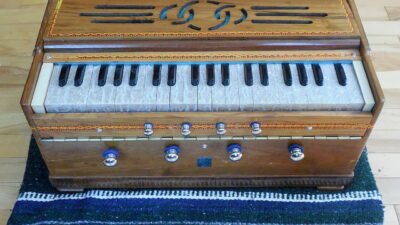
हैदर ढोलक-तबले की उस ताल पर व्यवस्था बनाते हैं जो पंजाबी क़व्वाली की नींव है। हारमोनियम की धुन-रेखा सारंगी से क़रीबी तरह पीछा की जाती है, और समूह के ओवरलैपिंग जवाब संयमित भावनाओं की एक ऐसी बनावट रचते हैं जो गाने की संरचना में धीरे-धीरे तीव्र होती है।
अंग्रेज़ी में पढ़ें · Read in English
Haider builds the arrangement on the dholak-tabla rhythm that underpins Punjabi qawwali. The harmonium melody line is closely followed by sarangi, and the ensemble's overlapping responses build a texture of contained emotion that gradually intensifies across the song's structure. This is qawwali used not for communal ecstasy but for interior grief — an unusual application of the form.
काव्य The Poetry
जालंधरी की केंद्रीय कल्पना — एक स्त्री जो ग़म के सभी बाहरी संकेत (आहें, शिकवे) दबा देती है और केवल आँखों से संवाद करती है — मुशायरे के उस सामान्य परंपरागत नाटकीय स्वर से उलट है। संयम ही भावनात्मक वक्तव्य है: सबसे विनाशकारी ग़म व्यक्त नहीं किया जा सकता।
अंग्रेज़ी में पढ़ें · Read in English
Jalandhari's central conceit — a woman who suppresses all outward signs of grief (sighs, complaints) and communicates only through her eyes — is a reversal of the usual mushaira convention where the poet-speaker emotes dramatically. The restraint is itself the emotional statement: the most devastating grief cannot be expressed.
कहानी The Story
क़व्वाली सीक्वेंस के लिए ग़ुलाम हैदर को कई स्त्री-गायिकाओं को एकत्र करना था — उस दौर की बंबई प्रस्तुतियों के लिए असामान्य। नूर जहाँ ने समूह का नेतृत्व किया।
अंग्रेज़ी में पढ़ें · Read in English
The qawwali sequence required Ghulam Haider to assemble multiple female singers — unusual for Bombay productions of the period. Noor Jehan led the ensemble, and the recording session has been described as one of the most intensive of her Bombay career.
विरासत The Legacy
बाद की पीढ़ियों के संगीतकारों और श्रोताओं द्वारा विभाजन-पूर्व की सबसे निर्णायक फ़िल्मी क़व्वालियों में से एक और हिंदी सिनेमा में ऑल-फ़ीमेल क़व्वाली प्रदर्शन के लिए प्राथमिक पूर्ववर्ती के रूप में उद्धृत।
अंग्रेज़ी में पढ़ें · Read in English
Cited by subsequent generations of composers and listeners as one of the definitive pre-Partition film qawwalis — and the primary precedent for all-female qawwali performance in Hindi cinema. Its influence echoes in Gulzar's use of female ensemble qawwali in later decades.
वर्गीकरण
Classification- Tempo
- Medium
Genre
अन्य विवरण
More Details- https://en.wikipedia.org/wiki/Zeenat_(1945_film)
- https://en.wikipedia.org/wiki/Hafeez_Jalandhari
- https://bollywoodirect.medium.com/zeenat-is-a-1945-indian-muslim-social-melodrama-film-1395dac16e92
References
रोचक तथ्य
Margin Notesज़ीनत (1945), जिसका निर्देशन शौकत हुसैन रिज़वी ने किया था (जिन्होंने 1942 में खानदान का भी निर्देशन किया था), उस वर्ष की सबसे अधिक कमाई करने वाली भारतीय फ़िल्म थी — इसकी व्यावसायिक सफलता में बड़ा योगदान क़व्वाली 'आहें न भरीं शिकवे न किए' की लोकप्रियता का था, जो फ़िल्म का पहचान-गीत बन गई।
अंग्रेज़ी में पढ़ें · Read in English
Zeenat (1945), directed by Shaukat Hussain Rizvi (who had also directed Khandaan in 1942), was the highest-grossing Indian film of the year — its commercial success driven in large part by the popularity of the qawwali 'Aahen Na Bhareen Shikwe Na Kiye', which became the film's signature number.
इस क़व्वाली को नूरजहाँ, ज़ोहराबाई अंबालेवाली और कल्याणी सहित पूर्णतः महिला गायक-समूह ने प्रस्तुत किया, और इसे बहुत छोटी उम्र की शशिकला, रेहाना, ज़ेबुन्निसा तथा बेबी ख़ुर्शीद सहित एक बड़े समूह पर फ़िल्माया गया — जिससे यह 1940 के दशक के मध्य की उभरती और स्थापित महिला प्रतिभाओं का एक ही दृश्य में दृश्य-दस्तावेज़ बन गया।
अंग्रेज़ी में पढ़ें · Read in English
The qawwali was performed by an all-female ensemble including Noor Jehan, Zohrabai Ambalewali, and Kalyani, and was picturised on a large group including the very young Shashikala, Rehana, Zebunnissa, and Baby Khurshid — making it a visual record of the rising and established female talent of mid-1940s Hindi cinema in a single sequence.
'आहें न भरीं शिकवे न किए' के गीतकार के रूप में श्रेय पाने वाले हफ़ीज़ जालंधरी अंतरराष्ट्रीय स्तर पर पाकिस्तान के राष्ट्रगान 'क़ौमी तराना' (1954 में अपनाया गया) के रचयिता के रूप में सबसे अधिक जाने जाते हैं — यह जीवनी-तथ्य इस क़व्वाली को उपमहाद्वीपीय संगीत के ऐतिहासिक दृष्टि से सर्वाधिक महत्वपूर्ण गीतों में से एक बनाता है: वही कवि जिसने एक स्त्री की आंतरिक वेदना भी लिखी और एक राष्ट्र की सार्वजनिक घोषणा भी।
अंग्रेज़ी में पढ़ें · Read in English
Hafeez Jalandhari, credited as lyricist of 'Aahen Na Bhareen Shikwe Na Kiye', is best known internationally as the author of Pakistan's national anthem, 'Qaumi Tarana' (adopted 1954) — a biographical fact that makes this qawwali one of the most historically consequential lyrics in subcontinental music: the same poet writing a woman's interior grief and a nation's public self-declaration.
इस क़व्वाली को हिंदी सिनेमा की पहली पूर्णतः महिला क़व्वाली के रूप में दर्ज किया गया है — इससे पहले यह विधा पर्दे पर विशेष रूप से पुरुष समूहों द्वारा ही प्रस्तुत की जाती थी; नूरजहाँ का एक महिला समूह का नेतृत्व करते हुए शास्त्रीय ढंग से संरचित, पूर्ण लयबद्ध गति और समूह के प्रश्नोत्तर शैली वाली क़व्वाली प्रस्तुत करना स्वयं में इस विधा की प्रस्तुति में एक औपचारिक बदलाव था।
अंग्रेज़ी में पढ़ें · Read in English
The qawwali is documented as the first all-female qawwali in Hindi cinema — the form had until this point been performed exclusively by male ensembles on screen; Noor Jehan leading a female group through a classically structured qawwali with full rhythmic acceleration and ensemble call-and-response was itself a formal rupture in how the genre was presented.
नमूना-पट्टी
The Specimen Table| शीर्षक | आहें न भरीं शिकवे न किए · Aahen Na Bhareen Shikwe Na Kiye |
|---|---|
| फ़िल्म | ज़ीनत · 1945 |
| वर्ष · युग | 1945 — pre independence |
| गायक | Noor Jehan |
| गीतकार | Hafeez Jalandhari |
| संगीतकार | Ghulam Haider |
| स्वरूप | एकल महिला |
| गति | मध्यम |
| भाषा | urdu |
| भाव | मीठा-कड़वा · उदास · दार्शनिक · आध्यात्मिक |
| लोकप्रियता | Very_popular |
| बोल-स्थिति | केवल झलक |
जुड़े हुए पन्ने
Connected Plates · The Graph Made Visibleअटलस में कोई पन्ना अकेला नहीं — इस गीत से जुड़े गीत, कलाकार, फ़िल्म, राग-ताल-विधा, सब यहाँ से खुलते हैं।
मिलते-जुलते गीत · Related Songs
कलाकार · The Artists
फ़िल्म · The Film
साझा कीजिए · Share this Plate