कहानियाँ विंग · कहानी · Cultural Context · 1907
पूर्व पश्चिम से मिलता है: गौहर जान का हवाई गीत और सांस्कृतिक प्रयोग
East Meets West: Gauhar Jaan's Hawaiian Song and Cross-Cultural Experimentation
कैसे ग्रामोफोन दर्शकों और कलाकारों ने 1900 के दशक की शुरुआत में संगीतात्मक संलयन को अपनाया
प्रकाशित31 March 2026
आमुख
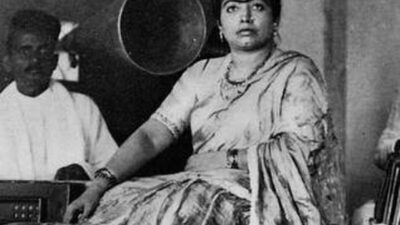
1907 में गौहर जान ने अंग्रेज़ी में एक हवाईयन गीत रिकॉर्ड किया — और यह किसी विरोधाभास की तरह नहीं लगा, बल्कि उनकी बहुमुखी प्रतिभा का प्राकृतिक विस्तार था। प्रारंभिक ग्रामोफोन युग में भारतीय कलाकारों की सांस्कृतिक पहचान राष्ट्रवाद और खुले जिज्ञासावाद के बीच झूल रही थी।
अंग्रेज़ी में पढ़ें · Read in English
In 1907, Gauhar Jaan recorded a Hawaiian song in English — and this did not feel like a contradiction but a natural extension of her versatility. In the early gramophone era, Indian artists' cultural identity swung between nationalism and open cosmopolitan curiosity.
सांस्मोपॉलिटन ग्रामोफोन दर्शक
The Cosmopolitan Gramophone Audienceग्रामोफोन का शुरुआती भारतीय बाजार अक्सर प्रशंसा से अधिक सांस्मोपॉलिटन था। जबकि अधिकांश रिकॉर्डिंग शास्त्रीय भारतीय शैलियों में थीं, एचएमवी और ओडिओन की रिकॉर्डिंग कैटलॉग आश्चर्यजनक रूप से बहुत सारी क्रॉस-कल्चरल सामग्री में शामिल थी: अंग्रेजी में रिकॉर्ड किए गए पश्चिमी लोकप्रिय गीत, विक्टोरियन पार्लर गीत, यहां तक कि हल्का ओपेरा।
अंग्रेज़ी में पढ़ें · Read in English
The gramophone's early Indian market was more cosmopolitan than is often appreciated. While the majority of recordings were in classical Indian genres, the recording catalogs of HMV and Odeon included a surprising amount of cross-cultural material: Western popular songs recorded in English, Victorian parlor songs, even light opera. These weren't mistakes or marketing failures — they reflected the genuine interests of early twentieth-century Indian gramophone audiences.
India's urban elite in cities like Calcutta, Bombay, and Madras were exposed to Western culture through colonial channels. English-language education was spreading. Western music was played in concert halls and social gatherings. Indian artists, particularly those in cosmopolitan urban centers, were aware of and sometimes interested in Western musical styles. The gramophone, as a medium, created space for this cultural cross-pollination. A recording catalog could include both Gauhar Jaan's traditional thumri and her Hawaiian song — and this mixture was not seen as contradictory.
गौहर जान का हवाई उद्यम
Gauhar Jaan's Hawaiian Ventureगौहर जान की 1907 की हवाई गीत, अंग्रेजी में रिकॉर्ड की गई, पहली नज़र में एक जिज्ञासु कलाकृति है। यहाँ अपने युग की सबसे महान शास्त्रीय गायकों में से एक थीं जो एक पश्चिमी लोकप्रिय गीत अंग्रेजी में रिकॉर्ड कर रही थीं। फिर भी यह रिकॉर्डिंग 1907 के संदर्भ में पूर्ण अर्थ रखती है।
अंग्रेज़ी में पढ़ें · Read in English
Gauhar Jaan's 1907 Hawaiian song, recorded in English, is at first glance a curious artifact. Here was one of the greatest classical vocalists of her era recording a Western popular song in English. Yet this recording makes perfect sense in the context of 1907. Gauhar Jaan was not a musician confined to a single tradition. Her recording career had already demonstrated her ability to sing across virtually every Indian classical and semi-classical genre. Her ear for music was cosmopolitan. She had heard Western music in concert halls and salons in Calcutta. She understood its technical demands and expressive possibilities.
The Hawaiian song represented something important: it showed that Indian classical musicians saw themselves as universal artists, not merely specialists in Indian traditions. A great vocalist could navigate Khayal and Thumri, Bhajan and Tarana — and also manage Western songs. This wasn't seen as a degradation or loss of authenticity. Rather, it was seen as a natural expansion of an artist's range. The greatest musicians were those who could excel in multiple traditions.
सांस्मोपॉलिटनवाद बनाम राष्ट्रवाद
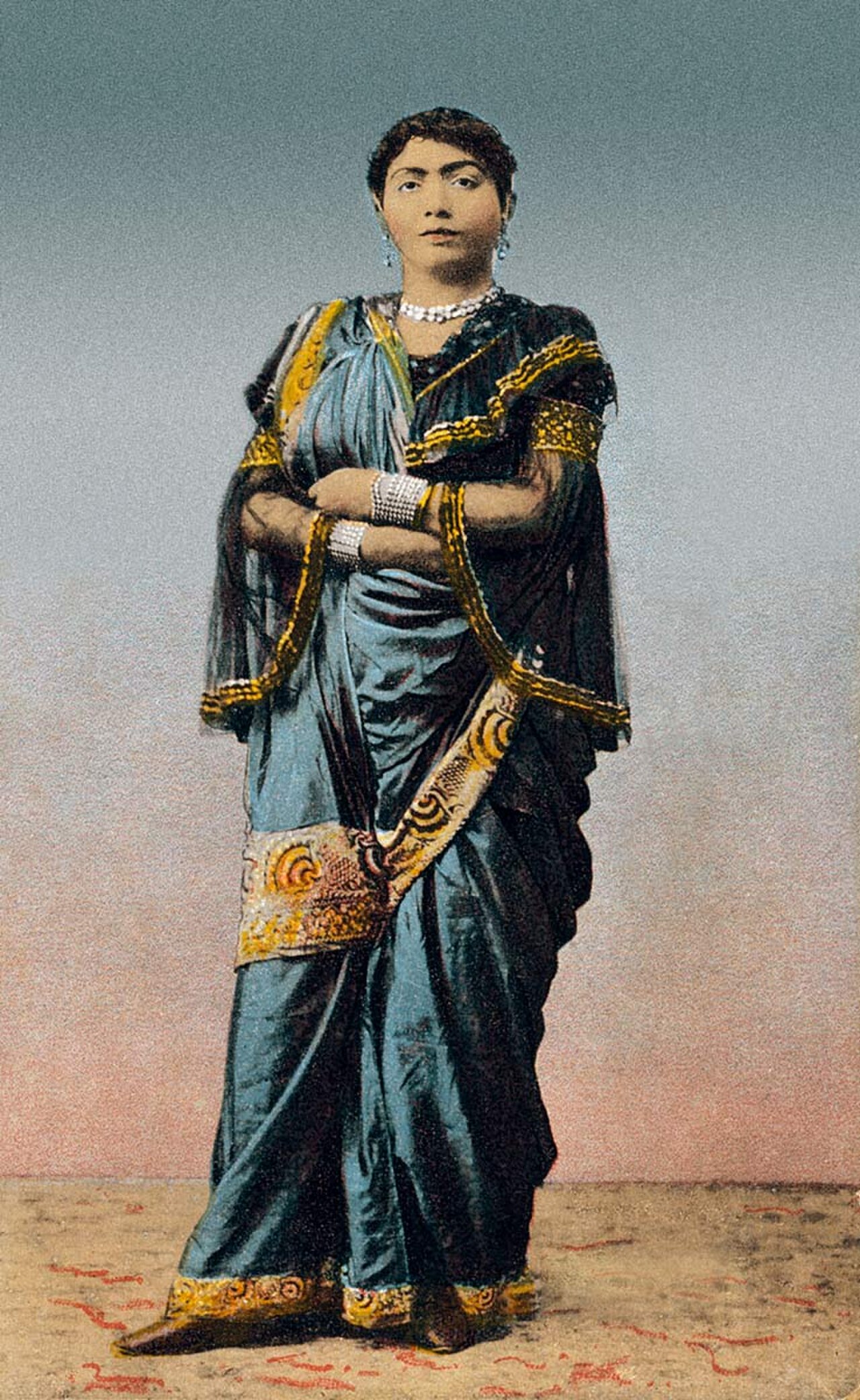
Cosmopolitanism vs. Nationalismगौहर जान के हवाई गीत जैसी क्रॉस-कल्चरल रिकॉर्डिंग की उपस्थिति मिस मुख्तार की देशभक्त ख़यालों जैसे राष्ट्रवादी संगीत के साथ मिलकर बीसवीं सदी की शुरुआत में भारतीय संस्कृति में एक तनाव को प्रकट करती है।
अंग्रेज़ी में पढ़ें · Read in English
The presence of cross-cultural recordings like Gauhar Jaan's Hawaiian song alongside nationalist music like Miss Mukhtar's patriotic khayals reveals a tension in early twentieth-century Indian culture. On one hand, the Swadeshi movement emphasized the need to valorize and preserve Indian cultural traditions. On the other hand, India's cosmopolitan elite were deeply engaged with Western culture, and many saw cultural exchange as a sign of sophistication rather than dilution.
This tension played out in the gramophone market. Some critics worried that recordings of Western music diluted Indian cultural purity. Others celebrated the cosmopolitanism of the gramophone catalog as evidence of India's cultural sophistication and openness. The gramophone, rather than resolving this tension, gave it a physical form: a recording collection that included both Swadeshi assertions of Indian identity and cosmopolitan experimentation with Western forms.
एक लचीली प्रामाणिकता
A Flexible Authenticityगौहर जान की हवाई गीत क्या सुझाती है यह है कि बीसवीं सदी की शुरुआत में भारत के पास सांस्कृतिक प्रामाणिकता की अधिक लचीली समझ थी जो बाद की राष्ट्रवादी विचारधाराएं अनुमति देंगी।
अंग्रेज़ी में पढ़ें · Read in English
What Gauhar Jaan's Hawaiian song suggests is that early twentieth-century India had a more flexible understanding of cultural authenticity than later nationalist ideologies would allow. Being authentically Indian didn't require rejecting Western forms entirely. A musician could record classical khayals on one day and Hawaiian songs on another. A listener could purchase both types of recordings. This flexibility would eventually be squeezed out — twentieth-century nationalism would increasingly demand a more rigid separation between "authentic" Indian traditions and "foreign" influences.
But in 1907, this cosmopolitan mixture was still possible. The gramophone market could accommodate both Abdul Karim Khan's revolutionary classicism and Gauhar Jaan's Hawaiian experimentation. Both could coexist, each representing different aspects of early twentieth-century Indian musical consciousness. The gramophone catalog, in this sense, was more honest than later histories would be — it documented not only the defensive preservation of Indian traditions but also the genuine cosmopolitan curiosity of Indian artists and audiences.
परिचय
IdentityEpithet
कैसे ग्रामोफोन दर्शकों और कलाकारों ने 1900 के दशक की शुरुआत में संगीतात्मक संलयन को अपनाया
How gramophone audiences and artists embraced musical fusion in the early 1900s
अन्य विवरण
More Details- गौहर जान · Gauhar Jaan
Key Figures
कहानी-नमूना
The Story Specimen| शीर्षक | पूर्व पश्चिम से मिलता है: गौहर जान का हवाई गीत और सांस्कृतिक प्रयोग · East Meets West: Gauhar Jaan's Hawaiian Song and Cross-Cultural Experimentation |
|---|---|
| श्रेणी | Cultural Context |
| प्रकार | Historical |
| प्रकाशित | 31 March 2026 — admin |
| वर्ष | 1907 |
और कहानियाँ
More Stories from the Atlas

साझा कीजिए · Share this Plate
यह पन्ना आगे बढ़ाइए
सवाल-जवाब
Questions & Answersगौहर जान जैसी शास्त्रीय गायिका ने पश्चिमी गीत क्यों रिकॉर्ड किया? · Why would a classical vocalist like Gauhar Jaan record a Western song?
गौहर जान ने अपने आप को केवल एक शास्त्रीय कलाकार नहीं, बल्कि एक सार्वभौमिक संगीतकार माना। कलकत्ते के उच्च वर्ग में पश्चिमी संगीत आम था, और उनके लिए इसमें दक्षता दिखाना प्रतिभा का विस्तार था, न कि पहचान का नुकसान।
Gauhar Jaan saw herself as a universal artist, not merely a classical specialist. Western music was common in Calcutta's elite circles, and demonstrating proficiency in it was an extension of artistry, not a loss of identity.
1907 में भारत में सांस्कृतिक मिश्रण को लेकर क्या तनाव था? · What cultural tension existed in India in 1907 around cross-cultural mixing?
स्वदेशी आंदोलन ने शुद्ध भारतीय परंपराओं को बनाए रखने पर जोर दिया, जबकि शहरी कुलीन वर्ग पश्चिमी संस्कृति से जुड़ा था। ग्रामोफोन कैटलॉग इस तनाव को दर्शाता था — उसमें देशभक्त खयाल और हवाईयन गीत दोनों थे।
The Swadeshi movement emphasised preserving pure Indian traditions while the urban elite engaged with Western culture. The gramophone catalogue reflected this tension — containing both patriotic khayals and Hawaiian songs side by side.