कहानियाँ विंग · कहानी · Cultural Context · 1904
मोम पर ऋतु संगीत — कैसे चैती और वसंत गीत बीसवीं सदी में जीवित रहे
Seasonal Melodies on Wax — How Chaiti and Spring Songs Survived the 20th Century
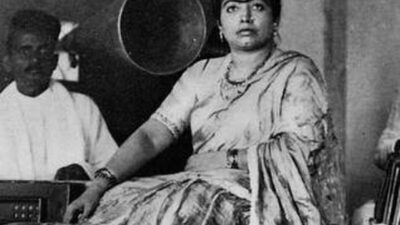
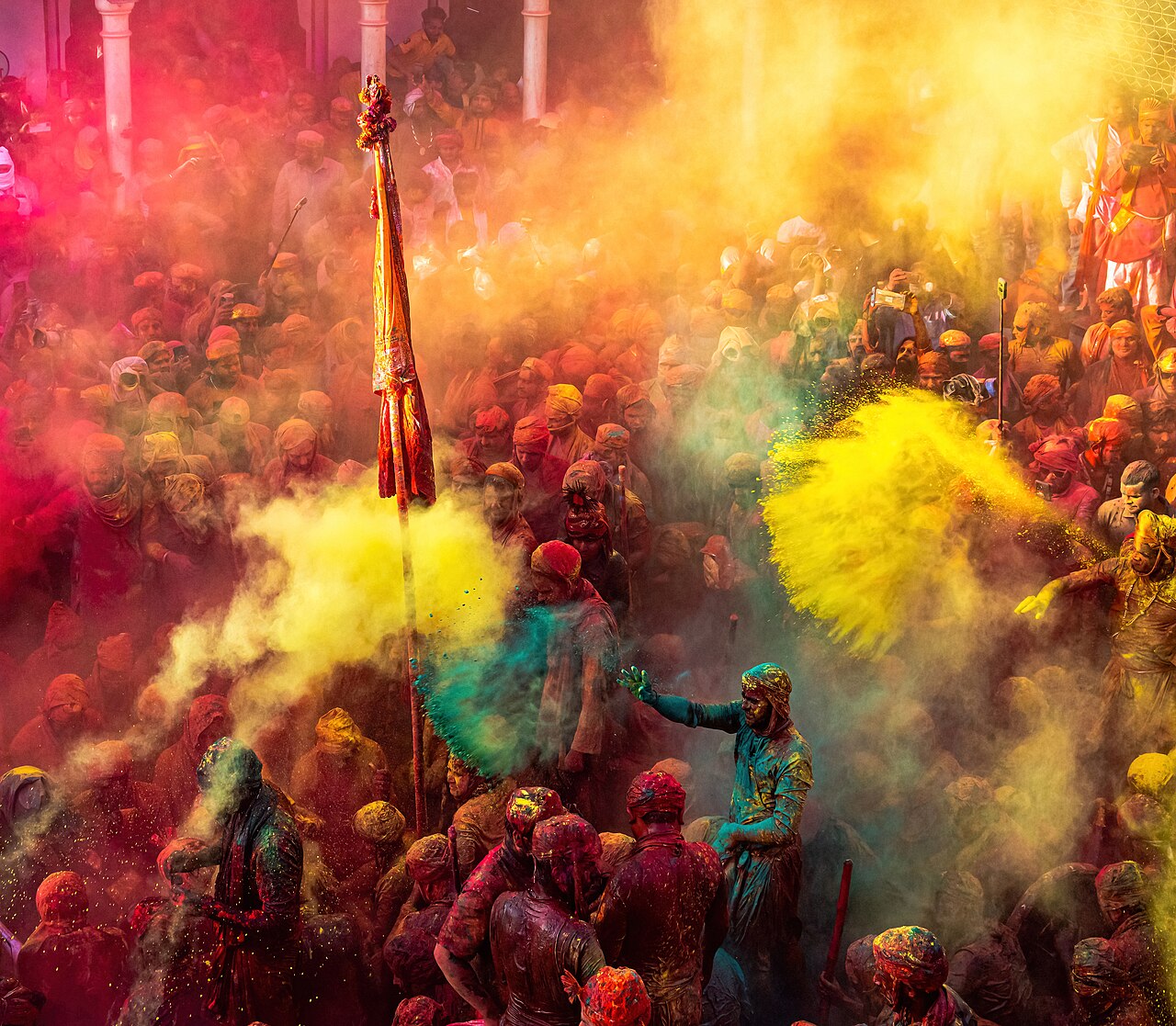
1904 में, गौहर जान ने 'फागुन के दिन' रिकॉर्ड किया, एक चैती जो वसंत के आगमन का जश्न मनाती है। इस रिकॉर्डिंग ने केवल एक एकल राग को संरक्षित नहीं किया, बल्कि ऋतु संगीत की एक संपूर्ण परंपरा को संरक्षित किया जो सदियों पहले ग्रामीण उत्तर भारत और होली के गाँव उत्सवों में वापस जाती है।
प्रकाशित31 March 2026 पाठ८ मिनट का पाठ
आमुख
ऋतुओं की गाँव की लय
The Village Rhythm of the Seasonsउत्तर भारत के गाँवों में, संगीत हमेशा कृषि कैलेंडर और ऋतुओं के परिवर्तन से जुड़ा हुआ है। जब गेहूँ की कटाई निकट आती है, तो कुछ गीत गाए जाते हैं। जब मानसून की बारिश आती है, तो विभिन्न मधुर हवा भरते हैं। जब वसंत आम और गेंदे के सुगंधित फूलों के साथ आता है, तो महिलाएँ आँगन में एकत्रित होती हैं और चैती गाती हैं — उत्सव और छेड़छाड़ के गीत जो स्वयं भूमि जितने पुराने हैं। 'चैती' शब्द 'चैत्र' से आता है — हिंदू कैलेंडर का महीना जो मोटे तौर पर मार्च-अप्रैल के अनुरूप है। लेकिन चैती गीतों की जड़ें और भी पुरानी हैं, संभवतः हिंदू कैलेंडर प्रणाली से भी पहले की। वे भारतीय लोक संस्कृति की एक गहरी परत से उभरते हैं जहाँ संगीत और ऋतु उर्वरता अविभाज्य हैं। चैती को महिलाओं द्वारा, आमतौर पर समूह में, ताली बजाते और लयबद्ध रूप से लहराते हुए गाया जाता है। गीत अक्सर छेड़छाड़ करते हैं, भक्ति विषयों को पार्थिव आनंद के साथ मिलाते हैं। मधुर आमतौर पर वसंत ऋतु के अनुकूल एक राग में होता है — मल्कौन्स, पहाड़ी, या काफ़ी जैसे राग — विशेष मिठास और गर्माहट वाले राग। सदियों के लिए, चैती केवल मौखिक परंपरा में रहे। माँ ने अपनी बेटी को सिखाया। दादी ने अपनी पोती को सिखाया। गीत अनगिनत पीढ़ियों से गुज़रे, समय और स्थान के साथ थोड़ा बदलते हुए, लेकिन हमेशा अपने आवश्यक वसंत स्वाद को बनाए रखते हुए। लेकिन मौखिक परंपरा नाज़ुक है। एक युद्ध, एक अकाल, एक विस्थापन — ये संचरण की श्रृंखला को तोड़ सकते हैं। 19वीं सदी के अंत तक, कई चैती खो गई थीं। अन्य फीके पड़ गई थीं, जिन्हें केवल गाँवों की सबसे बुज़ुर्ग महिलाओं द्वारा याद किया जाता था।
अंग्रेज़ी में पढ़ें · Read in English
In the villages of North India, music has always been tied to the agricultural calendar and the turning of the seasons. When the wheat harvest approaches, certain songs are sung. When the monsoon rains come, different melodies fill the air. When spring arrives with the fragrant flowers of the mango and marigold, women gather in courtyards and sing chaitis — songs of celebration and flirtation that are as old as the land itself.
The word 'chaiti' comes from 'Chaitra' — the Hindu calendar month corresponding roughly to March-April. But chaiti songs themselves have even older roots, possibly predating the Hindu calendar system itself. They emerge from a deep layer of Indian folk culture where music and seasonal fertility are inseparable. A chaiti is sung by women, usually in groups, with hand clapping and rhythmic swaying. The lyrics often tease and flirt, mixing devotional themes with earthly joy. The melody is typically in a raga suited to the spring season — ragas like Malkauns, Pahadi, or Kafi — ragas with a particular sweetness and warmth.
For centuries, chaitis lived only in the oral tradition. A mother taught her daughter. A grandmother taught her granddaughter. The songs passed through countless generations, changing slightly with time and place, but always retaining their essential spring flavor. But oral tradition is fragile. A war, a famine, a displacement — these can break the chain of transmission. By the late 19th century, many chaitis had been lost. Others were fading, remembered only by the oldest women in the villages.
1900 के दशक की शुरुआत में संकटग्रस्त परंपरा
The Endangered Tradition in the Early 1900sबीसवीं सदी के मोड़ पर, चैती परंपरा संकट में थी। ब्रिटिश औपनिवेशिक काल ने ग्रामीण भारतीय जीवन के कई पहलुओं को बाधित किया था। युवा महिलाओं को अपनी माताओं से गीत सीखने के बजाय औपनिवेशिक स्कूलों में शिक्षा दी जा रही थी। शहरों में प्रवास लोगों को मौसमी त्योहारों से दूर ले जा रहा था। पुराने आँगन गायन सत्र दुर्लभ हो रहे थे। रेडियो अभी तक मौजूद नहीं था, इसलिए इन गीतों को संरक्षित करने का कोई तकनीकी साधन नहीं था। यदि परंपरा मर गई, तो वह पूरी तरह से गायब हो जाएगी। इसी संदर्भ में, भारतीय लोक रूपों में ग्रामोफ़ोन कंपनी की रुचि अप्रत्याशित रूप से मूल्यवान हो गई। संगीत सामग्री दस्तावेज़ करने के लिए अन्वेषण करने वाले रिकॉर्डिंग एजेंटों ने चैती के बारे में सुना। उन्होंने उन गायकों को खोजा जो अभी भी उन्हें जानते थे। गौहर जान, एक प्रसिद्ध तवायफ़ और ख़याल विशेषज्ञ होने के बावजूद, अपने व्यापक शास्त्रीय प्रशिक्षण के भाग के रूप में चैती सीखे थे। उस युग के कई प्रशिक्षित शास्त्रीय गायकों को लोक रूपों का ज्ञान था — 'शास्त्रीय' और 'लोक' के बीच की सीमा बाद में जो हुई उससे कहीं अधिक छिद्रपूर्ण थी। जब गौहर जान को चैती रिकॉर्ड करने के लिए संपर्क किया गया, तो उन्होंने एक अवसर देखा। यह अपनी सांस्कृतिक विरासत के एक टुकड़े को अमर बनाने का मौका था, वसंत का एक गीत जो उनकी माँ या दादी ने शायद सिखाया हो। उन्होंने जो गीत चुना — 'फ़ागुन के दिन' (वसंत के दिन) — मल्कौन्स राग में निर्धारित है और फ़ागुन (हिंदू कैलेंडर में वसंत महीना) के आगमन का जश्न मनाता है, प्रिय को खिलवाड़ से छेड़ते हुए और मौसम के फूलों और रंगों पर आनंद।
अंग्रेज़ी में पढ़ें · Read in English
By the turn of the 20th century, the chaiti tradition was in crisis. The British colonial period had disrupted many aspects of rural Indian life. Young women were being educated in colonial schools instead of learning songs from their mothers. Migration to cities was pulling people away from seasonal festivals. The old courtyard singing sessions were becoming rarer. Radio didn't exist yet, so there was no technological means of preserving these songs. If the tradition died, it would disappear completely.
It was in this context that the Gramophone Company's interest in Indian folk forms became unexpectedly valuable. Recording agents searching for musical material to document heard about chaitis. They sought out singers who still knew them. Gauhar Jaan, despite being a celebrated courtesan and khayal specialist, had learned chaitis as part of her comprehensive classical training. Many trained classical singers of that era knew folk forms — the boundary between 'classical' and 'folk' was much more porous than it would later become.
When Gauhar Jaan was approached to record a chaiti, she saw an opportunity. Here was a chance to immortalize a piece of her own cultural heritage, a song of spring that her own mother or grandmother might have taught her. The song she chose — 'Fagun Ke Din' (The Days of Spring) — is set in Malkauns raag and celebrates the arrival of Phaggun (the spring month in the Hindu calendar), with playful teasing of the beloved and joy at the flowers and colors of the season.
1904 की रिकॉर्डिंग सत्र
The 1904 Recording Sessionरिकॉर्डिंग सत्र जहाँ गौहर जान ने 'फ़ागुन के दिन' गाया, 1904 के अंत में हुआ, उसी अवधि में जब विलियम सिंकलर डार्बी अन्य गायकों और वाद्य यंत्र वादकों को रिकॉर्ड कर रहे थे। सत्र संक्षिप्त था — रिकॉर्डिंग समय महँगा था, और चैती को एक ही मोम डिस्क में फिट होना था, जिसका मतलब लगभग 3-4 मिनट का प्रदर्शन था। गौहर जान की चैती के प्रति दृष्टिकोण दिलचस्प था। उन्होंने आवश्यक लोक मधुर और संरचना को बनाए रखा, लेकिन उनकी प्रस्तुति उनके शास्त्रीय प्रशिक्षण द्वारा उत्थानित थी। उनकी आवाज़ राग मल्कौन्स के माध्यम से एक प्रशिक्षित ख़याल गायक के परिष्कार के साथ चली, आभूषण और सूक्ष्मटोन झुकाव जोड़ते हुए जो एक गाँव की गायिका उपयोग नहीं कर सकती। फिर भी उन्होंने चैती रूप के लिए आवश्यक खिलवाड़ पूर्ण, छेड़छाड़ करने वाली गुणवत्ता को बनाए रखा। आप उनकी आवाज़ में वसंत का आनंद, सौम्य शिकायत से युक्त स्नेह, ऋतु का उत्सव सुन सकते हैं। 'फ़ागुन के दिन' के गीत सरल और प्रत्यक्ष हैं: फ़ागुन का आगमन फूल लाता है, प्रिय को उनकी दूरी के लिए छेड़ा जाता है, गायक अपने दोस्तों और परिवार के साथ जश्न मनाता है। लेकिन इन सरल शब्दों के भीतर एक विश्वदृष्टि एम्बेडेड है — एक जहाँ मानवीय संबंध और प्राकृतिक ऋतुएँ अविभाज्य हैं, जहाँ रोमांटिक प्रेम और भक्ति प्रेम एक ही गीत में मौजूद हो सकते हैं, जहाँ एक महिला शर्म के बिना इच्छा और आनंद व्यक्त कर सकती है। जब मोम डिस्क को प्रेस किया गया, तो 'फ़ागुन के दिन' का यह संस्करण समय में जमा हो गया। यह अब एक जीवंत, परिवर्तनशील मौखिक परंपरा नहीं थी जो प्रत्येक प्रदर्शन के साथ अनुकूलित होती थी। यह एक रिकॉर्ड की गई कलाकृति थी — गौहर जान की विशेष व्याख्या हमेशा के लिए संरक्षित।
अंग्रेज़ी में पढ़ें · Read in English
The recording session where Gauhar Jaan sang 'Fagun Ke Din' took place in late 1904, during the same period when William Sinkler Darby was recording other singers and instrumentalists. The session was brief — recording time was expensive, and the chaiti needed to fit into a single wax disc, which meant a performance of approximately 3-4 minutes.
Gauhar Jaan's approach to the chaiti was interesting. She maintained the essential folk melody and structure, but her rendition was elevated by her classical training. Her voice moved through the raga Malkauns with the sophistication of a trained khayal singer, adding ornamentations and microtonal bends that a village singer might not use. Yet she also maintained the playful, teasing quality that is essential to the chaiti form. You can hear in her voice the joy of spring, the affection tinged with mild complaint, the celebration of the season.
The lyrics of 'Fagun Ke Din' are simple and direct: the arrival of Phaggun brings flowers, the beloved is teased for their distance, the singer celebrates with her friends and family. But within these simple words is embedded a worldview — one where human relationships and natural seasons are inseparable, where romantic love and devotional love can exist in the same song, where a woman can express desire and joy without shame.
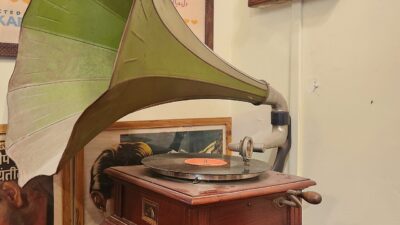
When the wax disc was pressed, this version of 'Fagun Ke Din' became fixed in time. It was no longer a living, changing oral tradition that adapted with each performance. It was a recorded artifact — Gauhar Jaan's particular interpretation preserved forever.
ग्रामीण जीवन में एक खिड़की
A Window into Rural Lifeगौहर जान की 1904 की 'फ़ागुन के दिन' की रिकॉर्डिंग को ऐतिहासिक रूप से महत्वपूर्ण बनाता है कि यह तीव्र परिवर्तन के एक क्षण में ग्रामीण भारतीय संस्कृति का एक स्नैपशॉट संरक्षित करता है। गीत स्वयं सदियों पहले का है, लेकिन गौहर जान की इसकी प्रस्तुति — कैप्चर करते हुए कि उनकी पीढ़ी की एक प्रशिक्षित शास्त्रीय गायक ने लोक रूप को कैसे समझा और उत्थानित किया — हमें इस बात की अंतर्दृष्टि देता है कि परंपरा को 1900 के दशक की शुरुआत में कैसे संचारित और रूपांतरित किया जा रहा था। इसके अलावा, इस रिकॉर्डिंग की मौजूदगी सांस्कृतिक रूप से सुरक्षात्मक साबित हुई। जैसे-जैसे बीसवीं सदी आगे बढ़ी और शहरीकरण, रेडियो, और अंततः टेलीविज़न के कारण गाँव गायन परंपराएँ कम हुईं, चैती पूरी तरह से खो नहीं गई। गायक और संगीत विद्वान गौहर जान की 1904 की रिकॉर्डिंग को इस बात के प्रमाण के रूप में संदर्भित कर सकते थे कि गीत मौजूद था, कि यह वैध शास्त्रीय परंपरा का हिस्सा था, कि यह संरक्षण और सीखने के लायक था। 1960 और 1970 के दशक में, भारतीय लोक संगीत में नवीनीकृत रुचि की अवधि के दौरान, संगीतकार गौहर जान की 'फ़ागुन के दिन' की रिकॉर्डिंग का अध्ययन कर सकते थे और इसे पुनरुद्धार के लिए आधार के रूप में उपयोग कर सकते थे। कुछ ने उनकी शास्त्रीय व्याख्या को अपनाया। अन्य ने उनके आभूषणों को हटा दिया और सरल लोक संस्करणों पर वापस गए। लेकिन मोम डिस्क ने एक सामान्य संदर्भ बिंदु बनाया था। प्रत्येक बाद में प्रदर्शन को गौहर जान के 1904 संस्करण के जवाब में, या कम से कम इसके बारे में जागरूक होना पड़ता था। यह रिकॉर्डेड संगीत के विरोधाभासों में से एक है: एक प्रदर्शन को समय में जमा करने की कार्रवाई — इसकी जीवंत, परिवर्तनशील गुणवत्ता को हटाना — वास्तव में परंपरा को जीवित रहने और विकसित होने में सक्षम बनाया। उस मोम डिस्क के बिना, 'फ़ागुन के दिन' इतिहास में खोई हुई एक और लोक गीत हो सकती थी।
अंग्रेज़ी में पढ़ें · Read in English
What makes Gauhar Jaan's 1904 recording of 'Fagun Ke Din' historically significant is that it preserves a snapshot of rural Indian culture at a moment of rapid change. The song itself dates back centuries, but Gauhar Jaan's rendering of it — capturing how a trained classical singer of her generation understood and elevated the folk form — gives us insight into how tradition was being transmitted and transformed in the early 1900s.
Moreover, the existence of this recording proved to be culturally protective. As the 20th century progressed and village singing traditions declined due to urbanization, radio, and eventually television, the chaiti was not lost entirely. Singers and music scholars could refer back to Gauhar Jaan's 1904 recording as evidence that the song existed, that it was part of legitimate classical tradition, that it was worth preserving and learning.
In the 1960s and 1970s, during a period of renewed interest in Indian folk music, musicians could study Gauhar Jaan's recording of 'Fagun Ke Din' and use it as a basis for revival. Some adopted her classical interpretation. Others stripped away her ornamentations and returned to simpler folk versions. But the wax disc had created a common reference point. Every later performance had to respond to, or at least be aware of, Gauhar Jaan's 1904 version.
This is one of the paradoxes of recorded music: the act of fixing a performance in time — removing its living, changing quality — actually enabled the tradition to survive and evolve. Without that wax disc, 'Fagun Ke Din' might have been one more folk song lost to history.
आधुनिक समय में चैती का मौसमी पुनरुद्धार
The Seasonal Revival of Chaiti in Modern Timesआज, 'फ़ागुन के दिन' और अन्य चैतियाँ शास्त्रीय मुखर प्रदर्शनों का हिस्सा रहती हैं, छात्रों को सिखाई जाती हैं और संगीत समारोहों में प्रदर्शित होती हैं। लेकिन वे अपने मूल गाँव के संदर्भ में भी पुनः जीवंत हो रहे हैं। उत्तर भारतीय गाँवों में, वसंत त्योहार के मौसम के दौरान, महिलाएँ फिर से चैतियाँ गाने के लिए एकत्रित होती हैं — कभी-कभी जो संस्करण वे अपनी दादियों से सीखे, कभी-कभी जो संस्करण वे रिकॉर्डिंग से सीखे। मौखिक परंपरा और रिकॉर्डेड परंपरा का यह मिश्रण पूरी तरह से आधुनिक है। एक गाँव की लड़की अपनी दादी से 'फ़ागुन के दिन' सीख सकती है, लेकिन वह यूट्यूब पर गौहर जान के संस्करण को सुन सकती है और इसके तत्वों को अपने स्वयं के प्रदर्शन में शामिल कर सकती है। जीवंत परंपरा और निश्चित रिकॉर्डिंग संवाद में मौजूद हैं। जब आप आज गौहर जान की 1904 की 'फ़ागुन के दिन' की रिकॉर्डिंग सुनते हैं, तो आप एक महिला की आवाज़ सुन रहे हैं जो 120 साल से अधिक पहले रहती थी, एक महिला जिसका जीवन देर से विक्टोरियन औपनिवेशिकता, मुगल-युग की परंपराओं, और यांत्रिक रिकॉर्डिंग के प्रारंभिक दिनों द्वारा आकार दिया गया था। फिर भी उनकी आवाज़ कुछ ऐसी है जो उन ऐतिहासिक विशिष्टताओं को पार करती है: वसंत का आनंद, युवा महिलाओं के खिलवाड़ ने एक साथ उत्सव मनाया, भारतीय संस्कृति की गहरी जड़ें ऋतुओं के मोड़ और मानव जीवन के चक्रों में। मोम डिस्क जिसने उस क्षण में उनकी आवाज़ को पकड़ा, सदियों के बीच एक पुल बन गया है, एक परंपरा को जीवंत रखता है जो आधुनिक परिवर्तन की भीड़ में अन्यथा गायब हो सकती थी।
अंग्रेज़ी में पढ़ें · Read in English
Today, 'Fagun Ke Din' and other chaitis remain part of the classical vocal repertoire, taught to students and performed at concerts. But they are also being revived in their original village context. In North Indian villages, during the spring festival season, women once again gather to sing chaitis — sometimes the versions they learned from their grandmothers, sometimes versions they learned from recordings.
This blending of oral tradition and recorded tradition is entirely modern. A village girl might learn 'Fagun Ke Din' from her grandmother, but she might also hear Gauhar Jaan's version on YouTube and incorporate elements of it into her own performance. The living tradition and the fixed recording exist in dialogue.
When you listen to Gauhar Jaan's 1904 recording of 'Fagun Ke Din' today, you are hearing the voice of a woman who lived over 120 years ago, a woman whose life was shaped by late Victorian colonialism, Mughal-era traditions, and the early days of mechanical recording. Yet her voice carries something that transcends those historical particulars: the joy of spring, the playfulness of young women celebrating together, the deep roots of Indian culture in the turning of seasons and the cycles of human life. The wax disc that captured her voice in that moment has become a bridge between centuries, keeping alive a tradition that might otherwise have disappeared in the rush of modern change.
परिचय
IdentityEpithet
1904 में, गौहर जान ने 'फागुन के दिन' रिकॉर्ड किया, एक चैती जो वसंत के आगमन का जश्न मनाती है। इस रिकॉर्डिंग ने केवल एक एकल राग को संरक्षित नहीं किया, बल्कि ऋतु संगीत की एक संपूर्ण परंपरा को संरक्षित किया जो सदियों पहले ग्रामीण उत्तर भारत और होली के गाँव उत्सवों में वापस जाती है।
In 1904, Gauhar Jaan recorded 'Fagun Ke Din,' a chaiti celebrating the arrival of spring. This recording preserved not just a single melody, but an entire tradition of seasonal singing that dates back centuries to rural North India and the village festivals of Holi.
कहानी-नमूना
The Story Specimen| शीर्षक | मोम पर ऋतु संगीत — कैसे चैती और वसंत गीत बीसवीं सदी में जीवित रहे · Seasonal Melodies on Wax — How Chaiti and Spring Songs Survived the 20th Century |
|---|---|
| श्रेणी | Cultural Context |
| प्रकार | विशेष लेख |
| पाठ-समय | ८ मिनट का पाठ |
| प्रकाशित | 31 March 2026 — admin |
| वर्ष | 1904 |
| टैग | chaiti · seasonal_music · folk_tradition · holi · spring_festival · gauhar_jaan · 1904 · rural_music · devotional_folk |
इस कहानी में
In This Story · The Cast & Its Platesकहानी में आए नामों के अटलस में अपने पन्ने हैं — यहीं से यात्रा जारी रखिए।
राग-सूत्र · Raags
और कहानियाँ
More Stories from the Atlas

साझा कीजिए · Share this Plate