कहानियाँ विंग · कहानी · Industry · 1904
प्रतियोगिता आती है — निकोल रेकॉर्ड्स ग्रामोफ़ोन एकाधिकार को चुनौती देते हैं
The Competition Arrives — Nicole Records Challenges the Gramophone Monopoly
1904 में, भारत में ब्रिटिश ग्रामोफ़ोन कंपनी के प्रभुत्व को पहली बार वास्तविक चुनौती का सामना करना पड़ा। निकोल रेकॉर्ड्स, एक फ्रांसीसी प्रतियोगी, एक सरल, सस्ती तकनीक के साथ भारतीय बाज़ार में प्रवेश किया जो रिकॉर्ड किए गए संगीत को लोकतांत्रिक बनाएगा।
प्रकाशित31 March 2026 पाठ९ मिनट का पाठ
आमुख
ग्रामोफ़ोन एकाधिकार और उसकी कमज़ोरियाँ
The Gramophone Monopoly and Its Vulnerabilitiesबीस वर्षों में, ग्रामोफ़ोन कंपनी विश्व के संगीत बाज़ार में एक अभेद्य स्थिति बना चुकी थी। इसकी मोम के सिलेंडर और डिस्क रिकॉर्डिंग तकनीक अत्याधुनिक थी। इसका रिकॉर्डिंग का संग्रह विशाल था। यूरोप और एशिया भर में इसका वितरण नेटवर्क परिष्कृत था। यह कंपनी रिकॉर्डेड संगीत के बाज़ार को हमेशा के लिए अपने कब्ज़े में रखने में कामयाब प्रतीत हो रही थी। फिर भी, ग्रामोफ़ोन कंपनी का प्रभुत्व नींव पर बना था जो दिखने से कहीं अधिक कमज़ोर थी। पहला, तकनीक महँगी थी। मोम के डिस्क रिकॉर्ड करने और प्रेस करने के लिए आवश्यक उपकरण छोटे उद्यमियों की पहुँच से परे था। दूसरा, कंपनी का व्यावसायिक मॉडल केंद्रीभूत था: रिकॉर्डिंग सत्र प्रमुख शहरों में अनुबंधित कलाकारों के साथ होते थे, और फिर डिस्क विश्वभर की दुकानों में वितरित की जाती थीं। इसका मतलब था कि स्थानीय या क्षेत्रीय संगीत को पकड़ने के अवसर सीमित थे। तीसरा, भारत में कंपनी का रणनीतिक ध्यान अत्यधिक मात्रा में मुखर संगीत पर केंद्रित था — विशेष रूप से प्रसिद्ध तवायफ़ों और दरबारी गायकों की आवाज़ें। वाद्य संगीत, लोक परंपराएँ, और भक्ति संगीत की रिकॉर्डिंग केवल कभी-कभी की जाती थी। यह वह अवसर था जिसे निकोल रिकॉर्ड्स ने ग्रहण किया।
अंग्रेज़ी में पढ़ें · Read in English
By the early 1900s, the Gramophone Company had spent two decades building an unassailable position in the world's music market. Its wax cylinder and disc recording technology was state-of-the-art. Its catalog of recordings was vast. Its distribution network across Europe and Asia was sophisticated. The company seemed to have cornered the market on recorded music permanently.
Yet the Gramophone Company's dominance was built on foundations that were shakier than they appeared. First, the technology was expensive. The equipment required to record and press wax discs was beyond the reach of smaller entrepreneurs. Second, the company's business model was centralized: recording sessions happened in major cities with contracted artists, and then the discs were distributed to shops worldwide. This meant that opportunities to capture local or regional music were limited. Third, the company's strategic focus in India had been overwhelmingly on vocal music — particularly the voices of celebrated tawaifs and court singers. Instrumental music, folk traditions, and devotional music were recorded only sporadically.
This was the opening that Nicole Records would exploit.
निकोल — फ्रांसीसी नवआगंतुक
Nicole — The French Upstartनिकोल रिकॉर्ड्स 1890 के दशक में फ्रांस में हेनरी और लिओन निकोल द्वारा स्थापित किया गया था, दो भाइयों जिन्होंने वैकल्पिक रिकॉर्डिंग तकनीक के साथ प्रयोग किया था। ग्रामोफ़ोन कंपनी के जटिल मोम सिलेंडर उपकरण के बजाय, निकोल ने एक सरल प्रक्रिया विकसित की। उनका नवाचार तकनीकी गुणवत्ता में आवश्यक रूप से बेहतर नहीं था — वास्तव में, निकोल डिस्क अक्सर ग्रामोफ़ोन कंपनी की रिकॉर्डिंग की तुलना में अधिक सतह शोर रखती थीं — लेकिन वे नाटकीय रूप से सस्ते थे उत्पादन के लिए। यह लागत लाभ सब कुछ बदल गया। निकोल भाइयों ने एक महत्वपूर्ण बाज़ार अंतर्दृष्टि देखी: यूरोप और एशिया भर में सैकड़ों संगीतकार थे जिन्हें ग्रामोफ़ोन कंपनी कभी रिकॉर्ड नहीं करेगी क्योंकि वे प्रसिद्ध या फैशनेबल नहीं थे। ये क्षेत्रीय संगीतकार, परंपरागत प्रदर्शनकारी, लोक गायक, और कम ज्ञात वाद्य यंत्र वादक थे। निकोल रिकॉर्ड्स का व्यावसायिक मॉडल उन्हें सस्ते में रिकॉर्ड करना और उनके स्थानीय प्रशंसकों को रिकॉर्ड बेचकर लाभ कमाना था। जब निकोल रिकॉर्ड्स ने 1904 में भारत में संचालन स्थापित किया, तो कंपनी ने पोर्टेबल रिकॉर्डिंग उपकरण के साथ देश भर के शहरों में एजेंट भेजे। उनका दृष्टिकोण उद्यमशील और अवसरवादी था। एक संगीतकार को विश्व प्रसिद्ध होने की आवश्यकता नहीं थी रिकॉर्ड किए जाने के लिए; उन्हें केवल अपनी आवाज़ को संरक्षित करने की चाह थी। यह रिकॉर्डिंग प्रक्रिया का एक क्रांतिकारी लोकतांत्रिकरण था।
अंग्रेज़ी में पढ़ें · Read in English
Nicole Records was founded in France in the 1890s by Henri and Léon Nicole, two brothers who had experimented with an alternative recording technology. Rather than the Gramophone Company's complex wax cylinder apparatus, Nicole developed a simpler process. Their innovation was not necessarily superior in technical quality — in fact, Nicole discs often had more surface noise than Gramophone Company recordings — but they were dramatically cheaper to produce. This cost advantage made all the difference.
The Nicole brothers had observed a crucial market insight: there were hundreds of musicians across Europe and Asia who would never be recorded by the Gramophone Company because they weren't famous or fashionable enough. These were regional musicians, traditional performers, folk singers, and lesser-known instrumentalists. The Nicole Records business model was to record them cheaply and profit from selling records to their local fan bases.
When Nicole Records established operations in India in 1904, the company sent agents to cities across the country with portable recording equipment. Their approach was entrepreneurial and opportunistic. A musician didn't need to be world-famous to get recorded; they just needed to want their voice preserved. This was a revolutionary democratization of the recording process.
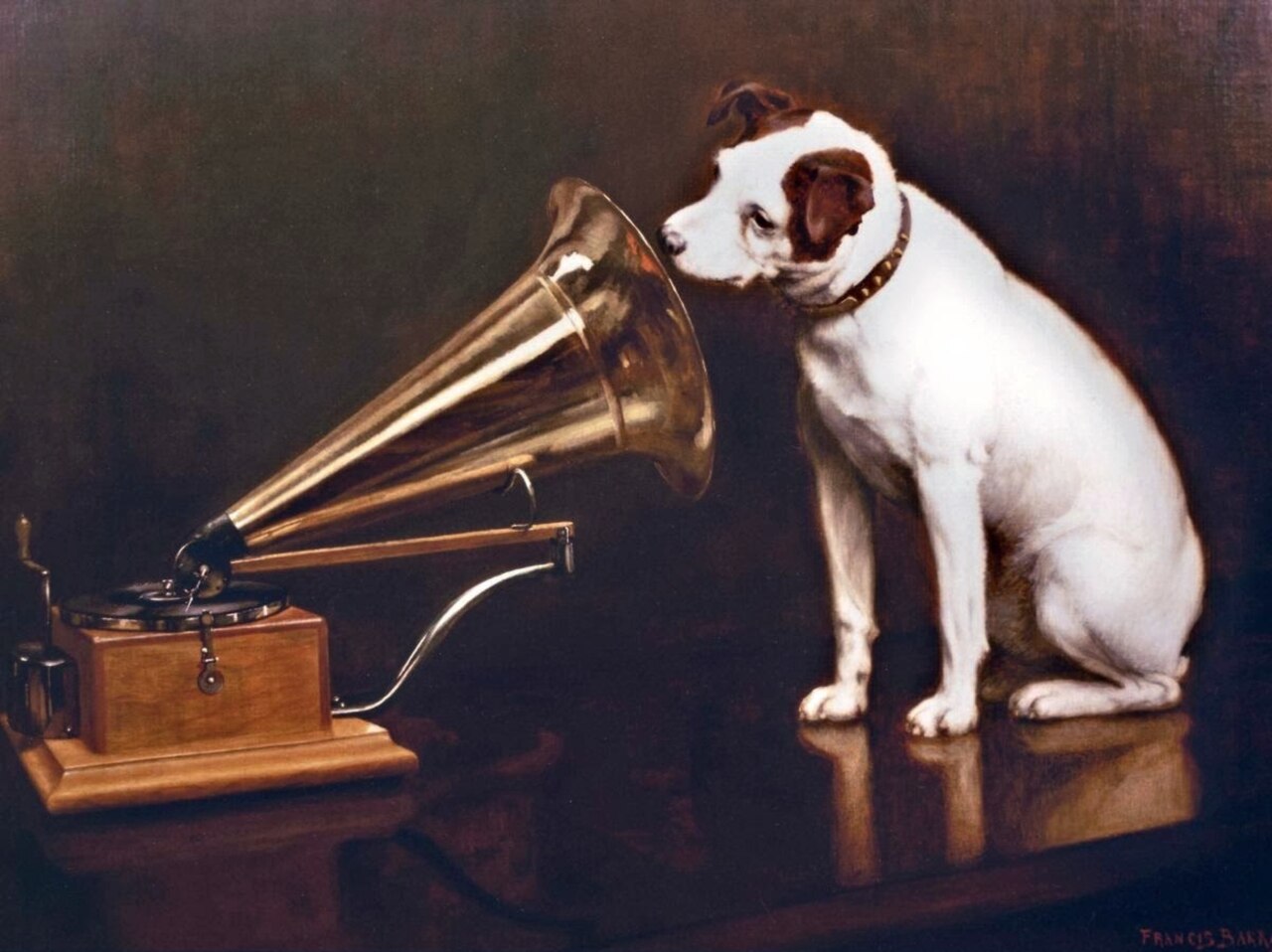
भारतीय संगीतकारों को दर्ज करने की दौड़
The Race to Document India's Musicians1904 तक, ग्रामोफ़ोन कंपनी ने शायद 200-300 भारतीय संगीतकारों को रिकॉर्ड किया था, अधिकांशतः कलकत्ता, बॉम्बे, और मद्रास जैसे प्रमुख शहरी केंद्रों में केंद्रित। ये रिकॉर्डिंग भारी रूप से पहले से प्रसिद्ध कलाकारों की ओर झुकी हुई थीं — गौहर जान और जंकी बाई जैसी संगीत दुनिया की शख्सियतें। लेकिन हज़ारों अन्य कुशल संगीतकार थे: रियासतों में दरबारी संगीतकार, छोटे कस्बों में गाँव के संगीतकार, मंदिरों और मज़ारों में भक्ति गायक, लोक प्रदर्शनकारी, और स्व-शिक्षित वाद्य यंत्र वादक। निकोल रिकॉर्ड्स का भारत में प्रवेश समीकरण को बदल गया। अचानक, उन संगीतकारों के पास जिनके पास ग्रामोफ़ोन कंपनी द्वारा रिकॉर्ड किए जाने का कोई मौका नहीं था, निकोल एजेंट के पास अपने संगीत के साथ आने की संभावना थी। 1905-1906 तक, निकोल रिकॉर्ड्स भारतीय संगीतकारों को ग्रामोफ़ोन कंपनी की तुलना में तेज़ी से रिकॉर्ड कर रहा था। कुछ शहरों में, प्रतिस्पर्धी रिकॉर्डिंग सत्र थे — एक ग्रामोफ़ोन एजेंट द्वारा और एक निकोल एजेंट द्वारा, दोनों स्थानीय संगीत प्रतिभा को दस्तावेज़ करने की कोशिश कर रहे थे। इस प्रतिस्पर्धा ने भारतीय संगीत के संरक्षण को तेज़ किया। जहाँ ग्रामोफ़ोन कंपनी ने 1904 में गौहर जान को छह बार रिकॉर्ड किया, निकोल रिकॉर्ड्स एक ही शहर में तीन अलग-अलग स्थानीय गायकों को रिकॉर्ड कर सकता था। कंपनी के भारतीय रिकॉर्डिंग का संग्रह विस्फोटक गति से बढ़ा। हालाँकि निकोल की सभी रिकॉर्डिंग आज तक जीवित नहीं हैं, कई ऐसी हैं — और वे भारत के संगीत परिदृश्य की आवाज़ का प्रतिनिधित्व करते हैं जिसे ग्रामोफ़ोन कंपनी कभी अपने दम पर पकड़ नहीं सकी होगी।
अंग्रेज़ी में पढ़ें · Read in English
By 1904, the Gramophone Company had recorded perhaps 200-300 Indian musicians, mostly concentrated in major urban centers like Calcutta, Bombay, and Madras. These recordings tilted heavily toward already-famous artists — the Gauhar Jaans and Janki Bais of the musical world. But there were thousands of other skilled musicians: court musicians in princely states, village musicians in small towns, devotional singers in temples and shrines, folk performers, and self-taught instrumentalists.
Nicole Records' entry into India changed the equation. Suddenly, musicians who had no chance of being recorded by the Gramophone Company could approach a Nicole agent with their music. By 1905-1906, Nicole Records was recording Indian musicians at a faster rate than the Gramophone Company. In some cities, there were competing recording sessions — one by Gramophone agents and one by Nicole agents, both seeking to document the local musical talent.
This competition accelerated the preservation of Indian music. Where the Gramophone Company recorded Gauhar Jaan six times in 1904, Nicole Records might record three different local singers in the same city. The company's catalog of Indian recordings grew explosively. While not every Nicole recording survives today, many do — and they represent the voice of India's musical landscape that the Gramophone Company would never have captured on its own.
एक मधुर-कड़वी विरासत
A Bittersweet Legacyनिकोल रिकॉर्ड्स का भारत में एक स्वतंत्र कंपनी के रूप में समय संक्षिप्त था। 1920 के दशक तक, ग्रामोफ़ोन कंपनी — खतरे को समझते हुए — निकोल के संचालन को अधिग्रहित करना शुरू कर दिया। आखिरकार, ग्रामोफ़ोन कंपनी का प्रभुत्व फिर से स्थापित हुआ। निकोल डिस्क कलेक्टर की वस्तु बन गई, अक्सर उपेक्षित या हीन रिकॉर्डिंग के रूप में त्याग दी गई। फिर भी ऐतिहासिक दृष्टिकोण से, भारतीय संगीत को दस्तावेज़ित करने में निकोल रिकॉर्ड्स की भूमिका महत्वपूर्ण थी। 1904 और 1915 के बीच निकोल एजेंटों द्वारा बनाई गई कई रिकॉर्डिंग कुछ संगीतकारों और संगीत परंपराओं के एकमात्र जीवित दस्तावेज़ हैं। पंजाब का एक क्षेत्रीय गायक आज केवल 1906 में बनाई गई एक निकोल डिस्क के माध्यम से जाना जा सकता है। 1907 में वाराणसी में निकोल द्वारा रिकॉर्ड किया गया एक लोक-प्रभावित सितार वादक एक विशेष शैली के एकमात्र सबूत का प्रतिनिधित्व कर सकता है जो तब से गायब हो गई है। इसके अलावा, निकोल रिकॉर्ड्स द्वारा उत्पन्न प्रतिस्पर्धा ने ग्रामोफ़ोन कंपनी को भारत में अपने स्वयं के रिकॉर्डिंग गतिविधियों को तेज़ करने के लिए बाध्य किया। दस्तावेज़ीकरण की गति बढ़ी। अधिक संगीतकार रिकॉर्ड किए गए। अधिक संगीत शैलियों को दस्तावेज़ित किया गया। इस दौड़ की गति ने अनजाने में 1900 के दशक की शुरुआत के भारतीय संगीत का एक अधिक व्यापक संग्रह तैयार किया जो अन्यथा मौजूद नहीं होता। इस अर्थ में, निकोल रिकॉर्ड्स की विनम्र, खरोंचदार रिकॉर्डिंग — अक्सर ग्रामोफ़ोन कंपनी के प्रेसिंग के लिए हीन माना जाता है — अमूल्य साबित हुई। वे संगीत इतिहास की एक लोकतांत्रिक दृष्टि का प्रतिनिधित्व करते हैं: यह विचार कि एक गाँव के संगीतकार या क्षेत्रीय कलाकार को एक प्रसिद्ध सितारे के समान दस्तावेज़ित किया जाना चाहिए। यह दृष्टि, यद्यपि निकोल रिकॉर्ड्स एक कंपनी के रूप में जीवित नहीं रहा, संगीत रिकॉर्डिंग के बहुत ही अभ्यास में एम्बेड हो गया। आज, कोई भी स्मार्टफ़ोन वाला व्यक्ति अपना संगीत दस्तावेज़ित और साझा कर सकता है — एक संभावना जो दार्शनिक रूप से 1904 में निकोल की ग्रामोफ़ोन एकाधिकार को चुनौती देने से जुड़ी है।
अंग्रेज़ी में पढ़ें · Read in English
Nicole Records' time as an independent company in India was brief. By the 1920s, the Gramophone Company — recognizing the threat — began acquiring Nicole's operations. Eventually, the Gramophone Company's dominance reasserted itself. Nicole discs became collector's items, often neglected or discarded as inferior recordings.
Yet from a historical perspective, Nicole Records' role in documenting Indian music was crucial. Many of the recordings made by Nicole agents between 1904 and 1915 represent the only surviving documentation of certain musicians and musical traditions. A regional vocalist in Punjab might be known today only through a single Nicole disc made in 1906. A folk-influenced sitar player recorded by Nicole in Varanasi in 1907 might represent the only evidence of a particular style that has since disappeared.
Moreover, the competition that Nicole Records sparked forced the Gramophone Company to accelerate its own recording activities in India. The pace of documentation increased. More musicians were recorded. More musical styles were documented. The speed of this race inadvertently created a more comprehensive archive of Indian music from the early 1900s than would have existed otherwise.
In this sense, Nicole Records' humble, scratchy recordings — often dismissed as inferior to Gramophone Company pressings — turned out to be invaluable. They represent a democratic vision of music history: the idea that a village musician or a regional artist deserved to be documented just as much as a celebrated star. That vision, even though Nicole Records as a company didn't survive, became embedded in the very practice of recording music. Today, anyone with a smartphone can document and share their own music — a possibility that traces its philosophical lineage back to Nicole's challenge to the Gramophone monopoly in 1904.
प्रतिस्पर्धा के अप्रत्याशित परिणाम
The Unexpected Consequence of Competitionशायद निकोल रिकॉर्ड्स की ग्रामोफ़ोन कंपनी एकाधिकार को संक्षिप्त चुनौती की सबसे स्थायी विरासत दार्शनिक के बजाय वाणिज्यिक थी। निकोल रिकॉर्ड्स ने प्रदर्शित किया कि संगीत रिकॉर्डिंग उद्योग एक विकेंद्रीकृत, लोकतांत्रिक मॉडल पर संचालित हो सकता है: कि किसी को भी, कहीं भी रिकॉर्ड करना संभव था, केवल प्रमुख शहरों की सेलिब्रिटीज़ को नहीं। यह विचार — ग्रामोफ़ोन कंपनी के व्यावसायिक मॉडल के लिए विवादास्पद — आखिरकार मानदंड बन गया। 1950 और 1960 के दशक में, जब लोक संगीत पुनरुद्धार यूरोप और अमेरिका में फैले, यह अक्सर स्वतंत्र रिकॉर्ड लेबल द्वारा संचालित था जो स्पष्ट रूप से दस्तावेज़ीकरण के इस लोकतांत्रिक दृष्टिकोण पर आधारित थे। यह विचार कि एक क्षेत्रीय संगीतकार या लोक गायक रिकॉर्ड करने के योग्य था, कि उनकी आवाज़ को संरक्षण के योग्य था भले ही यह कभी भी जन बाज़ार तक न पहुँचे, आधुनिक जातीय संगीतविज्ञान और विश्व संगीत रिकॉर्डिंग के लिए केंद्रीय हो गया। इसी तरह, निकोल रिकॉर्ड्स की 1904 में ग्रामोफ़ोन कंपनी के साथ प्रतिस्पर्धा ने भविष्य में लहरें भेजीं। कंपनी खुद जीवित नहीं रहा, लेकिन जो सिद्धांत इसने मूर्त किया — कि संगीत सभी की विरासत है, और हर किसी की आवाज़ को सुना और याद रखने के लायक है — बीसवीं सदी की प्रगति के साथ अधिक प्रभावशाली हो गया। जब आप आज अस्पष्ट लोक संगीतकारों या क्षेत्रीय कलाकारों की रिकॉर्डिंग सुनते हैं, तो आप एक परंपरा में भाग लेते हैं जिसे निकोल रिकॉर्ड्स ने एक सदी पहले अग्रणी किया था।
अंग्रेज़ी में पढ़ें · Read in English
Perhaps the most lasting legacy of Nicole Records' brief challenge to the Gramophone Company monopoly was philosophical rather than commercial. Nicole Records demonstrated that the music recording industry could operate on a decentralized, democratic model: that it was possible to record anyone, anywhere, not just the celebrities in major cities. This idea — controversial to the Gramophone Company's business model — eventually became the norm.
In the 1950s and 1960s, when folk music revivals swept through Europe and America, it was often driven by independent record labels that explicitly modeled themselves on this democratic approach to documentation. The idea that a regional musician or a folk singer was worth recording, that their voice deserved preservation even if it would never reach a mass market, became central to modern ethnomusicology and world music recording.
In this way, Nicole Records' competition with the Gramophone Company in 1904 sent ripples into the future. The company itself didn't survive, but the principle it embodied — that music is everyone's heritage, and that everyone's voice deserves to be heard and remembered — became more and more influential as the 20th century progressed. When you listen to recordings of obscure folk musicians or regional artists today, you are participating in a tradition that Nicole Records pioneered over a century ago.
परिचय
IdentityEpithet
1904 में, भारत में ब्रिटिश ग्रामोफ़ोन कंपनी के प्रभुत्व को पहली बार वास्तविक चुनौती का सामना करना पड़ा। निकोल रेकॉर्ड्स, एक फ्रांसीसी प्रतियोगी, एक सरल, सस्ती तकनीक के साथ भारतीय बाज़ार में प्रवेश किया जो रिकॉर्ड किए गए संगीत को लोकतांत्रिक बनाएगा।
In 1904, the British Gramophone Company's dominance in India faced its first real challenge. Nicole Records, a French competitor, entered the Indian market with a simpler, cheaper technology that would democratize recorded music and accelerate the documentation of India's musical heritage.
कहानी-नमूना
The Story Specimen| शीर्षक | प्रतियोगिता आती है — निकोल रेकॉर्ड्स ग्रामोफ़ोन एकाधिकार को चुनौती देते हैं · The Competition Arrives — Nicole Records Challenges the Gramophone Monopoly |
|---|---|
| श्रेणी | Industry |
| प्रकार | विशेष लेख |
| पाठ-समय | ९ मिनट का पाठ |
| प्रकाशित | 31 March 2026 — admin |
| वर्ष | 1904 |
| टैग | nicole_records · gramophone_company · competition · music_industry · 1904 · recording_technology · india_records · french_company |
और कहानियाँ
More Stories from the Atlas
साझा कीजिए · Share this Plate