कहानियाँ विंग · कहानी · इतिहास
जब रिकॉर्ड्स घर आए: भारत अपनी आवाज़ को पहली बार सुनता है
When the Records Came Home: India Hears Its Own Voice for the First Time
अप्रैल 1903 — हनोवर, जर्मनी में प्रेस किए गए शेलैक रिकॉर्ड भारत पहुँचते हैं। कैसे गौहर जान की आवाज़ भारतीय संगीत का पहला मिलियन-सेलर बन गई।
प्रकाशित31 March 2026 पाठ८ मिनट का पाठ
आमुख
जहाज़ का आगमन
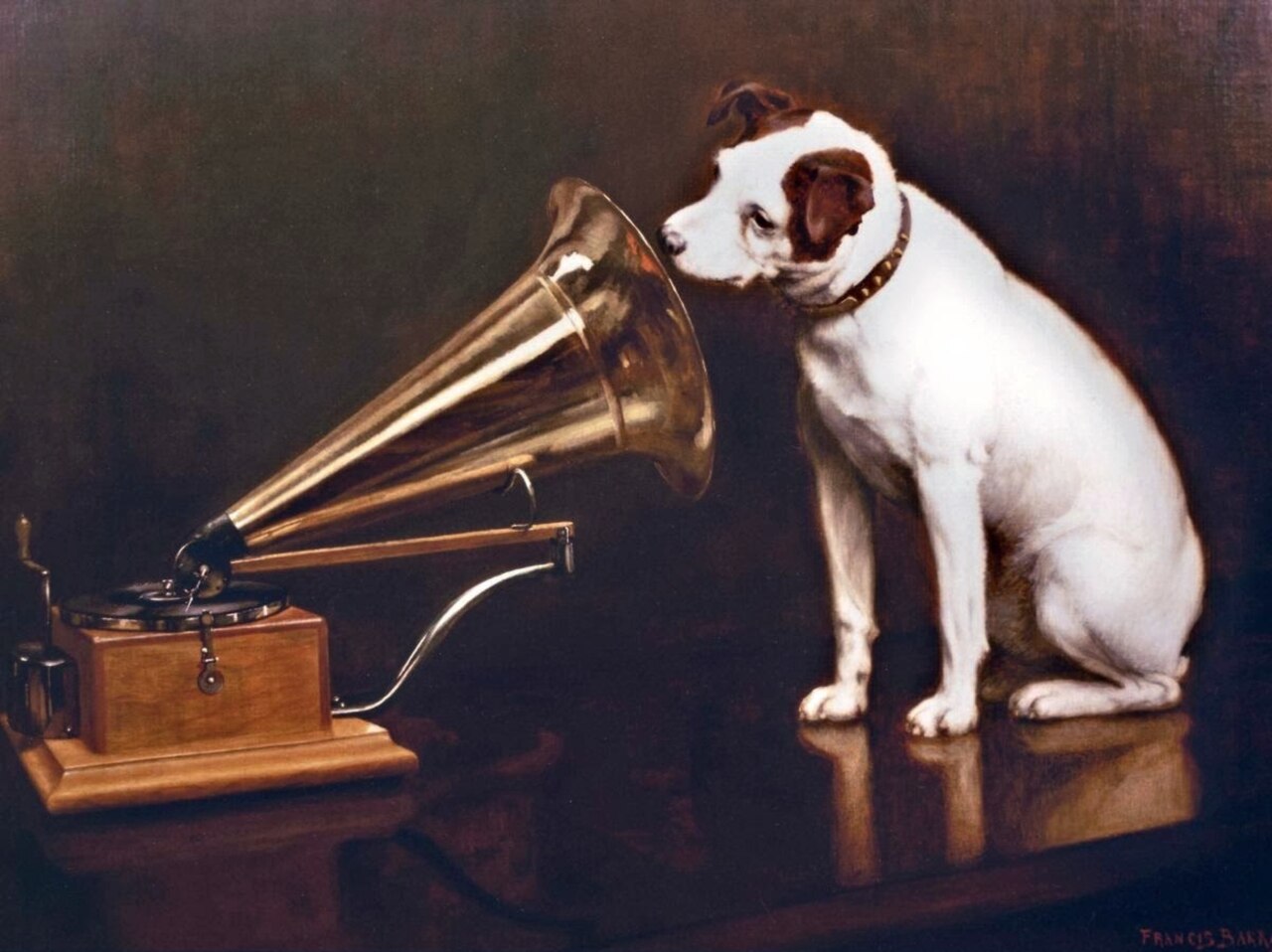
The Ship Arrivesअप्रैल 1903 में, एसएस इंडस बंबई में एक ऐसे सामान के साथ पहुँचा जो भारतीय संगीत को हमेशा के लिए बदल देगा। जहाज़ के होल्ड में हज़ारों फ़्लैट शेलैक डिस्कें थीं, जिन्हें लकड़ी के क्रेटों में सावधानी से पैक किया गया था जिस पर ग्रामोफ़ोन एंड टाइपराइटर कंपनी का निशान था। हर डिस्क में एक गीत था जो कलकत्ता के एक होटल कमरे में महज़ छः महीने पहले कैद किया गया था — गौहर जान, अब्दुल वहाब ख़ान, और भारतीय संगीत के अन्य मास्टर्स की आवाज़ें, एक सुई द्वारा दबाए गए खाँचों में संरक्षित।
अंग्रेज़ी में पढ़ें · Read in English
In April 1903, the SS Indus docked at Bombay with a cargo that would change Indian music forever. Deep in the ship's hold were thousands of flat shellac discs, packed carefully in wooden crates stamped with the Gramophone & Typewriter Company's mark. Each disc contained a song captured in Calcutta's hotel room just six months earlier — the voices of Gauhar Jaan, Abul Wahab Khan, and other masters of Indian music, preserved in grooves pressed by a needle.
विस्फोट शुरू होता है
The Explosion Beginsरिकॉर्ड गोदामों में नहीं रहे। ग्रामोफ़ोन कंपनी के भारतीय एजेंटों ने माँग का रूढ़िवादी अनुमान लगाया था। वे भयंकर रूप से गलत थे। माँग तत्काल और भूखी थी। गौहर जान के रिकॉर्ड अलमारियों से उड़ गए। कुछ हफ़्तों के भीतर, बंबई, कलकत्ता, मद्रास, और दिल्ली के हर ग्रामोफ़ोन दुकान में स्टॉक की कमी थी। हनोवर में कंपनी के प्रेस तालमेल नहीं रख सके — उन्हें पहले महीने के भीतर उत्पादन को 300% तक बढ़ाना पड़ा। दुकान के मालिकों ने कुछ अभूतपूर्व की सूचना दी: मध्यम वर्गीय परिवार और दुकान कर्मचारी इन रिकॉर्ड को खरीदने के लिए पैसे जमा कर रहे थे। बंबई के कला निकेतन संगीत स्टोर में, ग्राहक नए स्टॉक की प्रतीक्षा के लिए घंटों तक कतार में खड़े रहते थे। दुकान मालिक, एक पारसी संगीत व्यापारी मेहता का नाम, अपनी बाद की यादों में याद किया कि कुछ ग्राहक एक ही रिकॉर्ड कई बार खरीदते थे — एक खेलने के लिए प्रति, और दोस्तों को उधार देने के लिए डुप्लिकेट। विनाइल का साझाकरण अर्थव्यवस्था का जन्म हो गया था।
अंग्रेज़ी में पढ़ें · Read in English
The records did not languish in warehouses. The Gramophone Company's Indian agents had estimated demand conservatively. They were catastrophically wrong. Demand was immediate and voracious. Gauhar Jaan's records flew off the shelves. Within weeks, every gramophone shop in Bombay, Calcutta, Madras, and Delhi had stock shortages. The company's presses in Hanover could not keep up — they had to expand production by 300% within the first month.
Shop owners reported something unprecedented: middle-class families and shop workers were pooling money to buy these records. In Bombay's Kala Niketan music store, customers would queue for hours waiting for new stock. The shop owner, a Parsi music merchant named Mehta, recalled in his later memoirs that some customers would buy the same record multiple times — one copy to play, and duplicates to lend to friends. The sharing economy of vinyl had been born.
सांस्कृतिक झटका
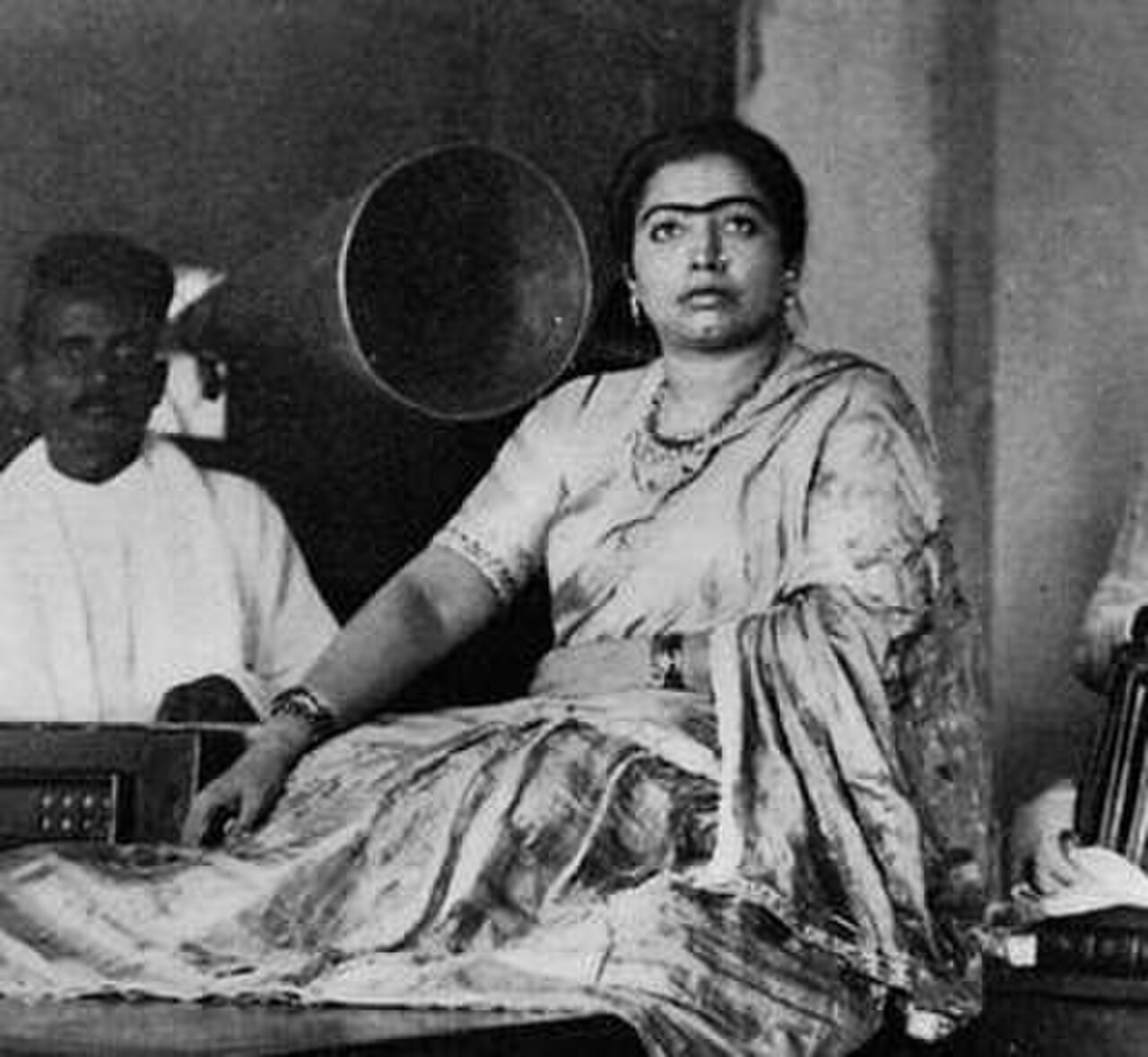
The Cultural Shockसभी ने जश्न नहीं मनाया। रूढ़िवादी आवाज़ों ने अलर्ट जारी किए। रूढ़िवादी प्रेस में, संगीत के 'यांत्रिक प्रजनन' की निंदा करने वाले लेख दिखाई दिए। एक टिन, खरोंची सींग की जीवंत, साँस लेने वाली गायक की आवाज़ कैसे हो सकती है? भारतीय शास्त्रीय संगीत की दिव्य कला को एक डिस्क पर खाँचों तक कैसे कम किया जा सकता है? कुछ धार्मिक विद्वान तर्क देते थे कि रिकॉर्डेड संगीत आध्यात्मिक रूप से मरा हुआ था — कि गायक की उपस्थिति के बिना, राग आत्मा को उठाने की अपनी शक्ति खो देता था। फिर भी ये आपत्तियाँ शाब्दिक रूप से संगीत की आवाज़ से दब गईं। ग्रामोफ़ोन यहाँ रहने के लिए था। और इसके साथ एक अप्रत्याशित बोनस आया: भारतीय संगीत को अचानक एक सटीक, पुनरुत्पादनीय वस्तु रूप मिल गया। 'प्रदर्शन गुणवत्ता' की अस्पष्टता — जिसने एक गायक की दूसरे से तुलना को इतना विषयपरक बना दिया था — रिकॉर्डिंग की वस्तुनिष्ठता से बदल दी गई थी। आप गौहर जान और उसके प्रतिद्वंद्वियों के बीच के अंतर को सुनवाई या प्रतिष्ठा के माध्यम से नहीं, बल्कि उनकी डिस्क की सीधी तुलना के माध्यम से सुन सकते थे।
अंग्रेज़ी में पढ़ें · Read in English
Not everyone celebrated. Conservative voices raised alarms. In the orthodox press, articles appeared condemning the 'mechanical reproduction' of music. How could a tinny, scratchy horn produce the living, breathing voice of a singer? How could the divine art of Indian classical music be reduced to grooves on a disc? Some religious scholars argued that recorded music was spiritually dead — that without the presence of the singer, the raag lost its power to uplift the soul.
Yet these objections were drowned out by the sound of music — literally. The gramophone was here to stay. And with it came an unexpected bonus: Indian music suddenly had a precise, reproducible commodity form. The vagueness of 'performance quality' — which had made comparing one singer to another so subjective — was replaced by the objectivity of the recording. You could hear the difference between Gauhar Jaan and her rivals not through hearsay or reputation, but through direct comparison of their discs.
अनंत के लिए तीन रुपये
Three Rupees for Immortalityगणित भारी थी। गौहर जान ने प्रति प्रदर्शन 1,000 रुपये कमाए थे। अब, उसकी आवाज़ की एक रिकॉर्डिंग हज़ारों बार चल सकती थी। ग्रामोफ़ोन कंपनी की गणना सरल थी: गौहर जान के साथ एक एकल रिकॉर्डिंग सत्र 3,000 रुपये पर हज़ारों बिक्रय से रॉयल्टी उत्पन्न करेगा, प्रत्येक 3 रुपये में। उसके रिकॉर्ड दशक के बेस्टसेलर बन गए। उद्योग रिपोर्ट बताती हैं कि गौहर जान की रिकॉर्डिंग 1903-1904 में भारत में सभी ग्रामोफ़ोन रिकॉर्ड बिक्रय का लगभग 40% हिस्सा थीं। पहली बार, एक भारतीय कलाकार संरक्षण से नहीं बल्कि बाज़ार से जीवन-परिवर्तनकारी सम्पदा बना सकता था। यह पूँजीवाद और लोकतंत्र कला के साथ फ्यूजन थे। और इसने पुरानी संगीत दुनिया को अस्थिर कर दिया। संरक्षक जिन्होंने वेतन और सामाजिक नियंत्रण के माध्यम से गायकों को 'स्वामित्व' किया था, अब वैश्विक बाज़ार के साथ प्रतिस्पर्धा करने के लिए था। कोठा प्रणाली, जिसने नियंत्रित किया कि कौन संगीत सुन सकता था, अचानक अप्रचलित हो गई। जिसके पास 3 रुपये थे, वह गौहर जान को मालिक बना सकता था।
अंग्रेज़ी में पढ़ें · Read in English
The mathematics were staggering. Gauhar Jaan had earned Rs. 1,000 per performance. Now, one recording of her voice could be played thousands of times. The Gramophone Company's calculation was simple: a single recording session with Gauhar Jaan at Rs. 3,000 would generate royalties from thousands of sales at Rs. 3 each. Her records became the bestseller of the decade. Industry reports suggest that Gauhar Jaan's recordings accounted for nearly 40% of all gramophone record sales in India in 1903-1904.
For the first time, an Indian artist could make life-changing wealth not from patronage, but from the market. It was capitalism and democracy fused with art. And it destabilized the old music world. Patrons who had 'owned' singers through salary and social control now had to compete with a global market. The kotha system, which had controlled who heard what music, was suddenly obsolete. Anyone with Rs. 3 could own Gauhar Jaan.
परिचय
IdentityEpithet
अप्रैल 1903 — हनोवर, जर्मनी में प्रेस किए गए शेलैक रिकॉर्ड भारत पहुँचते हैं। कैसे गौहर जान की आवाज़ भारतीय संगीत का पहला मिलियन-सेलर बन गई।
April 1903 — The shellac records pressed in Hanover, Germany arrive in India. How Gauhar Jaan's voice became the first million-seller of recorded Indian music.
कहानी-नमूना
The Story Specimen| शीर्षक | जब रिकॉर्ड्स घर आए: भारत अपनी आवाज़ को पहली बार सुनता है · When the Records Came Home: India Hears Its Own Voice for the First Time |
|---|---|
| श्रेणी | इतिहास |
| प्रकार | विशेष लेख |
| पाठ-समय | ८ मिनट का पाठ |
| प्रकाशित | 31 March 2026 — admin |
| टैग | 1903 · gramophone · records_arrive · gauhar_jaan · commercial_success · shellac · india_awakens |
और कहानियाँ
More Stories from the Atlas
साझा कीजिए · Share this Plate