कहानियाँ विंग · कहानी · Artist Profile · 1945
ग़ुलाम हैदर और बॉम्बे की आवाज़: पंजाब के लोक-रंग से हिंदी सिनेमा तक
Ghulam Haider and the Bombay Sound: From Punjab's Folk Colours to Hindi Cinema
एक संगीतकार जिसने नूर जहाँ और लता मंगेशकर — दोनों को 'खोजा' — और हिंदी फ़िल्म संगीत की ताल बदल दी
प्रकाशित8 September 2026
आमुख
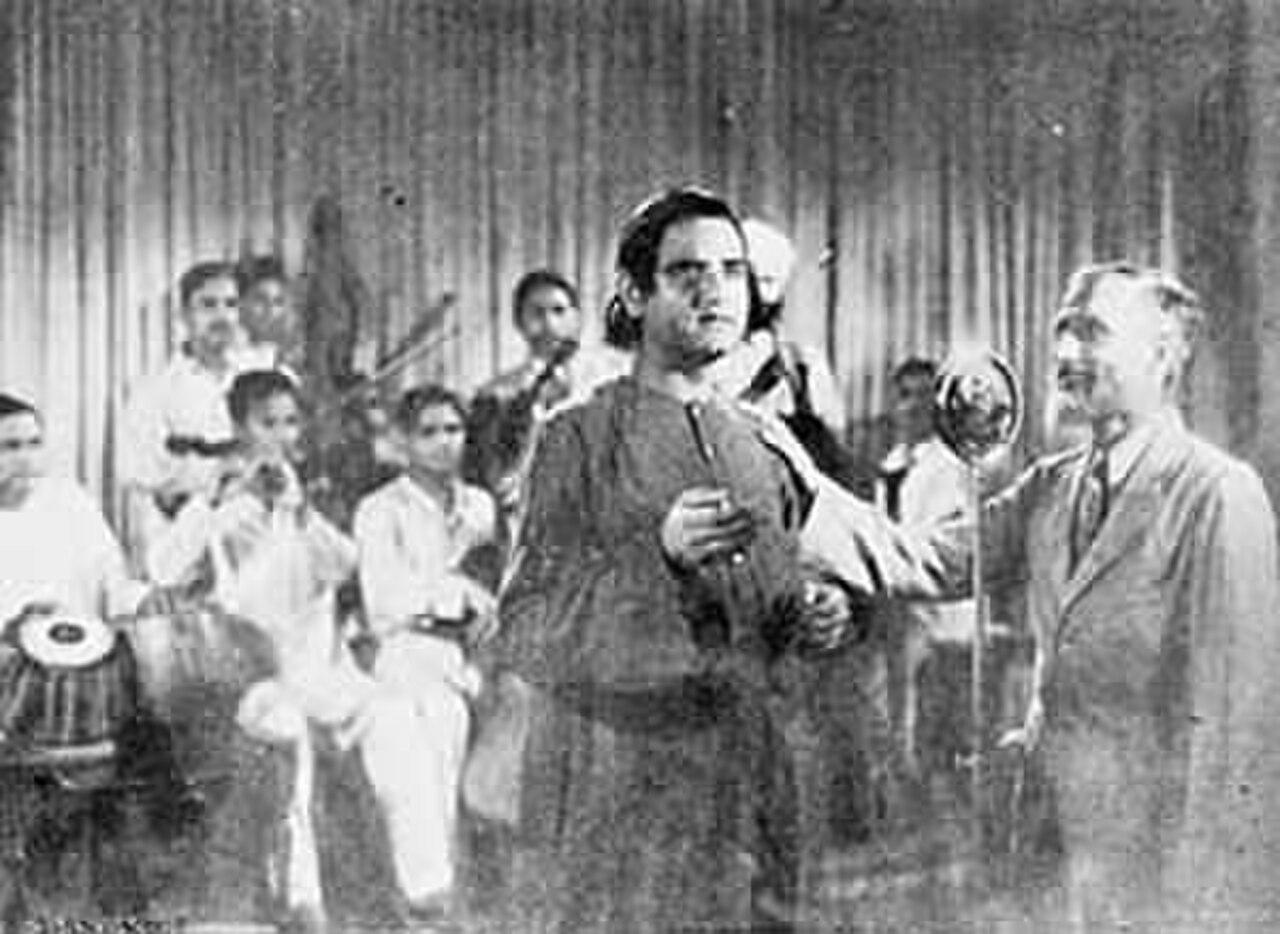
ग़ुलाम हैदर पंजाब की लोक-परंपरा से आए थे — ढोल, तुम्बी, अलगोज़ा — और 1930 के दशक में लाहौर के स्टूडियो में वह सारी ऊर्जा साथ ले आए। 1940 के दशक में बॉम्बे पहुँचकर उन्होंने महबूब ख़ान जैसे निर्देशकों के साथ काम किया; 1945 में अशोक कुमार और नरगिस अभिनीत 'हुमायूँ' का संगीत उन्हीं का था, जिसमें 'मैं तो ओढूँ गुलाबी चुनरिया' जैसे गीत उनकी पहचान — लोक की ऊर्जा फ़िल्मी ढाँचे में — दिखाते हैं। उनकी सबसे बड़ी विरासत एक खोज है: 1947 के आसपास उन्होंने एक 17-18 साल की लता मंगेशकर को सुना और कहा कि यह लड़की सबको पछाड़ देगी। विभाजन ने उनकी विरासत भी दो देशों में बाँट दी।
अंग्रेज़ी में पढ़ें · Read in English
Ghulam Haider came out of Punjab's folk tradition — dhol, tumbi, algoza — and carried that energy into Lahore's film studios in the 1930s. Reaching Bombay in the 1940s he worked with directors of the rank of Mehboob Khan, and in 1945 scored Humayun, starring Ashok Kumar and Nargis; songs such as 'Main To Odhun Gulabi Chunariya' show his signature move of setting folk energy inside a film-song frame. His largest legacy is a discovery: around 1947 he heard a 17- or 18-year-old Lata Mangeshkar and said she would outstrip everyone. Partition then split his legacy across two countries — Noor Jehan and Haider to Pakistan, Lata and Shamshad Begum staying in India.
लाहौर का बचपन, बॉम्बे का सपना
ग़ुलाम हैदर का जन्म पंजाब में हुआ था — उस पंजाब में जहाँ लोक-संगीत की नदियाँ बहती थीं। ढोल, तुम्बी, अलगोज़ा — वे वाद्य जो पंजाब की ज़मीन से उठते थे। जब वे 1930 के दशक में लाहौर के फ़िल्म-स्टूडियो में पहुँचे, तो उनके साथ वह सारी लोक-ऊर्जा थी। एक दिन उन्होंने एक युवा लड़की को गाते हुए सुना — नूर जहाँ। उन्होंने उसकी माँ से कहा: 'यह बच्ची एक दिन हिंदुस्तान को रुलाएगी।'
अंग्रेज़ी में पढ़ें · Read in English
Ghulam Haider was born in Punjab — that Punjab where rivers of folk music flowed. Dhol, tumbi, algoza — instruments that rose from Punjab's soil and dissolved into the air. When he arrived in Lahore's film studios in the 1930s, he brought all that folk energy with him. One day he heard a young girl singing — Noor Jehan. He told her mother: 'This child will one day make all of India weep.'
बॉम्बे में आगमन और 'हुमायूँ' का संगीत
1940 के दशक में ग़ुलाम हैदर बॉम्बे आ गए। यहाँ उन्होंने महबूब खान जैसे बड़े निर्देशकों के साथ काम किया। 1945 में 'हुमायूँ' के लिए उन्होंने संगीत बनाया। 'मैं तो ओढूँ गुलाबी चुनरिया आज रे' जैसे गीत उनकी विशेषता थे: लोक की ऊर्जा, फ़िल्मी बनावट, और शम्शाद बेगम की आवाज़। शम्शाद भी लाहौर से थीं — दोनों के बीच एक सांगीतिक समझ थी।
अंग्रेज़ी में पढ़ें · Read in English
In the 1940s, Ghulam Haider moved to Bombay. Here he worked with major directors like Mehboob Khan. In 1945 he composed for Humayun — starring Ashok Kumar and Nargis. Songs like 'Main To Odhun Gulabi Chunariya Aaj Re' were his trademark: folk energy, film structure, and Shamshad Begum's bell-clear voice that Haider favoured most. Shamshad was also from Lahore — between them was a musical understanding that is still audible in those recordings today.
लता मंगेशकर की 'खोज': इतिहास का वह मोड़
ग़ुलाम हैदर की सबसे बड़ी विरासत एक ऐसी खोज है जो हिंदी संगीत के इतिहास को बदल देगी। 1947 के आसपास उन्होंने एक 17-18 साल की लड़की को गाते हुए सुना — लता मंगेशकर। उन्होंने कहा: यह लड़की एक दिन हर किसी को पछाड़ देगी। फ़िल्म निर्माताओं ने नहीं माना — 'आवाज़ बहुत पतली है' कहकर। पर हैदर को यकीन था। नूर जहाँ और लता मंगेशकर — दोनों को एक ही संगीतकार ने दुनिया को दिखाया।
अंग्रेज़ी में पढ़ें · Read in English
Ghulam Haider's greatest legacy is a discovery that would change the history of Hindi music. Around 1947 he heard a 17-18-year-old girl singing — Lata Mangeshkar. He immediately said: this girl will one day surpass everyone. Film producers dismissed it — 'voice is too thin,' they said. But Haider was certain. He gave Lata opportunities that became five decades of history. Noor Jehan and Lata Mangeshkar — both were 'seen' and shown to the world by the same music director.
एक ऐसी विरासत जो दो देशों में बंट गई
1947 के विभाजन ने ग़ुलाम हैदर की विरासत को भी दो हिस्सों में बाँट दिया। नूर जहाँ पाकिस्तान गईं और हैदर भी। लता मंगेशकर भारत में रहीं और हिंदी सिनेमा की सबसे बड़ी आवाज़ बनीं। पर 1945 में 'हुमायूँ' के स्टूडियो में, जब हैदर की धुन पर शम्शाद बेगम ने 'मैं तो ओढूँ गुलाबी चुनरिया' गाया — वह एक भारत था जो अभी बँटा नहीं था, और वह संगीत एक साझी भाषा थी।
अंग्रेज़ी में पढ़ें · Read in English
The 1947 Partition split Ghulam Haider's legacy into two parts as well. Noor Jehan went to Pakistan — and Haider did too. Lata Mangeshkar stayed in India and became Hindi cinema's greatest voice. Shamshad Begum, who remained in India, saw her career gradually diminish through the 1950s. But in 1945, in the Humayun studio, when Shamshad Begum sang 'Main To Odhun Gulabi Chunariya' to Haider's melody — that was an India not yet divided, and that music was a shared language that no border could partition.
परिचय
IdentityEpithet
एक संगीतकार जिसने नूर जहाँ और लता मंगेशकर — दोनों को 'खोजा' — और हिंदी फ़िल्म संगीत की ताल बदल दी
The music director who 'discovered' both Noor Jehan and Lata Mangeshkar — and changed the rhythm of Hindi film music
अन्य विवरण
More Details- ग़ुलाम हैदर
- शम्शाद बेगम
- नूर जहाँ
- लता मंगेशकर
- Songs of Yore – Master Ghulam Haider A Trail-Blazer (songsofyore.com)
- Songs of 1945 – Female Solo Songs – Shamshad Begum (amvaishnav.wordpress.com)
- Wikipedia – Humayun (1945 film)
- Hindigeetmala.net – Humayun (1945) song listing
Key Figures
References
कहानी-नमूना
The Story Specimen| शीर्षक | ग़ुलाम हैदर और बॉम्बे की आवाज़: पंजाब के लोक-रंग से हिंदी सिनेमा तक · Ghulam Haider and the Bombay Sound: From Punjab's Folk Colours to Hindi Cinema |
|---|---|
| श्रेणी | Artist Profile |
| प्रकार | विशेष लेख |
| प्रकाशित | 8 September 2026 — admin |
| वर्ष | 1945 |
और कहानियाँ
More Stories from the Atlas
साझा कीजिए · Share this Plate