गीत विंग · गीत-पट्टिका · Song Plate
तुम हो माँ बड़ी माँ
Tum Ho Maa Badi Maa
शीर्षक गीत: देश को सीधे 'बड़ी माँ' कहकर पुकारना — पंद्रह बरस की लता मंगेशकर की आवाज़ में, उस देश के अस्तित्व में आने से दो साल पहले।
भावभक्ति · प्रेरणादायक · तीव्र
भाषाhindi गतिमध्यम स्वरूपमहिला युगल
श्रेय
The Creditsसूत्र-वाक्य · The Hook
सूत्र-वाक्य
शीर्षक गीत: देश को सीधे 'बड़ी माँ' कहकर पुकारना — पंद्रह बरस की लता मंगेशकर की आवाज़ में, उस देश के अस्तित्व में आने से दो साल पहले।
In EnglishThe title song: the country addressed directly as the elder mother, sung by a fifteen-year-old Lata Mangeshkar two years before there was a country to address.
पट्टिका-लेख
The Monographपरिचय Overview
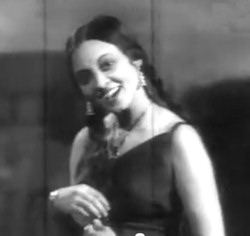
यही वह गीत है जो फ़िल्म को नाम देता है। विकिपीडिया इसे 'तुम हो माँ बड़ी माँ' के रूप में दर्ज करता है — गायिका लता मंगेशकर और मीनाक्षी, बोल अंजुम पीलीभीती के; हिंदीगीतमाला वही श्रेय 'जननी जन्मभूमि' शीर्षक के नीचे देती है लेकिन देवनागरी शीर्षक 'तुम माँ हो बड़ी माँ' छापती है — दोनों प्रविष्टियाँ एक ही रिकॉर्डिंग हैं, बस शीर्षक की दो परंपराएँ हैं। 'जननी जन्मभूमिश्च स्वर्गादपि गरीयसी' — माता और मातृभूमि स्वर्ग से भी बड़ी हैं — वही संस्कृत पंक्ति है जिसकी ओर वैकल्पिक शीर्षक इशारा करता है, और वही बता देती है कि गीत किस स्वर में लिखा गया है।
अंग्रेज़ी में पढ़ें · Read in English
This is the song that names the film. Wikipedia lists it as 'Tum Ho Maa Badi Maa', sung by Lata Mangeshkar with Meenaxi to a lyric by Anjum Pilibhiti; hindigeetmala lists the same credits under the title 'Janani Janmbhoomi' but prints the Devanagari heading 'तुम माँ हो बड़ी माँ' — the two entries are the same recording under two title conventions. 'Janani janmabhoomishcha swargadapi gariyasi' — mother and motherland are greater than heaven — is the Sanskrit line the alternate title points at, and it tells you exactly what register the song is written in.
संगीत The Music
के. दत्त का 'बड़ी माँ' का संगीत विषय के बजाय आवाज़ के हिसाब से बँटा है, और देशभक्ति तथा भक्ति का हिस्सा लता मंगेशकर के पास जाता है। 1945 के फ़िल्मी देशभक्ति-गीत के पास विकल्प सीमित थे: एक ठहरी हुई, कूच-सी नब्ज़; ऐसी धुन जो भीड़ के गाने लायक़ रहे; और ऐसा टेक जो इतनी बार लौटे कि एक ही सुनवाई में याद हो जाए। यहाँ सूक्ष्मता मक़सद नहीं थी — उस वर्ष सूचना विभाग बंबई के स्टूडियो को युद्ध-प्रयास वाले विषयों की ओर धकेल रहा था, और फ़िल्म में यही वह गीत है जो वह काम सबसे सीधे तौर पर करता है।
अंग्रेज़ी में पढ़ें · Read in English
K. Datta's Badi Maa score is arranged by voice rather than by theme, and the patriotic and devotional material goes to Lata Mangeshkar. A film patriotic song of 1945 had a fairly narrow set of options: a steady, march-adjacent pulse, a melody in a major-leaning scale that stays singable by a crowd, and a refrain that returns often enough to be memorised on one hearing. The point was not subtlety — the Information Department was pushing Bombay studios towards war-effort subjects that year and this is the number in the film that does that job most directly.
काव्य The Poetry
फ़िल्म की पूरी कल्पना उसके शीर्षक में सिमटी है। रोज़मर्रा की हिंदी में 'बड़ी माँ' का अर्थ है ताई या घर की वरिष्ठ माँ-समान स्त्री — और फ़िल्म उस घरेलू शब्द को देश पर चढ़ा देती है, जिससे भारत की रक्षा राज्य की कोई अमूर्त धारणा नहीं, बल्कि परिवार का कर्तव्य बन जाती है। अंजुम पीलीभीती, वही उर्दू गीतकार जिन्होंने इस फ़िल्म का सबसे भीतरी विरह-गीत भी लिखा, यहाँ ठीक उलटी दिशा में लिखते हैं: बाहर की ओर, बहुवचन में, संबोधन में। वैकल्पिक शीर्षक 'जननी जन्मभूमि' उसी बात के लिए संस्कृत सूत्र की ओर हाथ बढ़ाता है — एक ही दावे की दो अलग परंपराएँ; और एक गीत पर बैठे ये दो शीर्षक दिखाते हैं कि 1945 की फ़िल्म देशभक्ति की उर्दू और संस्कृतनिष्ठ शब्दावली के बीच कितनी आसानी से आती-जाती थी।
अंग्रेज़ी में पढ़ें · Read in English
The film's whole conceit is compressed into its title. 'Badi maa' in ordinary Hindi usage means the elder mother — a father's elder brother's wife, or a senior mother-figure in the household — and the film transfers that domestic word onto the country, so that defending India becomes a family obligation rather than an abstraction of state. Anjum Pilibhiti, an Urdu lyricist who also wrote the film's most inward heartbreak song, writes here in the opposite direction: outward, plural, addressed. The alternate title 'Janani Janmbhoomi' reaches for the Sanskrit formulation instead, which is a different lineage for the same claim, and the two titles sitting on one song show how easily a 1945 film moved between an Urdu and a Sanskritic vocabulary for patriotism.
कहानी The Story
'बड़ी माँ' की कथा गृह-मोर्चे की युद्ध-कहानी है: एक भारतीय गाँव के भीतर बैठा जापानी जासूस, कर्ज़ से तबाह एक परिवार, लंदन के ब्लिट्ज़ से लौटता बेटा, दुश्मन की गोली से मारी गई बहन, और एक ग़द्दार जो प्रायश्चित करता हुआ मरता है। शीर्षक गीत इस सबका उद्देश्य-वाक्य है — वह चीज़ जिसके लिए पात्र लड़ते बताए जाते हैं। 'फ़िल्मइंडिया' इस पैकेजिंग से प्रभावित नहीं हुई और सितंबर 1945 में एक सितारा देकर इसे 'प्रचार-सामाजिक' और 'साल का सबसे सड़ा तमाशा' कहा; दर्शक इतने असहमत रहे कि फ़िल्म साल की तीसरी सबसे अधिक कमाई करने वाली भारतीय फ़िल्म बन गई।
अंग्रेज़ी में पढ़ें · Read in English
Badi Maa's plot is a home-front war story: a Japanese spy inside an Indian village, a family ruined by debt, a son returning from the London Blitz, a sister killed by enemy fire, and a traitor who dies redeeming himself. The title song is the statement of purpose for all of it — the thing the characters are said to be fighting for. Filmindia was unimpressed by the packaging, giving the film one star in September 1945 and calling it a 'propaganda social' and 'the year's most rotten show'; audiences disagreed enough to make it the third highest-grossing Indian film of the year.
विरासत The Legacy
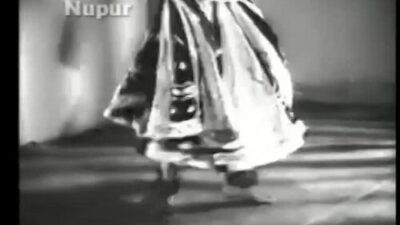
आज इस गीत का महत्व संगीत से ज़्यादा दस्तावेज़ी है। यह लता मंगेशकर की उन गिनी-चुनी बची हुई रिकॉर्डिंगों में से है जो उनके करियर के बनने से पहले की हैं, और औपनिवेशिक प्रोत्साहन में बने युद्धकालीन भारतीय देशभक्ति-गीत का एक साफ़ नमूना है — वह विधा जिसे अगला दशक पूरी तरह नए सिरे से लिखने वाला था, क्योंकि 1947 के बाद जिस माँ को संबोधित किया जा रहा था वह एक स्वतंत्र देश थी, किसी और की ओर से बचाई जा रही संपत्ति नहीं। 'बड़ी माँ' सार्वजनिक डोमेन में पूरी बची है, इसलिए यह दृश्य आज भी केवल सूची में नहीं, परदे पर देखा जा सकता है।
अंग्रेज़ी में पढ़ें · Read in English
The song's value now is documentary rather than musical. It is one of the small number of surviving recordings of Lata Mangeshkar from before her career existed, and it is a clean specimen of the wartime Indian patriotic film song made under colonial encouragement — a genre that the following decade would rewrite completely, since after 1947 the mother being addressed was an independent country and not a possession being defended on someone else's behalf. Badi Maa survives complete in the public domain, so the sequence can still be watched rather than only listed.
वर्गीकरण
Classification- Tempo
- Medium
Genre
अन्य विवरण
More Details- https://en.wikipedia.org/wiki/Badi_Maa
- https://www.hindigeetmala.net/song/janani_janmbhoomi.htm
- https://www.hindigeetmala.net/movie/badi_maa_1945.htm
- https://en.wikipedia.org/wiki/Lata_Mangeshkar
References
रोचक तथ्य
Margin Notesएक ही रिकॉर्डिंग दो अलग शीर्षकों के नीचे दर्ज है: विकिपीडिया की गीत-तालिका इसे 'तुम हो माँ बड़ी माँ' कहती है जबकि हिंदीगीतमाला इसे 'जननी जन्मभूमि' के नाम से रखती है — पर उसी प्रविष्टि का हिंदी शीर्षक 'तुम माँ हो बड़ी माँ' है, वही गायिका और वही गीतकार।
अंग्रेज़ी में पढ़ें · Read in English
The same recording is catalogued under two different titles: Wikipedia's soundtrack table calls it 'Tum Ho Maa Badi Maa' while hindigeetmala files it as 'Janani Janmbhoomi' — but hindigeetmala's own page heading for that entry reads 'तुम माँ हो बड़ी माँ', with the same singer and the same lyricist.
अंजुम पीलीभीती ने 'बड़ी माँ' के दस में से तीन गीत लिखे। उनके अन्य पुष्ट श्रेयों में 'नजमा' (1943), 'हमजोली' (1946), नौशाद के संगीत में शकील बदायूँनी के साथ 'अनोखी अदा' (1948), और एस. डी. बर्मन के लिए 'विद्या' (1948) शामिल हैं।
अंग्रेज़ी में पढ़ें · Read in English
Anjum Pilibhiti wrote three of Badi Maa's ten songs. Other confirmed credits include Najma (1943), Humjoli (1946), Anokhi Ada (1948) alongside Shakeel Badayuni under Naushad, and Vidya (1948) for S. D. Burman.
नमूना-पट्टी
The Specimen Table| शीर्षक | तुम हो माँ बड़ी माँ · Tum Ho Maa Badi Maa |
|---|---|
| फ़िल्म | बड़ी माँ · 1945 |
| वर्ष · युग | 1945 — Pre-Independence (1931-1947) |
| गायक | Lata Mangeshkar, Meenakshi Shirodkar |
| गीतकार | Anjum Pilibhiti |
| संगीतकार | के. दत्त (दत्ता कोरगांवकर) |
| स्वरूप | महिला युगल |
| गति | मध्यम |
| भाषा | hindi |
| भाव | भक्ति · प्रेरणादायक · तीव्र |
| लोकप्रियता | Obscure |
| बोल-स्थिति | केवल झलक |
जुड़े हुए पन्ने
Connected Plates · The Graph Made Visibleअटलस में कोई पन्ना अकेला नहीं — इस गीत से जुड़े गीत, कलाकार, फ़िल्म, राग-ताल-विधा, सब यहाँ से खुलते हैं।
मिलते-जुलते गीत · Related Songs
कलाकार · The Artists
फ़िल्म · The Film
साझा कीजिए · Share this Plate