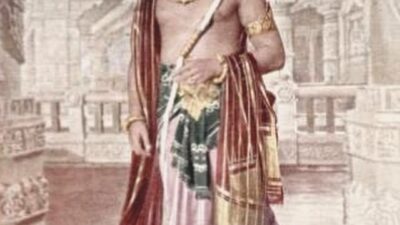
गीत विंग · गीत-पट्टिका · Song Plate
ओ वर्षा के पहले बादल
O Varsha Ke Pehle Baadal
निर्वासित प्रेमी की वर्षा के पहले बादल से विनती — कालिदास का 'मेघदूतम्' एक ही हिंदी फ़िल्मी गीत में सिमटा, और वही गीत जिससे 'मेघदूत' आज भी याद की जाती है।
भावअविस्मरणीय · उदास · पुरानी यादें
भाषाhindi गतिधीमी स्वरूपएकल पुरुष
श्रेय
The Creditsसूत्र-वाक्य · The Hook
सूत्र-वाक्य
निर्वासित प्रेमी की वर्षा के पहले बादल से विनती — कालिदास का 'मेघदूतम्' एक ही हिंदी फ़िल्मी गीत में सिमटा, और वही गीत जिससे 'मेघदूत' आज भी याद की जाती है।
In EnglishThe exiled lover's plea to the monsoon's first cloud — Kalidasa's Meghadutam folded into a single Hindi film song, and the number Meghdoot is still remembered by.
पट्टिका-लेख
The Monographपरिचय Overview
यही वह गीत है जिसके लिए 'मेघदूत' बनी: विरही प्रेमी का वर्षा के पहले बादल से संबोधन, जिसमें वह उससे विनती करता है कि वह उसका संदेश उत्तर की ओर, भारत के मानचित्र को पार करते हुए, उस प्रिया तक ले जाए जिस तक वह स्वयं नहीं पहुँच सकता। कमल दासगुप्ता ने इसे जगमोहन सुरसागर के लिए रचा — जो उस समय 1938 से रिकॉर्डिंग कर रहे कलकतिया गायक थे — और यह फ़िल्म का कहीं आगे निकलकर सबसे लोकप्रिय गीत सिद्ध हुआ। फ़ैयाज़ हाशमी की हिंदी पंक्तियाँ कालिदास के मार्ग-वर्णन को ज्यों का त्यों रखती हैं — पहाड़, नदियाँ, रास्ते में पड़ता मंदिर-नगर — किंतु संस्कृत के अलंकार को घटाकर उसे उस रूप में लाती हैं जिसे 1945 का ग्रामोफ़ोन श्रोता पहली ही बार में समझ ले।
अंग्रेज़ी में पढ़ें · Read in English
This is the song Meghdoot exists for: the separated lover's address to the first cloud of the rains, asking it to carry his message north across the map of India to the wife he cannot reach. Kamal Dasgupta wrote it for Jagmohan Sursagar, then a Calcutta singer who had been recording since 1938, and it became by a wide margin the most popular number in the film. Faiyyaz Hashmi's Hindi verse keeps Kalidasa's itinerary intact — the hill country, the rivers, the temple city on the way — while stripping the Sanskrit ornament back to something a gramophone listener in 1945 could follow on first hearing.
संगीत The Music
दासगुप्ता इसे किसी फ़िल्मी दृश्य-रचना के बजाय एक अनहड़बड़े गीत की तरह बाँधते हैं: एक लंबी, धनुषाकार स्वर-पंक्ति, संगत कहीं पीछे थमी हुई, ताकि पूरा भार आवाज़ और शब्द ही उठाएँ। सरेगामा के पुनःप्रकाशन में 6:05 की अवधि के साथ यह एलबम का कहीं आगे सबसे लंबा गीत है और 1945 की किसी भी हिंदी फ़िल्मी रिकॉर्डिंग के लिए असामान्य रूप से लंबा — यह अपने आकार में किसी चित्रित फ़िल्मी गीत से अधिक एक ग़ैर-फ़िल्मी ग्रामोफ़ोन रिकॉर्ड के निकट है, और यही वह परंपरा है जहाँ से दासगुप्ता एचएमवी कलकत्ता में आए थे। जगमोहन इसे सीधे, लगभग बातचीत के लहजे में गाते हैं, और पंक्ति को केवल वहीं उठने देते हैं जहाँ बादल से किया गया संबोधन स्वयं उठता है।
अंग्रेज़ी में पढ़ें · Read in English
Dasgupta scores it as an unhurried geet rather than a filmi set-piece: a long arching melodic line, the accompaniment held far back, so that voice and words carry almost the entire weight. At 6:05 in Saregama's reissue it is by some distance the longest track on the album and unusually long for any 1945 Hindi film recording — closer in shape to a non-film gramophone side than to a picturised number, which is precisely the tradition Dasgupta came from inside HMV Calcutta. Jagmohan sings it plainly, almost conversationally, letting the line lift only where the address to the cloud itself lifts.
काव्य The Poetry
दूत-काव्य संस्कृत साहित्य की सबसे टिकाऊ खोजों में से एक है, और कालिदास का रूप इसलिए काम करता है क्योंकि प्रेमी एक बार भी अपने शोक का सीधा वर्णन नहीं करता। वह बादल को केवल रास्ता बताता है। पूरा भावनात्मक आवेश उसी मार्ग-वर्णन में बैठा है: जो भी स्थान नाम लेकर गिनाया जाता है, वह वही स्थान है जहाँ वक्ता नहीं जा सकता, और यह जुड़ता हुआ मानचित्र स्वयं उस दूरी का पैमाना बन जाता है जिस पर उसे रोक रखा गया है। फ़ैयाज़ हाशमी की हिंदी इसी ढाँचे को ज्यों का त्यों थामे रखती है — और यही रोचक चयन है, क्योंकि 1945 का कोई भी गीतकार परंपरा के भीतर रहते हुए इसे पूरा का पूरा विलाप बना सकता था। इसके बजाय गीत उपदेशात्मक बना रहता है, भीतर की ओर नहीं बल्कि बाहर बादल की ओर संबोधित, और विरह का हिसाब श्रोता पर छोड़ देता है।
अंग्रेज़ी में पढ़ें · Read in English
The dūta-kāvya — the messenger poem — is one of Sanskrit literature's most durable inventions, and Kalidasa's version works because the lover never once describes his grief directly. He gives the cloud directions. The emotional charge sits entirely in the itinerary: every landmark named is a place the speaker cannot go, and the accumulating map becomes a measure of the distance he is being kept at. Faiyyaz Hashmi's Hindi holds that structure exactly, which is the interesting choice — a 1945 lyricist would have been well within convention to turn the whole thing into lament. Instead the song stays instructional, addressed outward at the cloud rather than inward at the self, and lets the listener do the arithmetic of separation for themselves.
कहानी The Story
'मेघदूत' का निर्देशन देबकी बोस ने कीर्ति पिक्चर्स के लिए किया और यह अक्टूबर 1945 में प्रदर्शित हुई; मुख्य भूमिकाओं में शाहू मोडक और लीला देसाई थे। बोस तब तक भारतीय सवाक् सिनेमा की सबसे सम्मानित हस्तियों में थे — 'चंडीदास' (1932) ने भारतीय सवाक् फ़िल्म में पार्श्व संगीत की शुरुआत की थी और 'सीता' (1934) किसी अंतरराष्ट्रीय समारोह में दिखाई जाने वाली पहली भारतीय सवाक् फ़िल्म बनी थी — और 'मेघदूत' कालिदास पर उनका प्रयास था, जो हिंदी सिनेमा में इस स्रोत पर हुए गिने-चुने प्रयासों में से एक है। सरेगामा के क्रम में यही गीत साउंडट्रैक का आरंभ करता है, और फ़िल्म के हर विवरण में यही वह गीत है जिसे दर्शक हॉल से बाहर अपने साथ ले गए।
अंग्रेज़ी में पढ़ें · Read in English
Meghdoot was directed by Debaki Bose for Kirti Pictures and released in October 1945, with Shahu Modak and Leela Desai in the leads. Bose was by then one of the most decorated figures in Indian sound cinema — Chandidas (1932) had introduced background music to the Indian talkie, and Seeta (1934) had become the first Indian sound film screened at an international festival — and Meghdoot was his attempt at Kalidasa, one of very few Hindi films ever to try that source. This song opens the soundtrack in Saregama's sequencing, and in every account of the film it is the number that audiences carried out of the hall.
विरासत The Legacy
फ़िल्म व्यावहारिक रूप से लुप्त हो चुकी है — न कोई प्रचलित प्रिंट, न के बराबर आलोचनात्मक साहित्य — किंतु यह गीत उससे अधिक जीया। जगमोहन के विकिपीडिया परिचय में इसे कमल दासगुप्ता के लिए गाए उनके अनेक फ़िल्मी और ग़ैर-फ़िल्मी गीतों में सर्वाधिक उल्लेखनीय बताया गया है। जगमोहन — जिनका जन्म 1918 में कलकत्ता में जगन्मय मित्र के रूप में हुआ — छह दशक लंबे करियर के बाद 1999 में पद्मश्री से सम्मानित हुए; और कमल दासगुप्ता, जिनके नाम लगभग आठ हज़ार रचनाएँ मानी जाती हैं, 1974 में सापेक्ष गुमनामी में चल बसे। सरेगामा का 2017 का डिजिटल पुनःप्रकाशन ही वह कारण है कि कालिदास पर बनी एक अदृश्य फ़िल्म आज भी विचित्र ढंग से सुनी जा सकती है।
अंग्रेज़ी में पढ़ें · Read in English
The film has effectively disappeared — no circulating print, almost no critical literature — but this song outlived it. Jagmohan's Wikipedia entry calls it the most notable of the many film and non-film songs he sang for Kamal Dasgupta. Jagmohan, born Jaganmoy Mitra in Calcutta in 1918, went on to a six-decade career and the Padma Shri in 1999; Kamal Dasgupta, credited with something near eight thousand compositions, died in 1974 in relative obscurity. Saregama's 2017 digital reissue is the reason a Kalidasa adaptation nobody can watch remains, oddly, listenable.
वर्गीकरण
Classification- Tempo
- Slow
Genre
अन्य विवरण
More Details- https://www.hindigeetmala.net/movie/meghdoot.htm
- https://myswar.co/album/meghdoot-1945
- https://en.wikipedia.org/wiki/List_of_Hindi_films_of_1945
- https://music.apple.com/us/album/meghdoot-original-motion-picture-soundtrack/1440302352
- https://atulsongaday.me/2013/03/21/o-varsha-ke-pehle-baadal/
- https://www.hindigeetmala.net/song/o_varsha_ke_pahale_badal.htm
- https://en.wikipedia.org/wiki/Jagmohan_Sursagar
References
रोचक तथ्य
Margin Notesसरेगामा के डिजिटल पुनःप्रकाशन में 6:05 की अवधि के साथ यह 'मेघदूत' एलबम का सबसे लंबा गीत है — दूसरे नंबर के गीत से भी ढाई मिनट से अधिक लंबा। 1945 के किसी हिंदी फ़िल्मी गीत के लिए यह असाधारण लंबाई है, और इस बात का संकेत भी कि फ़ैयाज़ हाशमी ने कालिदास के मार्ग-वर्णन का कितना हिस्सा बोलों में बचा रखा।
अंग्रेज़ी में पढ़ें · Read in English
At 6:05 in Saregama's digital reissue, this is the longest track on the Meghdoot album by more than two and a half minutes — extraordinary length for a 1945 Hindi film song, and a sign of how much of Kalidasa's route Faiyyaz Hashmi kept in the lyric.
इसी एक रिकॉर्ड की लोकप्रियता ने जगमोहन सुरसागर – फ़ैयाज़ हाशमी – कमल दासगुप्ता की तिकड़ी बनाई, जिसने बाद में हिंदी ग़ैर-फ़िल्मी गीत पर ध्यान केंद्रित किया; वे ग़ैर-फ़िल्मी रिकॉर्डिंग्स उनके फ़िल्मी काम से अधिक लोकप्रिय हुईं।
अंग्रेज़ी में पढ़ें · Read in English
The popularity of this one record established the Jagmohan Sursagar – Faiyyaz Hashmi – Kamal Dasgupta trio, who afterwards concentrated on Hindi non-film geet; those non-film recordings became more popular than their film work.
कमल दासगुप्ता ने अपना अधिकांश करियर बंबई के फ़िल्म उद्योग के बजाय एचएमवी के कलकत्ता स्टूडियो के भीतर बिताया; 'मेघदूत' उन गिनी-चुनी बार में से एक है जब किसी बंबइया निर्माण ने उन्हें वहाँ से बाहर खींचा।
अंग्रेज़ी में पढ़ें · Read in English
Kamal Dasgupta spent most of his career inside HMV's Calcutta studio rather than in Bombay's film industry; Meghdoot is one of the few occasions a Bombay production drew him out of it.
नमूना-पट्टी
The Specimen Table| शीर्षक | ओ वर्षा के पहले बादल · O Varsha Ke Pehle Baadal |
|---|---|
| फ़िल्म | मेघदूत · 1945 |
| वर्ष · युग | 1945 |
| गायक | Jagmohan Sursagar |
| गीतकार | Fayyaz Hashmi |
| संगीतकार | Kamal Dasgupta |
| स्वरूप | एकल पुरुष |
| गति | धीमी |
| भाषा | hindi |
| भाव | अविस्मरणीय · उदास · पुरानी यादें |
| लोकप्रियता | Popular |
| बोल-स्थिति | केवल झलक |
जुड़े हुए पन्ने
Connected Plates · The Graph Made Visibleअटलस में कोई पन्ना अकेला नहीं — इस गीत से जुड़े गीत, कलाकार, फ़िल्म, राग-ताल-विधा, सब यहाँ से खुलते हैं।
मिलते-जुलते गीत · Related Songs
कलाकार · The Artists
फ़िल्म · The Film
साझा कीजिए · Share this Plate