गीत विंग · गीत-पट्टिका · Song Plate
मैं खेतों का पंछी
Main Kheton Ka Panchhi
नूर जहाँ ख़ुद को खेतों की पंछी घोषित करती हैं — गाँव की गोरी की दुनिया का वह गीत, जो कथानक के उस पर बंद होने से पहले आता है।
भावपुरानी यादें · शांत · चुलबुला
भाषाhindi गतिमध्यम स्वरूपएकल महिला
श्रेय
The Creditsसूत्र-वाक्य · The Hook
सूत्र-वाक्य
नूर जहाँ ख़ुद को खेतों की पंछी घोषित करती हैं — गाँव की गोरी की दुनिया का वह गीत, जो कथानक के उस पर बंद होने से पहले आता है।
In EnglishNoor Jehan declares herself a bird of the fields — the title song of the village girl's world, before the plot closes in on her.
पट्टिका-लेख
The Monographपरिचय Overview
'गाँव की गोरी' (1945) का नूर जहाँ का एकल, जिसमें नायिका ख़ुद को उन खुले खेतों से पहचानती है जिनकी वह है। यह पात्र की स्वतंत्रता स्थापित करने वाला गीत है — वही क़िस्म जिसे देहाती प्रेम-कथा शुरू में रखती है ताकि बाद में आने वाले बंधन को दबाने के लिए कुछ मिले। इंडियनसिने.मा में सूचीबद्ध फ़िल्म की बची हुई प्रिंट में फ़सल के दो अलग गीत-दृश्य अनुक्रमित हैं, और यह संकलन के खेत-गीतों में से एक है।
अंग्रेज़ी में पढ़ें · Read in English
A Noor Jehan solo from Gaon Ki Gori (1945) in which the heroine identifies herself with the open fields she belongs to. It is the establishing song of the character's freedom, the kind of number that a rural romance places early so that the constraint arriving later has something to press against. The surviving print of the film catalogued at Indiancine.ma indexes two separate harvest-song sequences, and this is one of the album's field songs.
संगीत The Music
श्याम सुंदर की संगत साफ़-सुथरी है — ढोलक, बाँसुरी और तार-वाद्यों की हल्की परत, और धुन नृत्य के बजाय चलने के गीत की चौड़ी, बिना जल्दबाज़ी वाली चालों में बढ़ती है। वे ऐसे संगीतकार थे जो सज्जा से अधिक धुन और गायक के उच्चारण पर भरोसा करते थे, और 'गाँव की गोरी' के संगीत में यही उस प्रवृत्ति का सबसे स्पष्ट उदाहरण है। नूर जहाँ — उन्नीस वर्ष की, और तब तक उद्योग की तकनीकी रूप से सबसे सधी हुई स्त्री-आवाज़ — इसे उस ग़ज़ल-अलंकरण के बिना गाती हैं जो वे इसी संकलन में अन्यत्र काम में लाती हैं; यह सुर-बदल जान-बूझकर है और दिखाता है कि 1945 तक उनका अपनी शैली पर कितना नियंत्रण था।
अंग्रेज़ी में पढ़ें · Read in English
Shyam Sundar's setting is uncluttered — dholak, flute and a light string bed, with the melody moving in the wide, unhurried steps of a walking song rather than a dance. He was a composer who trusted the tune and the singer's diction over arrangement, and this is the clearest example of that instinct in the Gaon Ki Gori score. Noor Jehan, nineteen and already the most technically secure female voice in the industry, sings it without the ghazal ornament she uses elsewhere on the same album — a deliberate register change that shows how much control she had over her own style by 1945.
काव्य The Poetry
वली साहब की पंक्ति नायिका का वर्णन करने के बजाय उसे एक रूपक के भीतर रख देती है: वह खेतों से प्रेम नहीं करती, वह उनकी पंछी है। स्वयं को नाम देने वाला गीत हिंदी देहाती सिनेमा की मानक शुरुआती चाल है, और पंछी उसका मानक वाहन — क्योंकि पंछी स्वतंत्रता भी उठाता है और यह संकेत भी कि उसे पिंजरे में डाला जा सकता है, जो कथानक आगे करता ही है। सादी हिंदी में लिखी, लगभग बिना किसी फ़ारसीनुमा शब्दावली के, यह पंक्ति संकलन में 'किस तरह भूलेगा दिल उनका' की उर्दू शैली के ठीक दूसरे छोर पर बैठती है — वली साहब बारह गीतों के भीतर यह पूरा दायरा तय करते हैं।
अंग्रेज़ी में पढ़ें · Read in English
Wali Saheb's line puts the heroine inside a metaphor rather than describing her: she does not love the fields, she is a bird of them. The self-naming song is a standard opening move in Hindi rural cinema, and the bird is its standard vehicle, because a bird carries both freedom and the implication that it can be caged — which is exactly what the plot proceeds to do. Written in plain Hindi with almost no Persianate vocabulary, it sits at the opposite end of the album from the Urdu diction of 'Kis Tarah Bhoolega Dil Unka', a range Wali Saheb navigates within twelve songs.
कहानी The Story
1945 भारतीय उद्योग में नूर जहाँ का शिखर वर्ष था: वे उस वर्ष की तीन सबसे बड़ी फ़िल्मों — 'ज़ीनत', 'गाँव की गोरी' और 'बड़ी माँ' — की नायिका थीं और तीनों में गाया भी। 'गाँव की गोरी' बॉक्स ऑफ़िस पर दूसरे स्थान पर रही। दो वर्ष बाद विभाजन उन्हें पाकिस्तान ले गया, इसलिए इस फ़िल्म के लिए रिकॉर्ड किए उनके लोक-सुर के गीत बंबई में बने उनके कला-पक्ष के आख़िरी उदाहरणों में हैं। यहाँ वे परदे पर अपने लिए ही गा रही थीं — उस दौर में, जब पार्श्वगायिका और अभिनेत्री पूरी तरह अलग पेशे नहीं बने थे।
अंग्रेज़ी में पढ़ें · Read in English
1945 was Noor Jehan's peak year in the Indian industry: she led three of the year's biggest films — Zeenat, Gaon Ki Gori and Badi Maa — and sang in all of them. Gaon Ki Gori finished second at the box office. Two years later Partition took her to Pakistan, so the folk-register songs she recorded for this film are among the last examples of that side of her art made in Bombay. She was singing on screen for herself here, in the era before the playback singer and the actress were fully separated professions.
विरासत The Legacy
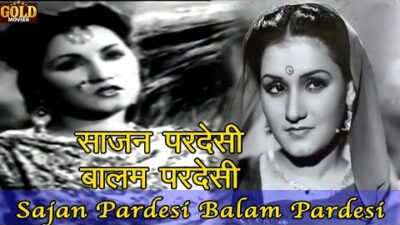
यहाँ नूर जहाँ जिस खेत-गीत के सुर का प्रयोग करती हैं, वह हिंदी फ़िल्म संगीत के टिकाऊ ढंगों में एक बन गया — जिसे 1950 और 1960 के दशक की लता मंगेशकर की देहाती नायिकाएँ आगे ले गईं। ख़ुद 'गाँव की गोरी' के संकलन में यह गीत 'बैठी हूँ तेरी याद का लेकर के सहारा' और 'साजन परदेसी बलम परदेसी' की छाया में रह जाता है, जो दोनों प्रचलन में बने रहे; यह मुख्यतः कैटलॉग-सूचियों और फ़िल्म की अपनी रीलों के ज़रिए बचा है।
अंग्रेज़ी में पढ़ें · Read in English
The field-song register Noor Jehan uses here became one of the durable modes of Hindi film music, carried forward by Lata Mangeshkar's village heroines through the 1950s and 1960s. Within the Gaon Ki Gori album itself this song is overshadowed by 'Baithi Hun Teri Yaad Ka Lekar Ke Sahara' and 'Sajan Pardesi Balam Pardesi', both of which stayed in circulation; it survives mainly through catalogue listings and the film's own reels.
वर्गीकरण
Classification- Tempo
- Medium
Genre
अन्य विवरण
More Details- https://en.wikipedia.org/wiki/Gaon_Ki_Gori
- https://myswar.co/album/village-girl-1945
- https://www.songsofyore.com/best-songs-of-1945-and-the-winners-are/
- https://indiancine.ma/EGQ/info
- https://en.wikipedia.org/wiki/List_of_Hindi_films_of_1945
References
रोचक तथ्य
Margin Notesनूर जहाँ 1945 की तीन सबसे बड़ी हिंदी फ़िल्मों — 'ज़ीनत', 'गाँव की गोरी' और 'बड़ी माँ' — की नायिका थीं और तीनों में उन्होंने अपने गीत स्वयं गाए, उस दौर में जब पार्श्वगायन और अभिनय पूरी तरह अलग पेशे नहीं बने थे।
अंग्रेज़ी में पढ़ें · Read in English
Noor Jehan led three of 1945's biggest Hindi films — Zeenat, Gaon Ki Gori and Badi Maa — and sang her own songs in all three, in the period before playback singing and acting became fully separate professions.
इंडियनसिने.मा में सूचीबद्ध 'गाँव की गोरी' की बची हुई प्रिंट 1 घंटा 31 मिनट की है और उसके दो दृश्य फ़सल-गीत के रूप में अनुक्रमित हैं।
अंग्रेज़ी में पढ़ें · Read in English
The surviving print of Gaon Ki Gori catalogued at Indiancine.ma runs 1 hour 31 minutes and has two of its sequences indexed as harvest songs.
नमूना-पट्टी
The Specimen Table| शीर्षक | मैं खेतों का पंछी · Main Kheton Ka Panchhi |
|---|---|
| फ़िल्म | गाँव की गोरी · 1945 |
| वर्ष · युग | 1945 |
| गायक | Noor Jehan |
| गीतकार | Wali Saheb |
| संगीतकार | Shyam Sundar |
| स्वरूप | एकल महिला |
| गति | मध्यम |
| भाषा | hindi |
| भाव | पुरानी यादें · शांत · चुलबुला |
| लोकप्रियता | Known |
| बोल-स्थिति | केवल झलक |
जुड़े हुए पन्ने
Connected Plates · The Graph Made Visibleअटलस में कोई पन्ना अकेला नहीं — इस गीत से जुड़े गीत, कलाकार, फ़िल्म, राग-ताल-विधा, सब यहाँ से खुलते हैं।
मिलते-जुलते गीत · Related Songs
कलाकार · The Artists
फ़िल्म · The Film
साझा कीजिए · Share this Plate